Welcome to the day of flips, we’re back on the telescope and everything feels just a little off. Flip the platform, NASE to NASW. Flip the schedule, day to night. Flip the detectors, visible to IR. We were not victorious for all fights involving negative signs, but our 24 hour day was full of flipping successes.
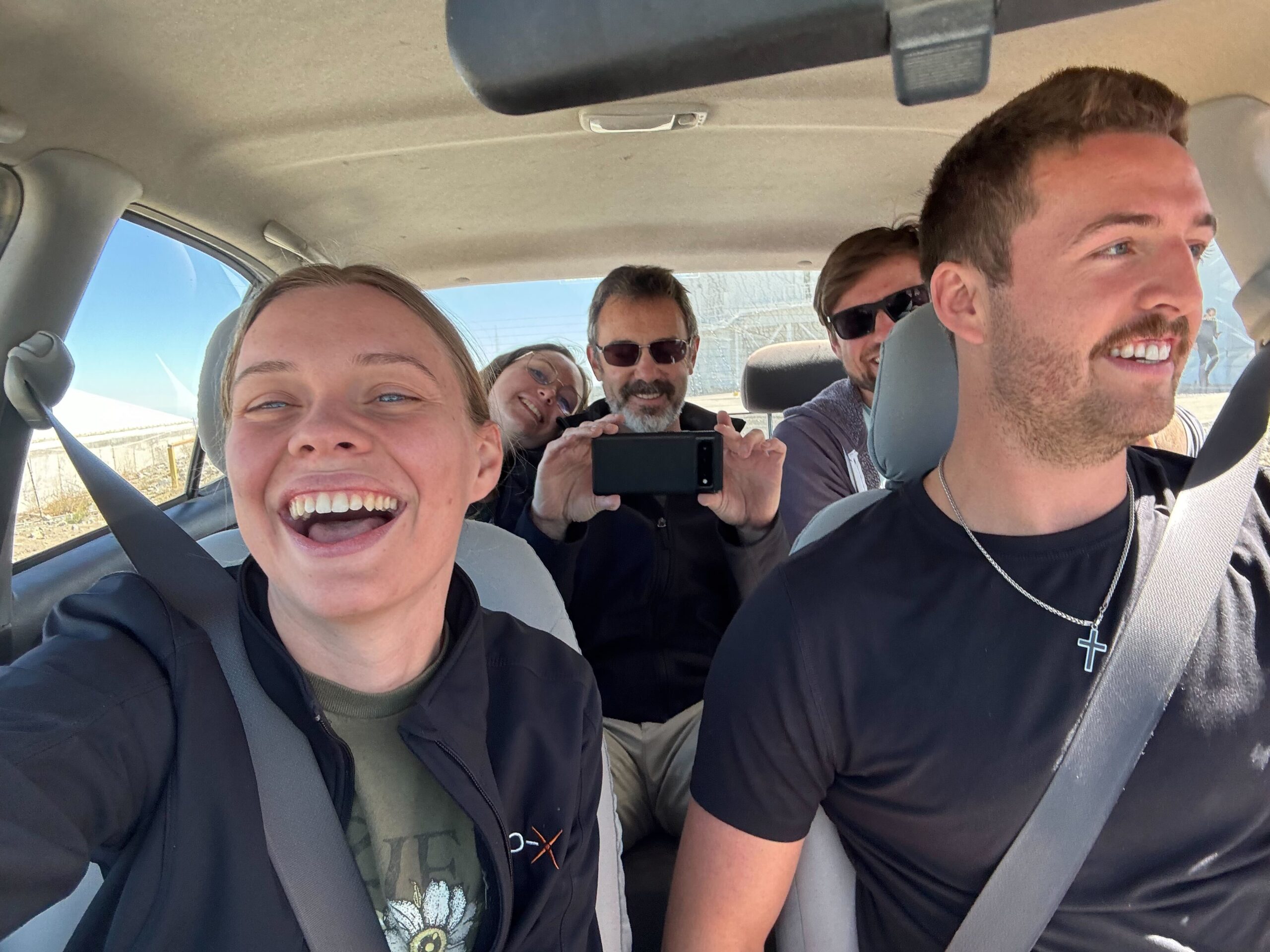
Flipping the alignment with fiducials – Success!
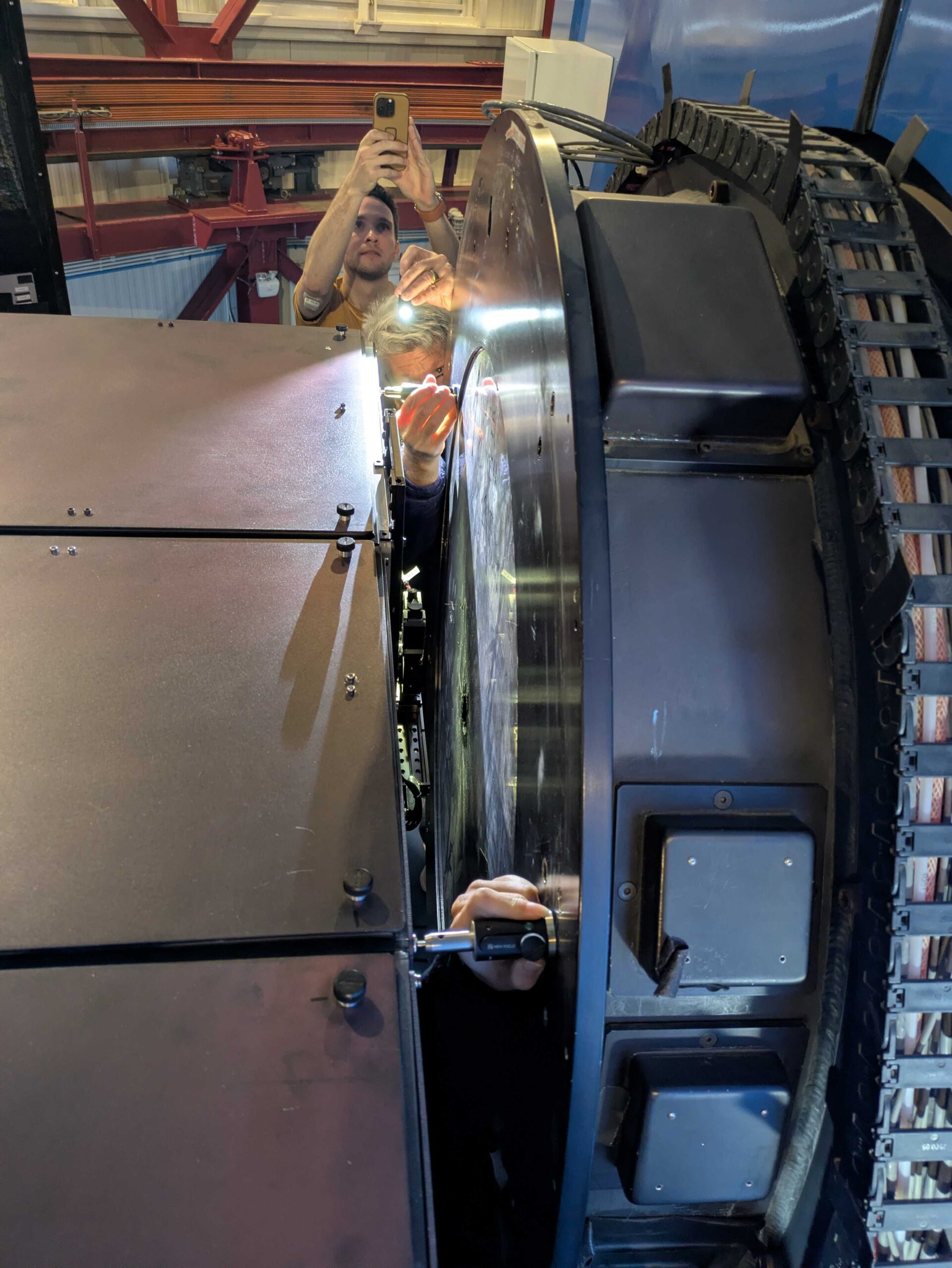
The morning was spent following Laird and Katie’s procedure for getting MagAO-X to the mirrored position of its NASE home. Through some of the smallest moves you’ve ever seen a 2000lbs instrument on rough surface make, we got right to where where the fiducials should sit relative to the instrument and guider. There was some discussion about platform height that would needed to be verified once starlight entered the system.
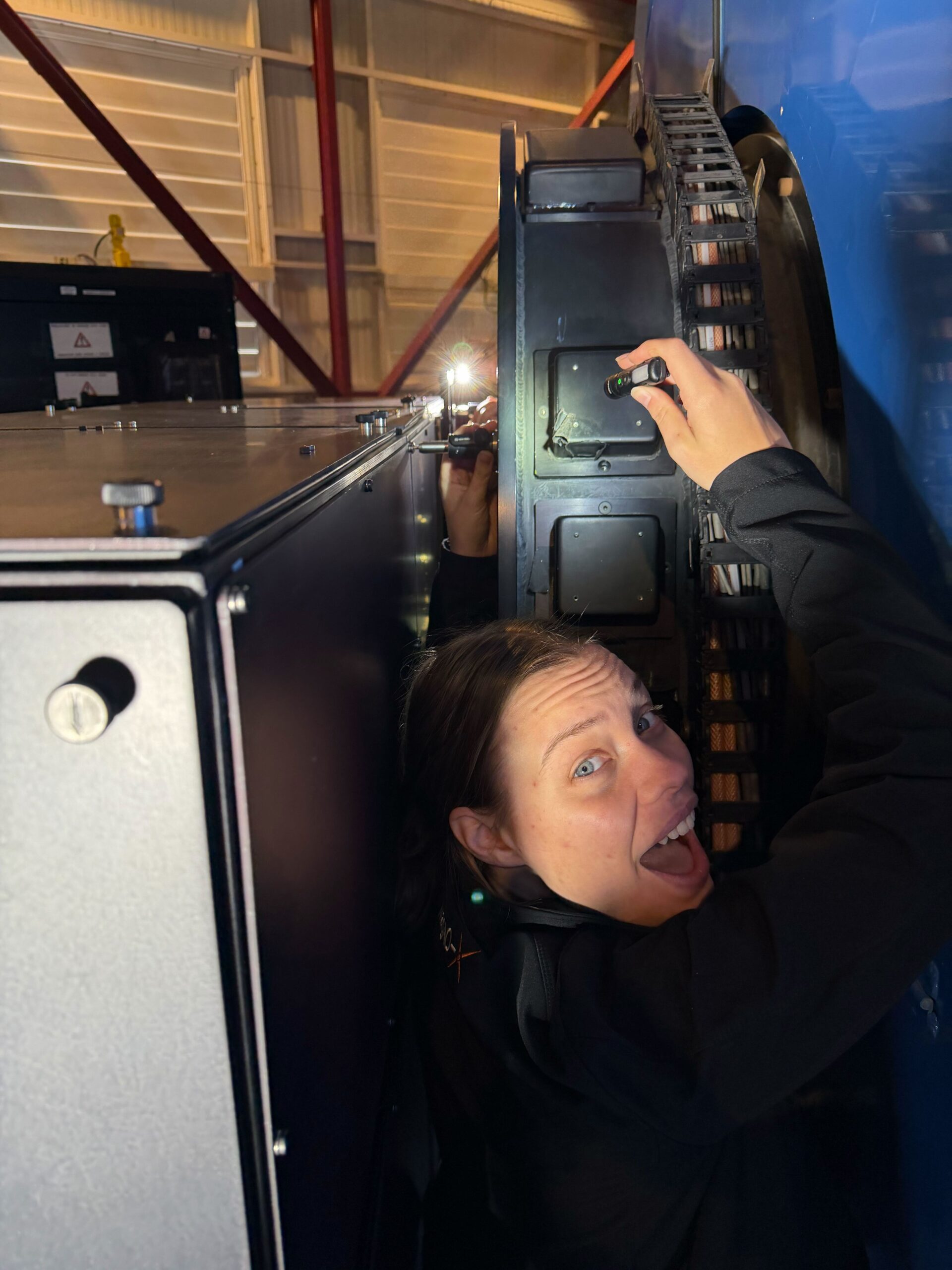
Flipping over the telescope for acc speed – Success!
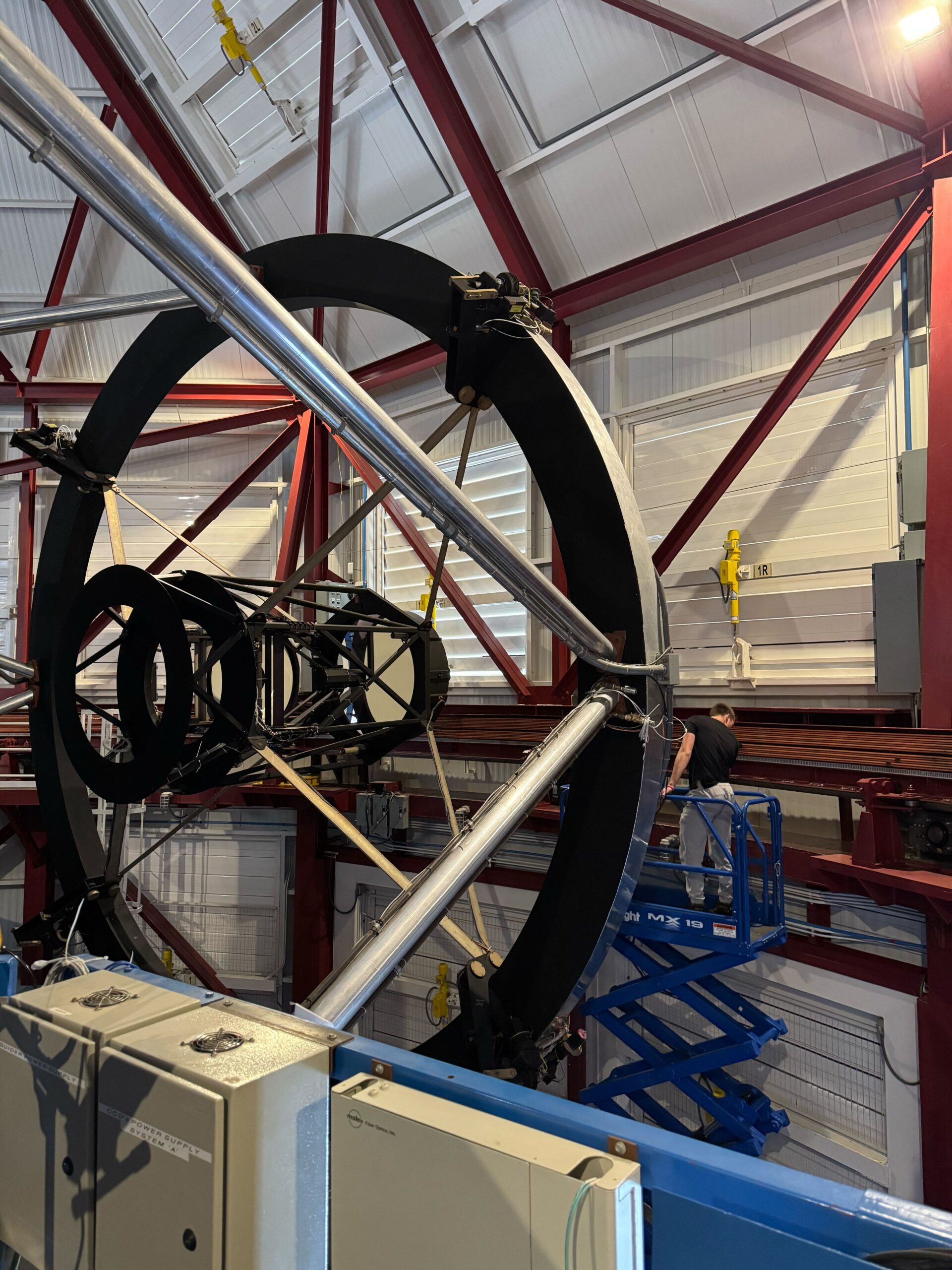
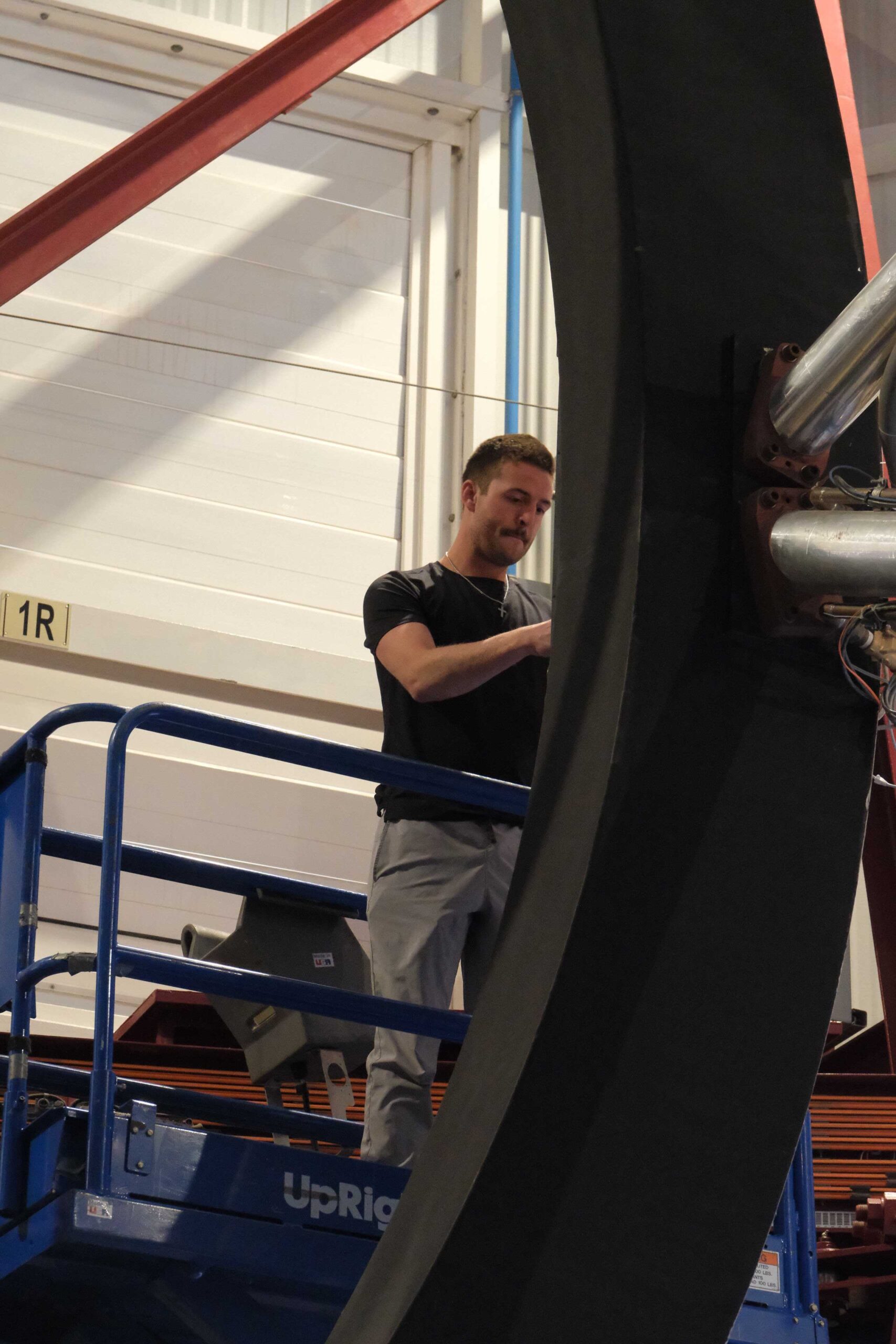
Post lunch, Parker flipped the telescope on it side to install some new accelerometer raspberryPi hardware and circuits. He’s now able to read out wibbles and wobbles at 10kHz, up from with his previous limits of 4kHz. With these fast and furious speeds a future of predictive control this run is looking bright.
Flipping on all the switches – 95%
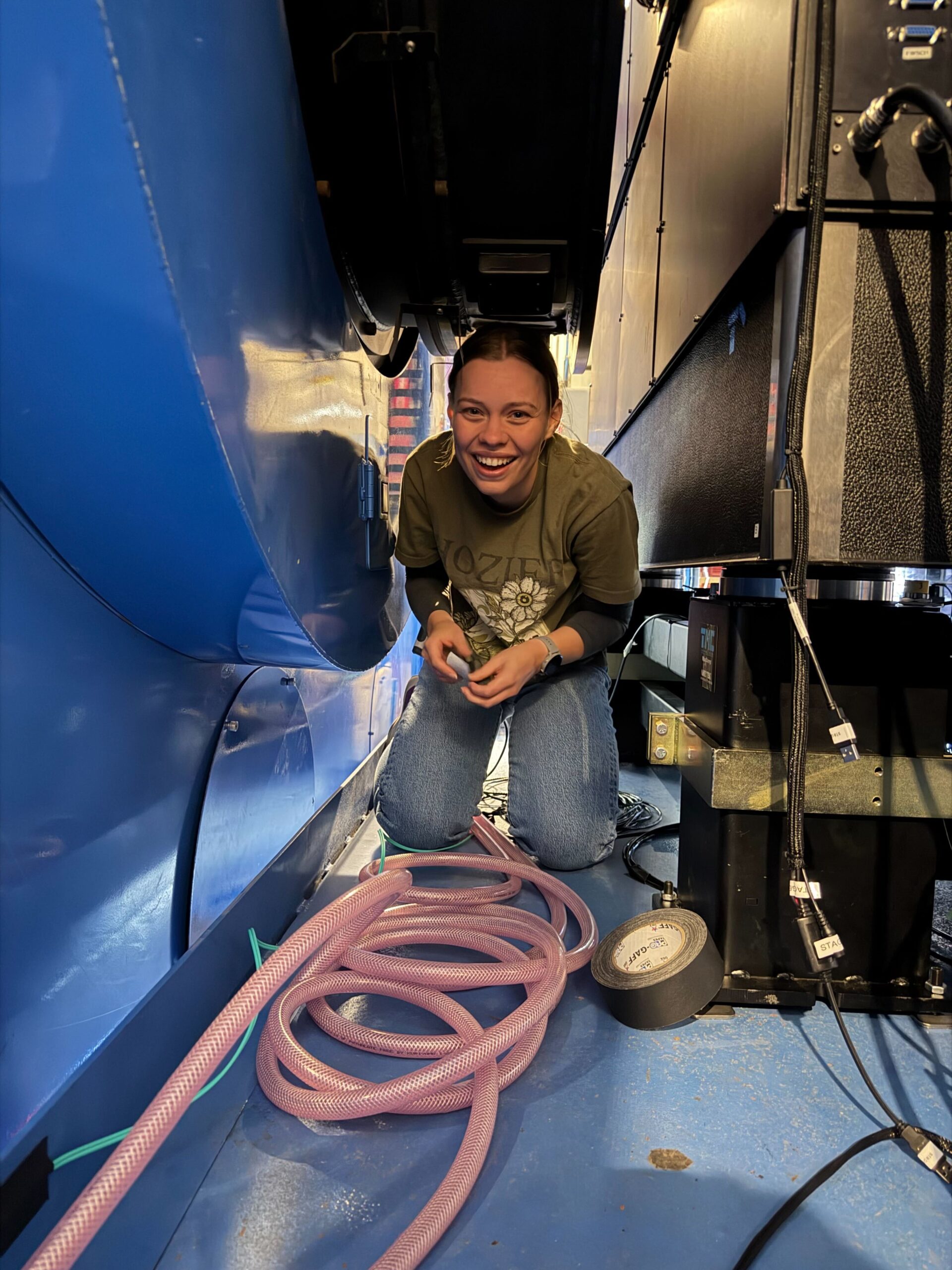
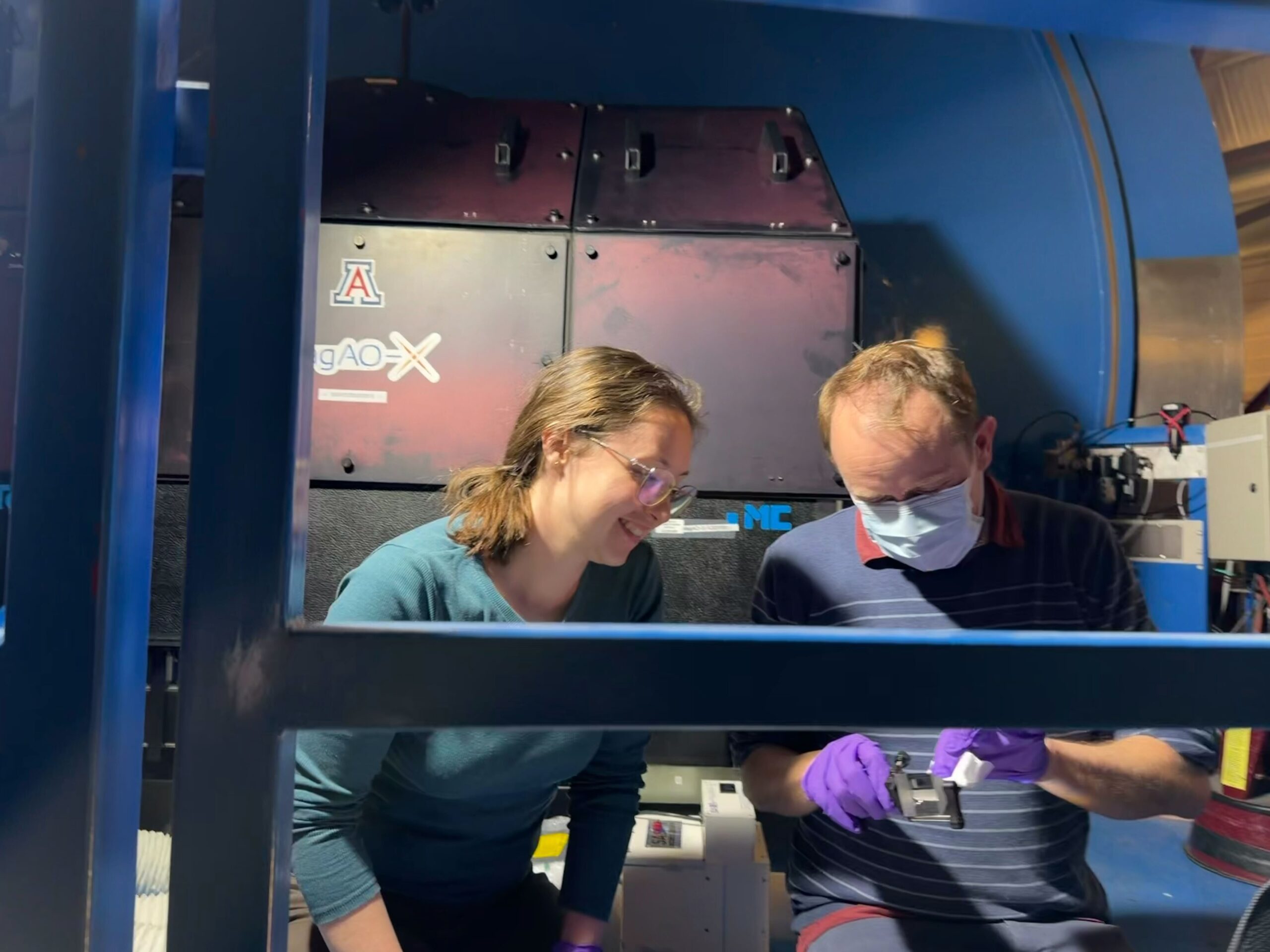
The rest of us spent the afternoon threading MagAO-X back together again. This endeavor is partially plumbing, partially fishing around for wires in the rack, and as we cable up the DM, somewhat surgical. Everything was connected by dinnertime, and only 3 of our 50+ wires ended up being somewhat loose. We’ll still call that a success. Initial reviews of NASW are glowing
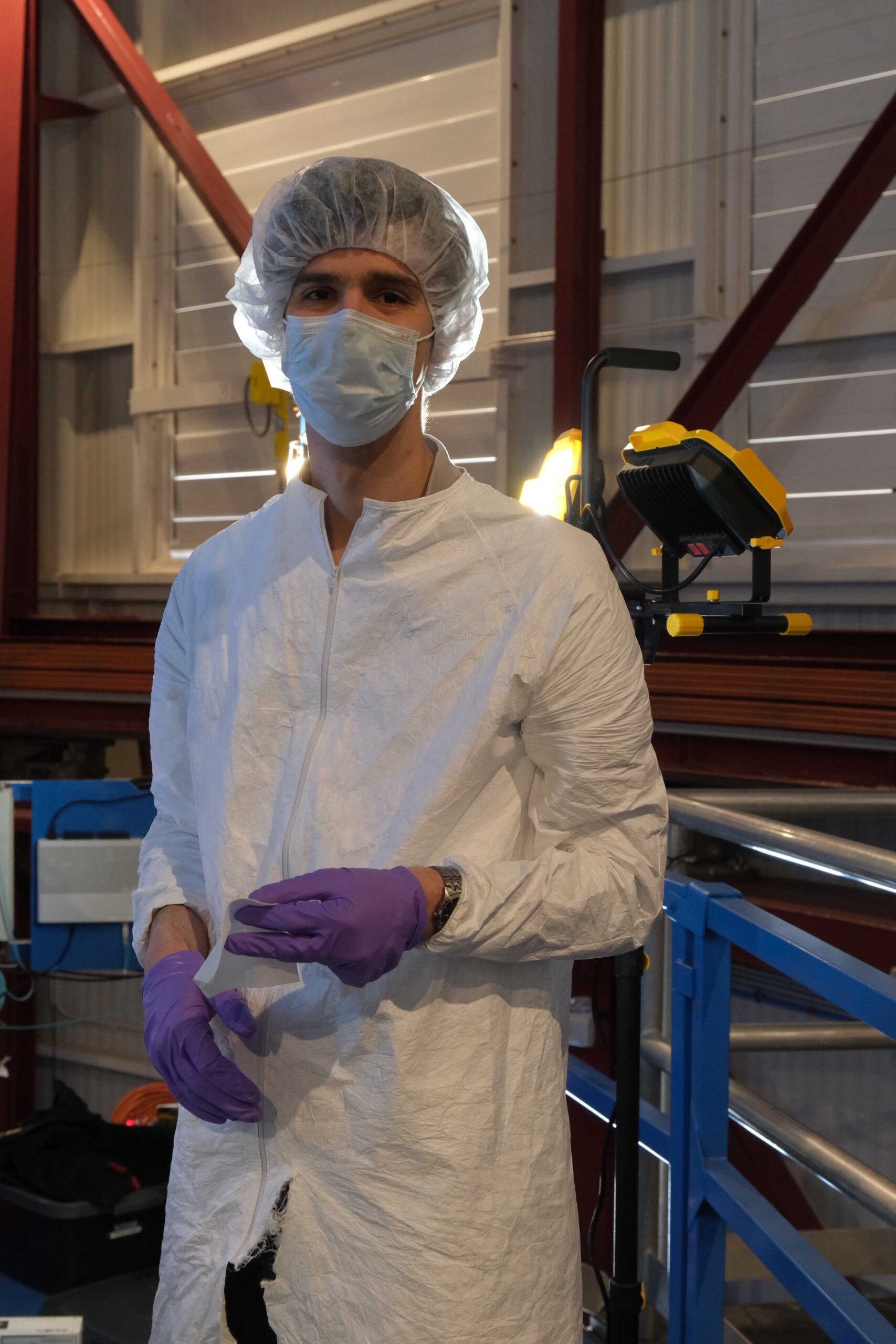
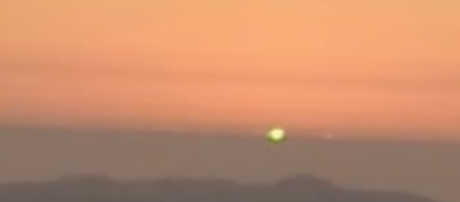
Flip-worthy sunset? Success!
We’re almost always on the hunt for a green flash at sunset, and tonight’s really delivered. The cloud layer was flat enough and the air was clear enough to catch a seconds-long glimpse of the green light of a refracted setting sun. We were chuffed to bits, to put it mildly. It may have been one of the clearest and brightest green flash the team has ever seen.
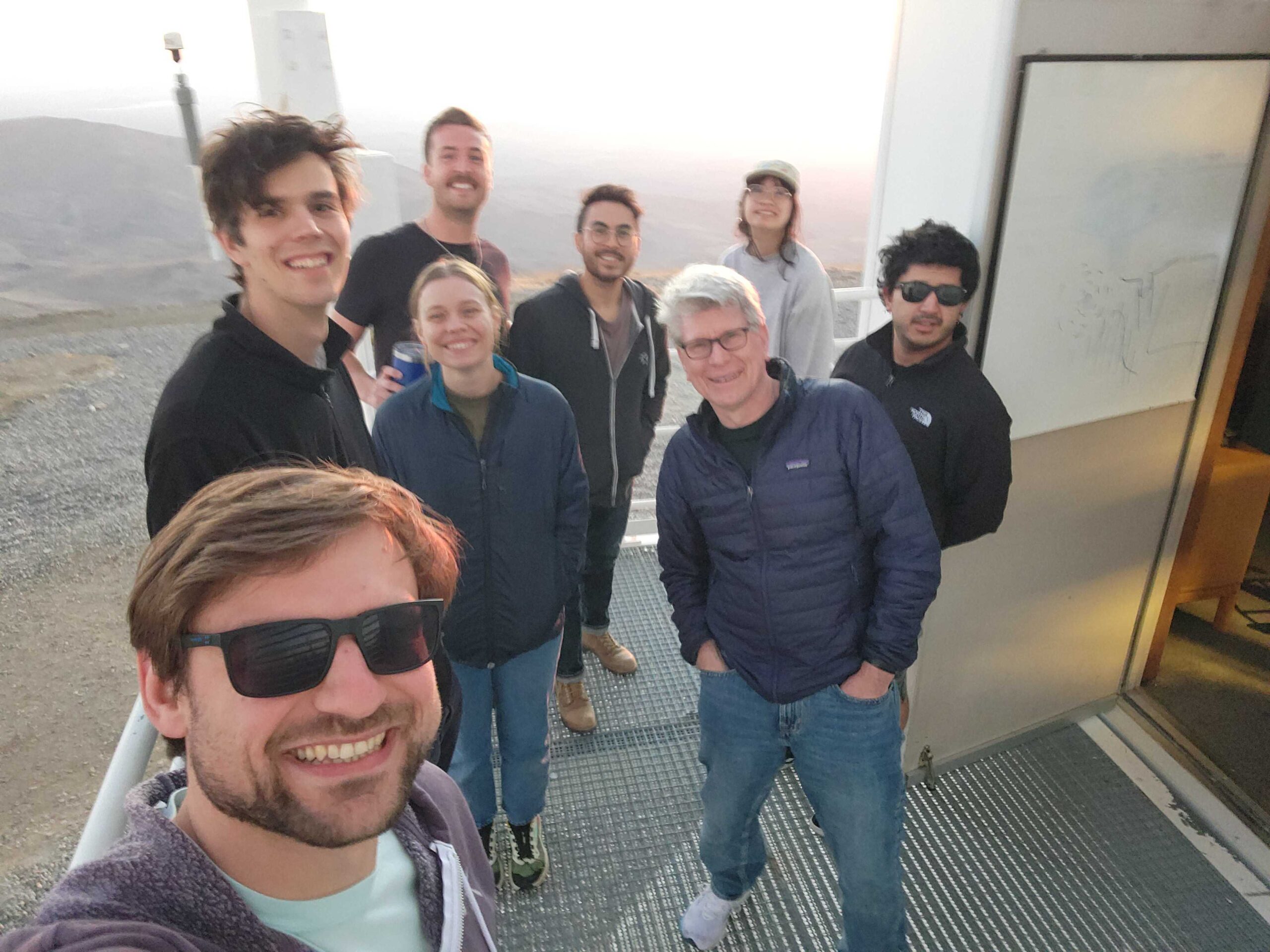
Flipping MagAO-X to NASW- A success all things considered
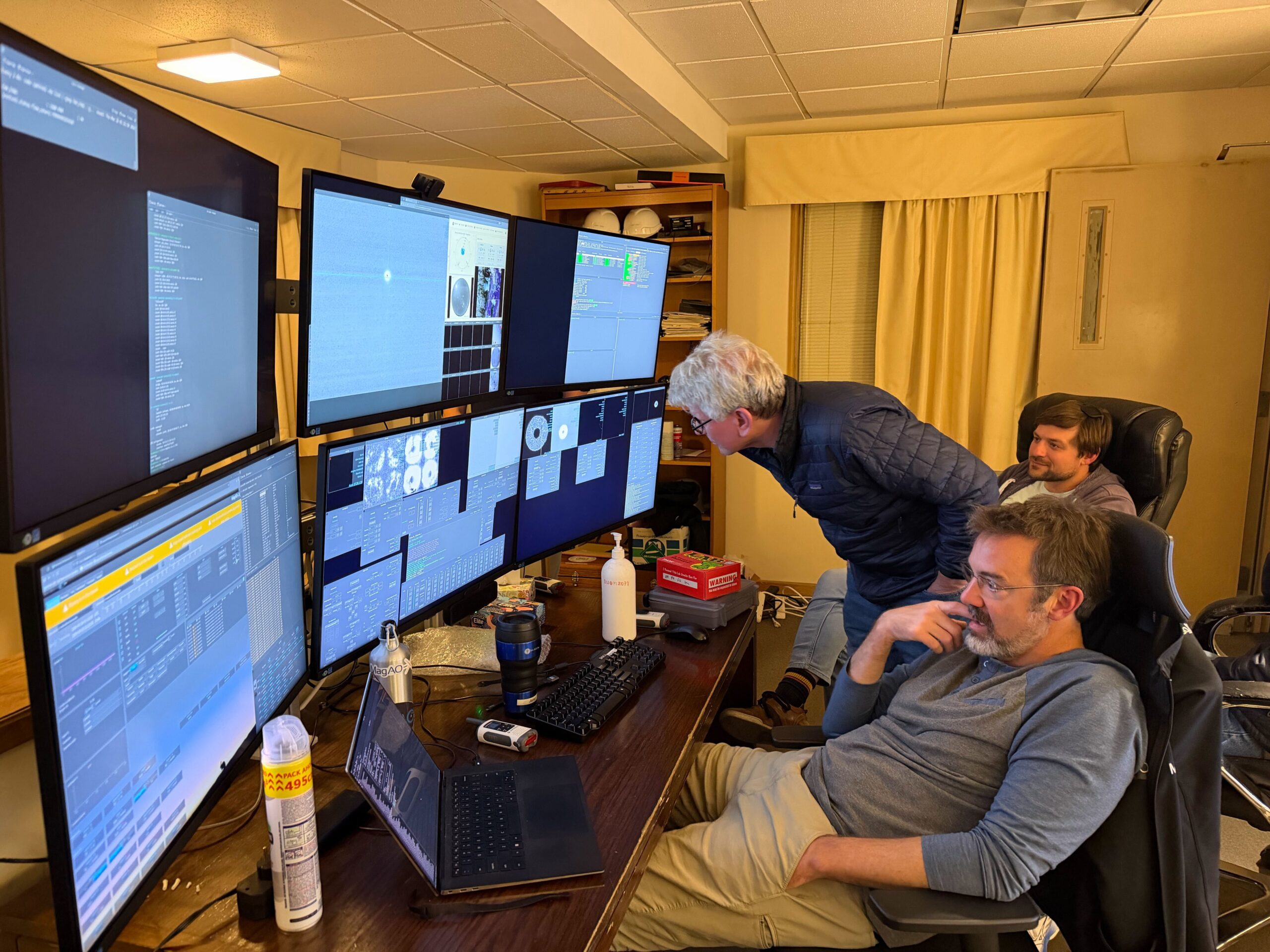
Certain parts of our operation depend on knowing where the telescope will move next. The platform orientation flip affects how our k mirror keeps our field steady, our ADCs keeps the atmosphere from chromatically dispersing our light, and our woofer keeps the telescope on track with periodic offloads. Not all the flips were caught on the first go through, but by the halfway point of the night we had a PSF just as pretty as we’re used to back home (NASE). We didn’t even have to run up to the platform and re-adjust the bench position.
Flipping to a visitor camera – Success!
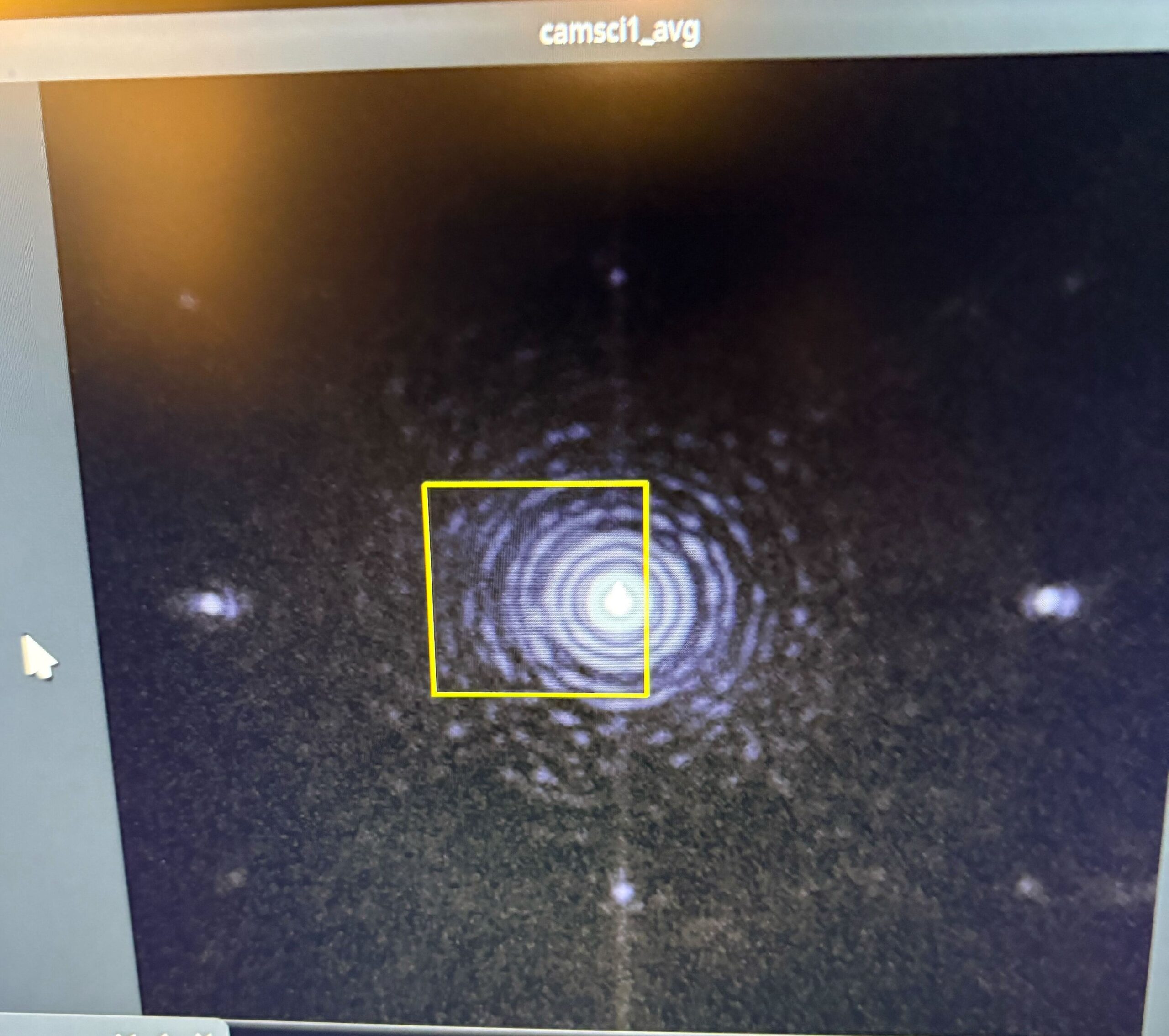
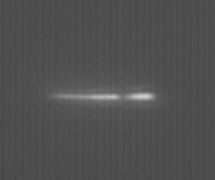
Camdurham made its way back inside the instrument and tonight it saw its very first stellar photons through MagAO-X. We got beautiful single and double star spectrum throughout the various engineering tasks. In the image below, you can see MagAO-X providing diffraction limited images throughout the near IR. (You can also see our resolution decrease as the wavelengths get longer.)
Flipping off sidereal tracking – Partial success
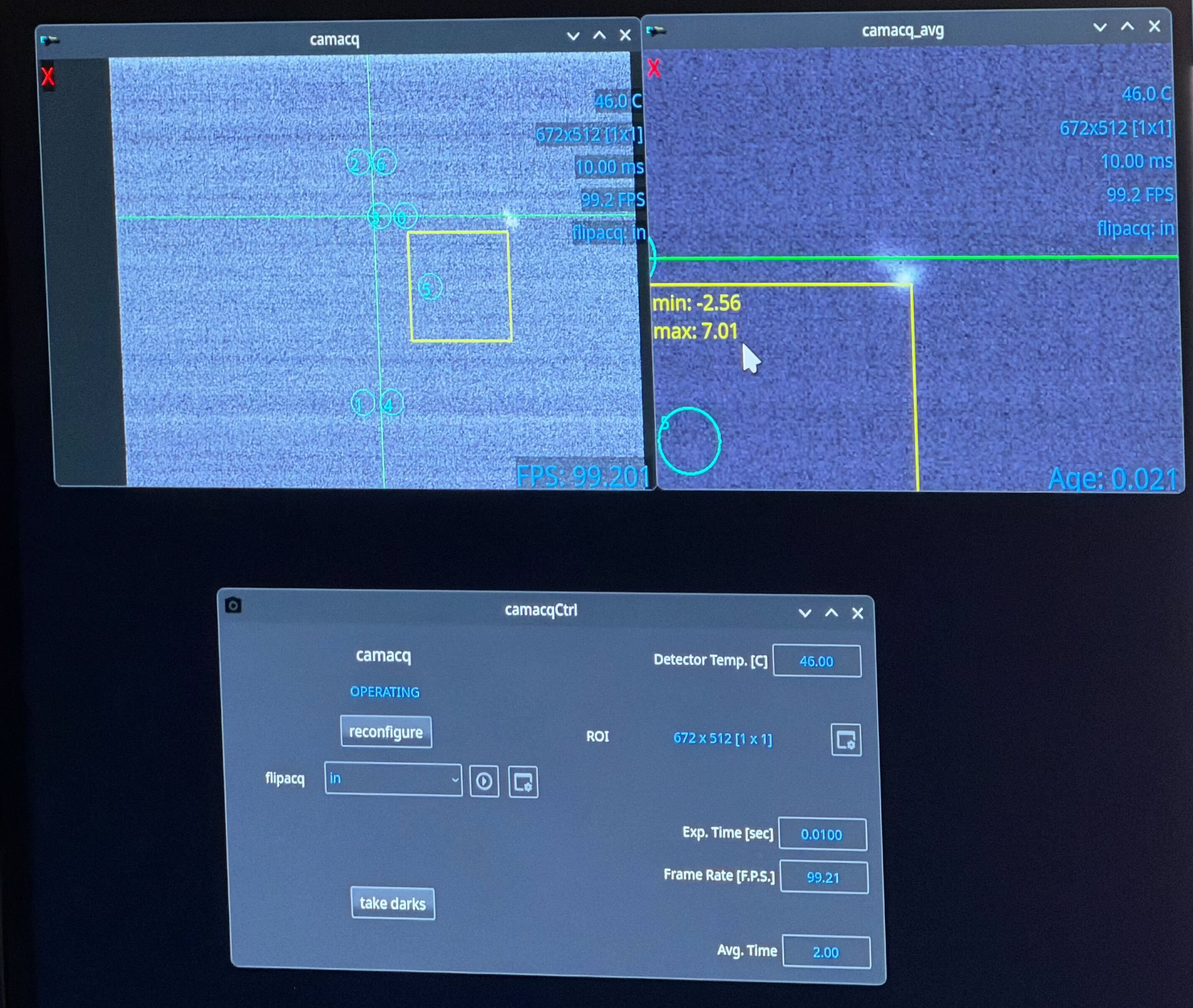
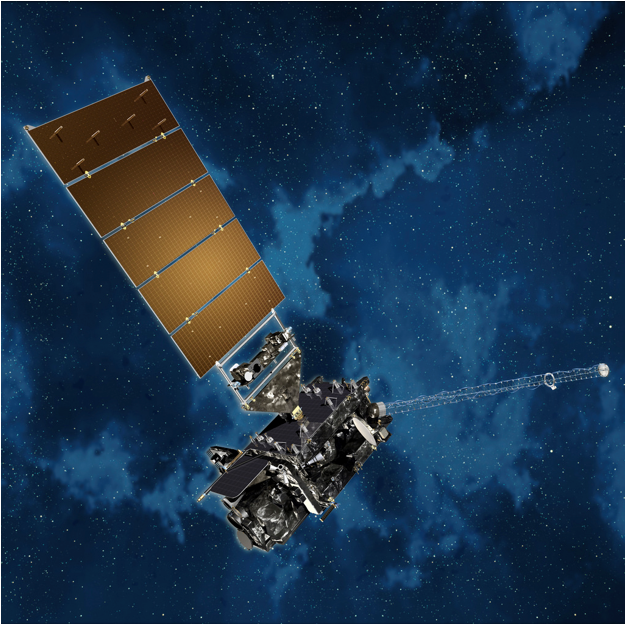
Tiffany and Jay have been hard at work finding extended objects for MagAO-X to image, such as asteroids or satellites. These are tricky for the AO system, but they’re also tricky for the telescope which can no longer follow the well calculated paths of stars across the night sky, aka sidereal tracking. With the help of our TO Hernán, we were able to center a weather satellite on our acquisition camera. We weren’t able to keep up with it long enough to send through to our science cameras, so there’s more work to be done on the tracking front. Even with our acquisition camera we were able to resolve the solar panels on the 20ft target.
Flipping to remote ops – Setup success
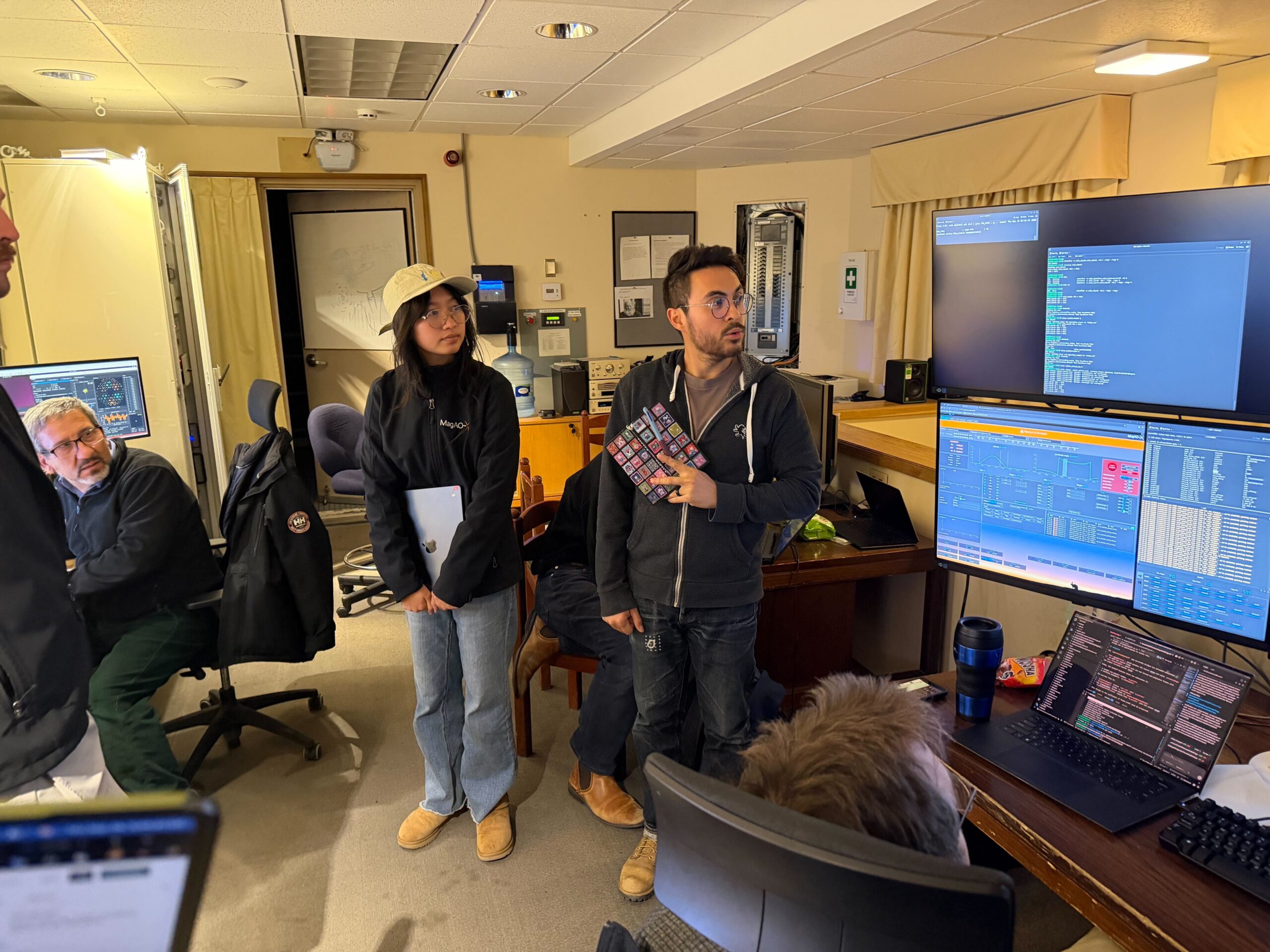
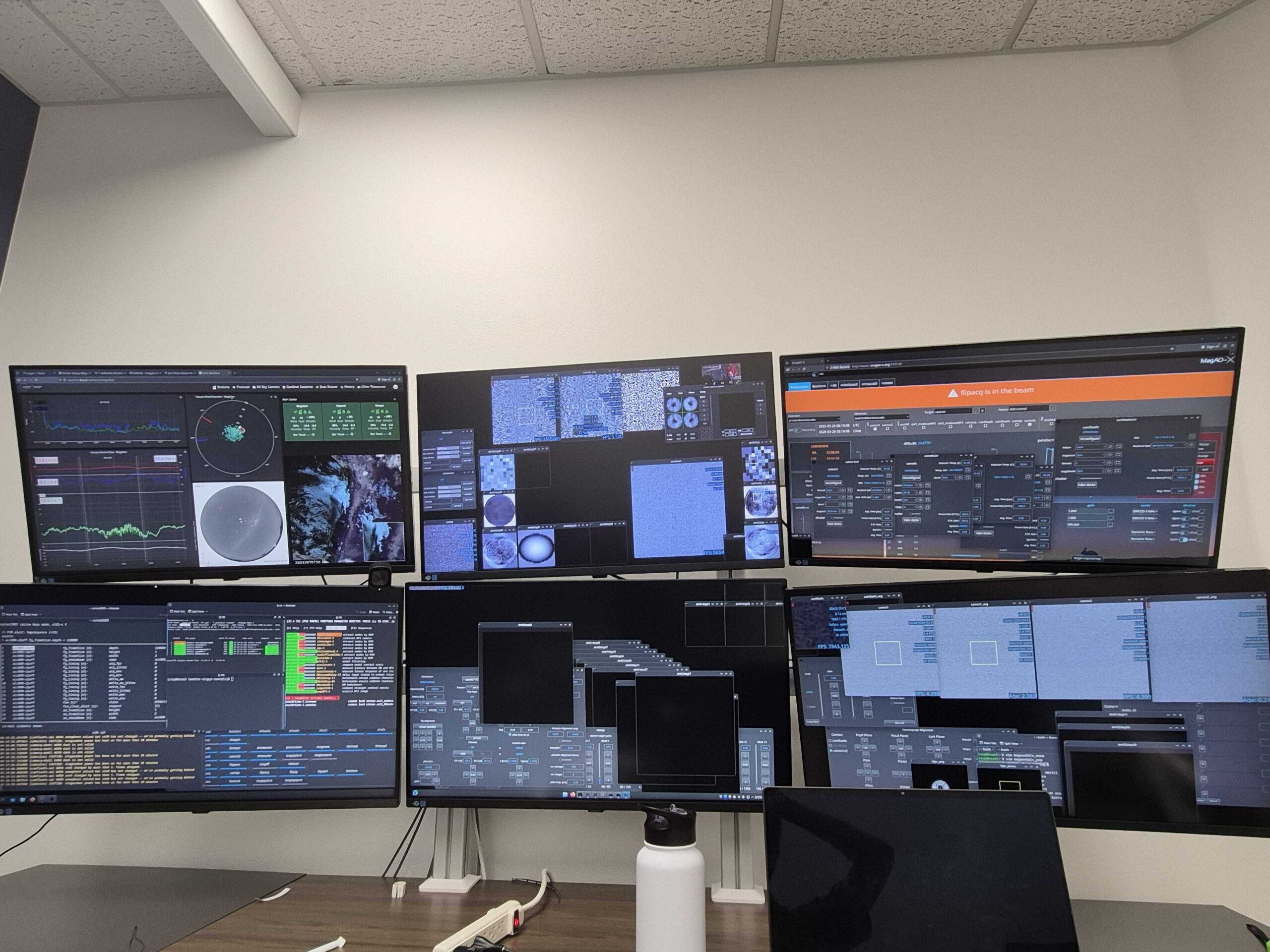
Meanwhile, back in Tucson, we had Jialin and Josh test our remote operations computer. When the rest of us head home in a week, we’ll be using this setup to control MagAO-X remotely in April and May. A huge next step in making MagAO-X available and flexible for our observers.
Color of the Day
Blink and you miss it green, seen tonight but chased after every sunset.