MagAO-X 2025B Day 11: Abstraction

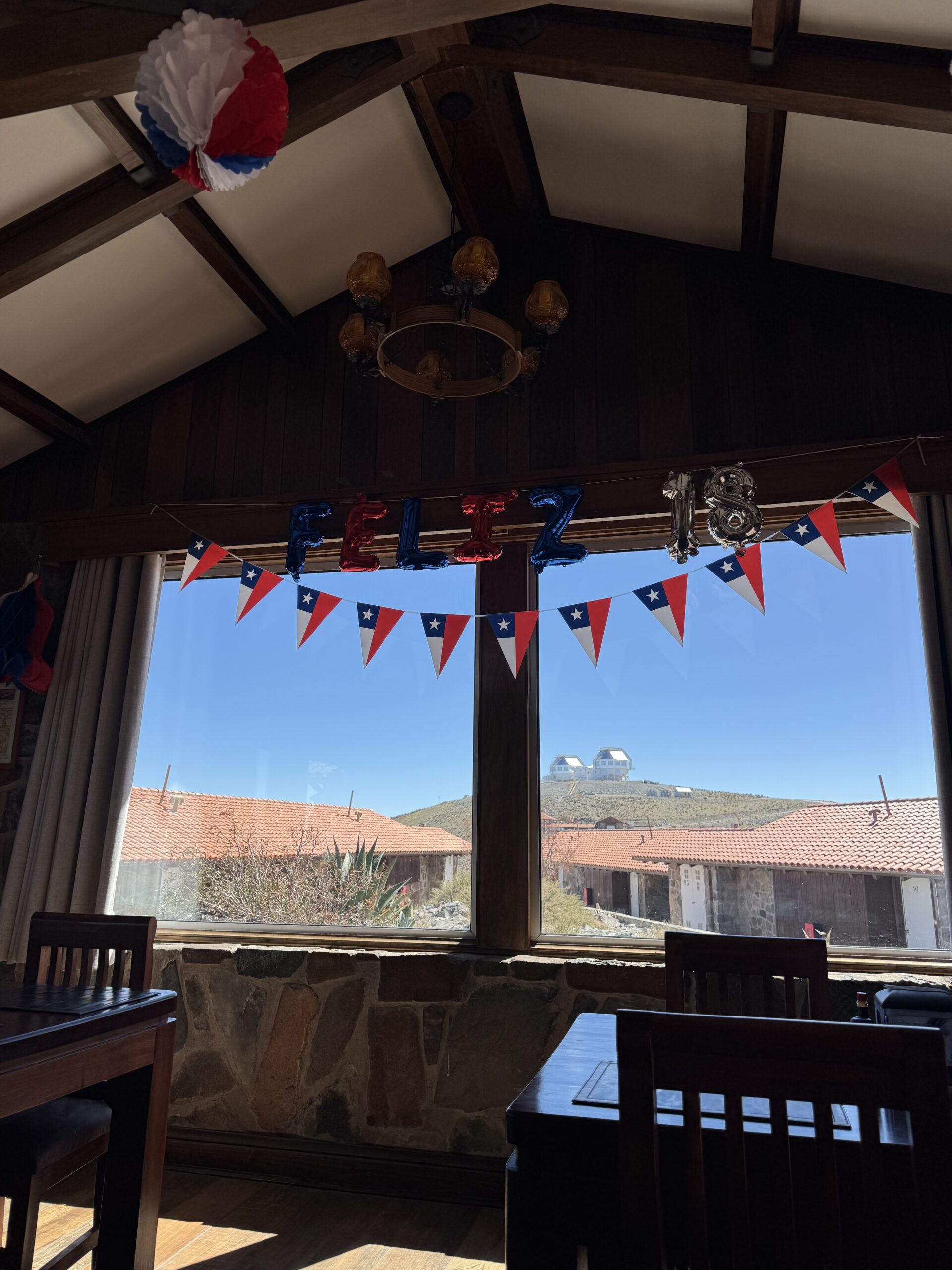
We’ve really settled into a rhythm here on the mountain top. While our individual wake-up times vary, we all mosey on down to the lodge for dinner at around 6:30. After an unfailingly excellent meal (and perhaps a cup of tea), the first shift of AO operators make their way up to the summit and start aligning MagAO-X for the night. The TO opens the dome, we set up our observations, and then we spend the night doing cutting-edge science and engineering until the Sun threatens to peek above the horizon. It’s not without hiccups–the atmosphere doesn’t always behave and neither does your code–but it’s honestly impressive that we’re able to pull it off night after night.

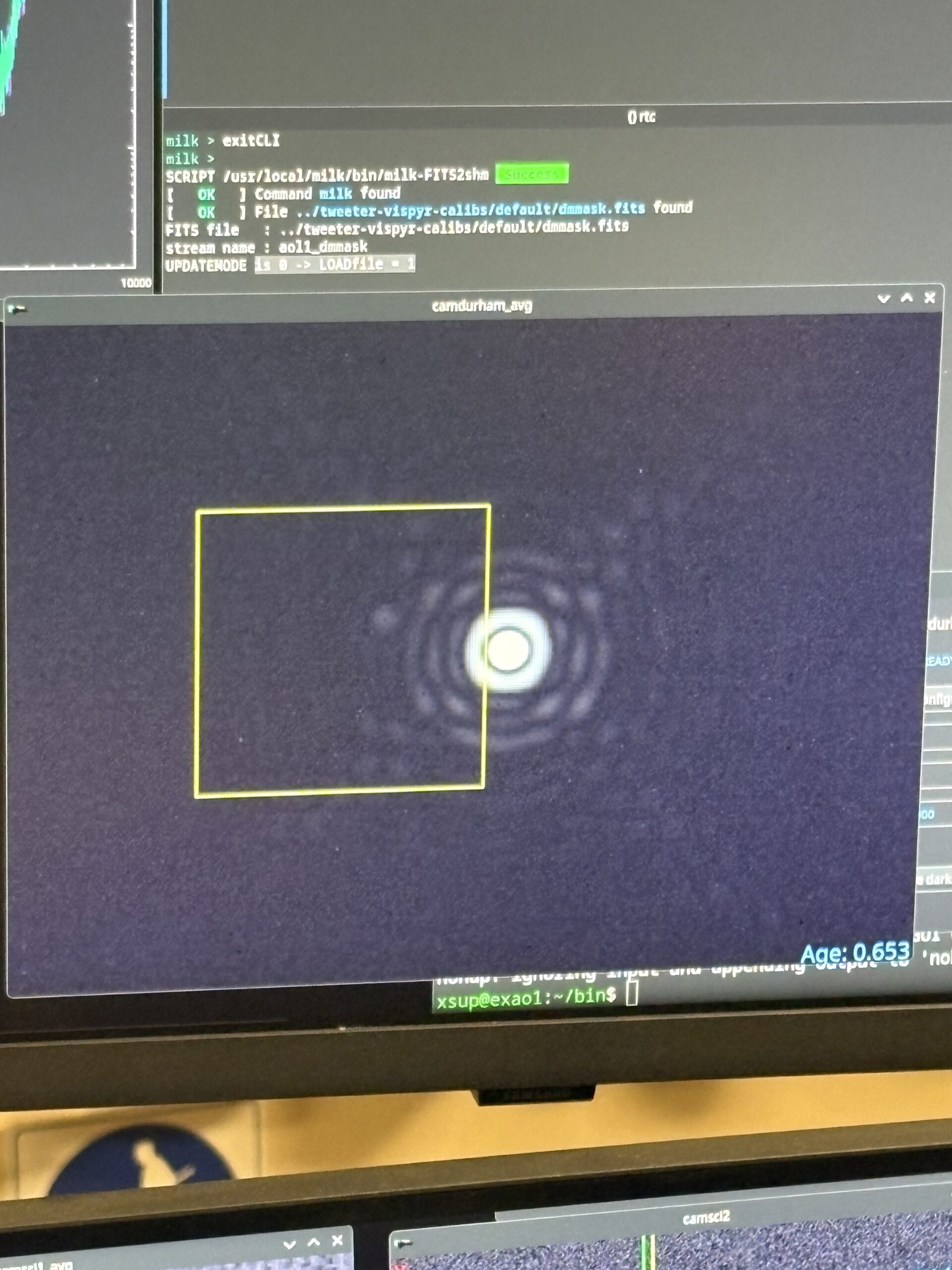
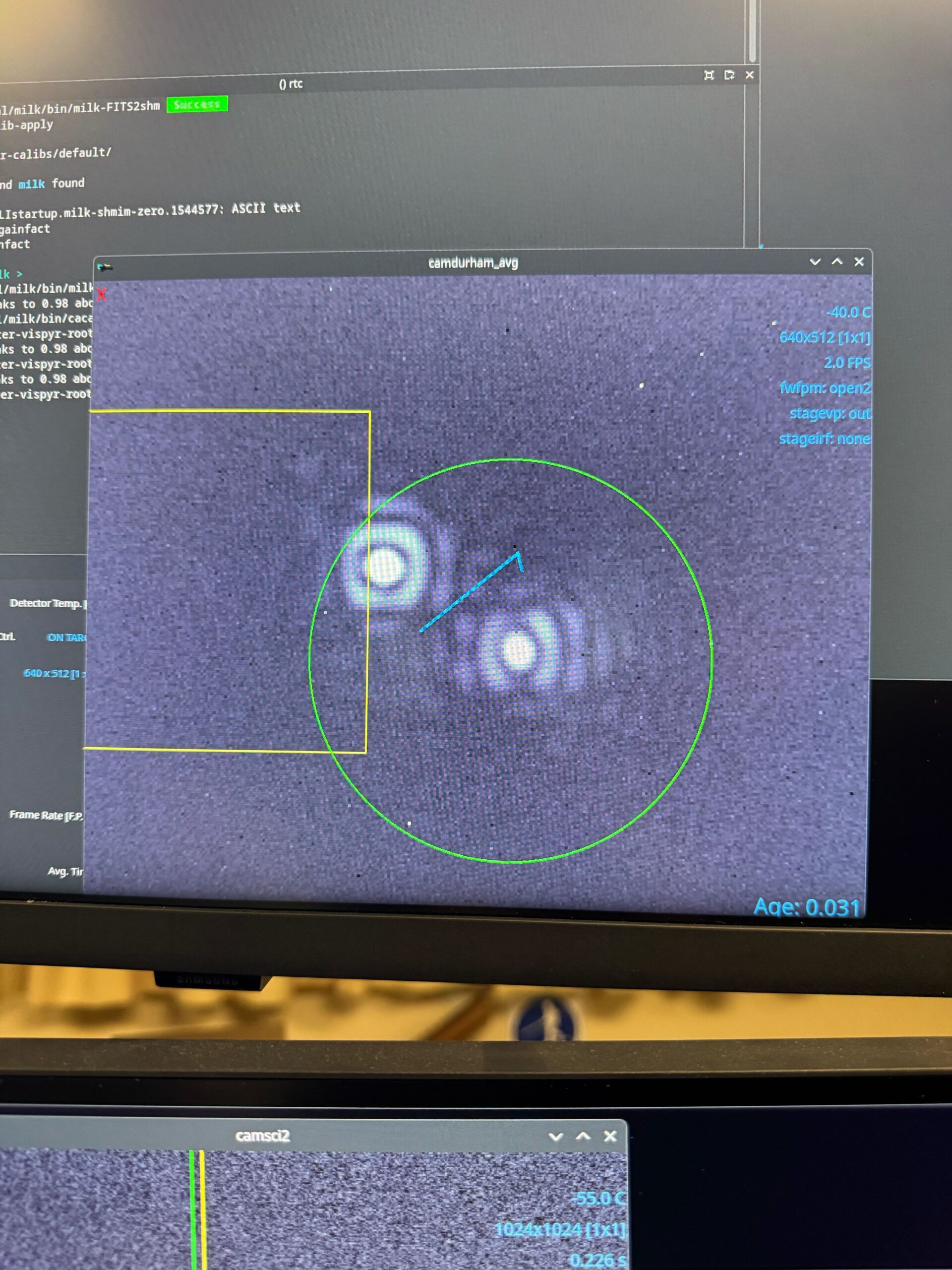
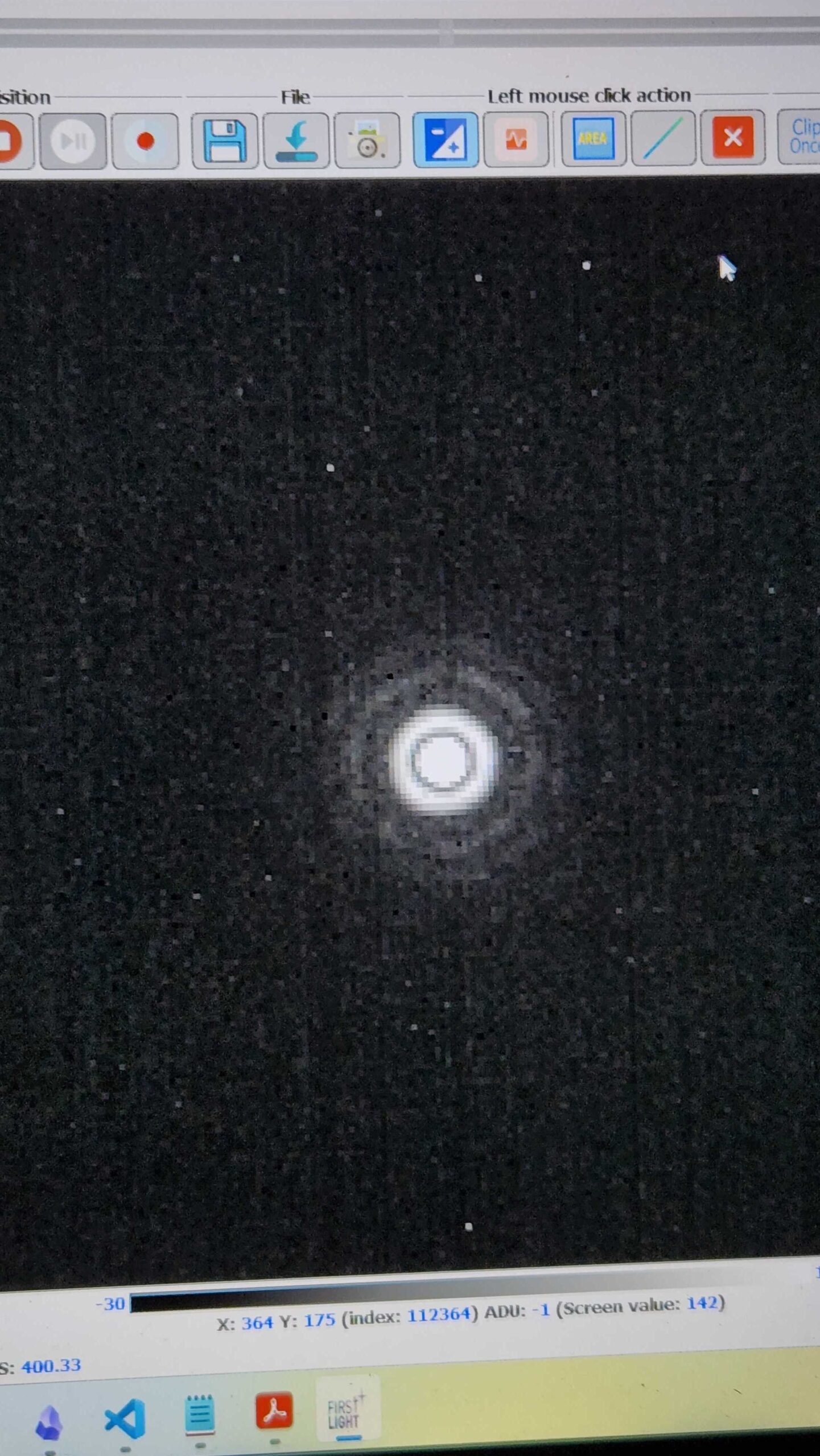
Tonight had its ups and downs but overall fell nicely into that rhythm. While I revised my SPIE abstract downstairs, Parker and his crew did another round of Tau ceti observations. I made it back for Eden’s observation block, which was filled with complex coronagraphs, art criticism, and cat photos. We were also able to commission our Lyot low-order wavefront sensor (LLOWFS, pronounced yo-fuss), which uses rejected starlight from a reflective Lyot stop to control our non-common-path DM. The result is more stability in the coronagraph, which makes finding planets easier. Atmospheric seeing was … not great for the first little while, but our noble efforts to press through were rewarded with an incredible second half of the night. Our data were stellar, in both senses of the word.

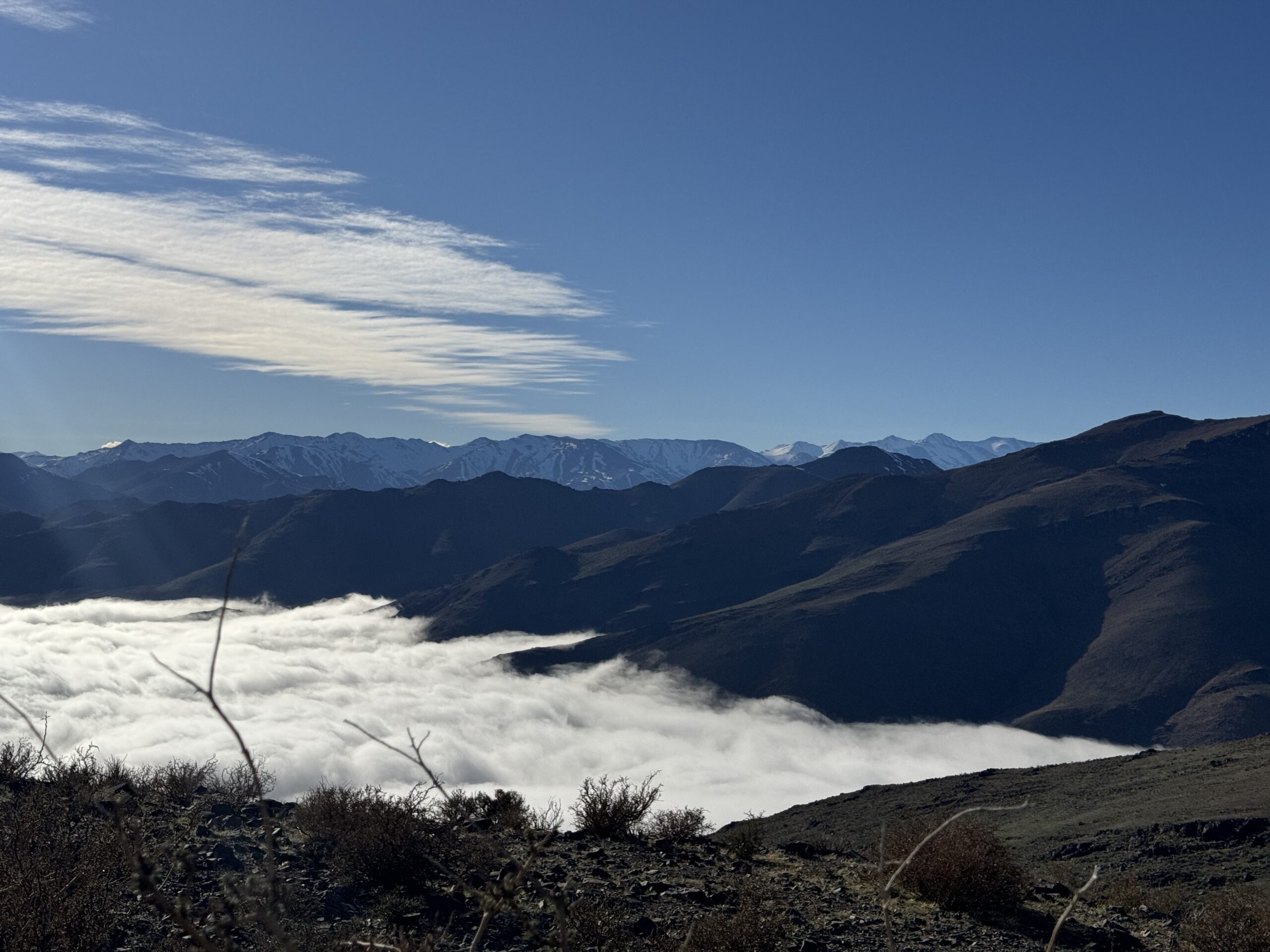
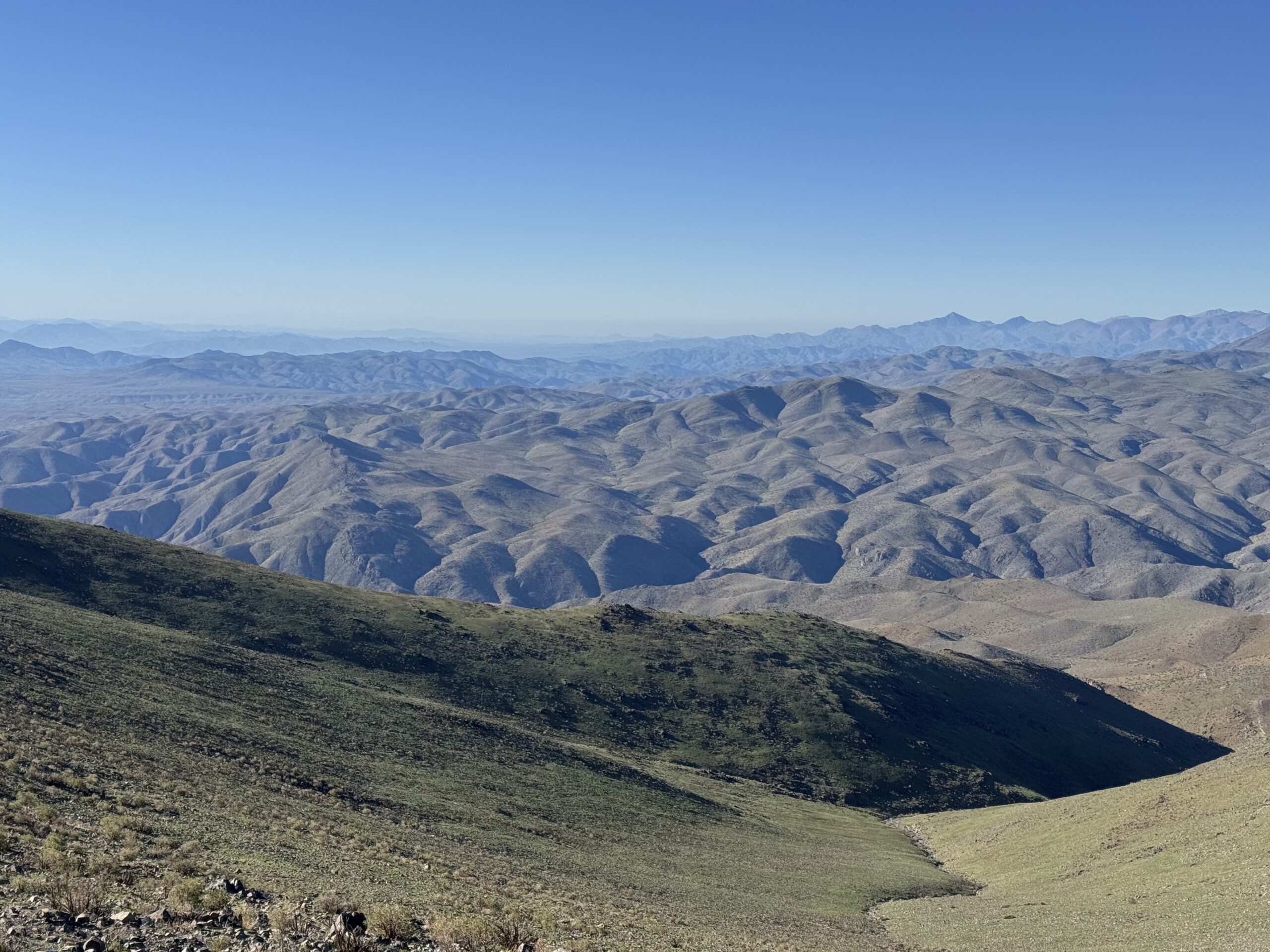
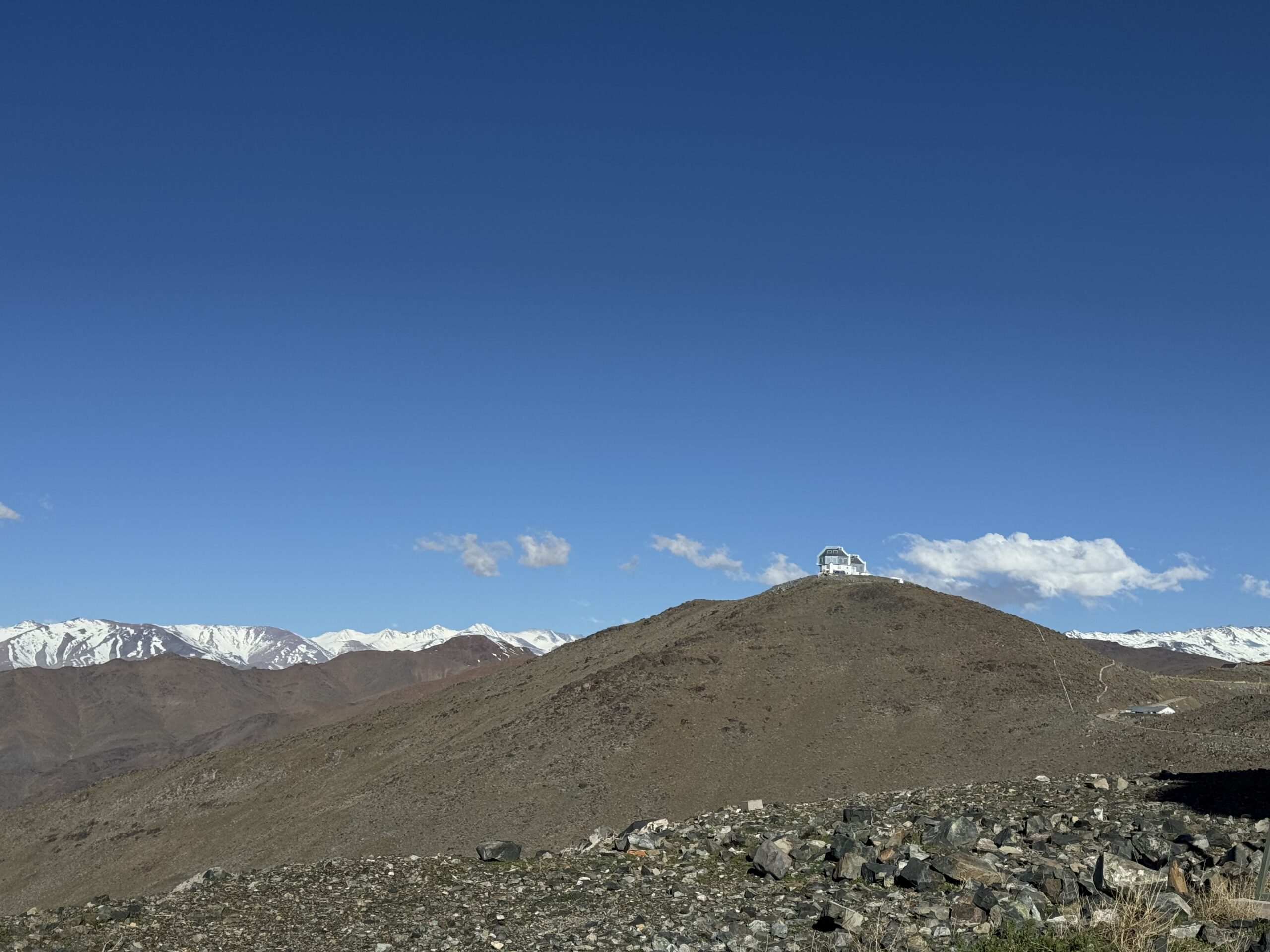
At least to me, at this point in the run Tucson starts to feel a bit like a dream. Maybe it’s because I’m avoiding yet another controls assignment, but something about this mountain makes the rest of the world feel less concrete. You walk outside, and the moonlight illuminates the peaks in the distance; you walk inside, and you see a team of people all working towards the common goal of seeing things no one has seen before. Perhaps I’m over-romanticizing because I’m running on very little sleep, but you can’t deny that there’s a unique feeling here. It might just be the reason we come back night after night, run after run, year after year.

Fun fact of the day: the painting “Sailor Boy” by Columbian artist Fernando Botero hangs in the Tucson Museum of Art.

Song of the day:

This Night Has Opened My Eyes – The Smiths

MagAO-X 2025B Day 1: Reanimation

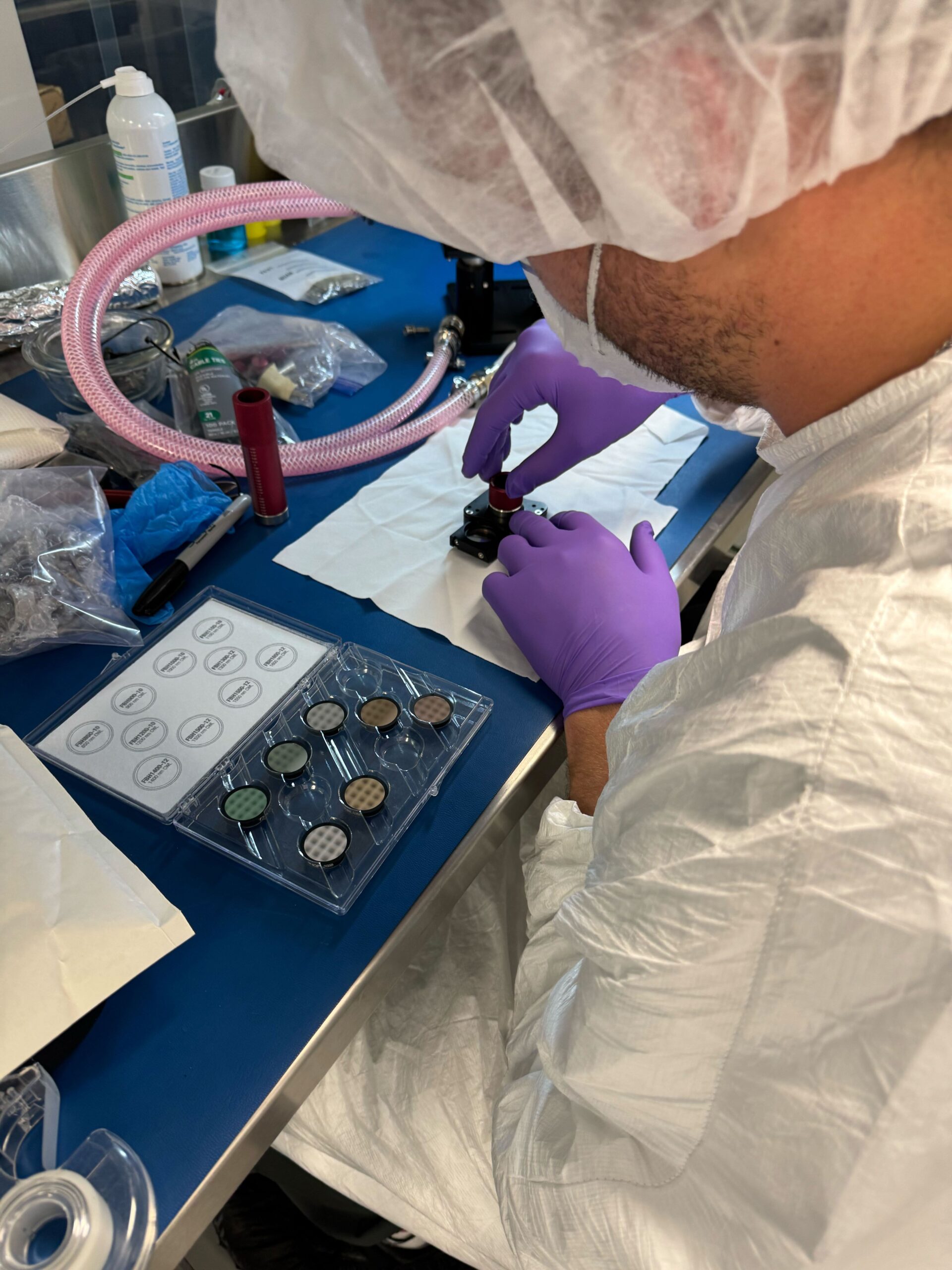
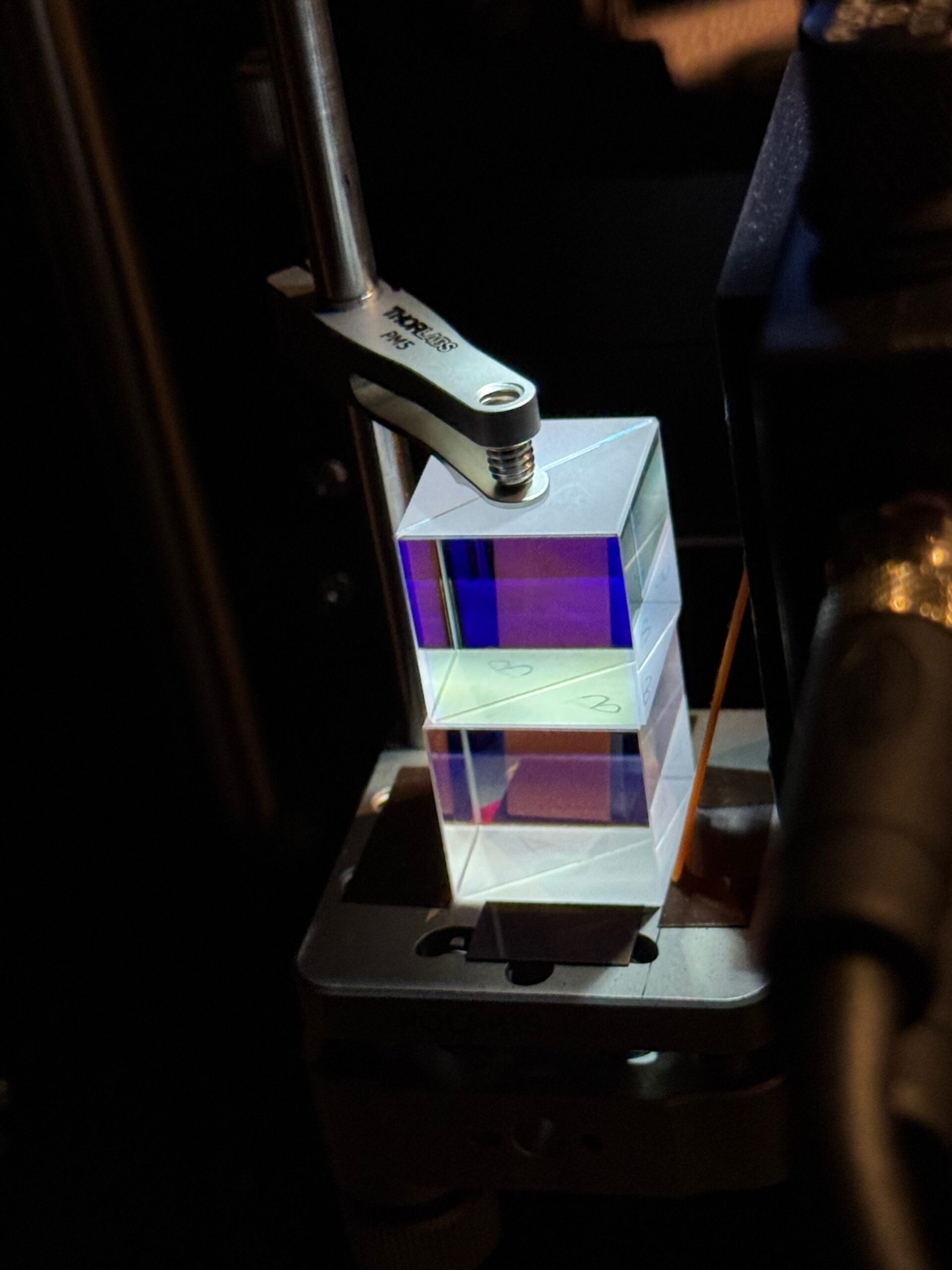
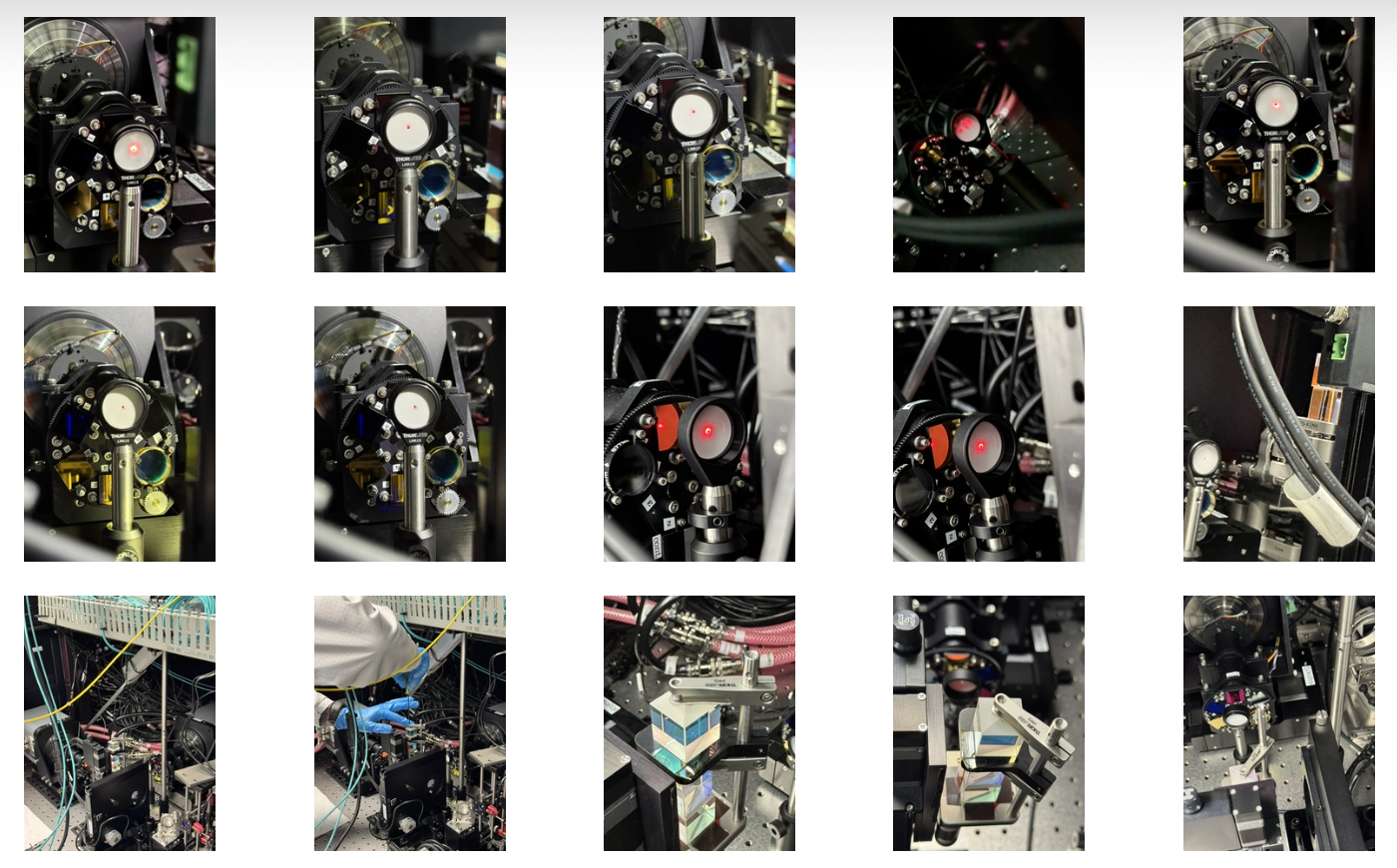
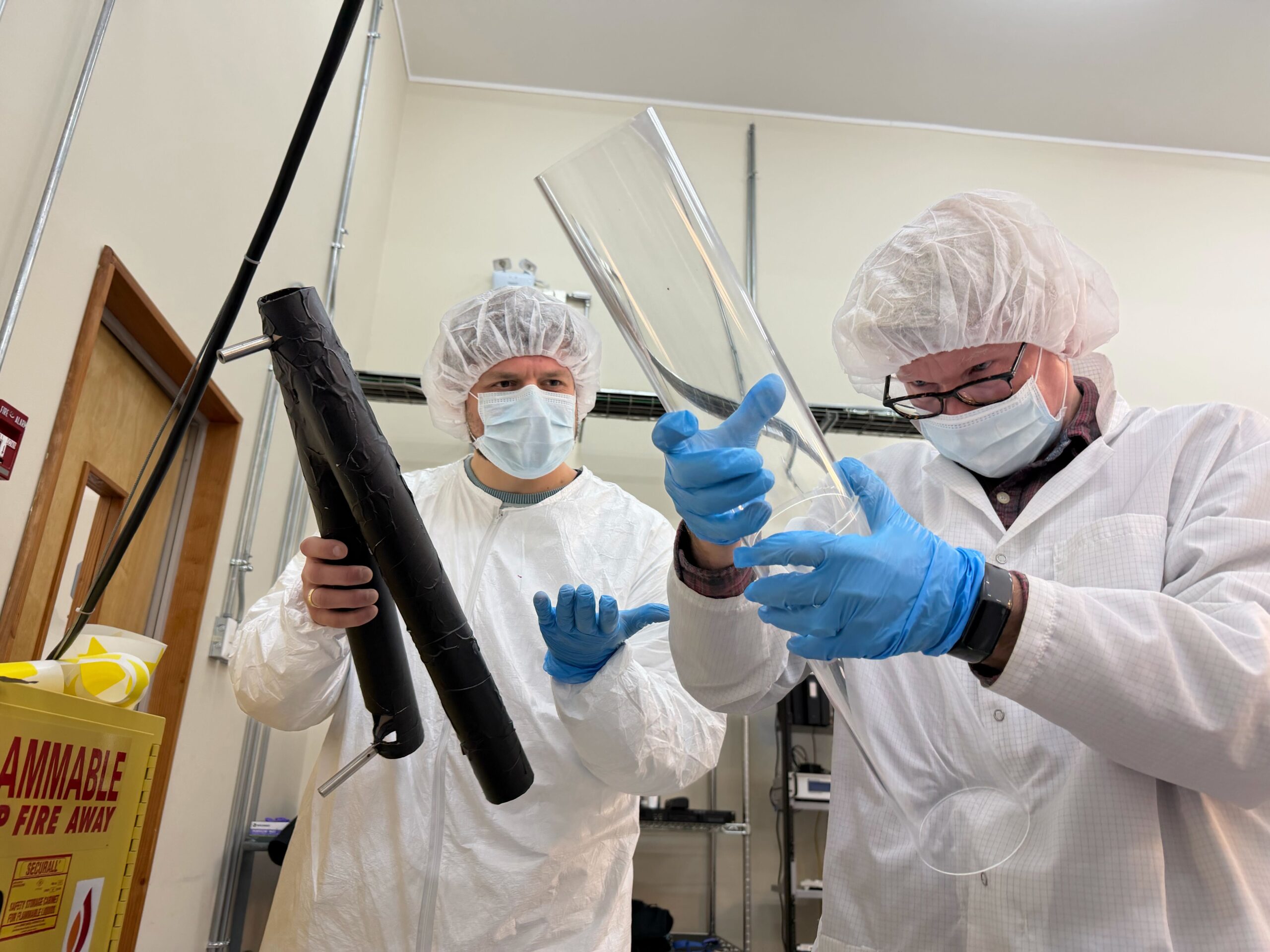
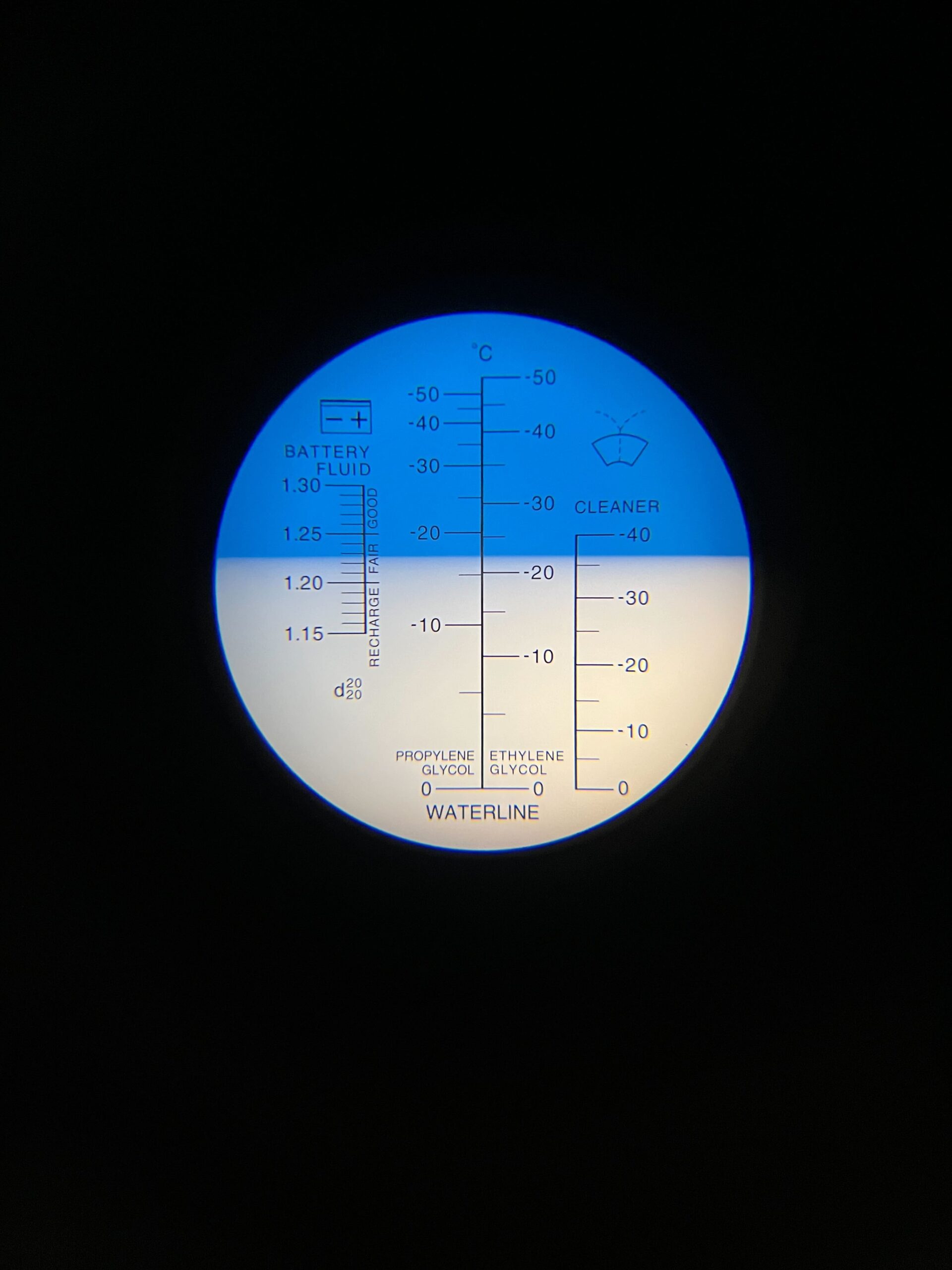
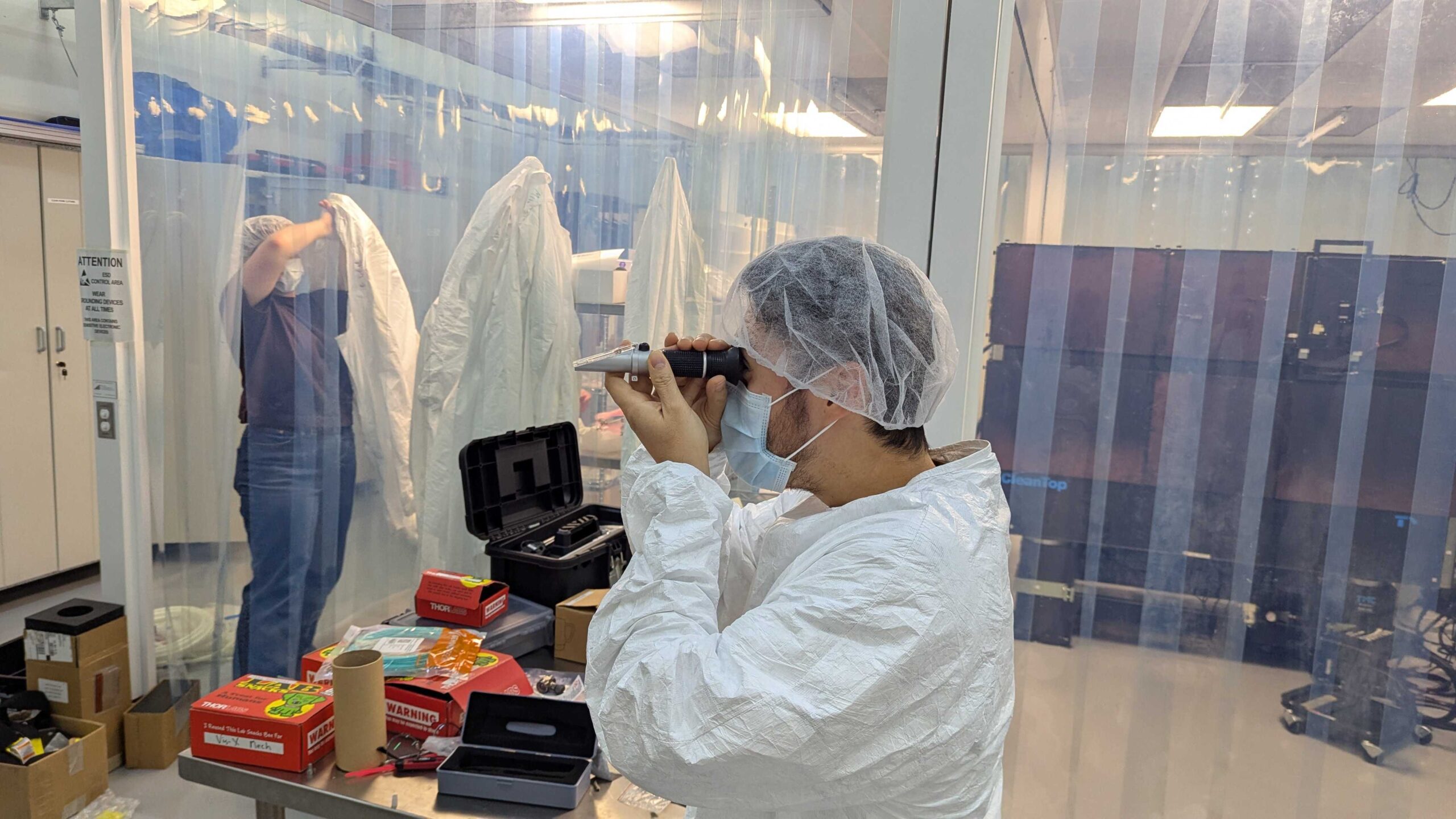
This is now my fourth(!) observing run, and they’ve all had a unique flavor to them—but if there’s one thing I can count on, it’s sleeping like a brick the first night at LCO after 30+ hours of travel. This morning the three of us were feeling sufficiently back-from-the-dead, and we hit the ground running on getting MagAO-X ready to be on-sky this Thursday. We started out with some plumbing, removing the pink goo that builds up in our glycol filter and giving it some brand-new o-rings to prevent leaks. Once we confirmed cooling was up and running, Parker took some time to work on his accelerometers while Jared and I brought stagebs back to life:

After lunch I took some time to hide in my room, stare at plots of Xs and Os, and question the stability of both my control systems and possibly my own mental state (the timing of this midterm was kind of inconvenient). At about the same time, two wild postdocs appeared, one of which had gotten much more sleep than the other. The more well-rested postdoc and I took a walk up the mountain and we introduced him to the cleanroom, the library, and most importantly, the espresso machine.

The rest of the afternoon was spent aligning Miles’ polarization generator so that we could capture nice flat fields on both the camscis. Not too bad for having only been at LCO for a few hours.

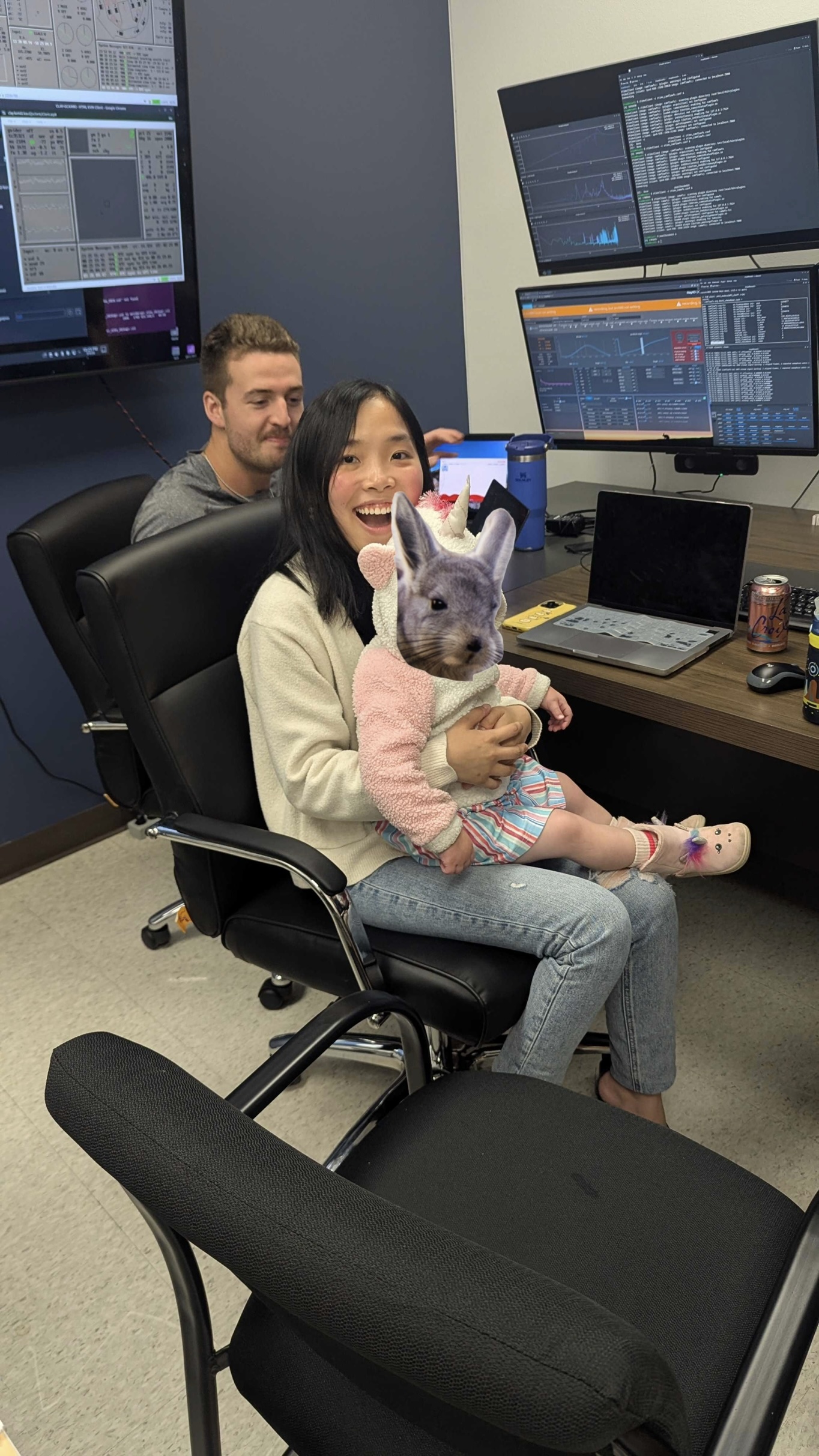
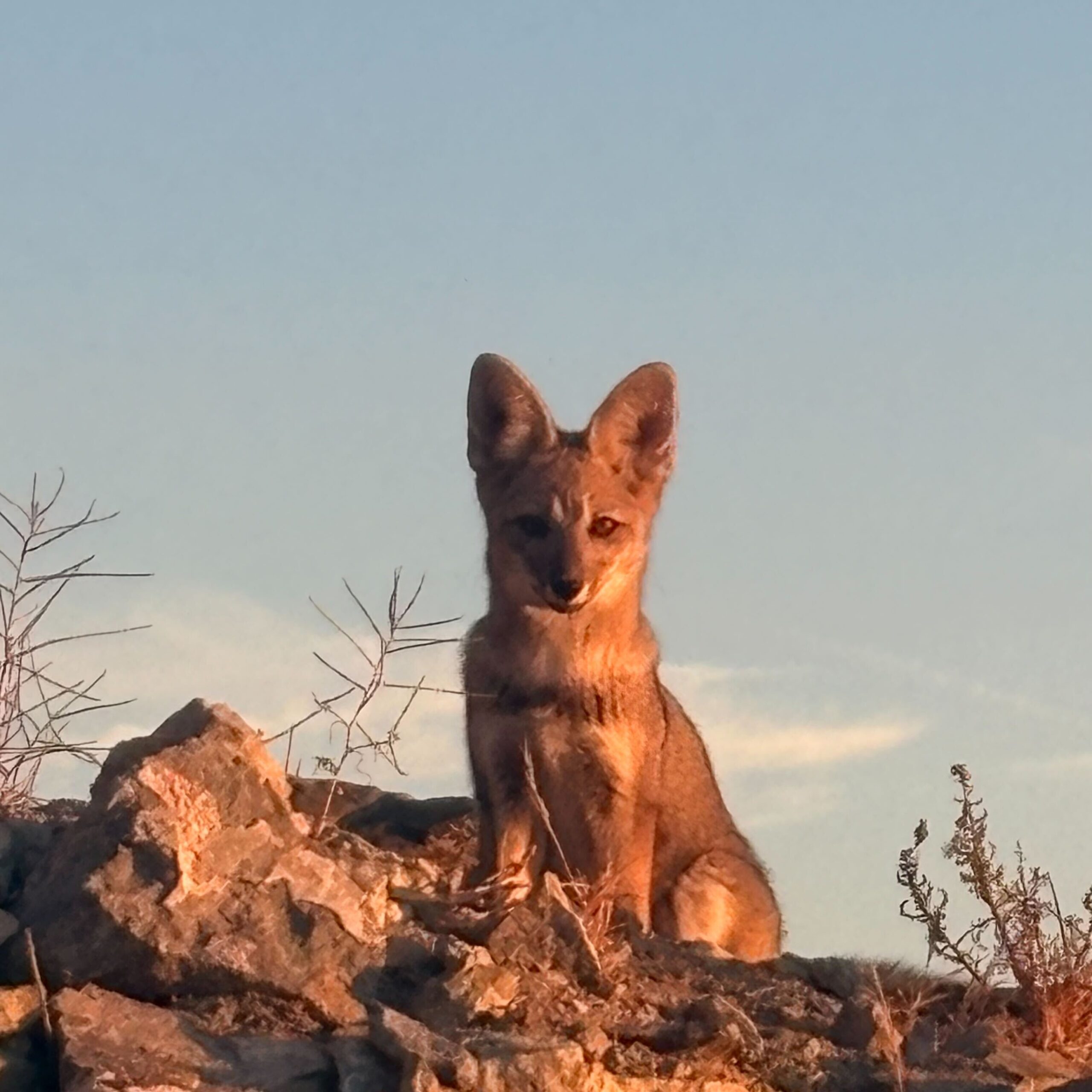
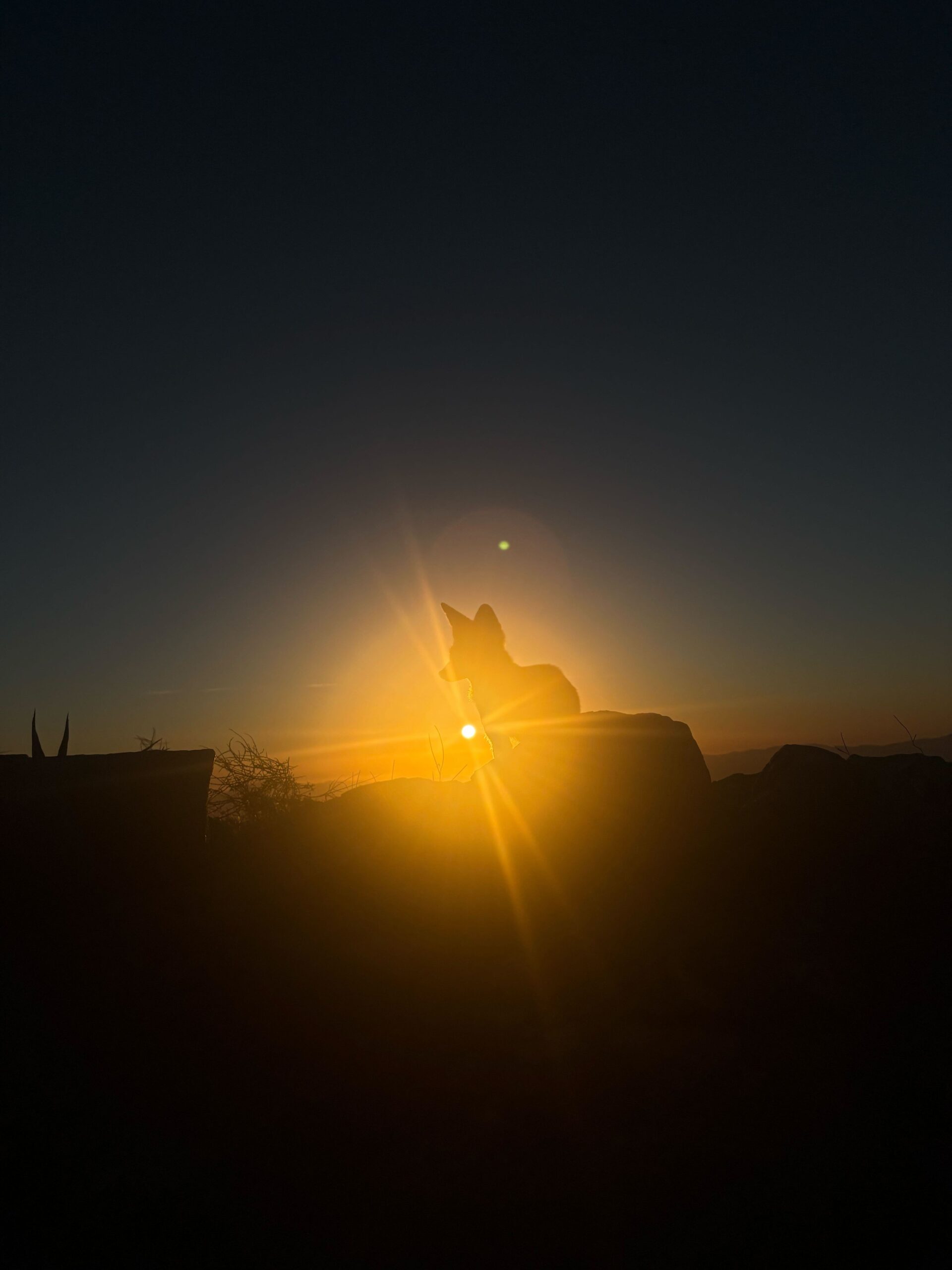
We haven’t yet been graced by the presence of cleanroom vizzys, but Carlos el culpeo was feeling mischievous and photogenic tonight, and we are all the better for it.

Random fun fact of the day: did you know that one of the world’s largest viruses, Megavirus chilensis, was discovered in water samples from the coast of Chile in 2010 and is larger than many bacteria? 

Song of the Day:

Bring Me To Life – Evanescence

AO Summer School Part I: Santa Cruisin’

Don’t worry, folks–we’ve heard your begging and pleading for more XWCL #blogtent, and the time has finally come. This blogbuster series will come in (at least) three installments, each from a different POV, as we embark on our one-week AO crash course here at the University of California, Santa Cruz. We’re pulling out all the stops: a brand-new cast of guest stars, some of the old regulars, top-tier science, and (with a little luck) a banana slug or two. Buckle up.

No, seriously, buckle up. It turns out that Highway 17 between San Jose and Santa Cruz is no joke, and we were in for quite the ride to UCSC campus. California traffic may be a little foreign to me, but even I could tell that something was up as our Uber driver bobbed and weaved through gridlock in residential neighborhoods for the first 20 minutes. Turns out there was a wreck blocking all traffic down the highway and into town, so our driver did what any rational driver would do: he put the car in park, set his iPad on the dashboard, and we all watched Happy Gilmore 2. If you haven’t seen the movie, I will say that I believe dashboard iPad (with the addition of both Spanish subtitles and English Audio Description) was the way the director intended for it to be seen. No photos were taken of this experience, so you’ll just have to trust me–it was ethereal.

Day 1 of summer school was all about introductions: introducing ourselves to the other participants, introducing the instructors, and introducing the foundations of adaptive optics. We’ve quickly made friends with AO aficionados from all over: Canada, Hawaii, Australia, Finland, and South Korea, to name a few. Josh and Parker really hit it off with some new non-human friends as well.

Parker and I got to give 1-minute pitches for our posters, which will hang up all week as fuel for discussions during coffee breaks:

yay for matching MagAO-X templates!

The agenda was packed: In the morning, Dr. Rebecca Jensen-Clem gave an overview introduction to Adaptive Optics for astronomy, and we played a card game themed around closing the loop on an AO system at Gemini North.

In the afternoon session, we had a crash course on geometric and physical optics by Dr. Renate Kupke as well as an intro to AO for vision science by Dr. Nicole Putnam. We learned a ton about the human eye, and about how to look cool in silly glasses:

The day rounded out with a reception at the Center for Adaptive Optics, where two very exciting things happened:

1. We got to use a really nifty wavefront sensor system to measure the aberrations in our own eyes. We’ll get to use the aberration maps and Zernike coefficients calculated by the system in vision science workshops later in the week. This is the kind of geeky biodata I absolutely love. Who else out there gets to measure their eye’s PSF?

2. There was a cheese platter. There was a large cheese platter. There was a large cheese platter that remained mostly untouched throughout the evening. I’m pretty sure you can guess who volunteered to bring the extras back to his dorm. A dream come true.

Since this is the first blog post of this trip, I get to make the rules. I’ll keep it simple and on theme: since we’re enjoying the lovely geography so much, the song of the day must be related to California in some way.

Old Hollywood – Julian Casablancas

MagAO-X 2025A Day 21: MagAO-X Wrapped

If you take a step back and really think about it, the way we celebrate birthdays is pretty weird. Wearing a conical paper hat? Lighting a small fire atop some food and then immediately blowing it out? Sitting awkwardly while everyone in a room sings to you? If you think a little too hard about birthday traditions, they’re all a bit strange.

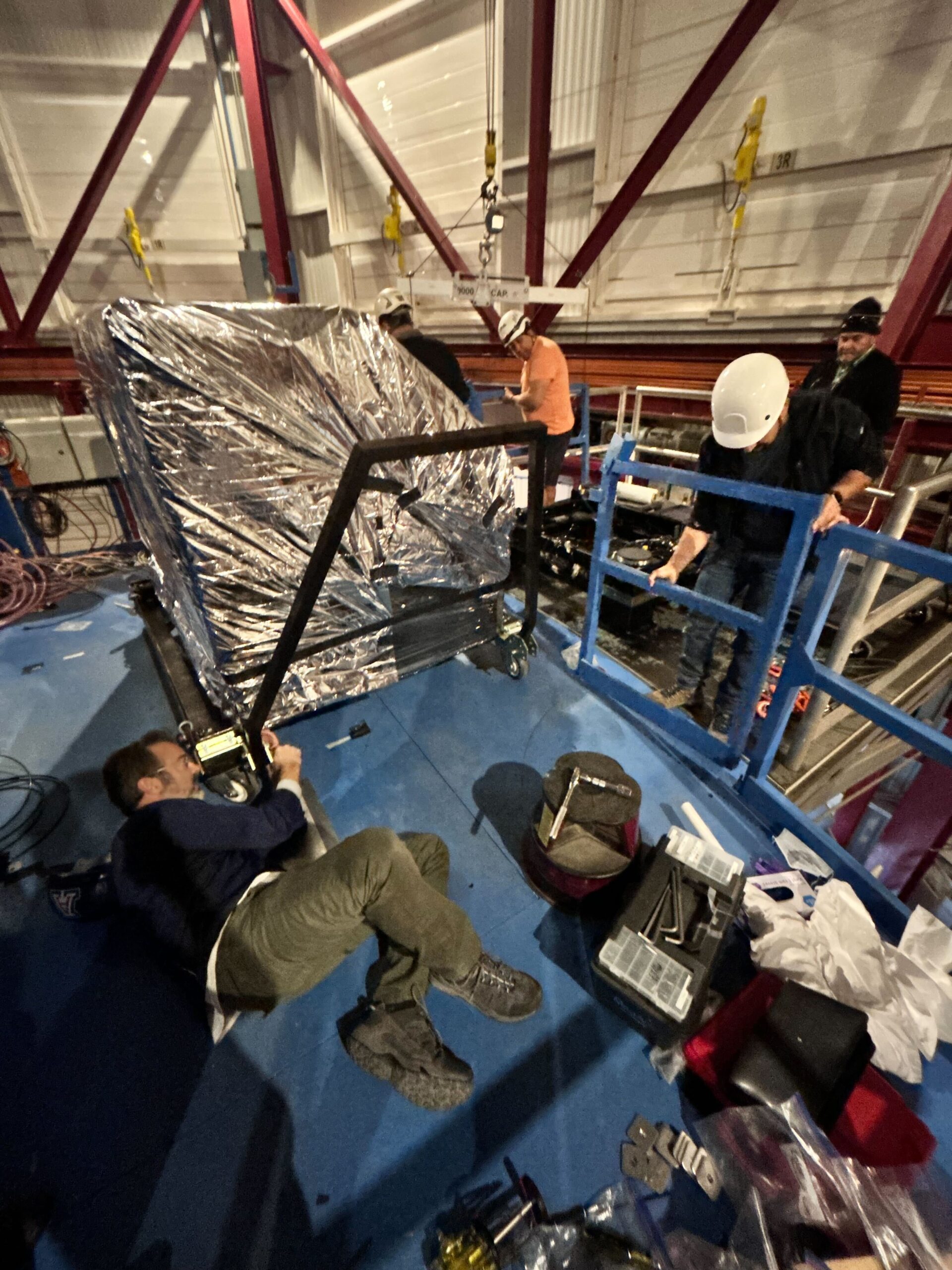
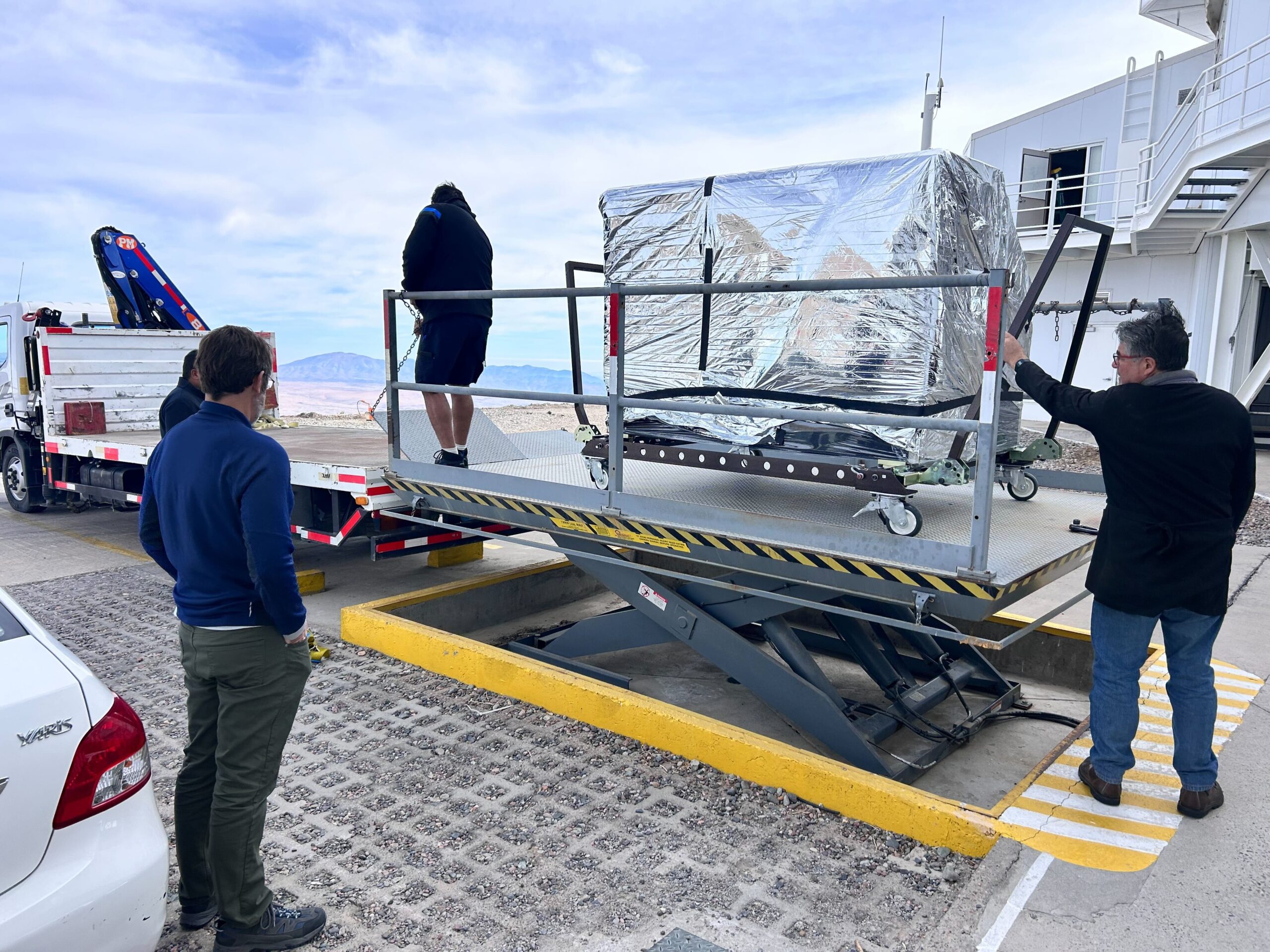
Maybe that’s how we tried to justify the ritual we put Matthijs through on his birthday. Sure, craning and cart-building and wrapping a one-ton instrument in saran wrap and emergency blankets is a little weird. But hear me out: if you look at the big picture, it’s not so much more bizarre than party hats and birthday candles. Plus, I’m certain what we unwrapped today was orders of magnitude more expensive than any birthday present any of us has ever received.

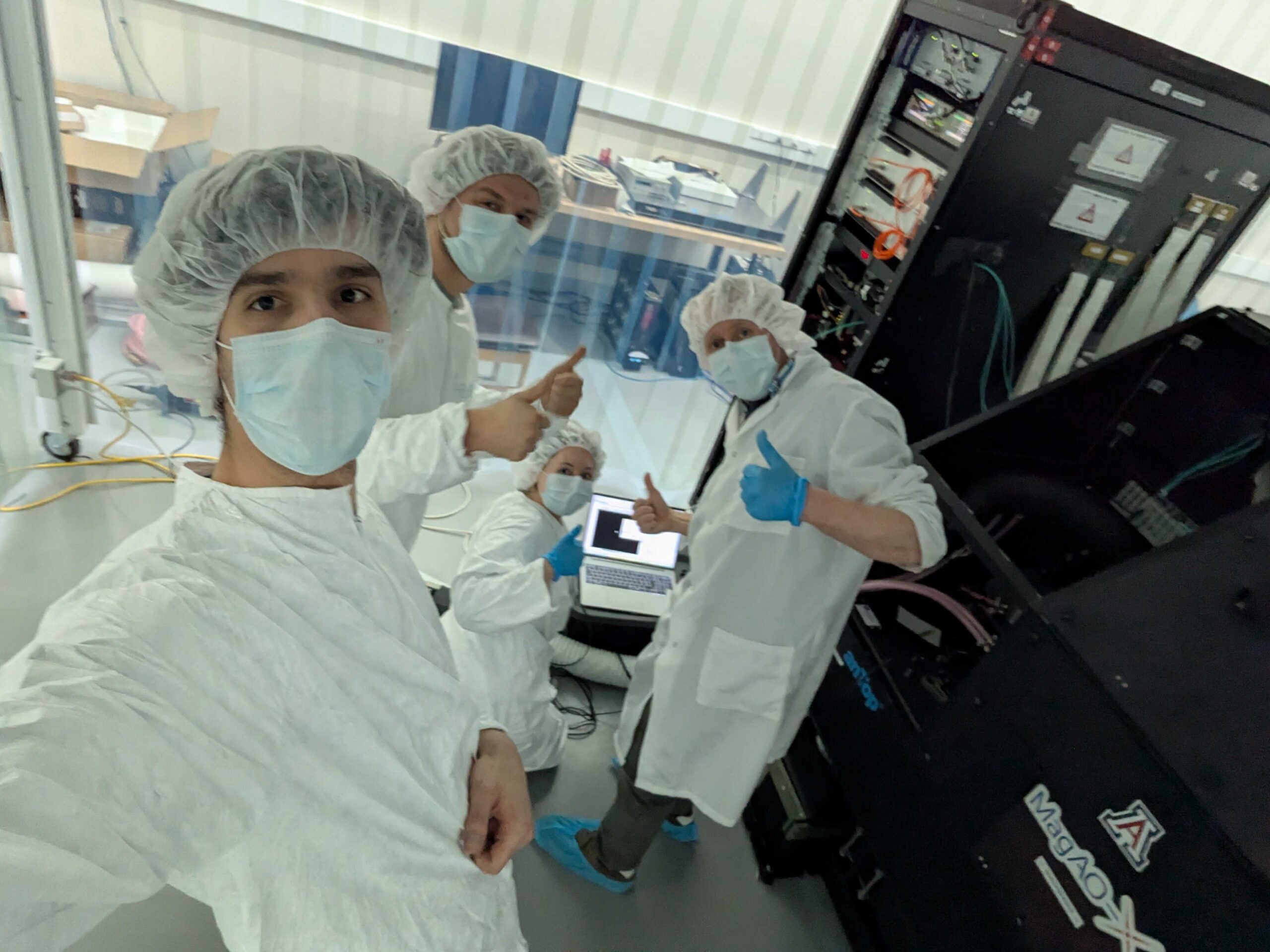
I’m talking to you from the perspective of the day crew, who went to bed while the night crew braved the last few (not ideal) hours on-sky at the telescope. Laird, Elena, Matthijs and I were up bright and early to begin the process of moving MagAO-X from the Nasmyth platform down the hill to its temporary home in the cleanroom. This involves hard hats, steel toes, and a whole lot of bolts.

all smiles

We had gone over the procedure with the LCO staff the day before, so the day’s craning operations went smoothly. Before we knew it we were loading the instrument into the cleanroom, followed by the legs and the electronics rack. After some more craning, cart disassembly, and an unexpected battle between the instrument’s caster wheels and the cracks in the floor, by 3pm we were ready to pass the baton back to the day crew.

They expertly finished what we started, cabling up all our electronics, including the DMs, in record time.

“How do a bunch of guys . . . build all this?”
“The same way [people] built the pyramids, and the Great Wall of China.”
“Yeah. The aliens helped them.”

After this, a few of us are staying an extra day to set up remote ops so we can keep working until we see each other again at LCO for 2025B. We’ll be far away from each other, but we promise not to be distant.

Song of the Day:

Plantasia – Mort Garson

MagAO-X 2025A Day 12: Step Up to the Plate

Like our new friend Emi mentioned in her blog post, there were a lot of us on the mountain yesterday. Josh, Eden and I rolled up to LCO that morning after a smooth trip from Tucson, and Matthijs joined us later that afternoon. As fun as it was to have (nearly) the whole crew down here at once, the arrival of reinforcements meant Parker, Jay, and Alycia all headed down into La Serena this morning. We wish them better luck in their journey home than they had on the way here.

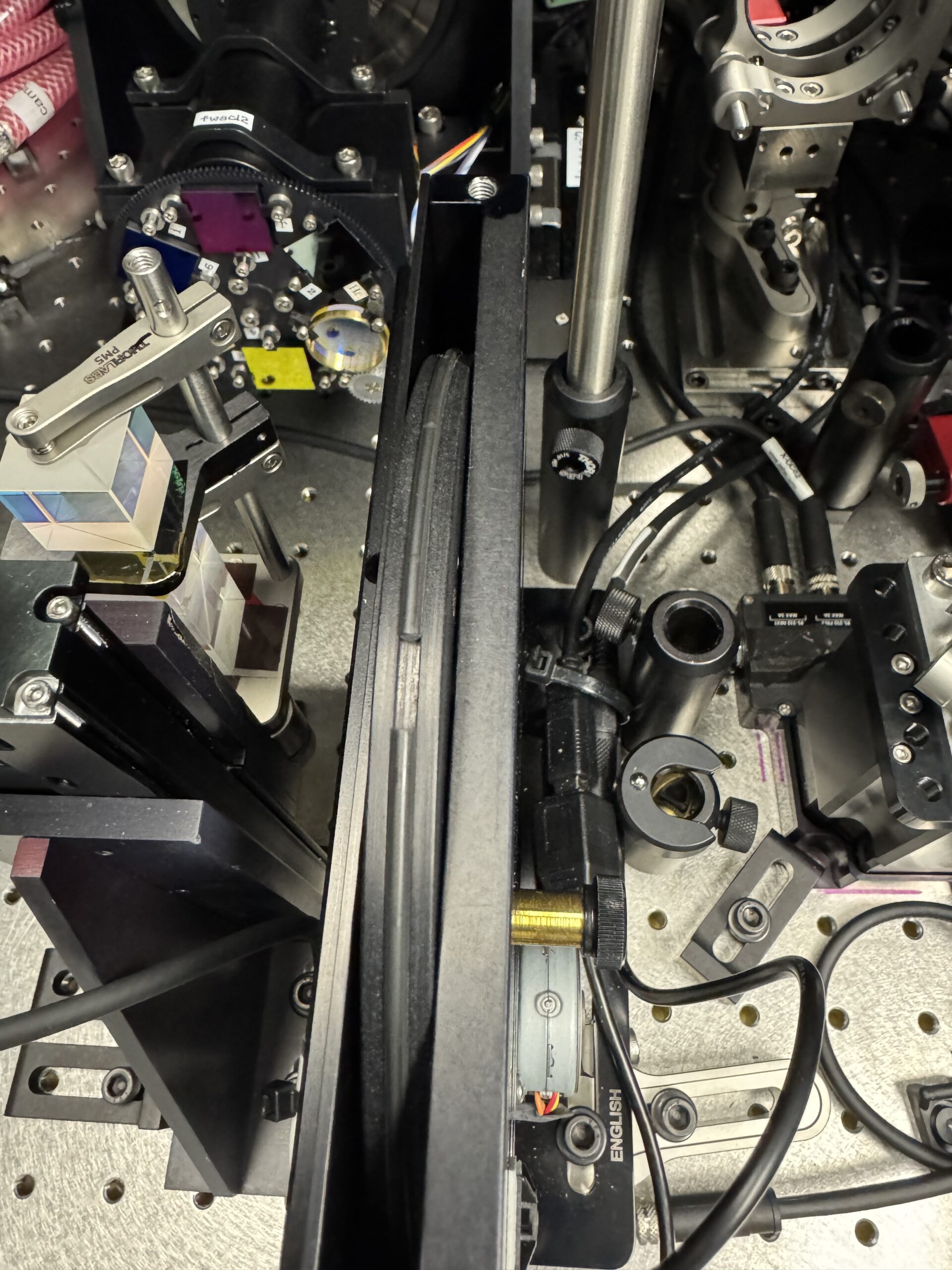
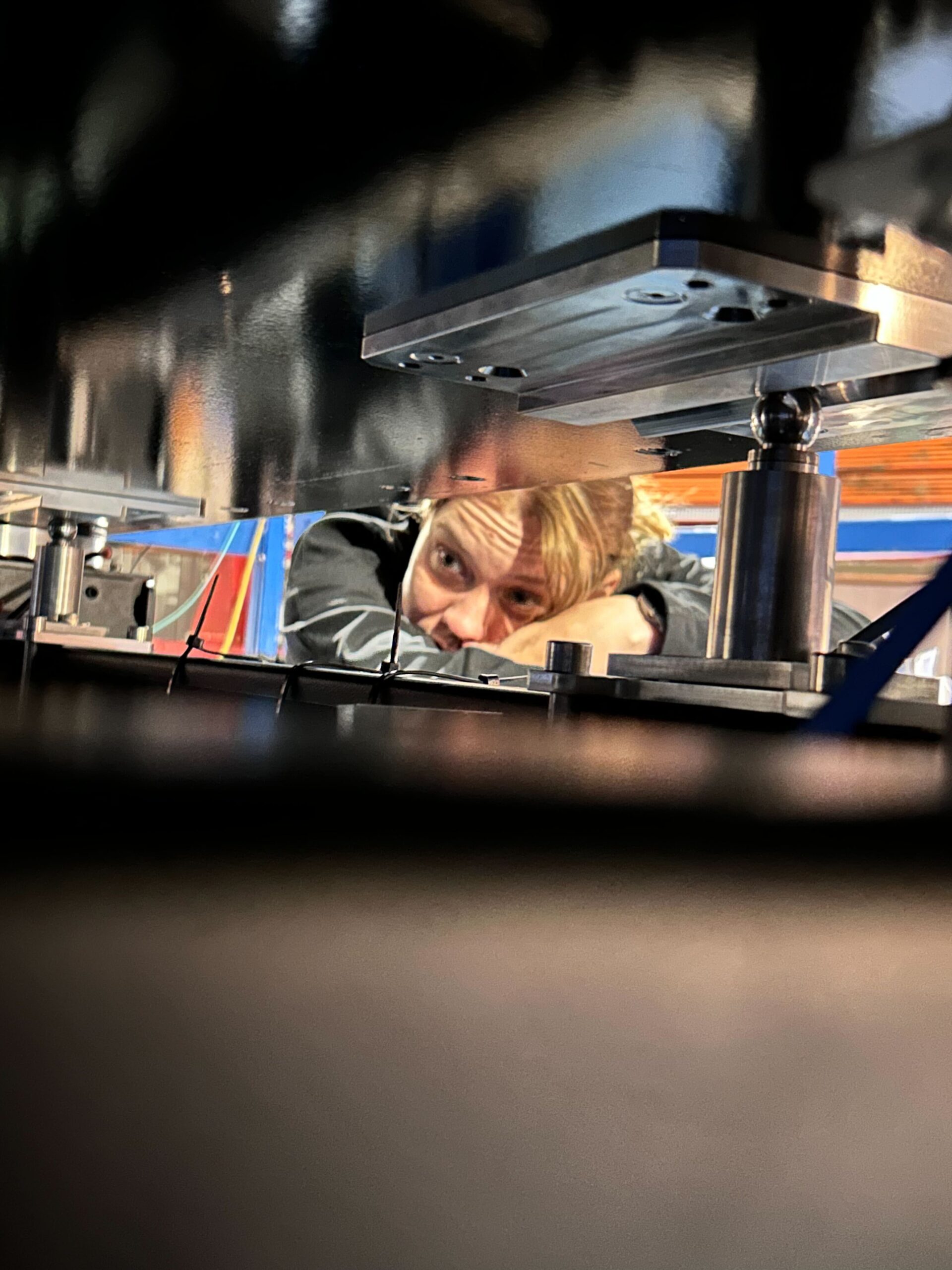
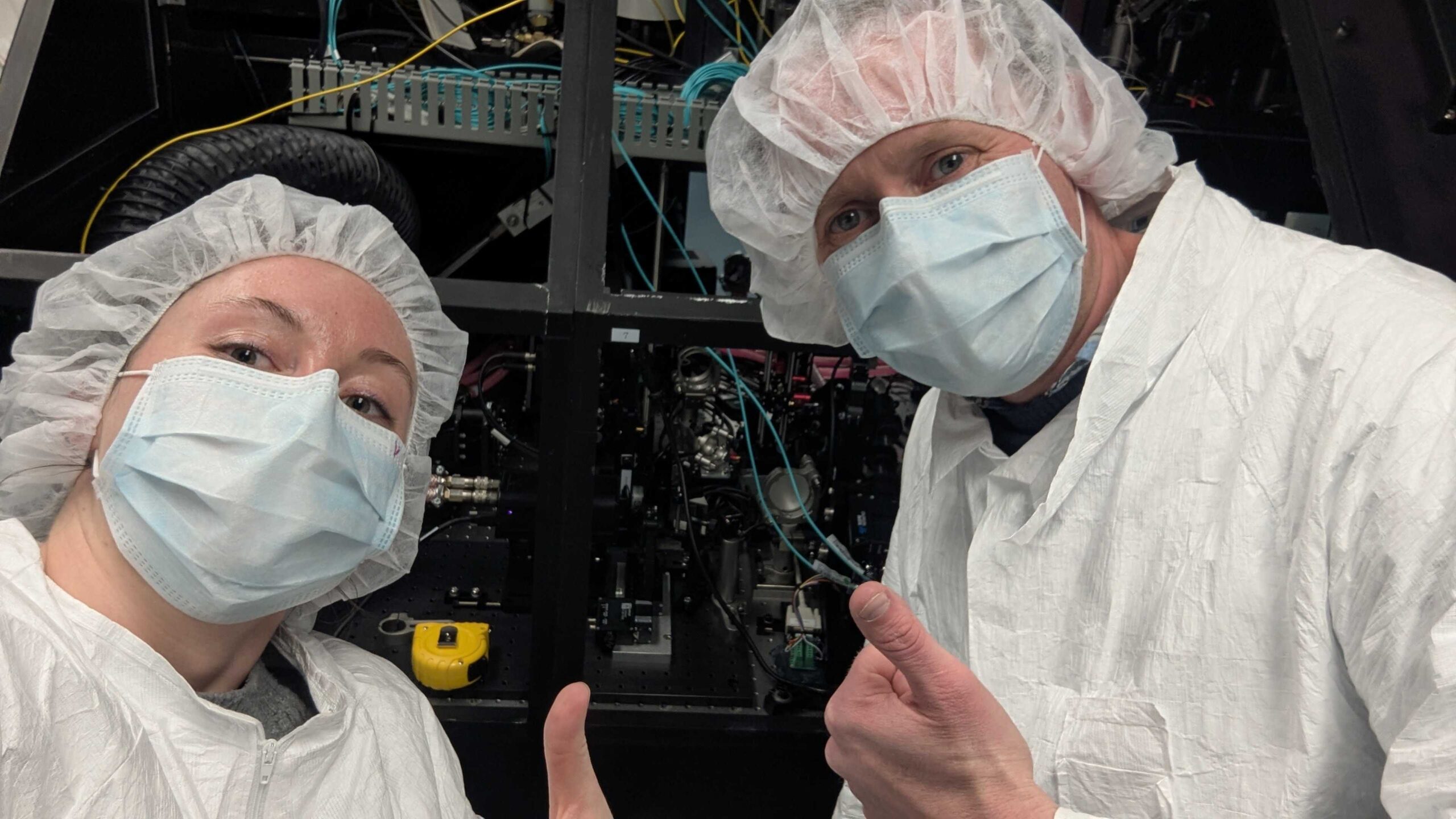
Before I talk about tonight, I would be remiss if I didn’t shout out the alignment work that Laird and I did yesterday afternoon. With only the power of a ball driver, a suction cup, and a pair of tweezers, we managed to correct the mis-clocking of one of our Lyot coronagraph masks. If you think you have steady hands, try holding them both at arm’s length on-and-off for two hours while navigating a minefield of extremely sensitive optics that stand in your way. This was a task not for the faint of heart—or the large of hands.

the way the spiders line up is *chefs kiss*

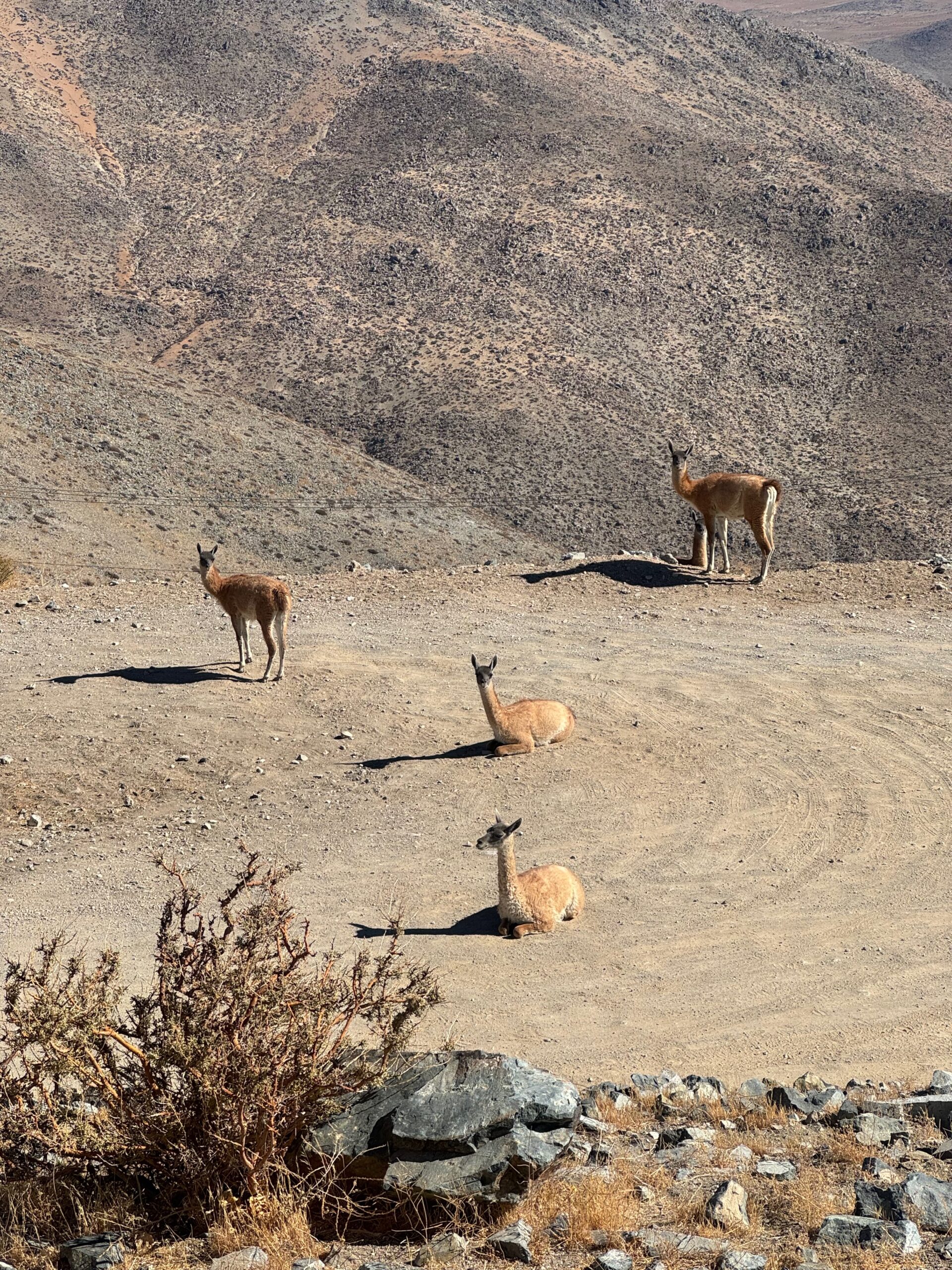
We had a beautiful albeit chilly sunset to kick off our night. Logan and Emi went vizzy-spotting, because it is simply impossible to have too many viscacha photos.

a good omen

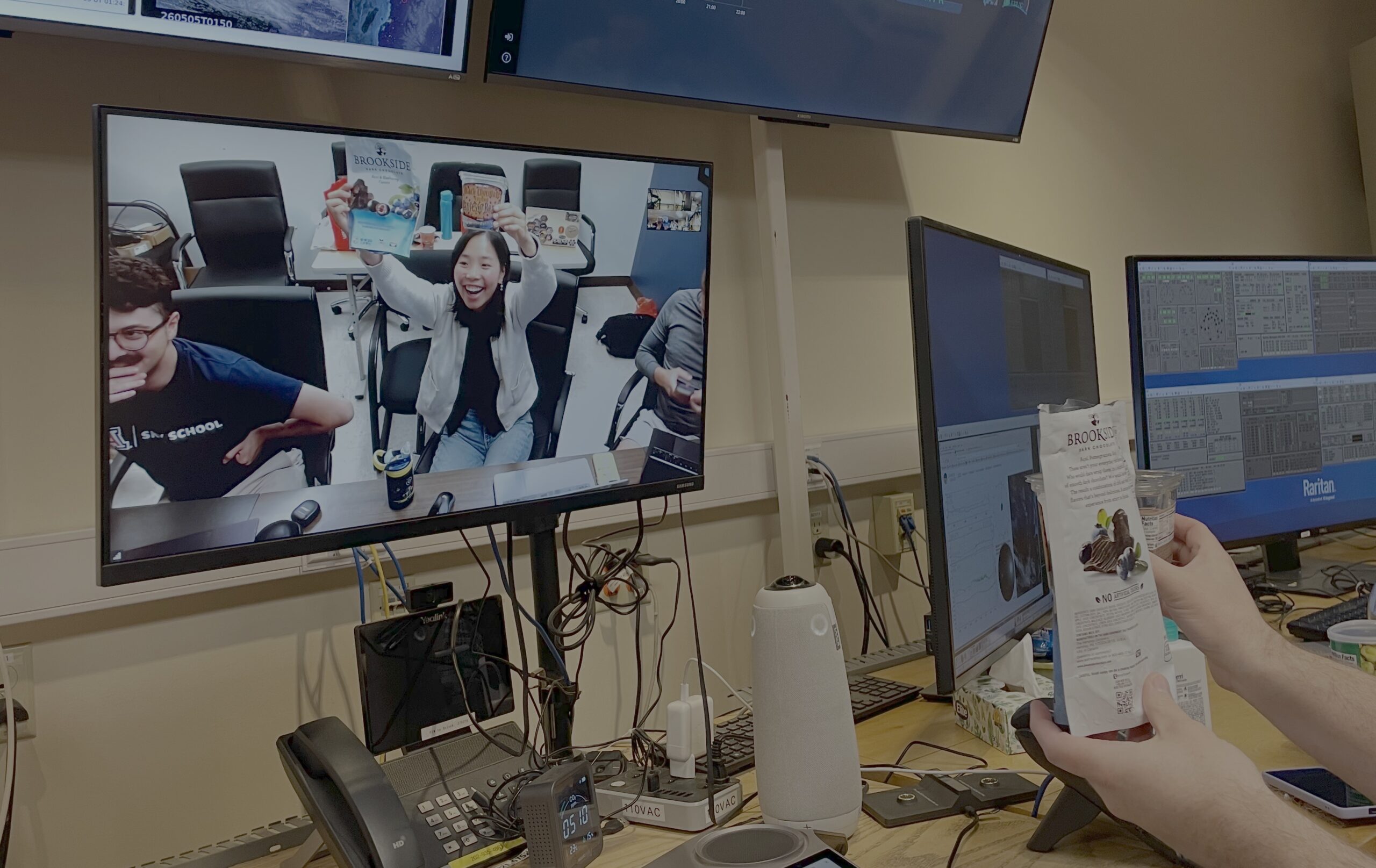
Tonight we took a lot of data in MagAO-X’s Hα mode, which is a mode of operation that we use when we’re looking at young systems undergoing active planet formation. The first half of the night was dedicated to our collaborators at Michigan, and we spent the second half observing some targets from our very own Laird Close and Jialin Li. Because Jialin joined on Zoom, we were blessed with a reluctant guest appearance from Jujube:

Conditions were decent, so science went on pretty much uninterrupted for the entire night. At the end of the night the wind started to pick up, but we didn’t let that stop us from taking data until it started to get light outside.

“That’s no moon . . . it’s a space station!”

In other news, we’ve been making some critical advancements, pushing the boundaries of extreme AO beyond what has ever been seen before. No, I’m not referring to automatic gain optimization, or coronagraphic low-order wavefront sensing, or even electric field conjugation for quasi-static speckle nulling. Instead, I’m referring to Maggie-OX: our trusty computerized voice that, among other things, now contains a variety of . . . walk-up songs? Picture this: you’re about to sit down at the AO station in the control room. You’ve got a long night ahead of you, battling r0 and τ0 and all the other nuances that come with extreme AO operation. You’re a little stressed, and more than a little tired. Then, suddenly, in the distance, you hear it: the little speaker at the control station playing your specifically-designated hype music. People are clapping, cheering even. You’re sauntering up to the computer in slow motion. Fireworks explode in the background. It’s a scene straight from a movie. You were born for this.

Okay, maybe it’s not that dramatic. But it is fun to have a theme song, and laughter makes the nights go faster. It’s the little things.

Song of the Day:

Just Like Heaven – The Cure