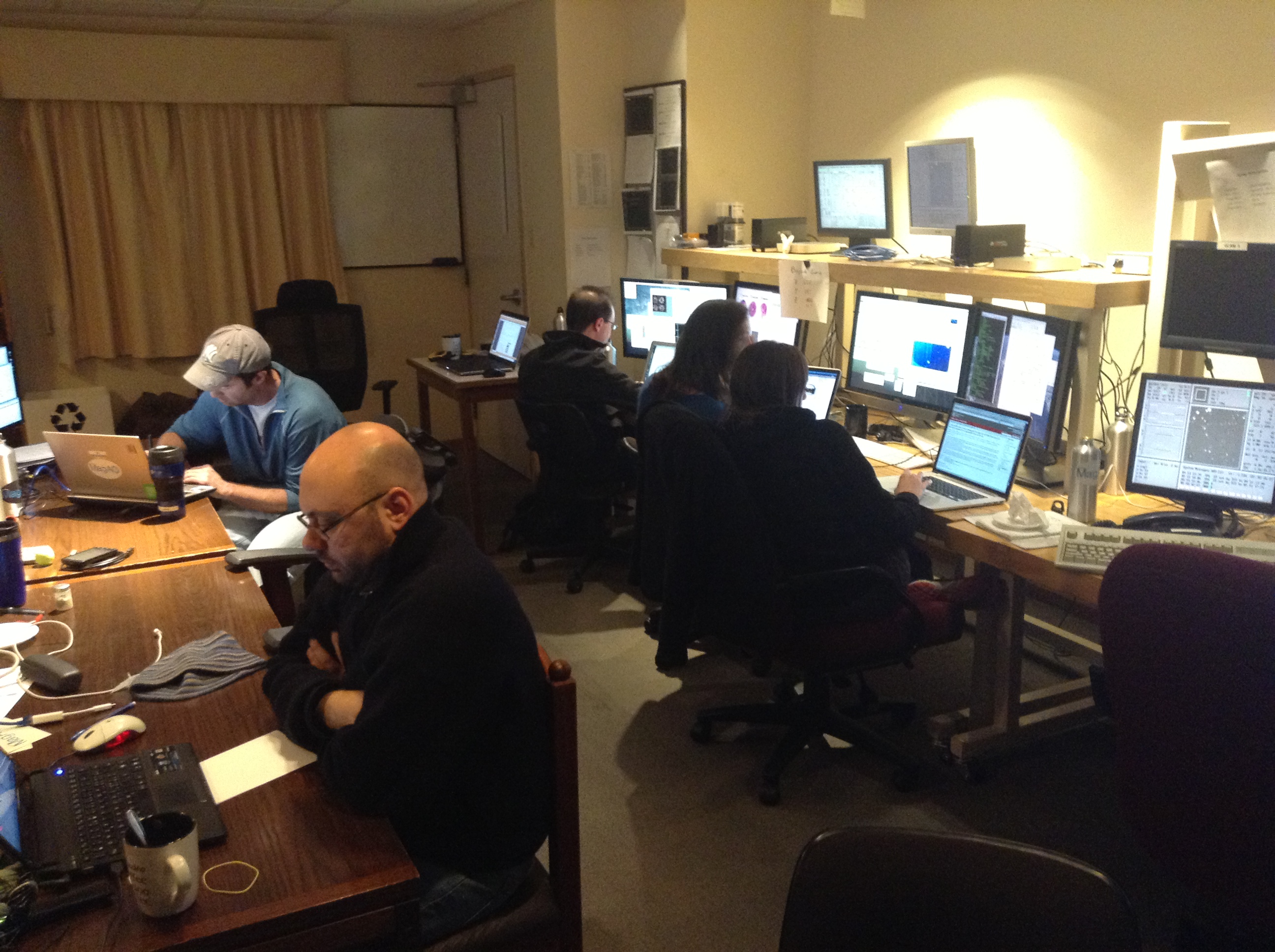
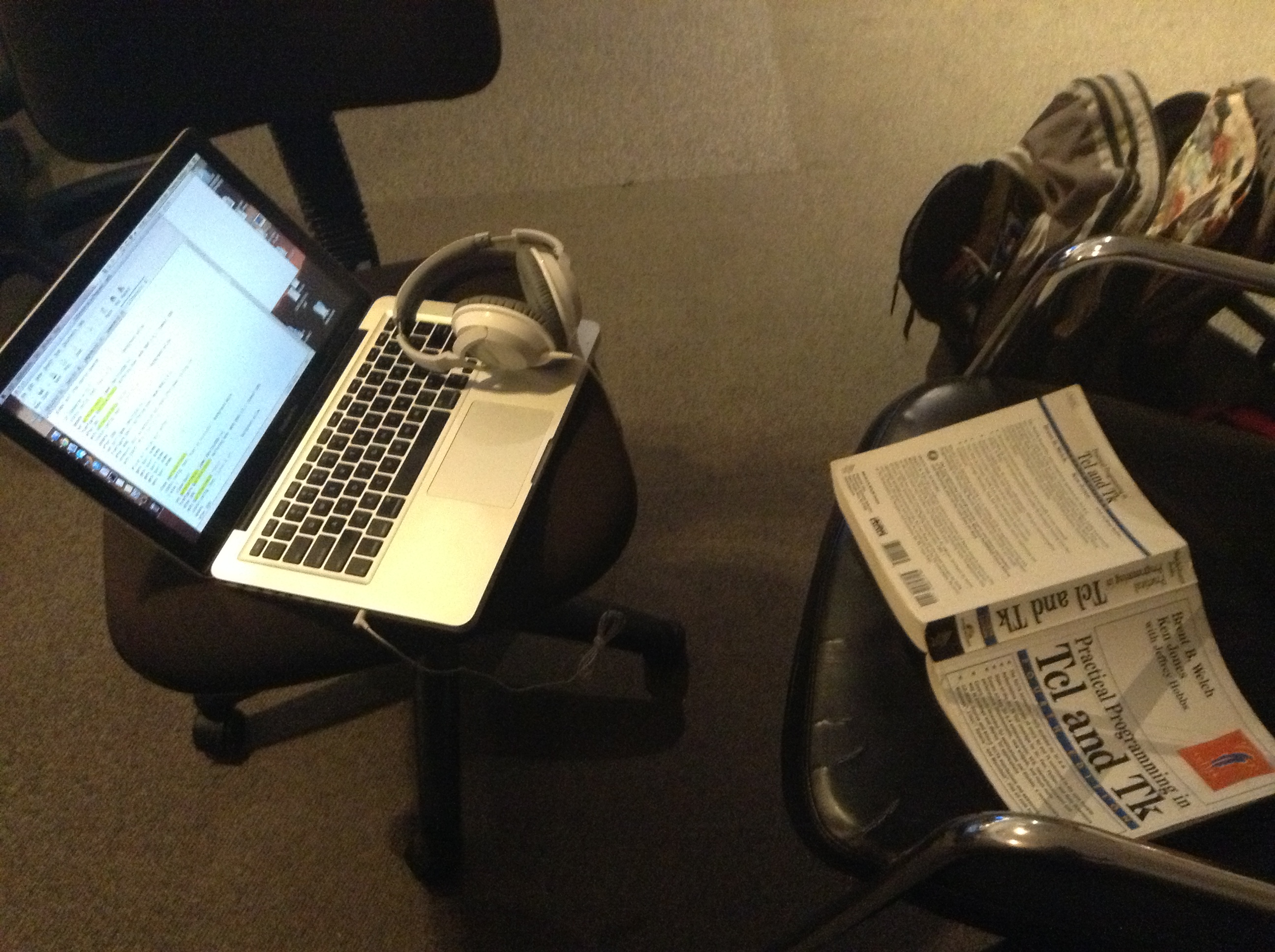
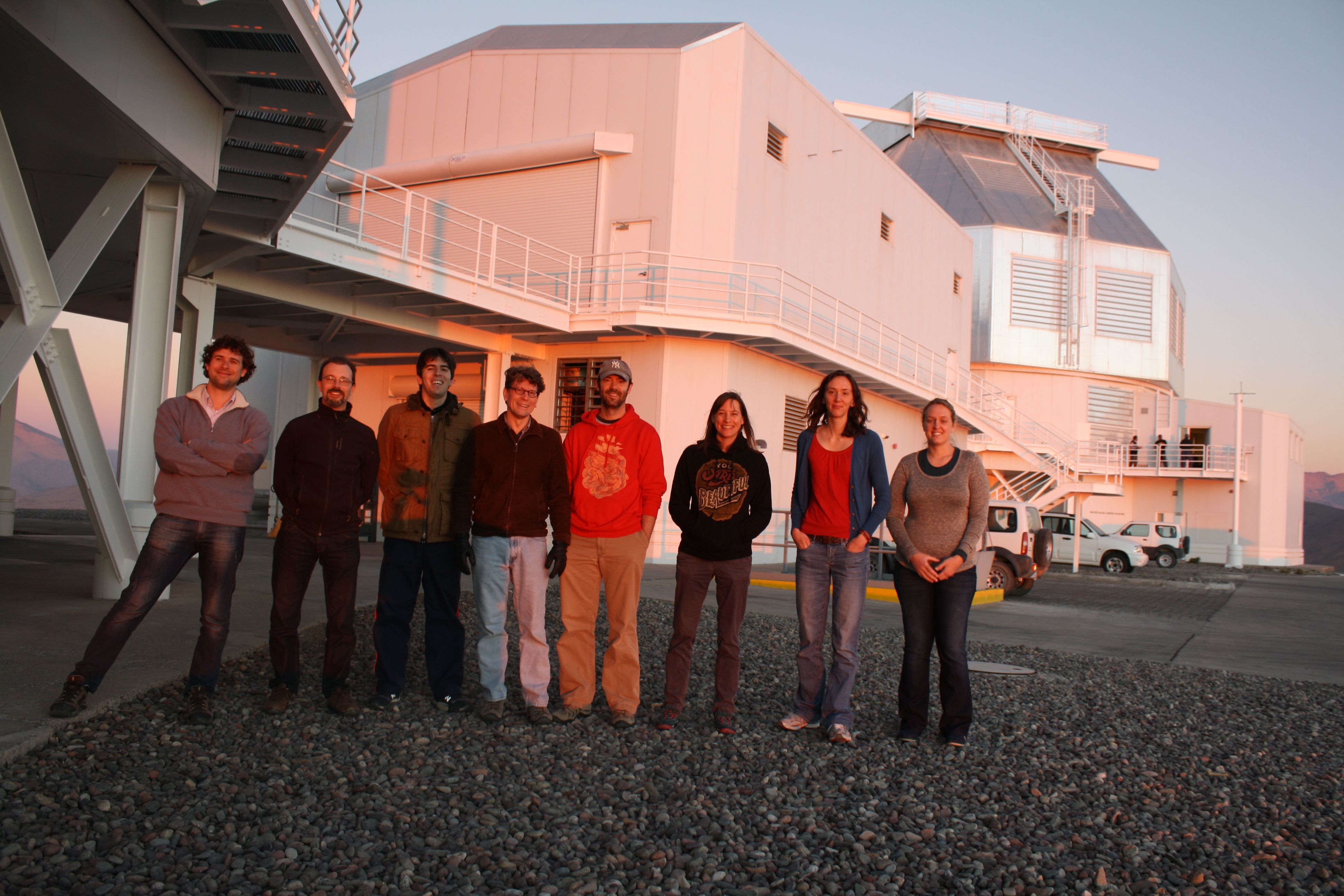
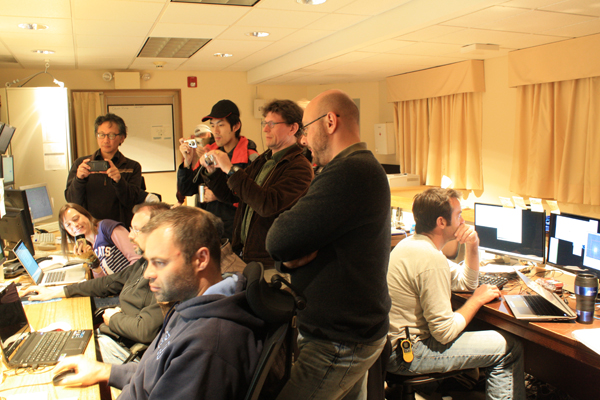
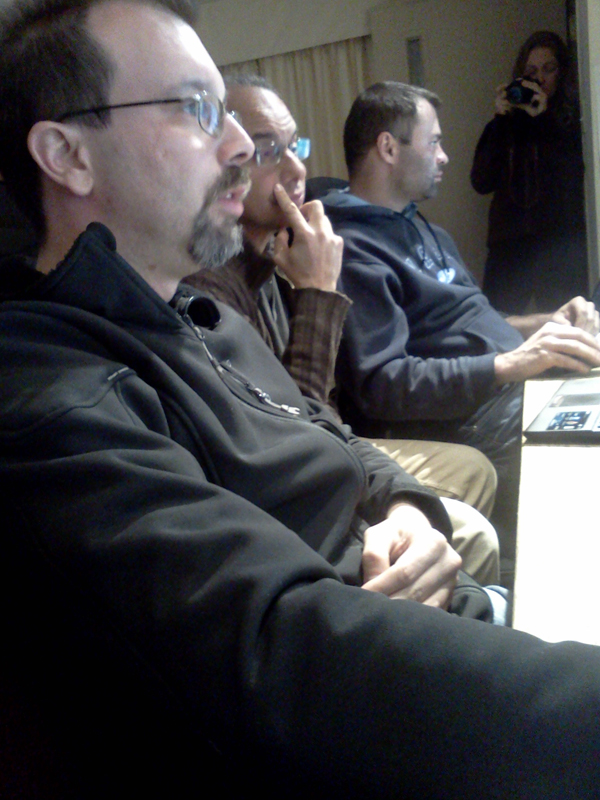
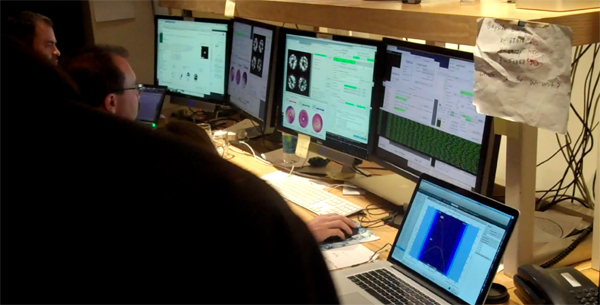
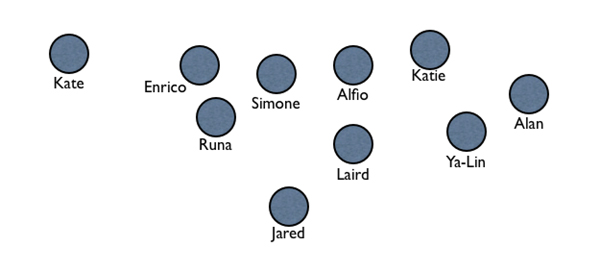
The last of the MagAO team left LCO today. So long and thanks for all the spatial resolution! Since we didn’t all overlap, here are the 3 group pictures we took that captured everyone who came on the commissioning run:


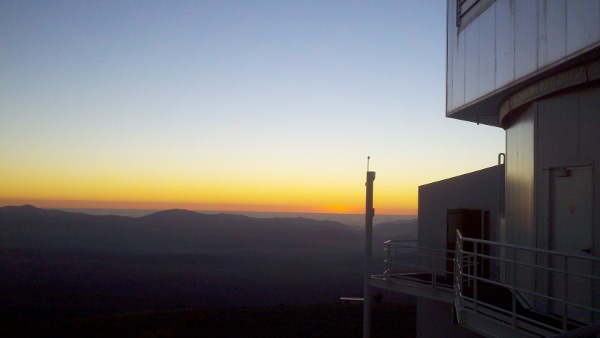
Home of MagAO and MagAO-X.
The last of the MagAO team left LCO today. So long and thanks for all the spatial resolution! Since we didn’t all overlap, here are the 3 group pictures we took that captured everyone who came on the commissioning run:


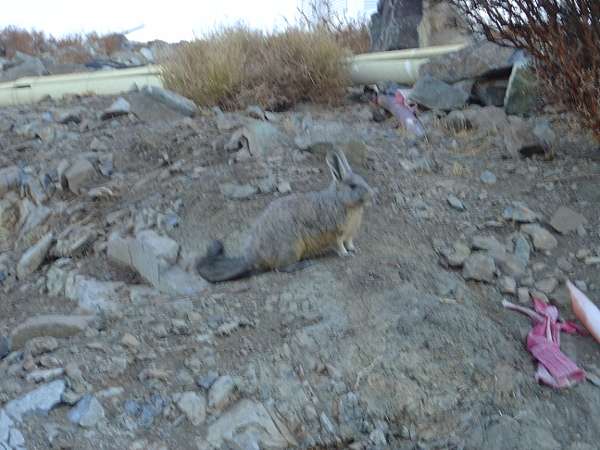
Hola, it’s Vizzy! I work hard to keep my fur fuzzed, so I was asked to do a special guest post on LCO style. MagAO has been immersed in the culture of LCO for a month, and they are a stylish bunch indeed. Here we go!

LCO is a pretty stylin’ place.

What with the jumpsuits,

clean room attire,

ASM-handling accessories,

hard hats,

and steel-toe shoes…

MagAO worked at LCO in style.
LCO staff always inspire me to keep up my look:


Laird Close, the PI of MagAO, is a style leader as well.

Laird brought with him a plethora of Italians, Arizonans, and Californians to put together MagAO.


In conclusion, I will miss this stylish team when the last of them depart LCO tomorrow. Thanks for always taking flattering photos of me, guys! And see you in 2013A!

This is my least favorite part: packing everthing up, getting organized, finding all of our lost allen wrenches, and taking a zip-tie inventory.

The ASM came off the telescope yesterday, and rode down the hill first thing this morning.

The last major operation was to unbolt and crane the NAS off the telescope.


Once the NAS came off, we got a look at the W-Unit for the first time in a few weeks. Here’s our wollaston beamsplitter, which helped deliver some amazing SDI science at visible wavelengths.

Kate, who is using the VisAO SDI mode to study disks around young stars, had never actually seen the fully assembled instrument before. Here’s a picture of me and Kate after a quick tour of the components she’s been operating the last few nights.


We also cleaned up some of our, shall we say, less rigorous engineering solutions.

Laird’s folks happened to wander by today (why are you surprised? it’s not like we’re on a mountain top in a remote area of South America or anything). As is his wont, Laird put them to work settling the ASM into the clean room. I hear they helped flip it back to zenith. Perhaps even more appreciated was a chocalate fix for certain members of the team who didn’t plan very well.

Quote of the day:
“We should come up with something that looks less like garbage. I mean, it’s well decorated garbage. But.” – Povilas Polunas.
When you bring an expensive, delicate instrument to an observatory, you want there to be people like Juan Gallardo who put their full attention and serious effort into the procedures and operations for mounting and dismounting your instrument. Yesterday evening, we all met in the library/conference room, and Juan briefed us on the procedure to be taken today and tomorrow in removing Clio, the ASM, and the Nas from the telescope. Juan has been taking pictures and detailing every step, the whole time we’ve been here, and he put together a detailed and thorough document. Today the procedures were followed to safely and successfully remove the ASM and Clio from the telescope; tomorrow we will remove the Nas and store the ASM. Here is a picture of Juan:

So today we were back to a day schedule. Laird supervised Nas uncabling and ASM removal. T.J. supervised Clio uncabling and removal. And Juan managed the LCO crew, for a safe and successful instrument removal.


After the dome closed at sunrise we shutdown VisAO, Clio2, and the ASM. Here are the big moments.
(Don’t get the wrong idea. We all actually love Clio – it just became the scapegoat for any and all problems that occurred in the last month.)
It is indeed time to go home.