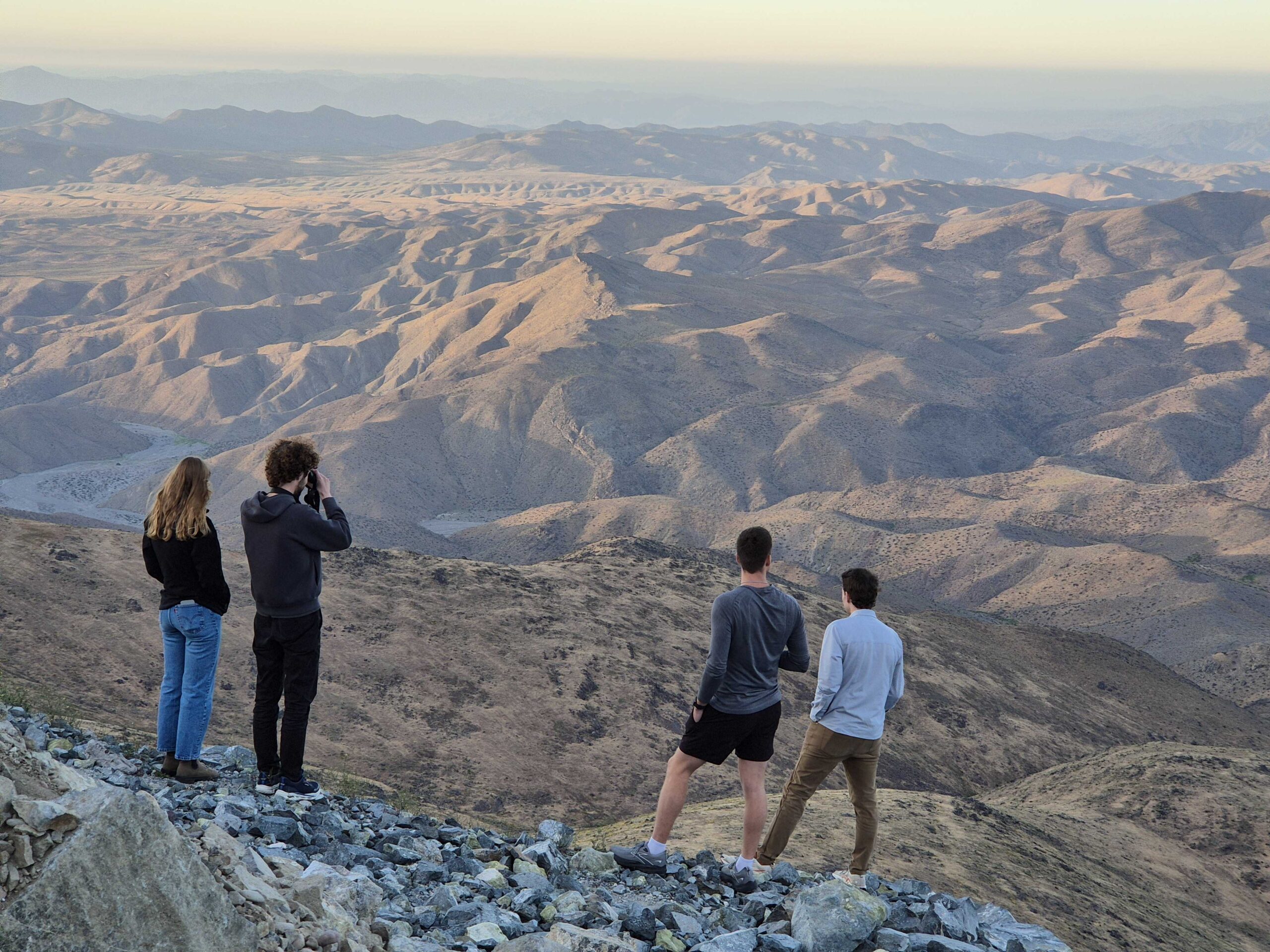
We are halfway through the observing run and have, thus far, spent more time looking at forecasts than at stars.
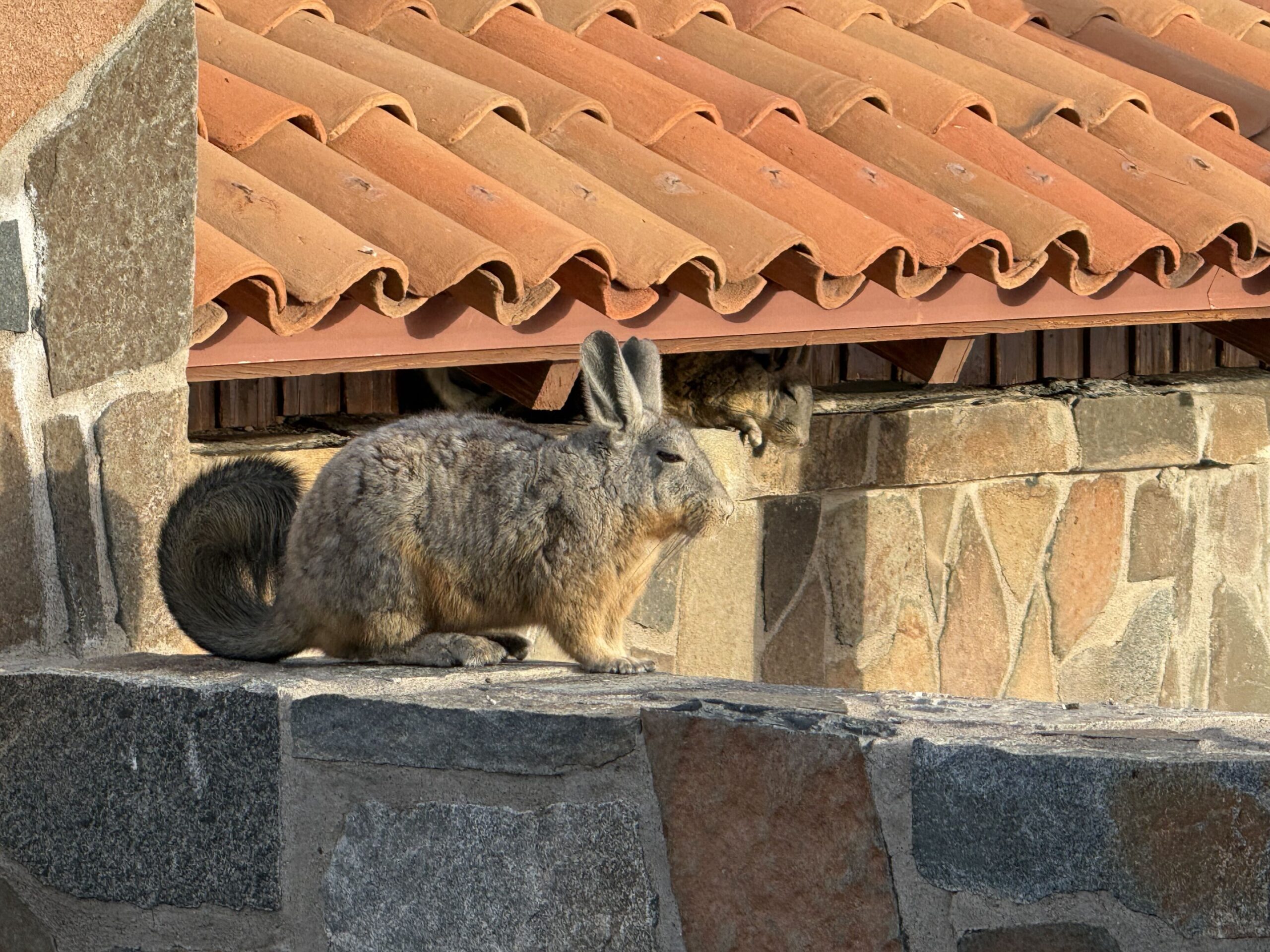
The noble Vizzy too would like fewer clouds and more clear skies.
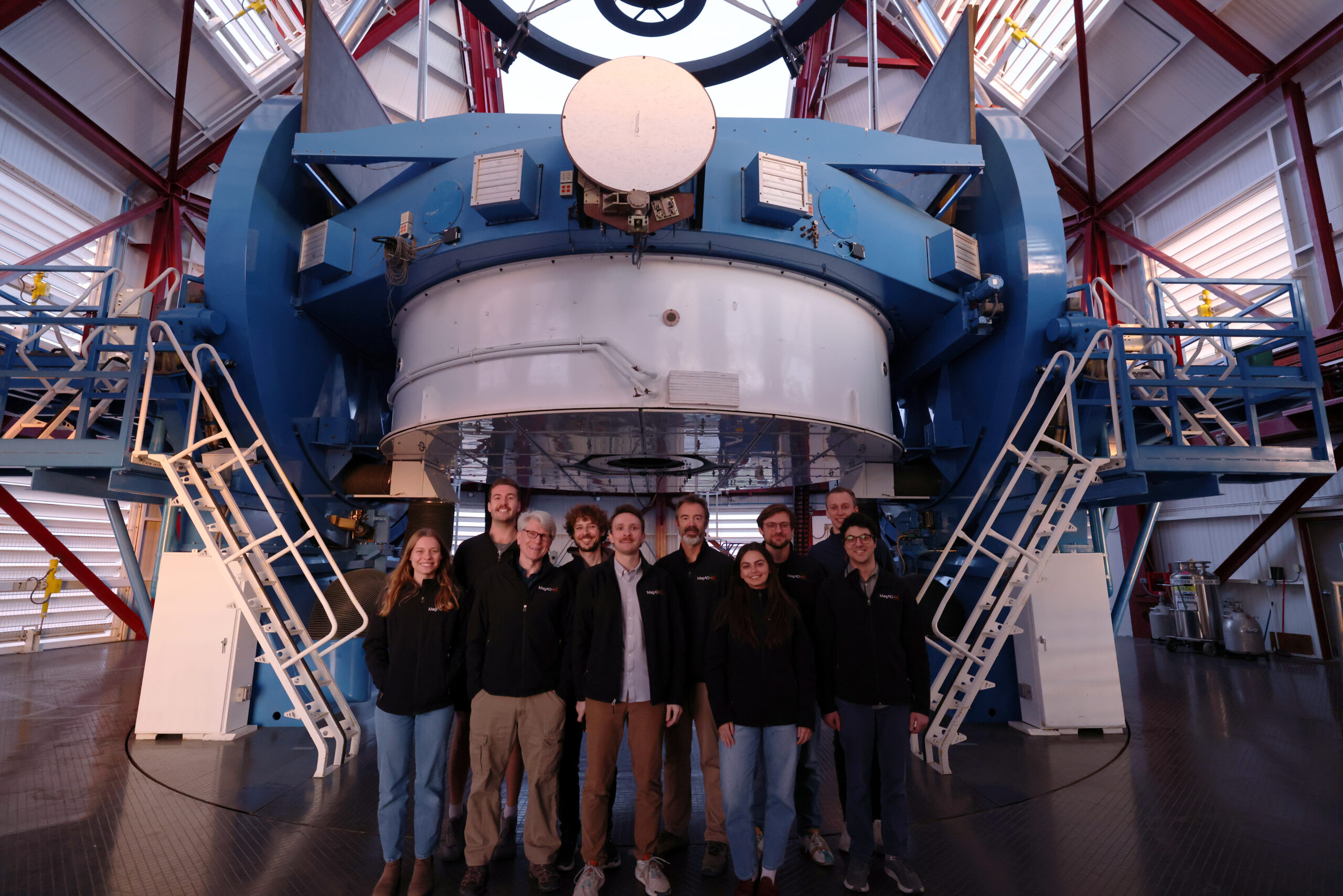
The night began with our traditional group photo–an attempt to restore some normalcy to what has otherwise been an unusual run.
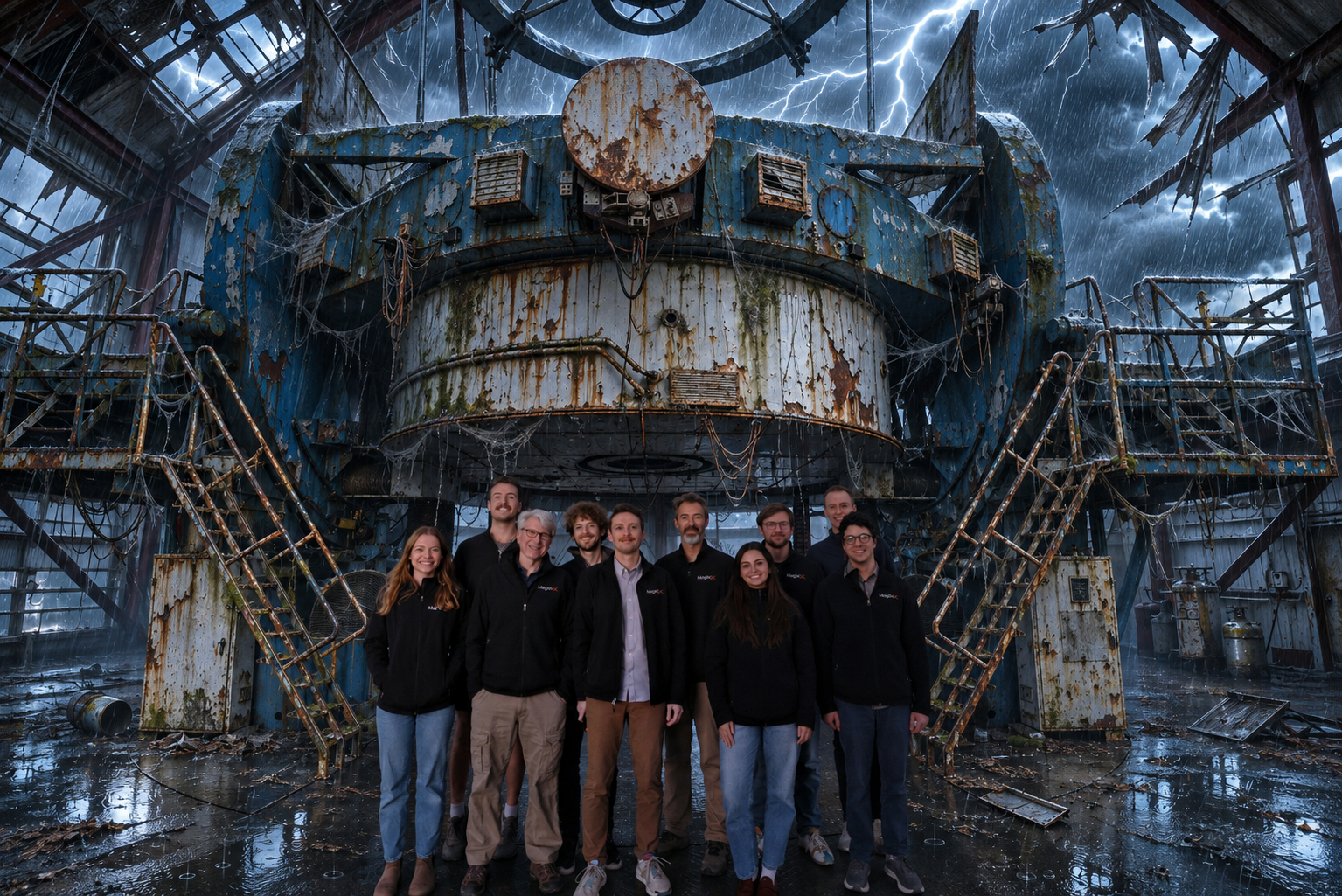
Here is the yass-ified verision:
Perhaps our photo-op was a good omen, as the clouds parted just enough for us to open the telescope.
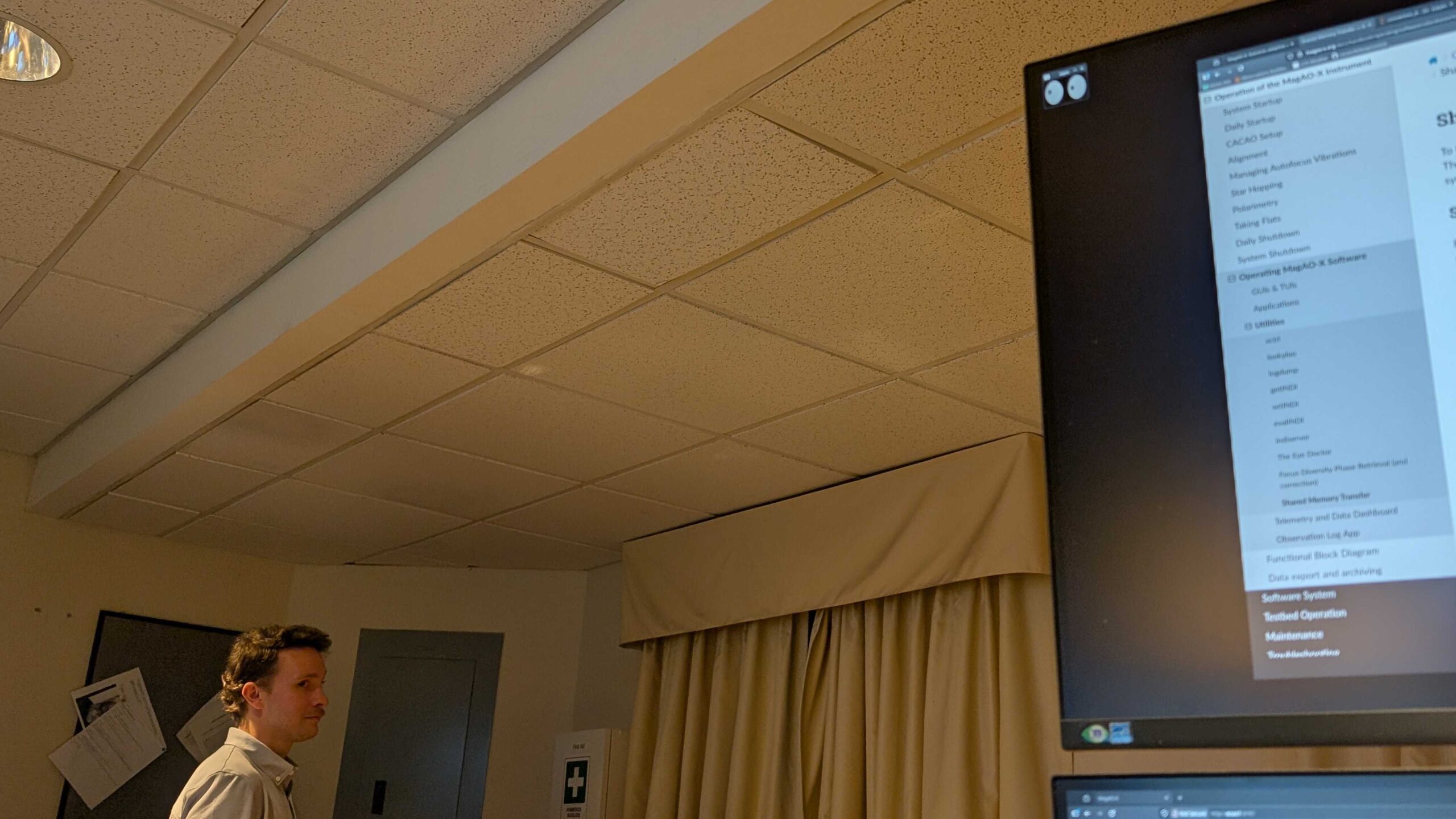
Laird began the night with some H Alpha observations that included the variable star Mira (m-eye-rah).
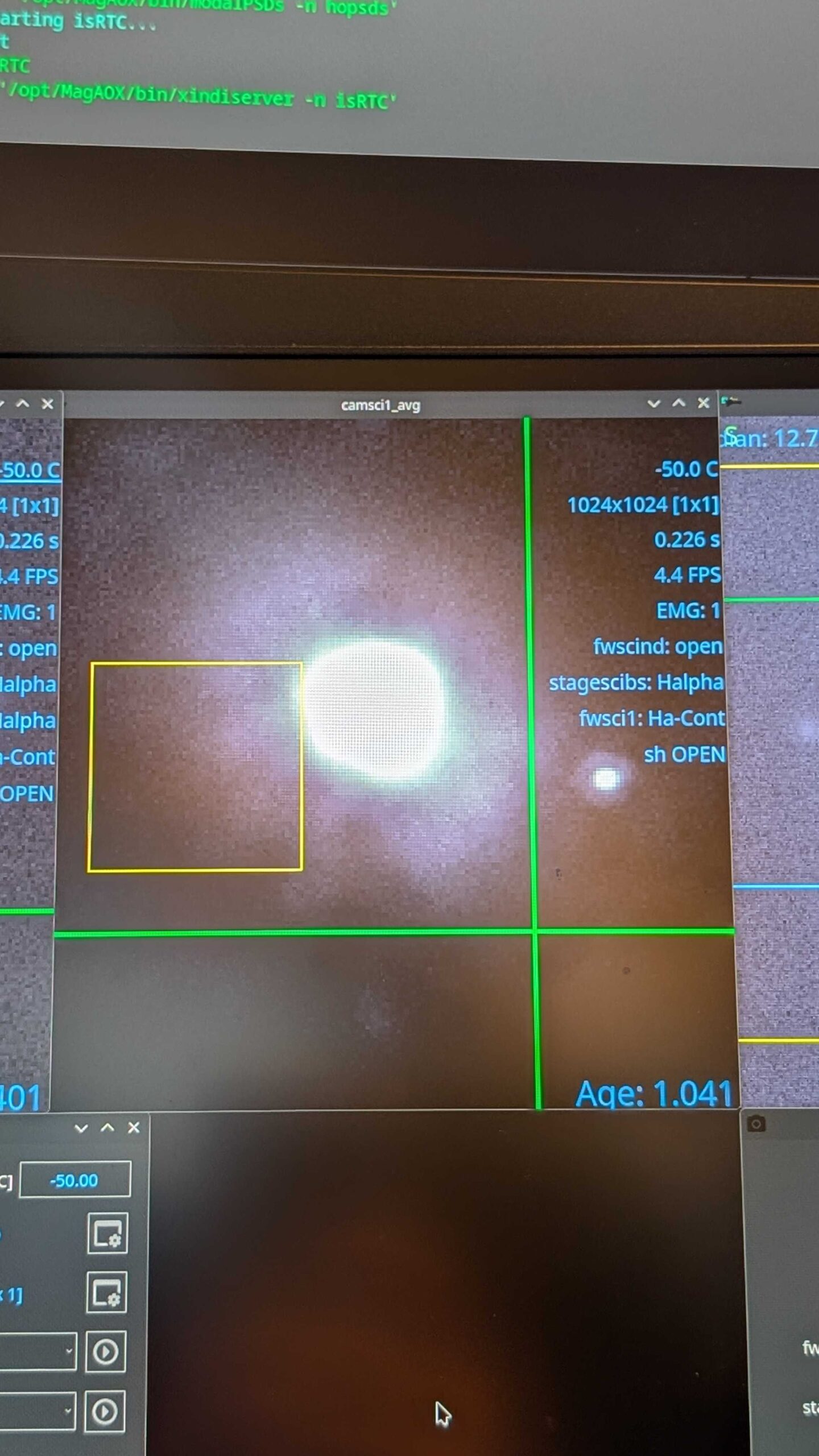
Laird is a big fan of this object. One might even call him an…
admir(a).
I will see myself out.
Alright, I’m back.
Alycia took over for the second half of the night. The wind-driven halo was strong in her observations, so we used these unfortunate conditions to test a predictive control algorithm called PO4AO, first developed by Jalo Nouisianen and most recently (very recently) implemented by Rico Landman.
I have always viewed predictive control as a sort-of “holy grail” problem of AO. With the predictive control method, an algorithm predicts what Earth’s turbulent atmosphere is going to do next, allowing astronomers to apply AO corrections ahead of time rather than always experiencing servo lag in the AO loop (servo lag = being a step behind the atmosphere during sensing and correction). Astronomers have spent decades attempting to solve this problem.
Today, we deployed the predictive control algorithm on-sky and it worked.
Spectacularly.
This demonstration solidifies PO4AO as one of the best weather predictors I know, right up there with (in no particular order):
I may not be able to predict what the rest of this observing run will look like, but our successes tonight bode well for future AO observations to come.