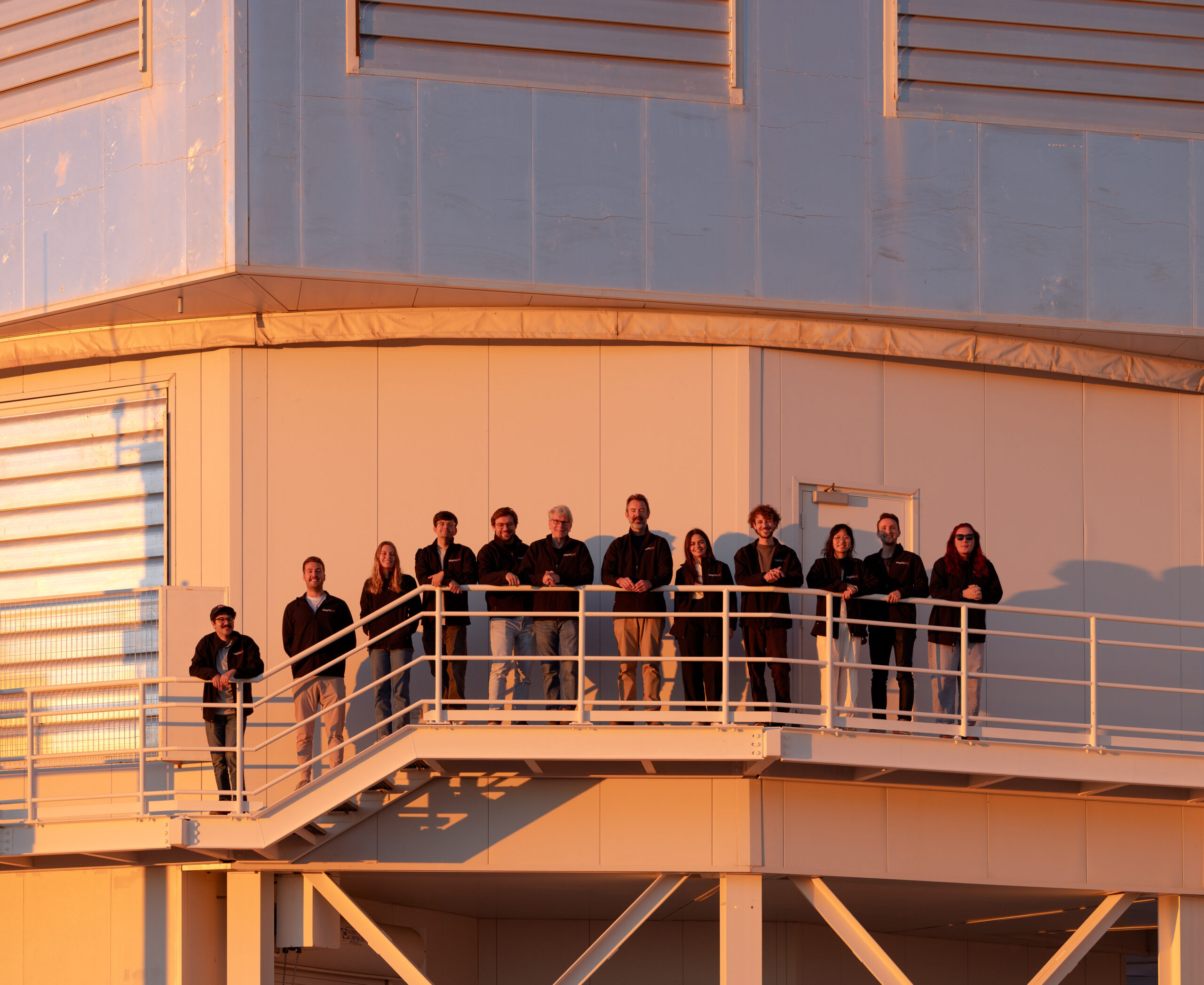
MagAO-X 2025B Day 11: Abstraction

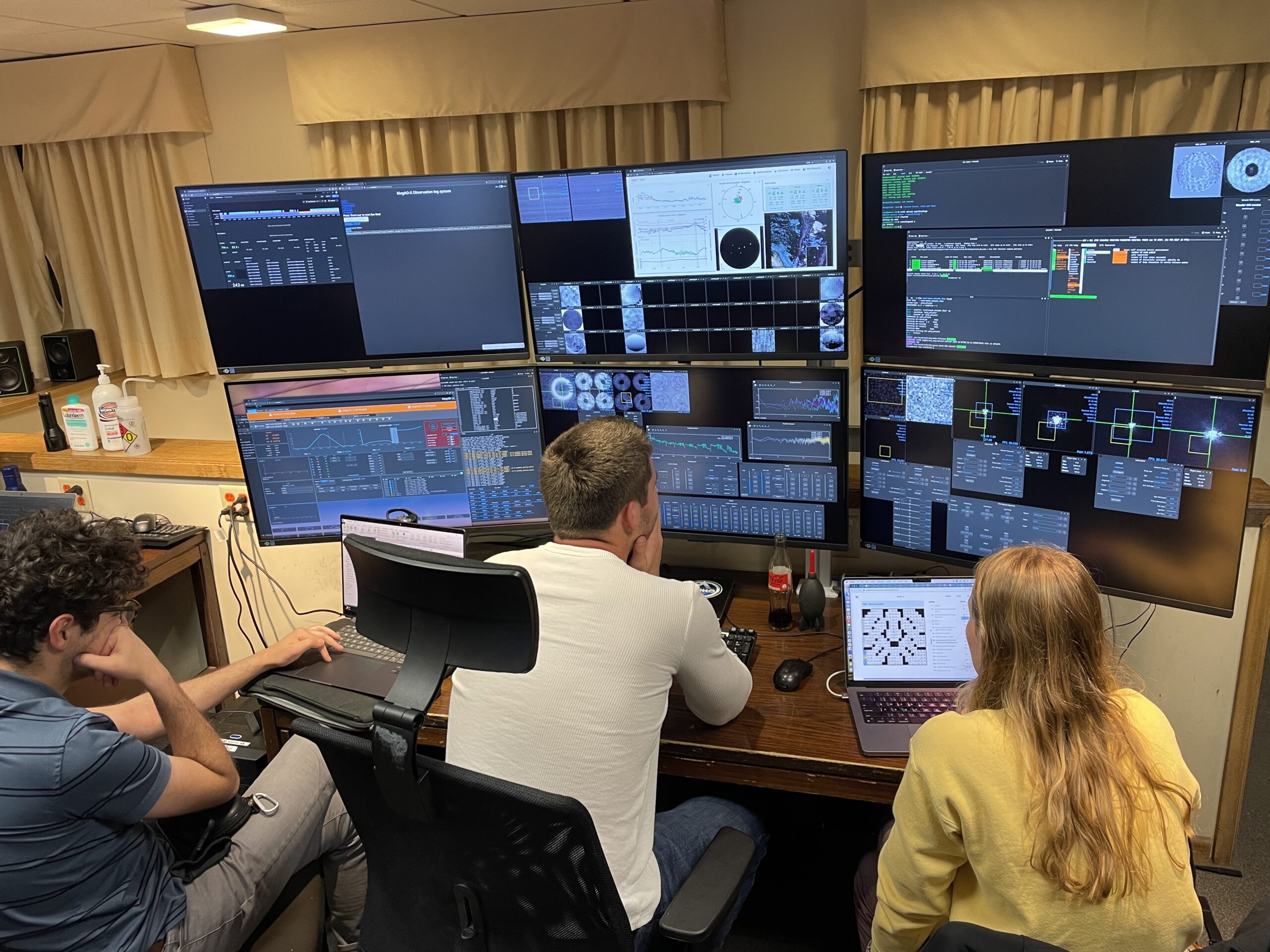
We’ve really settled into a rhythm here on the mountain top. While our individual wake-up times vary, we all mosey on down to the lodge for dinner at around 6:30. After an unfailingly excellent meal (and perhaps a cup of tea), the first shift of AO operators make their way up to the summit and start aligning MagAO-X for the night. The TO opens the dome, we set up our observations, and then we spend the night doing cutting-edge science and engineering until the Sun threatens to peek above the horizon. It’s not without hiccups–the atmosphere doesn’t always behave and neither does your code–but it’s honestly impressive that we’re able to pull it off night after night.
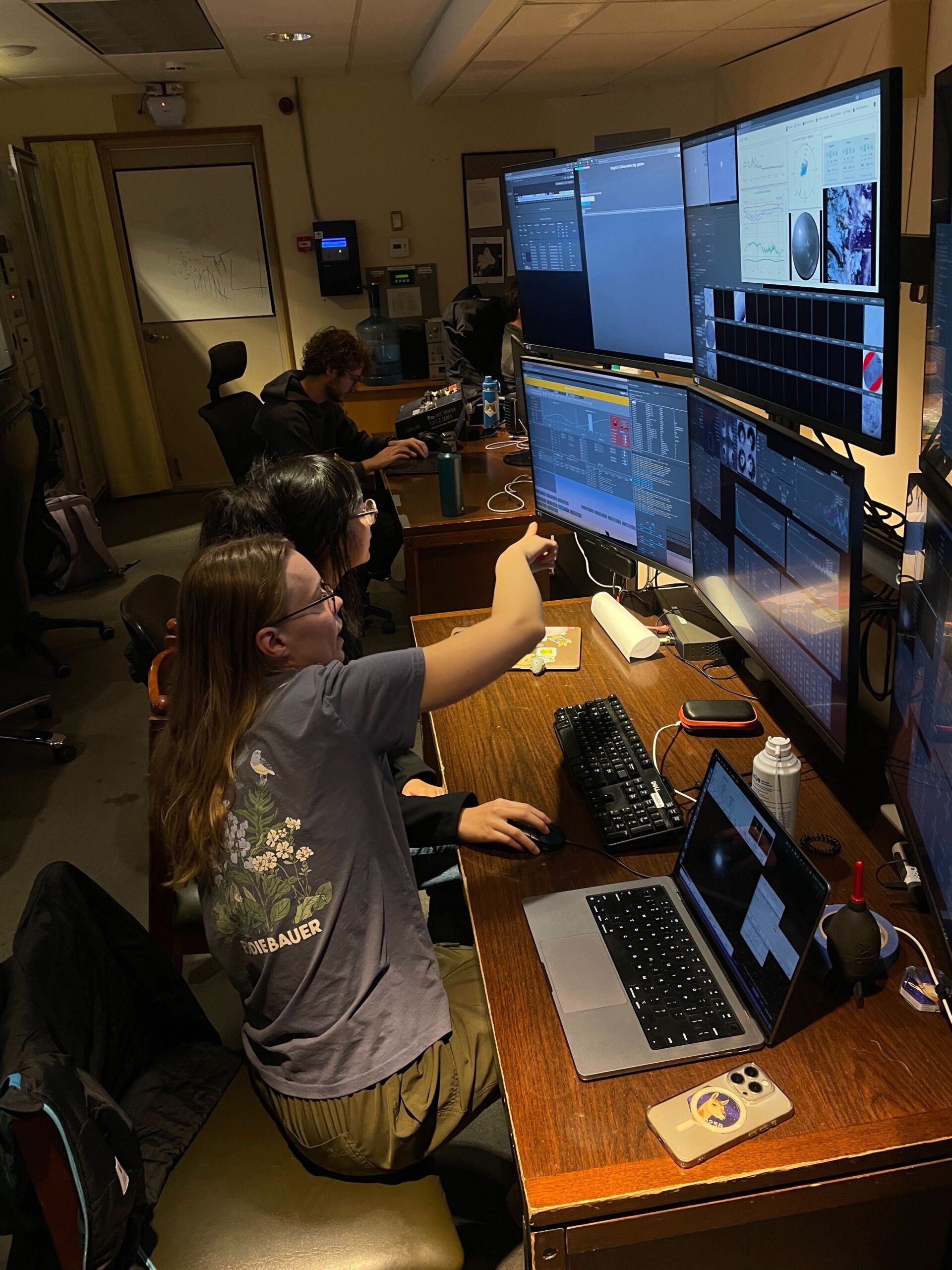
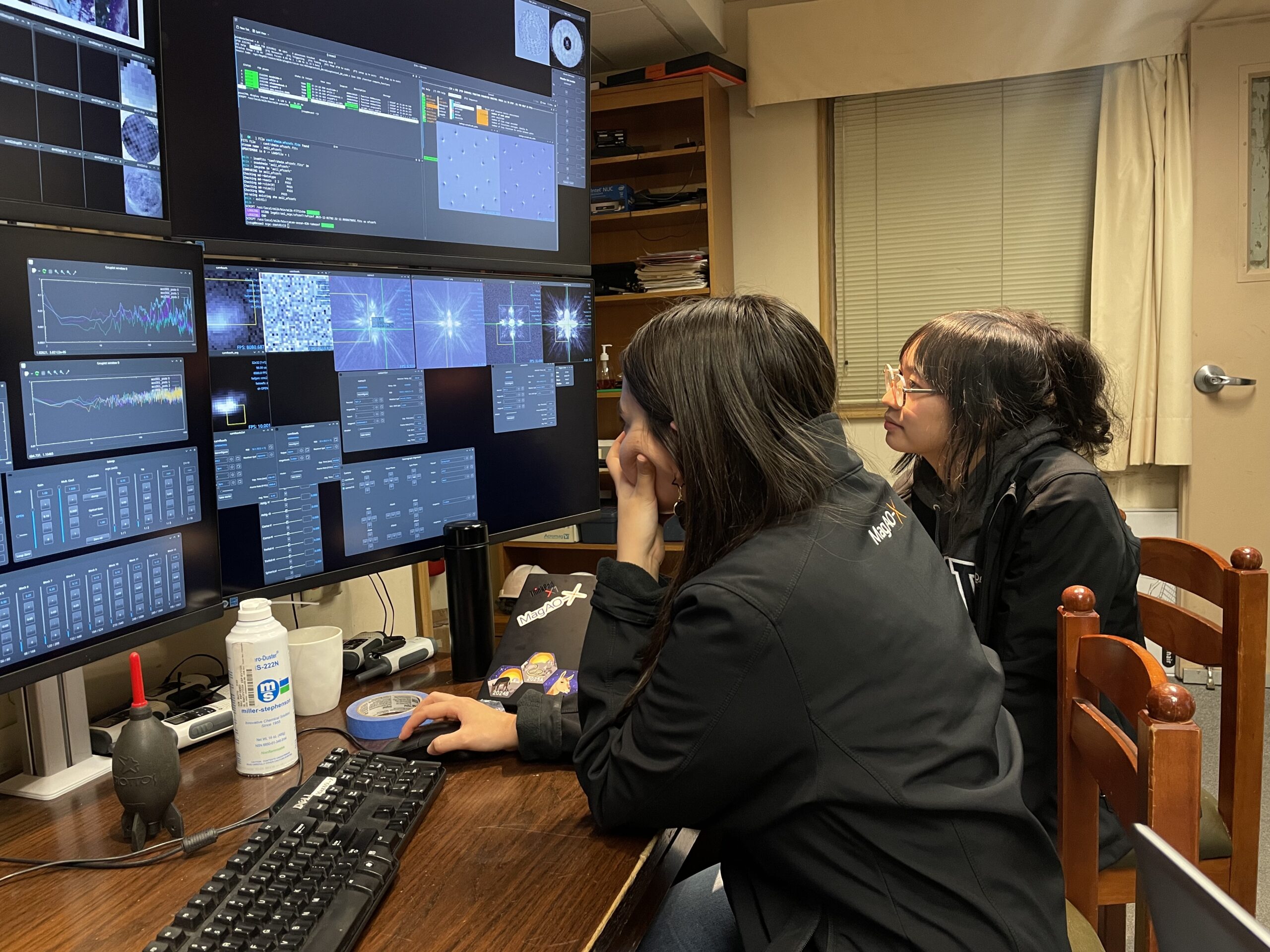
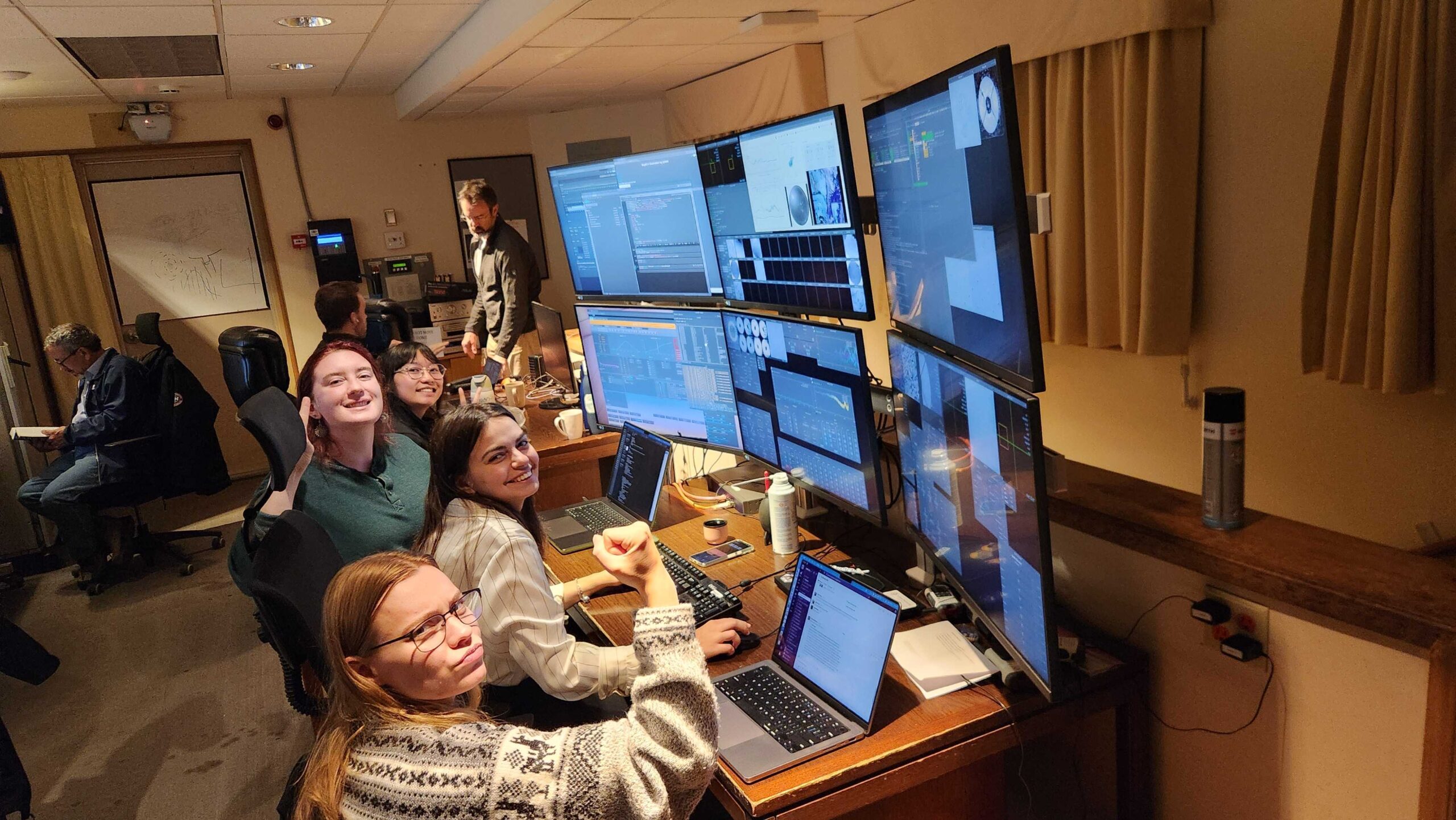
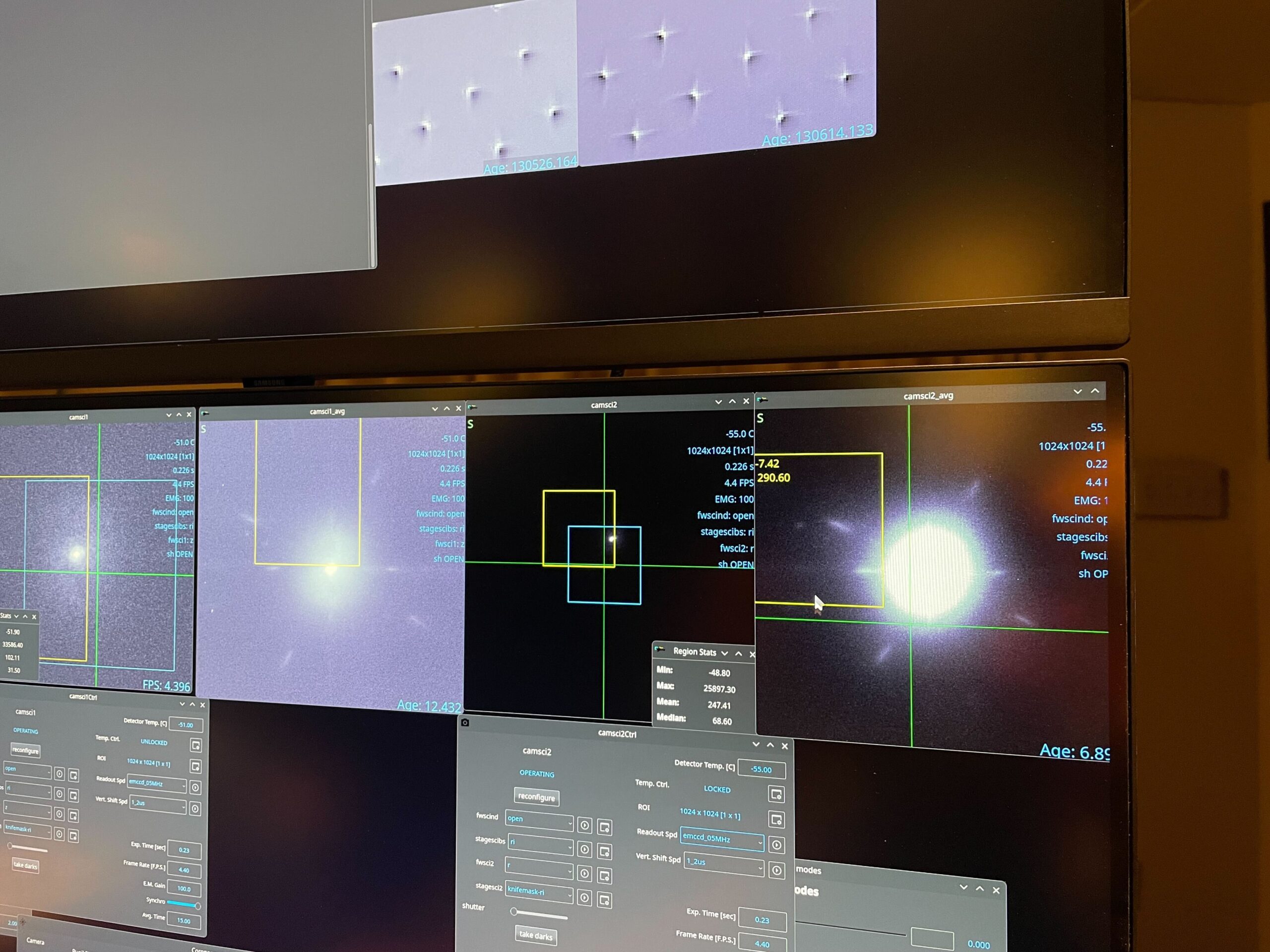
Tonight had its ups and downs but overall fell nicely into that rhythm. While I revised my SPIE abstract downstairs, Parker and his crew did another round of Tau ceti observations. I made it back for Eden’s observation block, which was filled with complex coronagraphs, art criticism, and cat photos. We were also able to commission our Lyot low-order wavefront sensor (LLOWFS, pronounced yo-fuss), which uses rejected starlight from a reflective Lyot stop to control our non-common-path DM. The result is more stability in the coronagraph, which makes finding planets easier. Atmospheric seeing was … not great for the first little while, but our noble efforts to press through were rewarded with an incredible second half of the night. Our data were stellar, in both senses of the word.
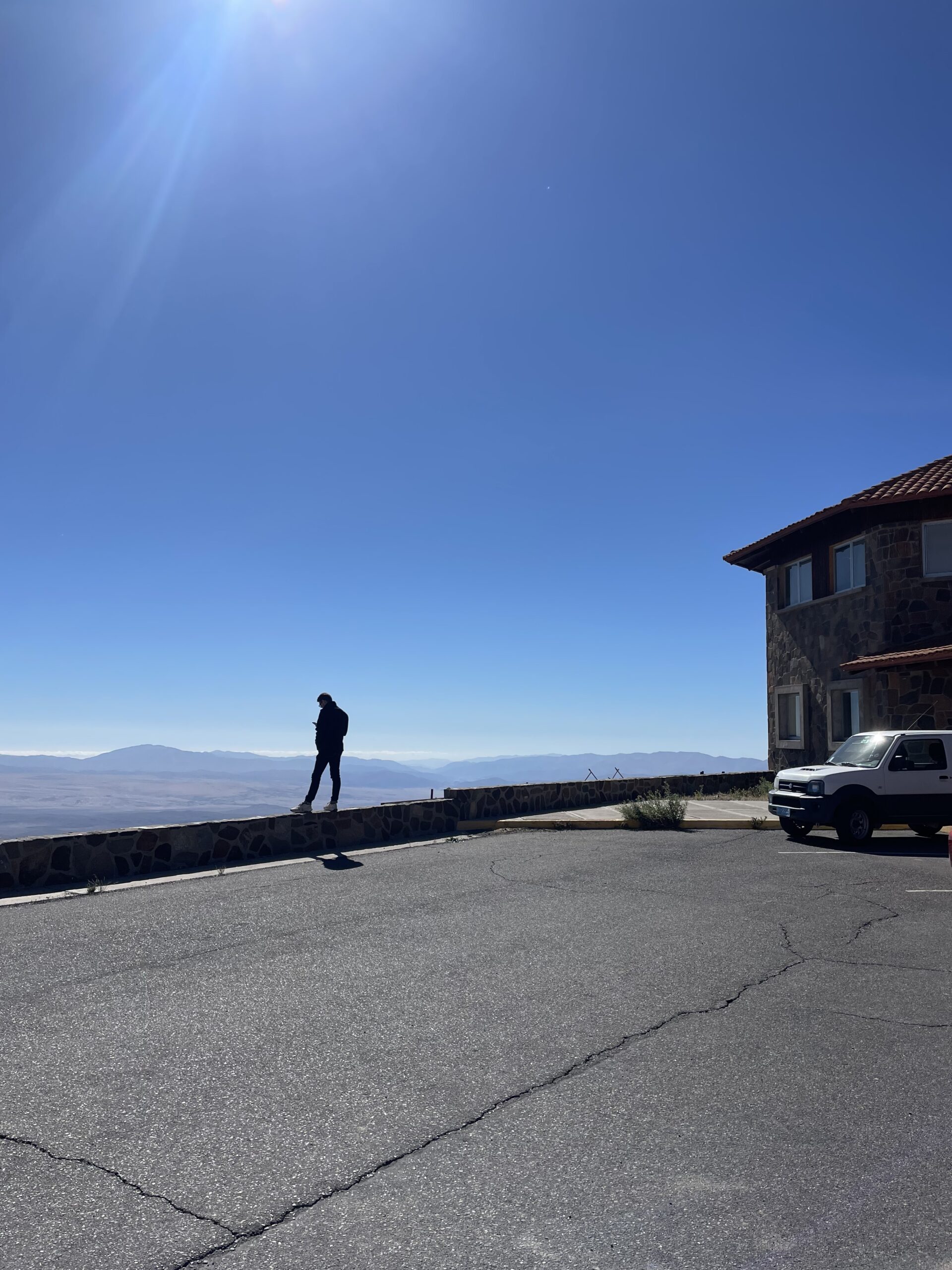
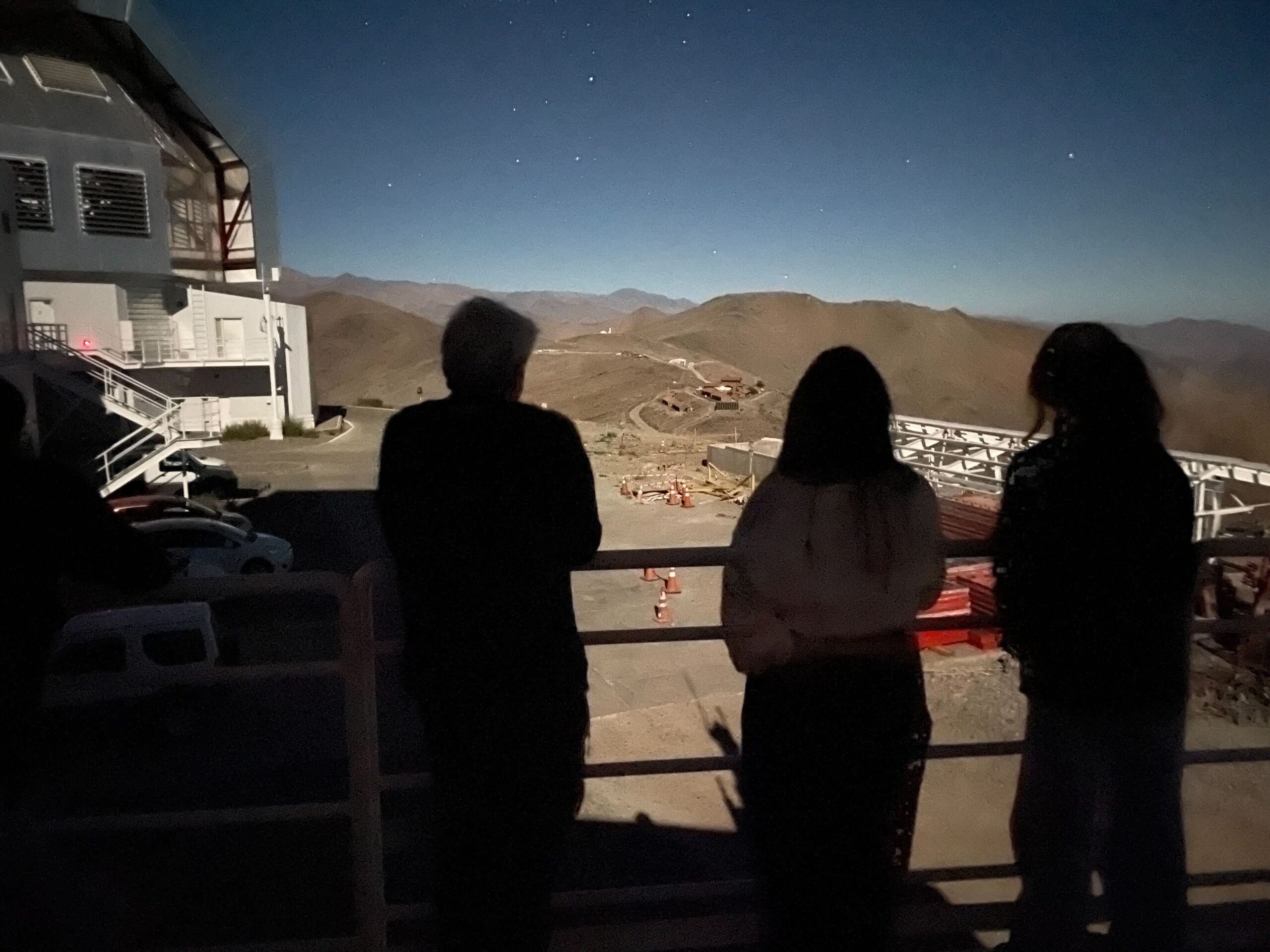
At least to me, at this point in the run Tucson starts to feel a bit like a dream. Maybe it’s because I’m avoiding yet another controls assignment, but something about this mountain makes the rest of the world feel less concrete. You walk outside, and the moonlight illuminates the peaks in the distance; you walk inside, and you see a team of people all working towards the common goal of seeing things no one has seen before. Perhaps I’m over-romanticizing because I’m running on very little sleep, but you can’t deny that there’s a unique feeling here. It might just be the reason we come back night after night, run after run, year after year.

Fun fact of the day: the painting “Sailor Boy” by Columbian artist Fernando Botero hangs in the Tucson Museum of Art.

Song of the day:
This Night Has Opened My Eyes – The Smiths

MagAO-X 2025B Day 10: Too Close for Comfort

Tonight started with Katie, Tiffany, and Josh as our dedicated graduate student MagAO-X operators. They were tasked with assisting Logan with her observing program in the first half of the night. While the conditions started out rough, they stabilized after an hour or two on sky.

When 1:30AM approached, it was time to switch to Eden’s observing program. She is on her second of 5 half nights during this run and is taking super interesting scientific observations using the newly commissioned PIAACMC which Elena has spent a lot of time getting to work on sky.

Exciting discoveries are already being made in our short time here at Las Campanas Observatory. Below are images in the z and r bands of two little guys hanging out around a star:

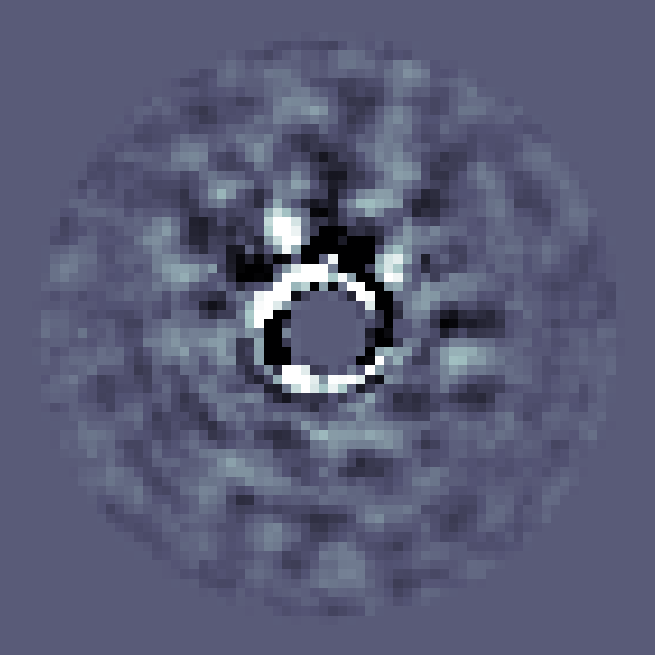
On top of spotting faint objects on sky, preliminary data reduction has shown there to be a super faint little guy hanging out near it’s host star:

Prior to the night beginning, our TO was nice enough to off to point the telescope towards the horizon so we could get some pictures with the primary mirror.

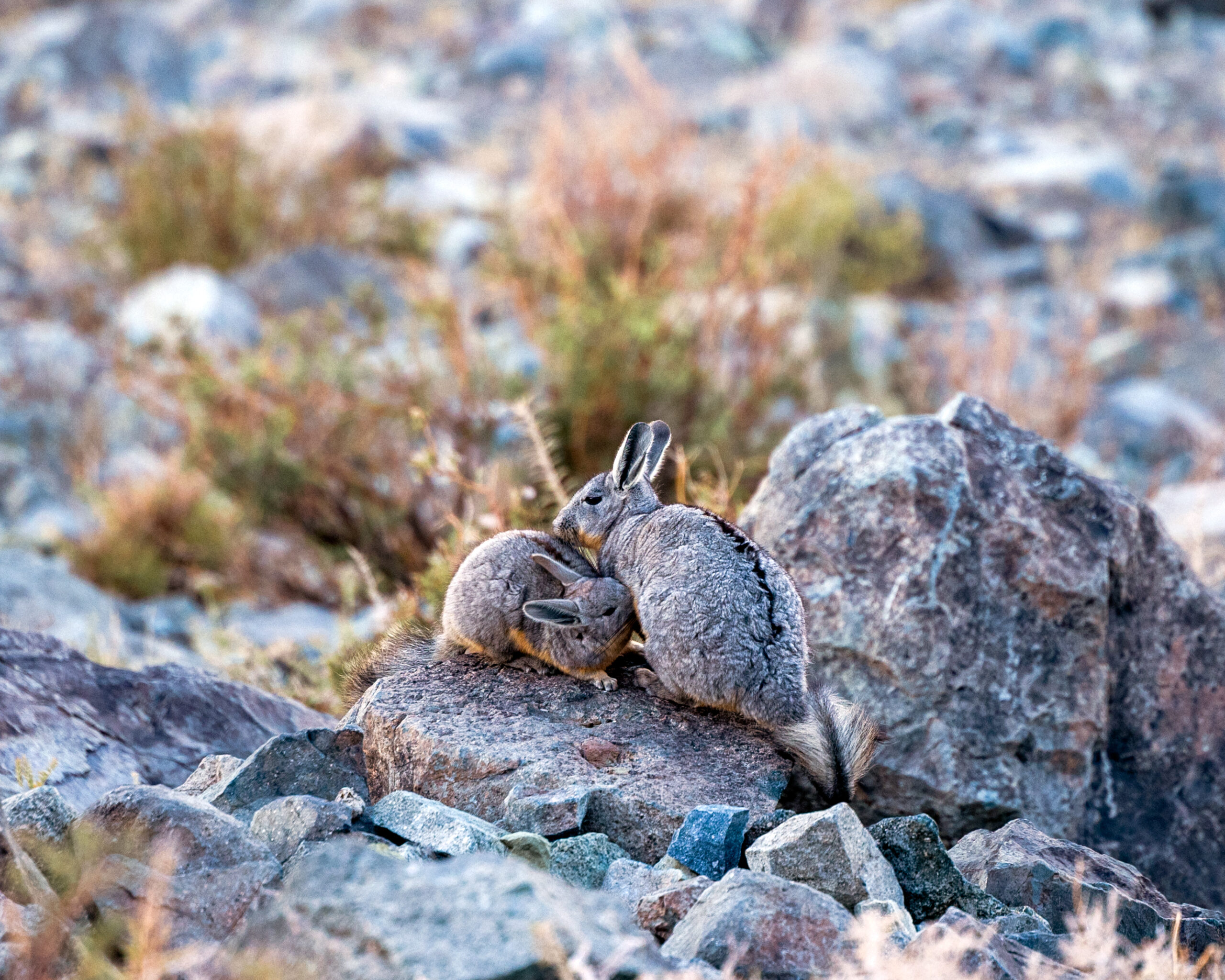
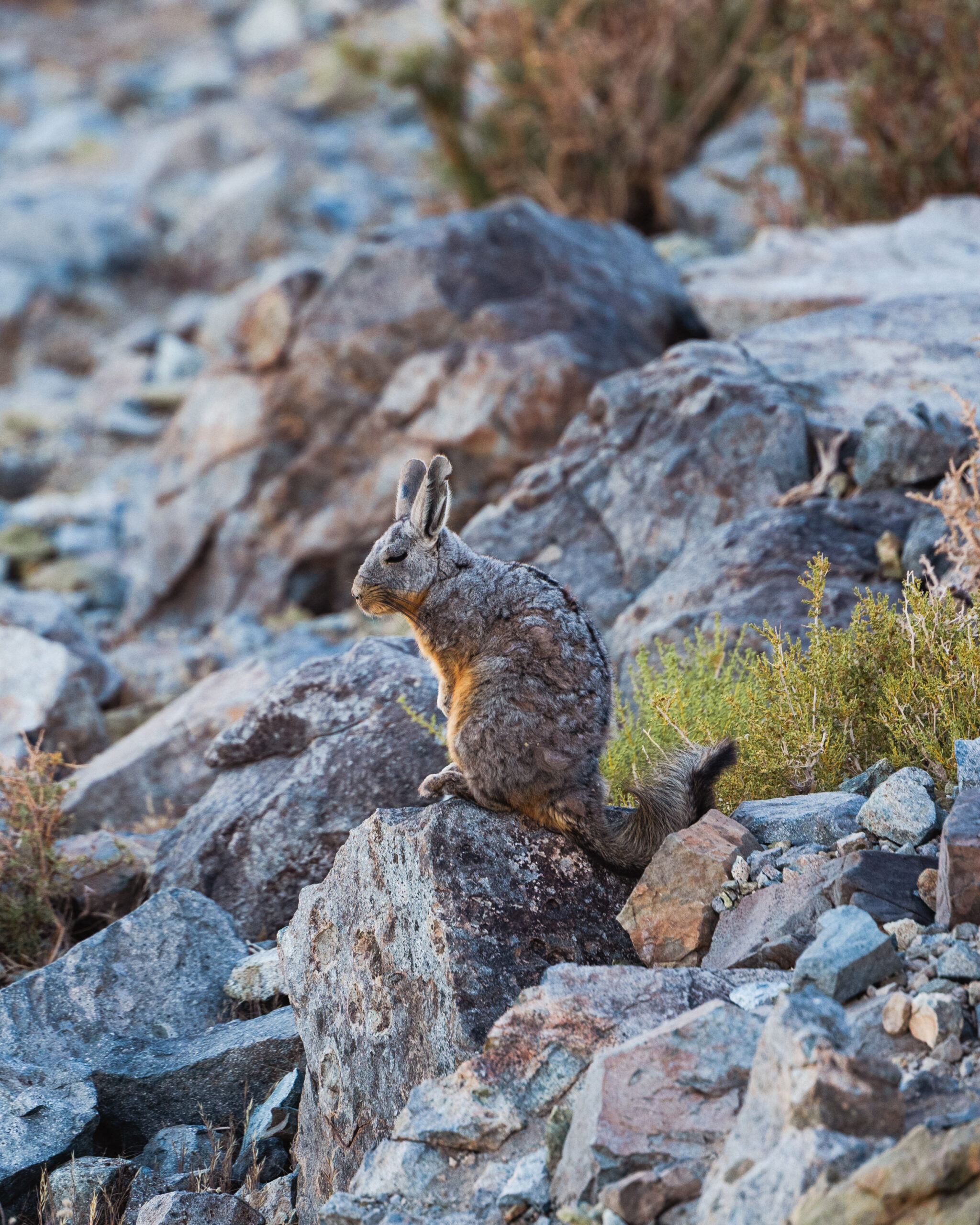
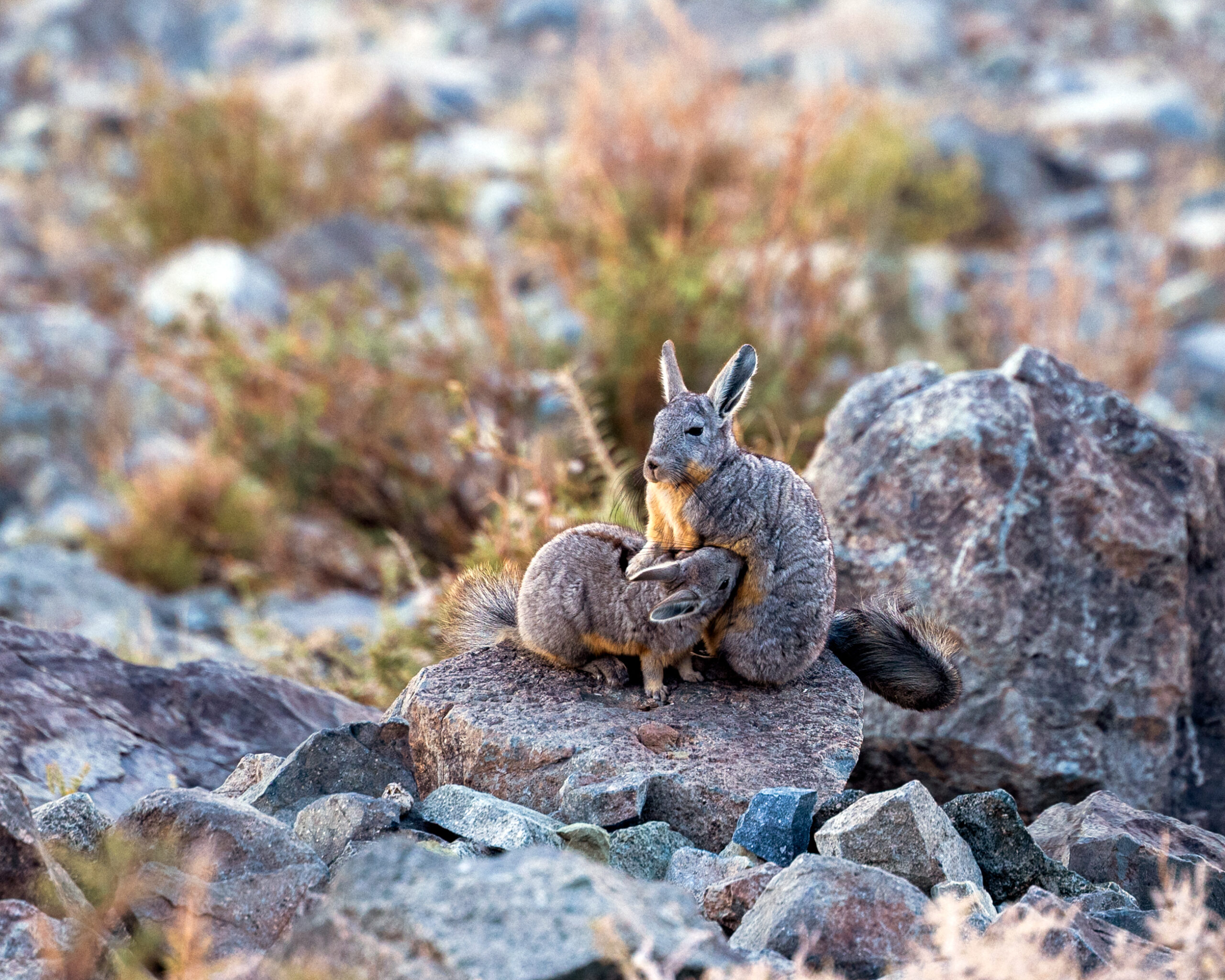
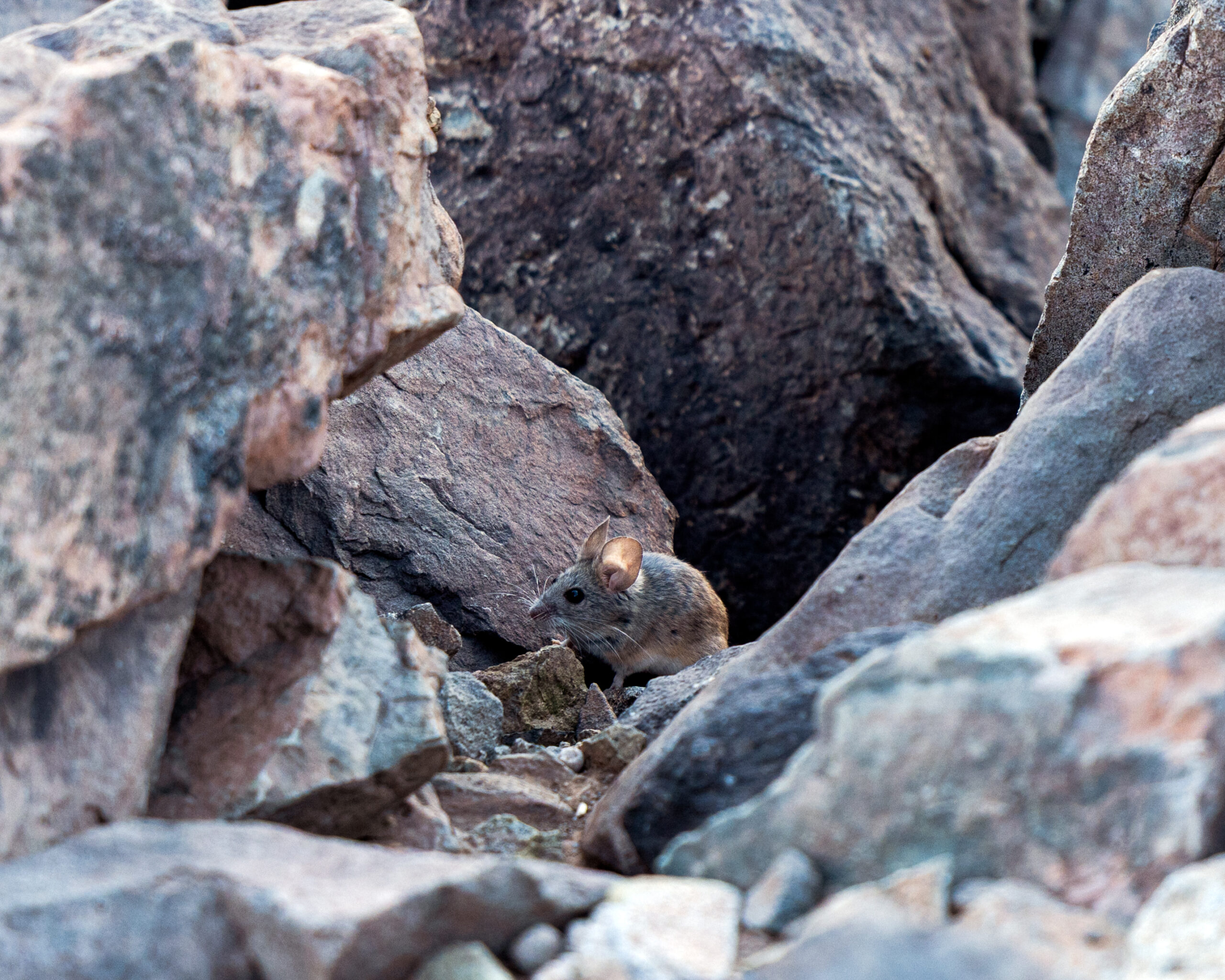
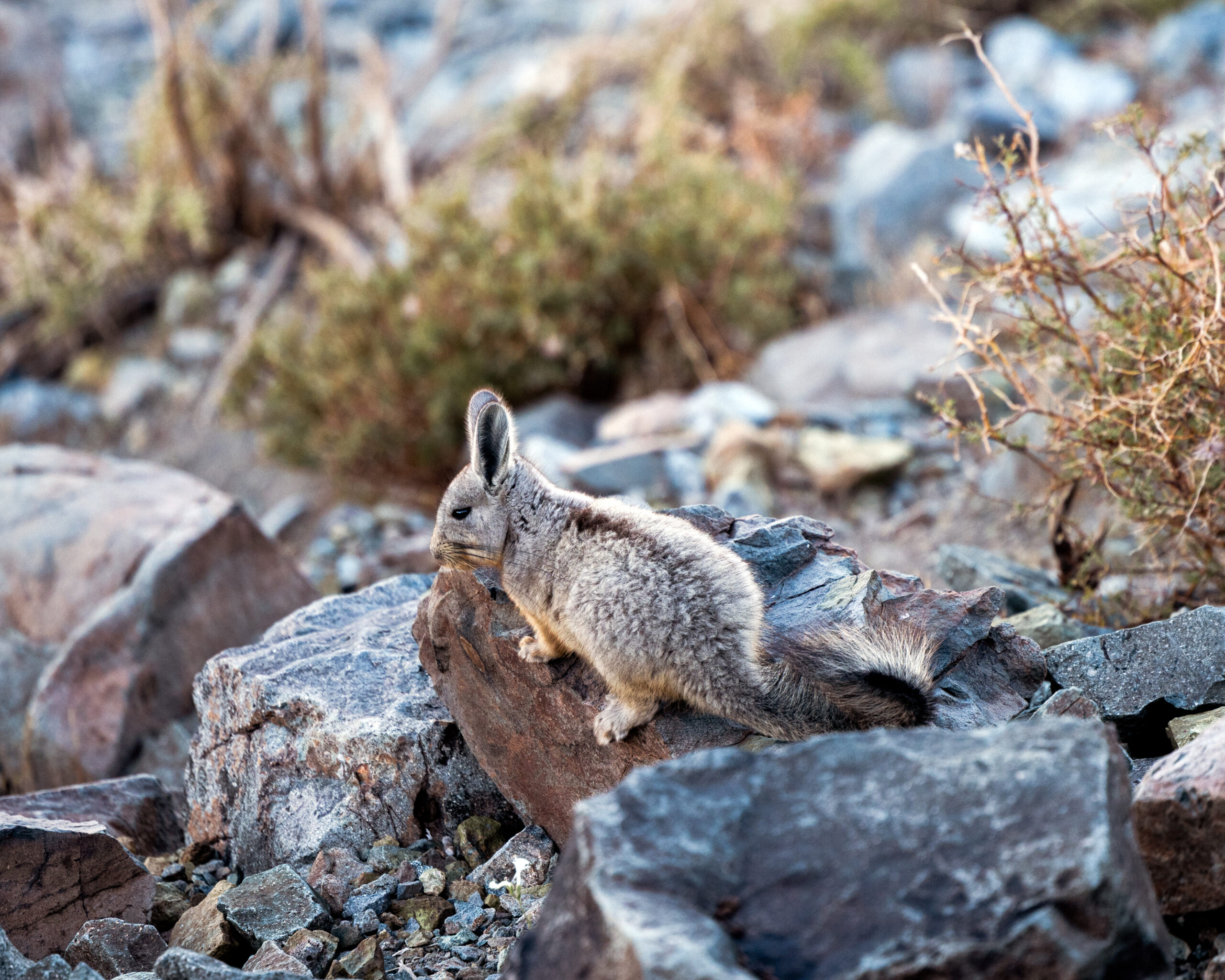
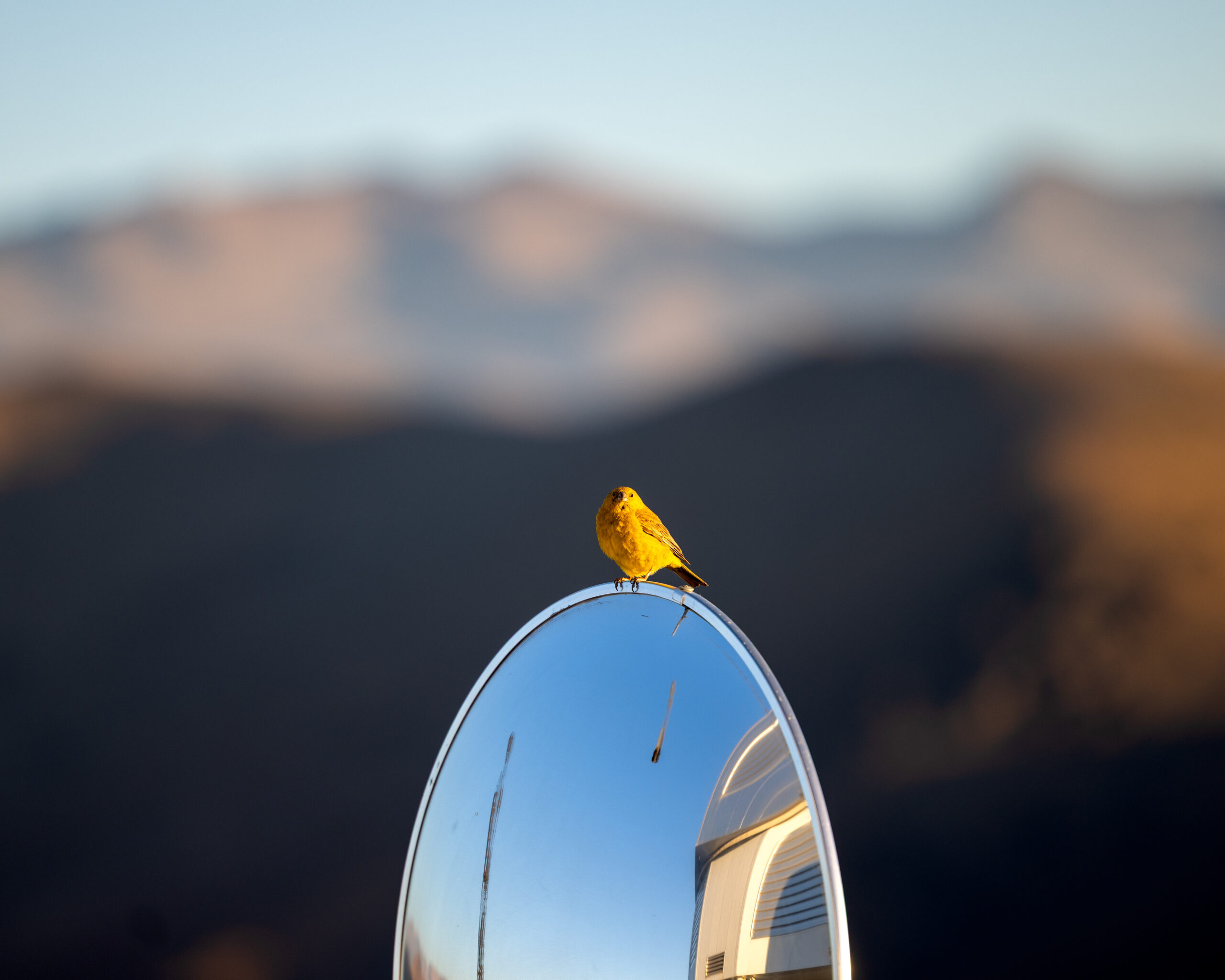
Miles was back at it with taking some phenomenal Chilean wildlife photos. Expanding our wildlife content beyond our beloved Vizzy.

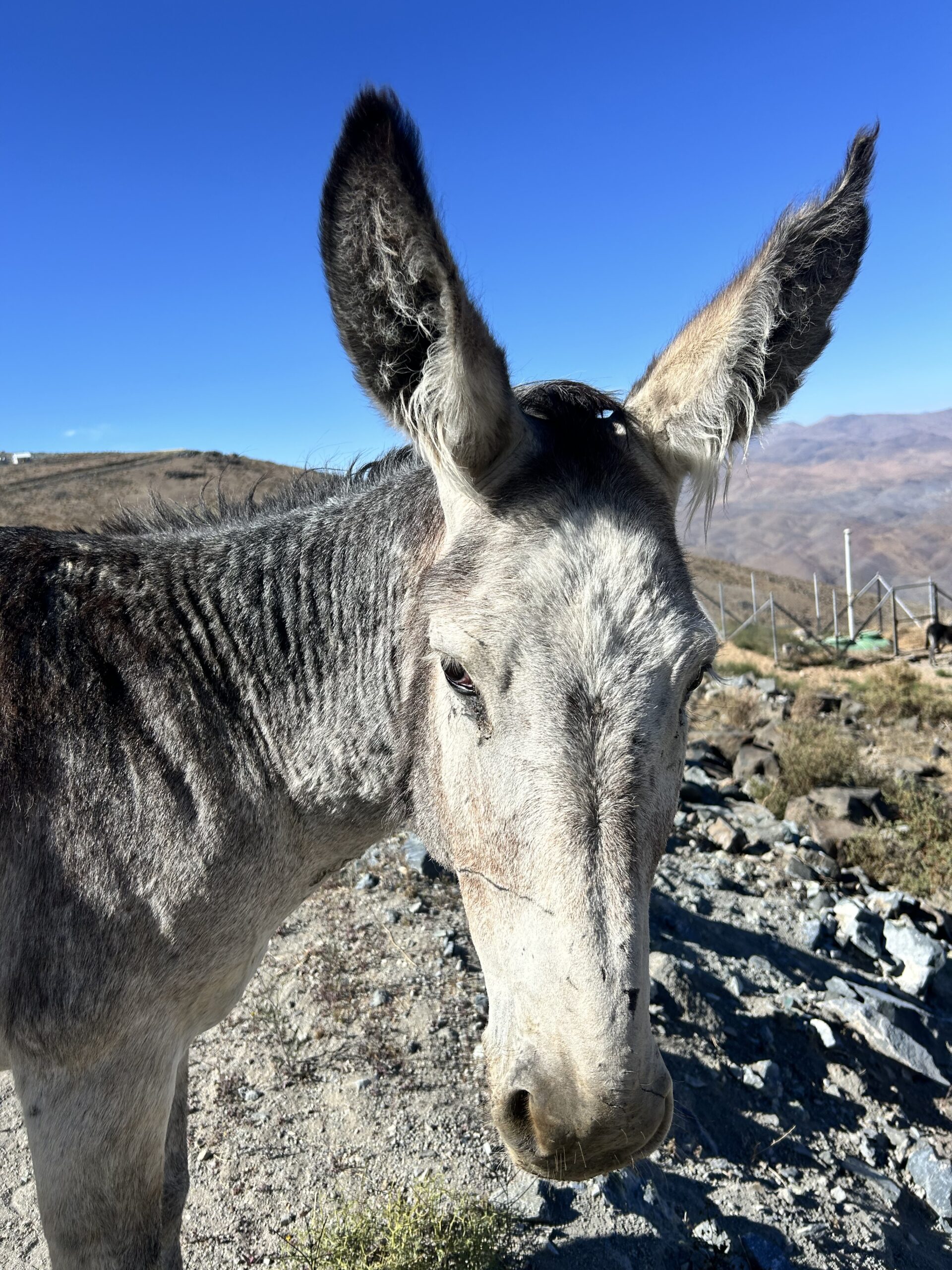
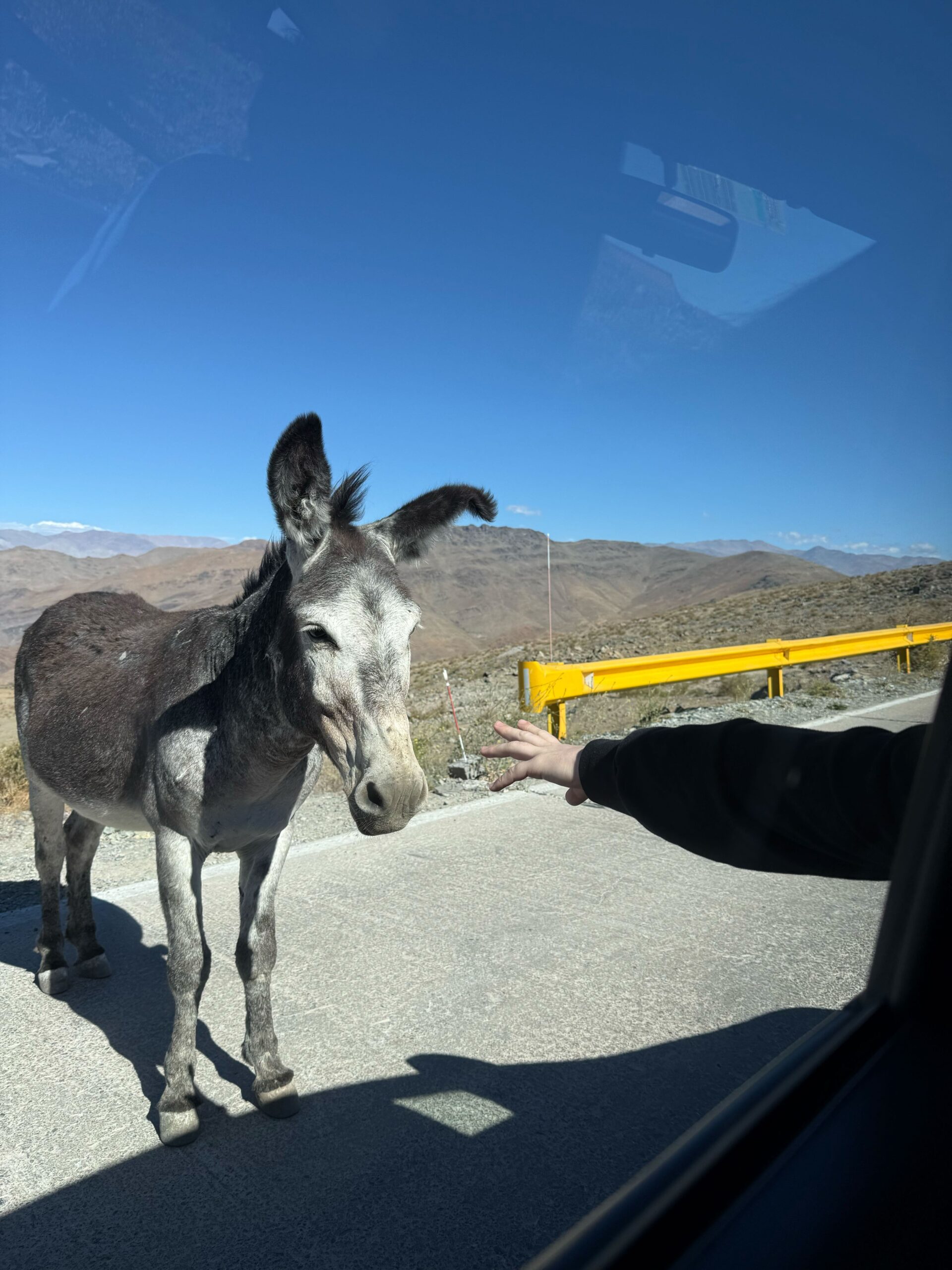
While Miles was capturing amazing photos of the smaller animals, I was back with the burros. Most days, they are very welcoming when I come by, but this time was the opposite of welcoming. Let’s just say, this was the last face I saw before I had to pack up and leave:

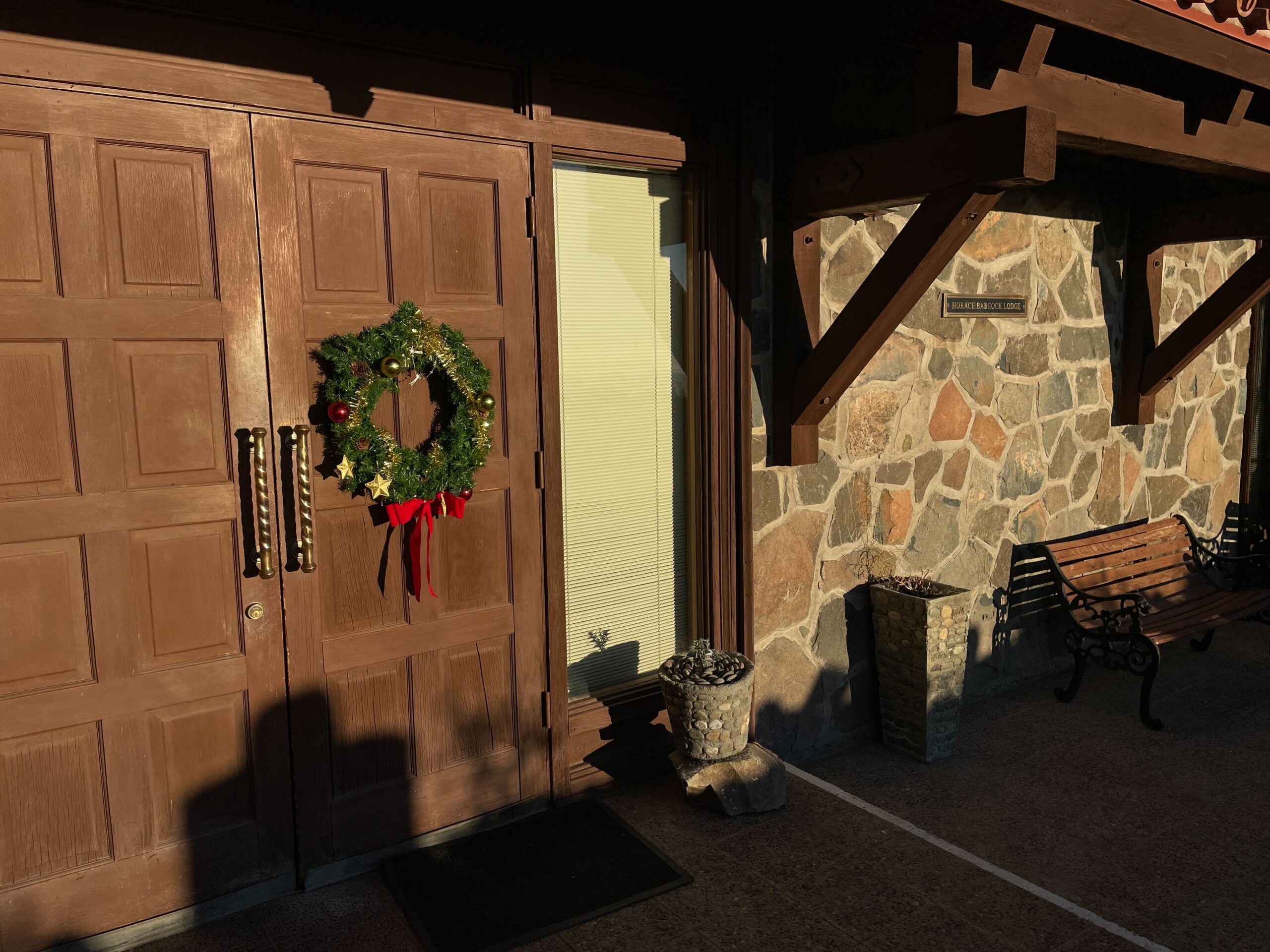
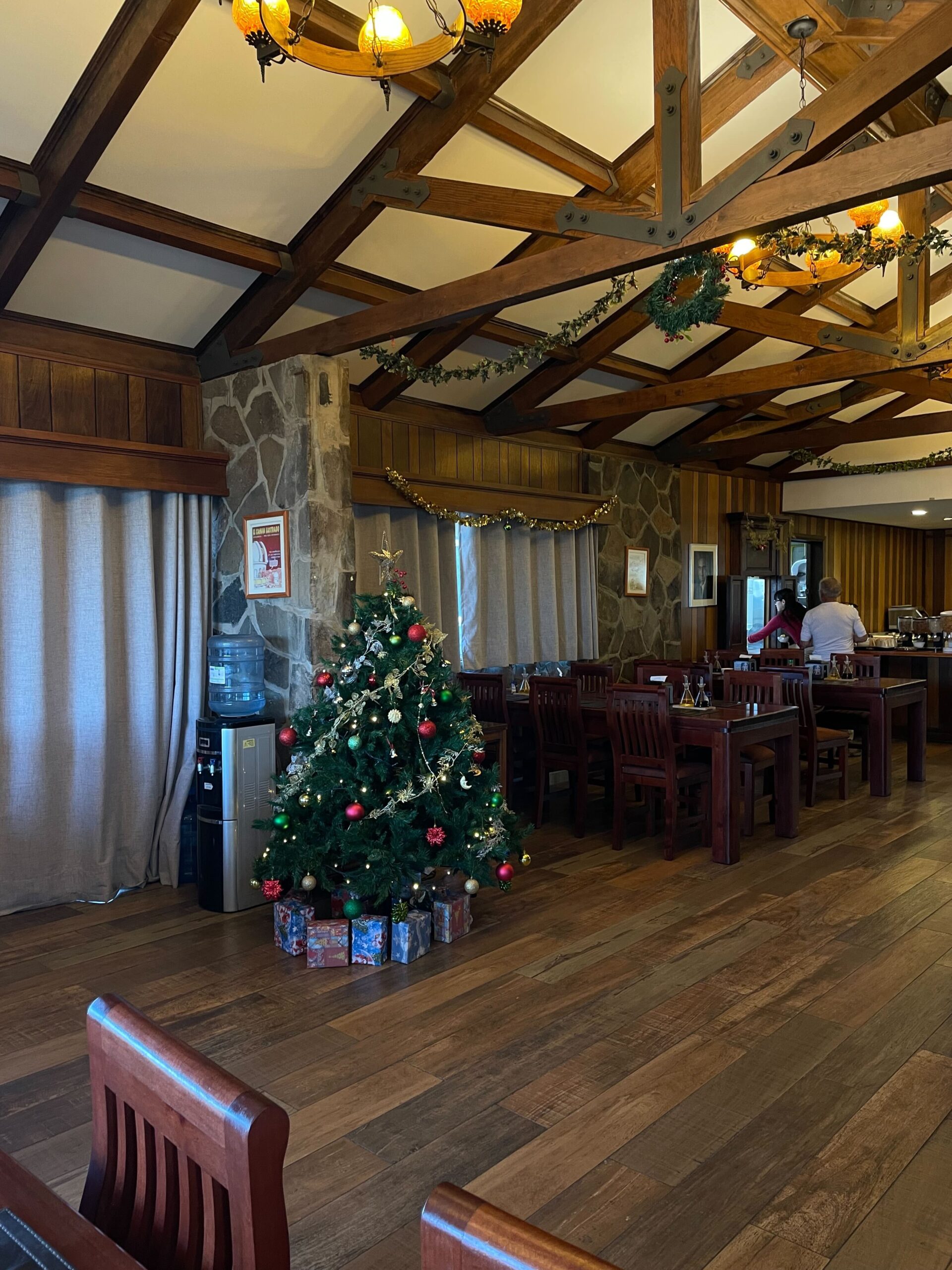
I can’t believe it is already December, but the holiday decorations are starting to pop up to remind us of what time of year it is.

Fun Fact

Many people picture North Dakota as just endless farmland and cows, but here’s a fun fact: it actually has only 2.24 cows per person, ranking it as the third highest state for this stat. South Dakota, Jared’s home state, takes the top spot with an impressive 4.00 cows/person, while Nebraska follows closely behind at 3.31.

Song of the Day

MagAO-X 2025B Day 9: The swing of things

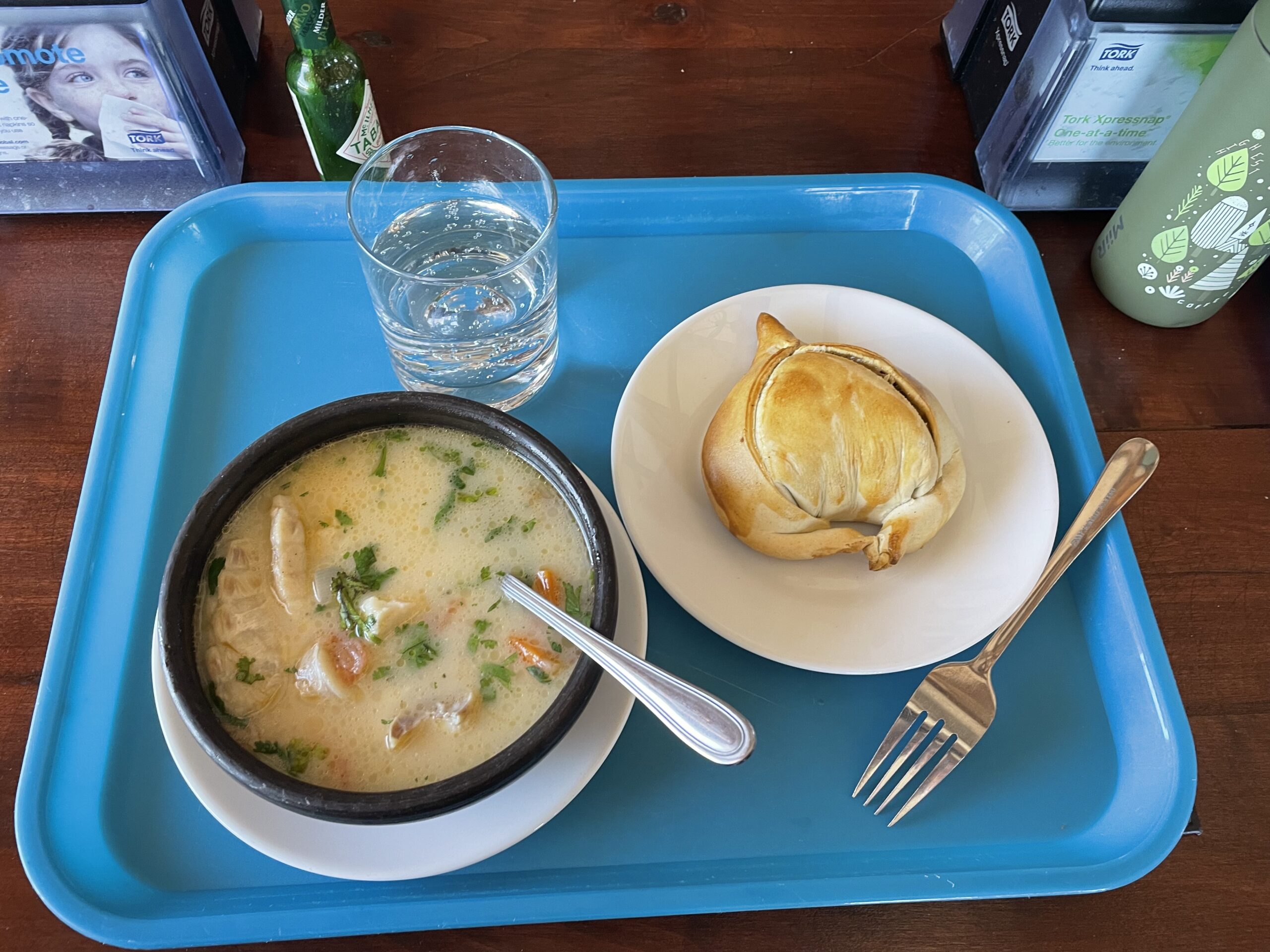
If there ever was a day to wake up for lunch, Sunday is that day. While we all placed our much anticipated empanada night lunch orders, nothing beats the pastry goodies paired with the lunchtime soup choices.

Empenada de mariscos e Caldillo de Congrio.

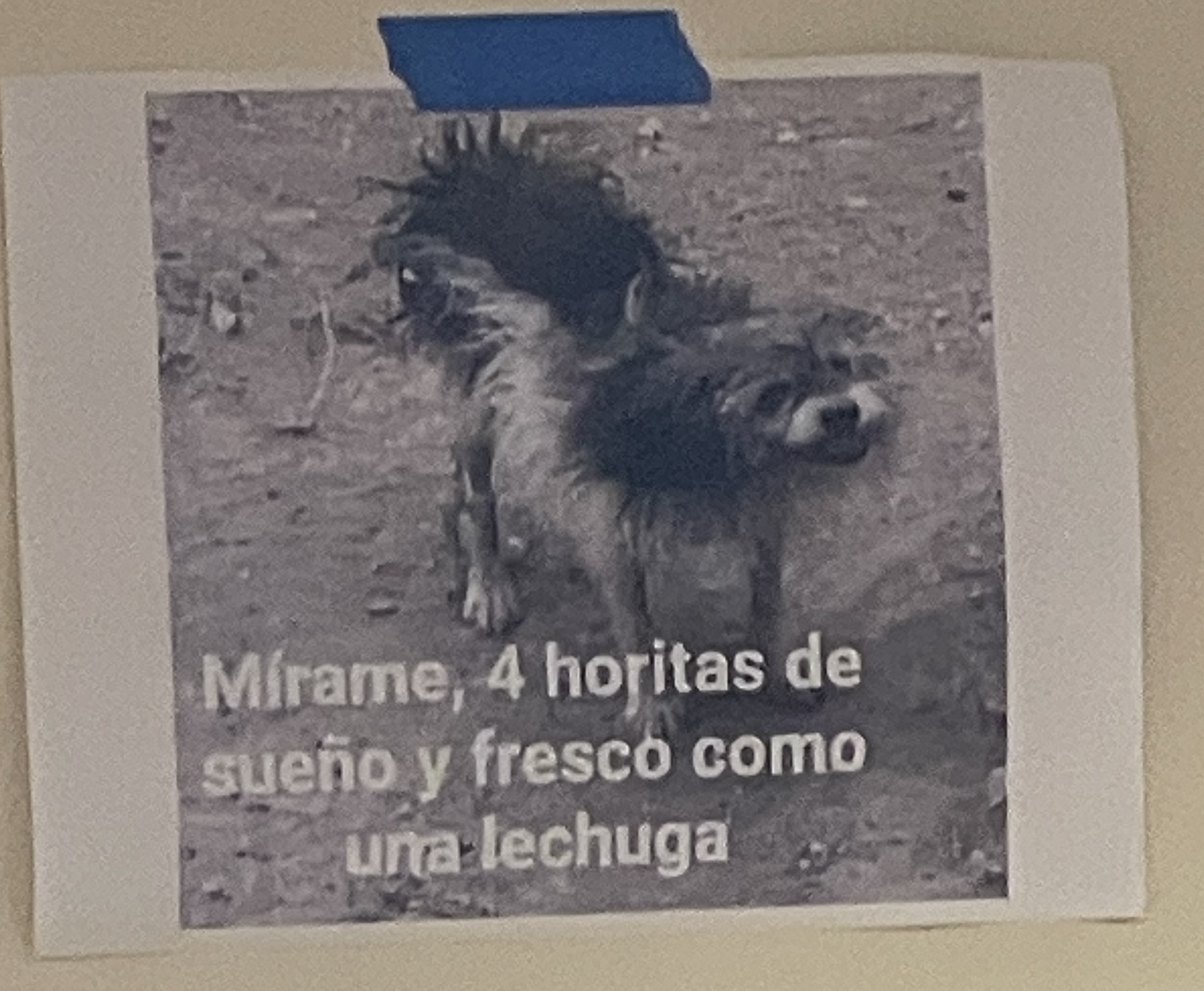
Though delicious, the prize lunch came at the cost of some significant sleep debt for members of our crew. Nevertheless, we rallied, drank our little coffee drinks, and went right back up the hill for an afternoon of testing, bug fixing, and poking around on the internal source. I have no photos to show you the productive daytime endeavors, but I do have the motivational poster now stuck to the control room wall to sum up the energy of the participating members.

“Look at me, 4 hours of sleep and fresh as a lettuce”

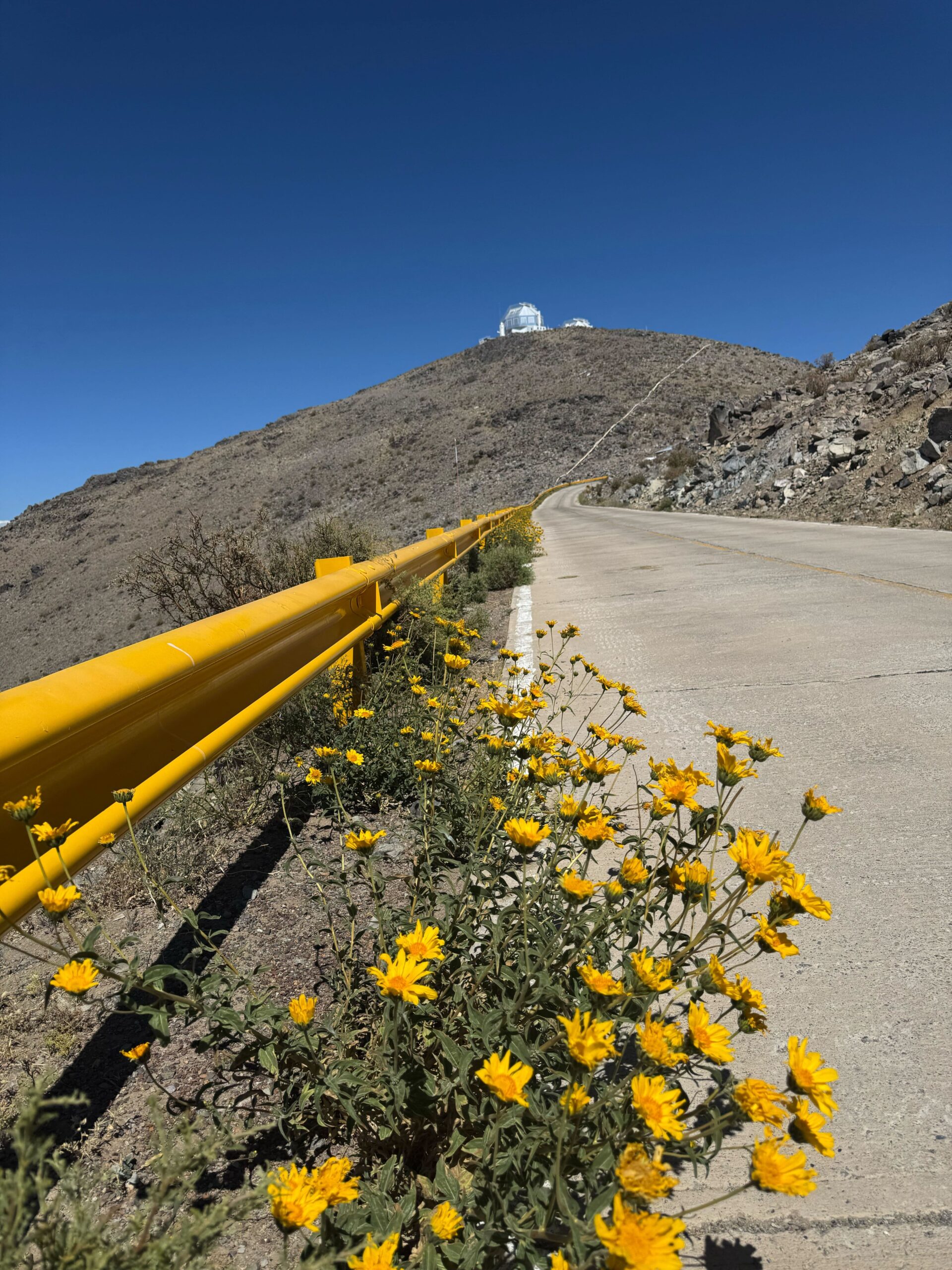
Turns out if you wake up early enough, you can have a whole day before your observing work day. Enjoy these vignettes from our afternoon on the mountain.

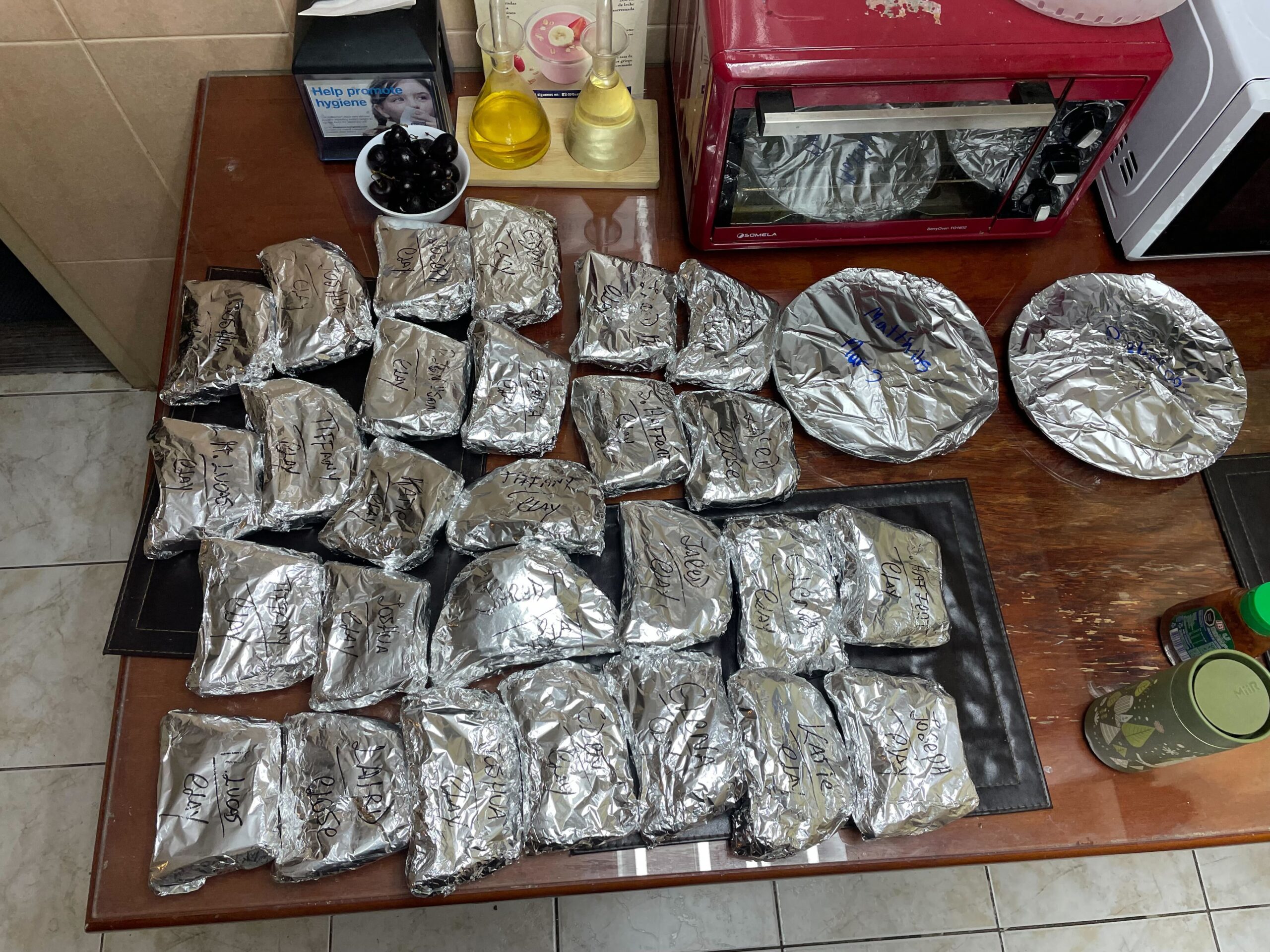
Our empanada appetites did not overwhelm our TO Rebecca, who was able to muscle our nighlunch up the hill. We arrange the spread to remind ourselves of the richness and abundance of life.

The first big LCO empananda order of the run.

The first half of the night was shepherded by Parker, Katie, and Josh. We’re back on tau Ceti with the bells and whistles (iEFC dark holes and almost all the datastreams writing). The seeing gave us a good reason to work a little extra on internal source set up before it settled down to a fairly typical if a bit bumpy LCO night.

Seeing so bad they did not anticipate needing to plot it.
Locked in and focused

At 1am, Parker and I switched. This was actually a big night for me! Though I’ve assisted with observations at telescopes since I was 19, this is the first time I’ve gotten to take data for my own science on my own proposed-for time. I always try to be a diligent AO operator, but it feels different for your own data. (The difference is anxiety.)

Our time on Beta Pic is split in two goals, firstly to try to push into bluer wavelengths (r’ band) where the contrast of Beta Pic b depends on the kind of atmosphere it has, and secondly see if we can observe the closer in Beta Pic c at all. Thank you Katie and Laird for installing the ri beamsplitter cube that makes these goal somewhat simultaneous.

The PIAA engineer at work.

Since Beta Pic c is so close in, and given all the good PIAA work from yesterday, we used the PIAACMC to improve our inner working angles. Thank you Elena for her PIAA expertise, and Tiffany for sticking it out with us for the rest of the night. We wrapped up not too far after our TO gave us the 15 minute warning.

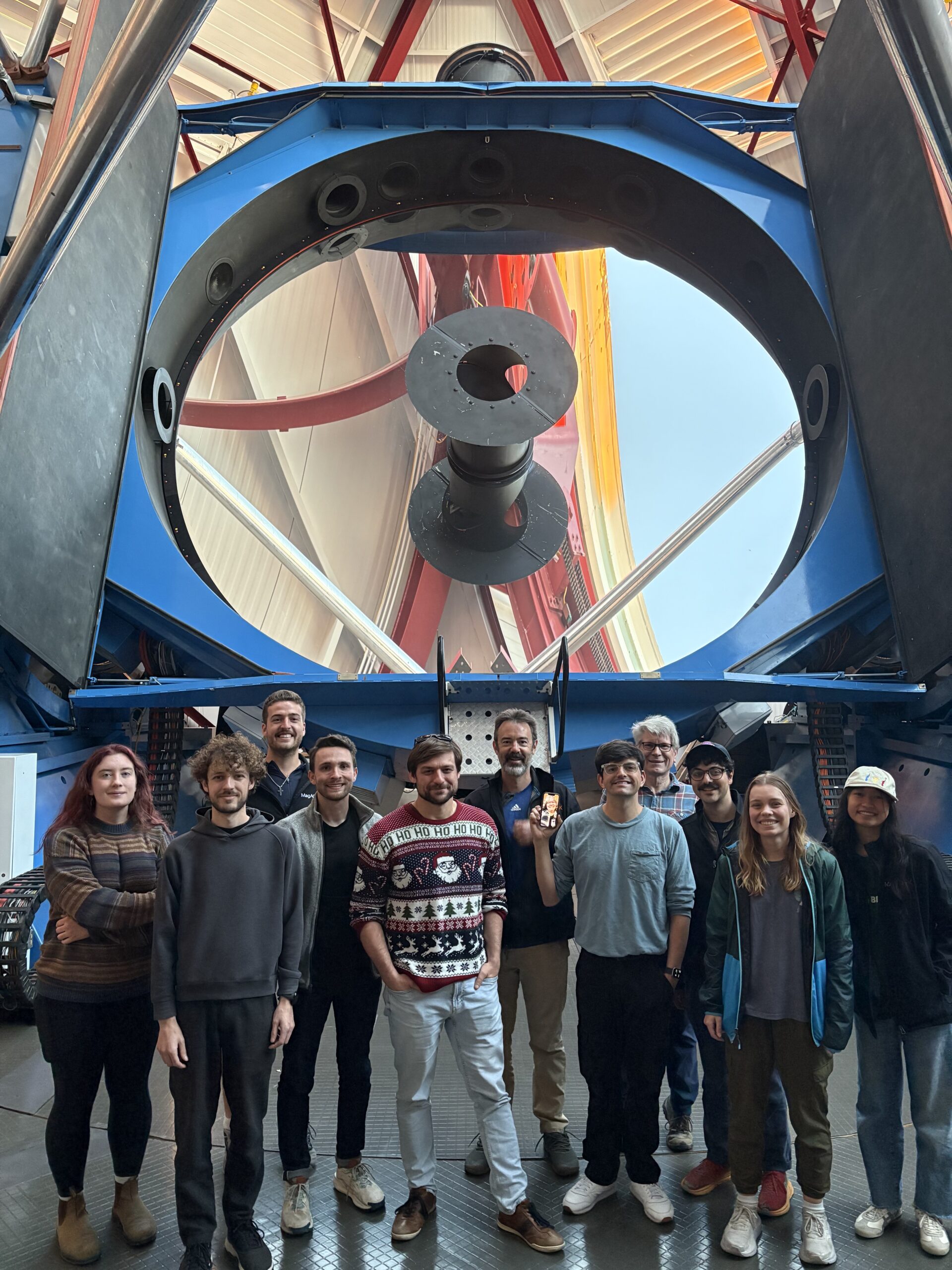
Miles did not lock in on photoshop for his masterpiece to fail to make an appearance on the blog. The whole team in one photo! How lucky to be planet hunting with them all.

Play “spot the difference” with the Day 7 photo.

Fun Fact: Pablo Neruda’s favorite soup

As Duo Lingo likes to remind me, I really need to work on my Spanish. As I was ordering my soup, the chef very excitedly explained something I only vaguely understood to be about Pablo Neruda, the Chilean poet. I since learned, and now you will know this too, that the soup from lunch today was popularized by Neruda’s “Oda al caldillo de congrio” (Ode to Conger Chowder). The conger chowder is one of many everyday items Neruda romanticized in his series of Odes, among soap, socks, and salt. It is considered today one of the most popular Chilean dishes, partially because of his love for how it represents Chile.

“… deliver
the treasure to the flame,
until in the chowder
are warmed
the essences of Chile,
and to the table
come, newly wed,
the savors
of land and sea,
that in this dish
you may know heaven.”

– Pablo Neruda

Song of the Day:

Wait what do you mean Katie hasn’t used a Stroke’s song yet?

The Strokes – Someday