MagAO-X 2026A Day 30: Wind Troubles

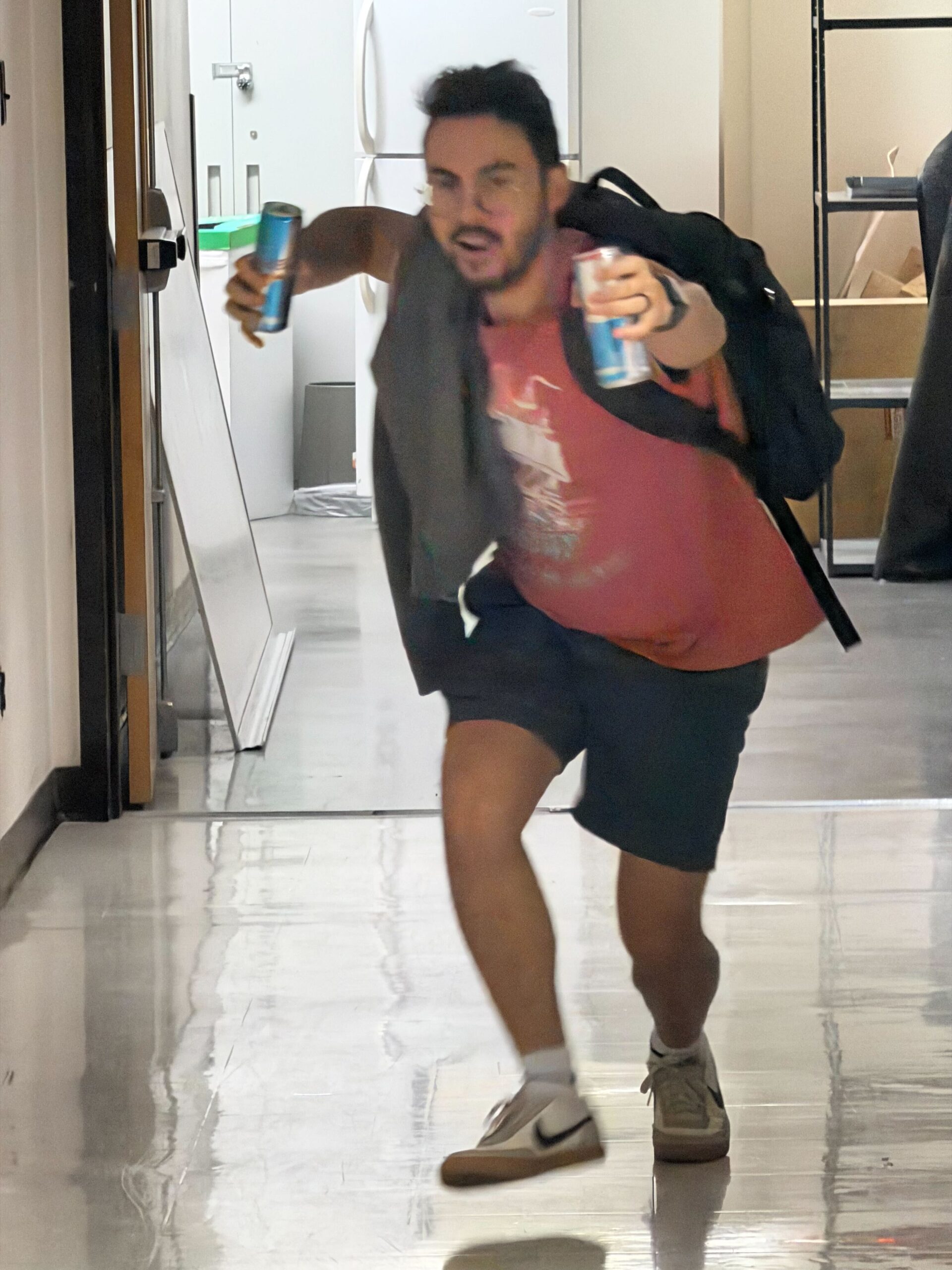
The day started with Jared, Katie and I flying from Santiago to La Serena with another minor delay of about an hour. As we were driving up to the summit in the afternoon, the remote crew back in Tucson were in charge of aligning and prepping Alycia’s observations. Due to us three being in Chile the remote crew had the privilege to stay up the whole night to operate MagAO-X, which means ‘doble’ the red bulls according to Jay.
Unfortunately, it was a rather poor night for observations. The wind spiked halfway through the night to over the telescopes critical threshold. This means the telescope operator must close the dome when wind speeds exceed 35mph and must remain closed until there is 30 consecutive minutes of wind speeds under that threshold.
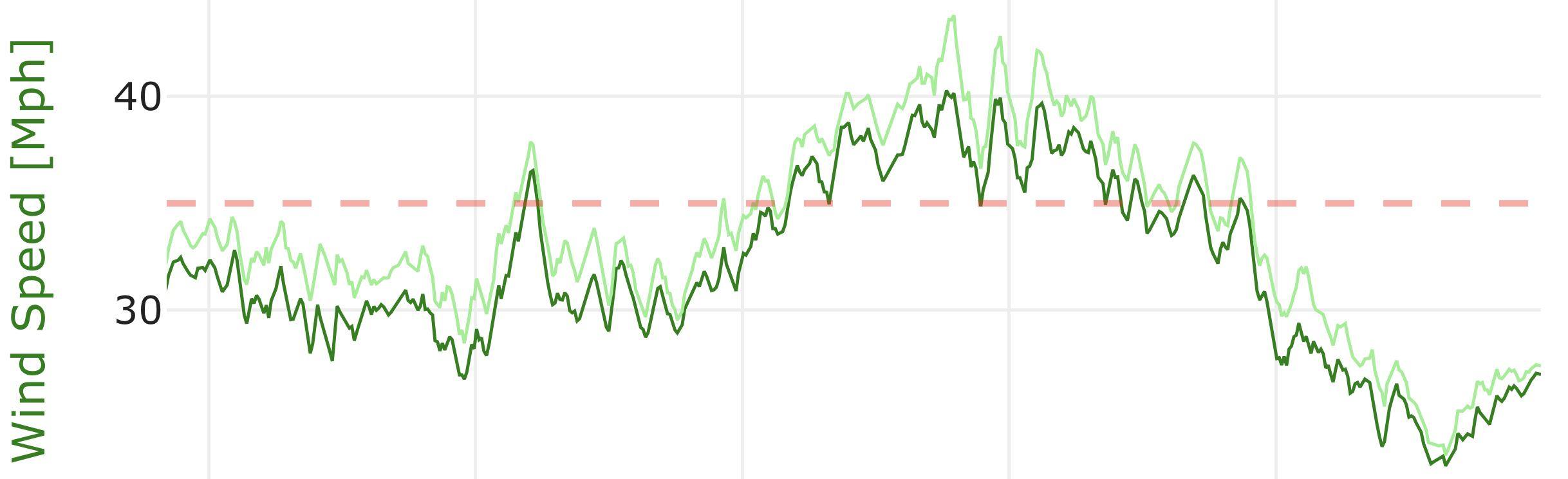
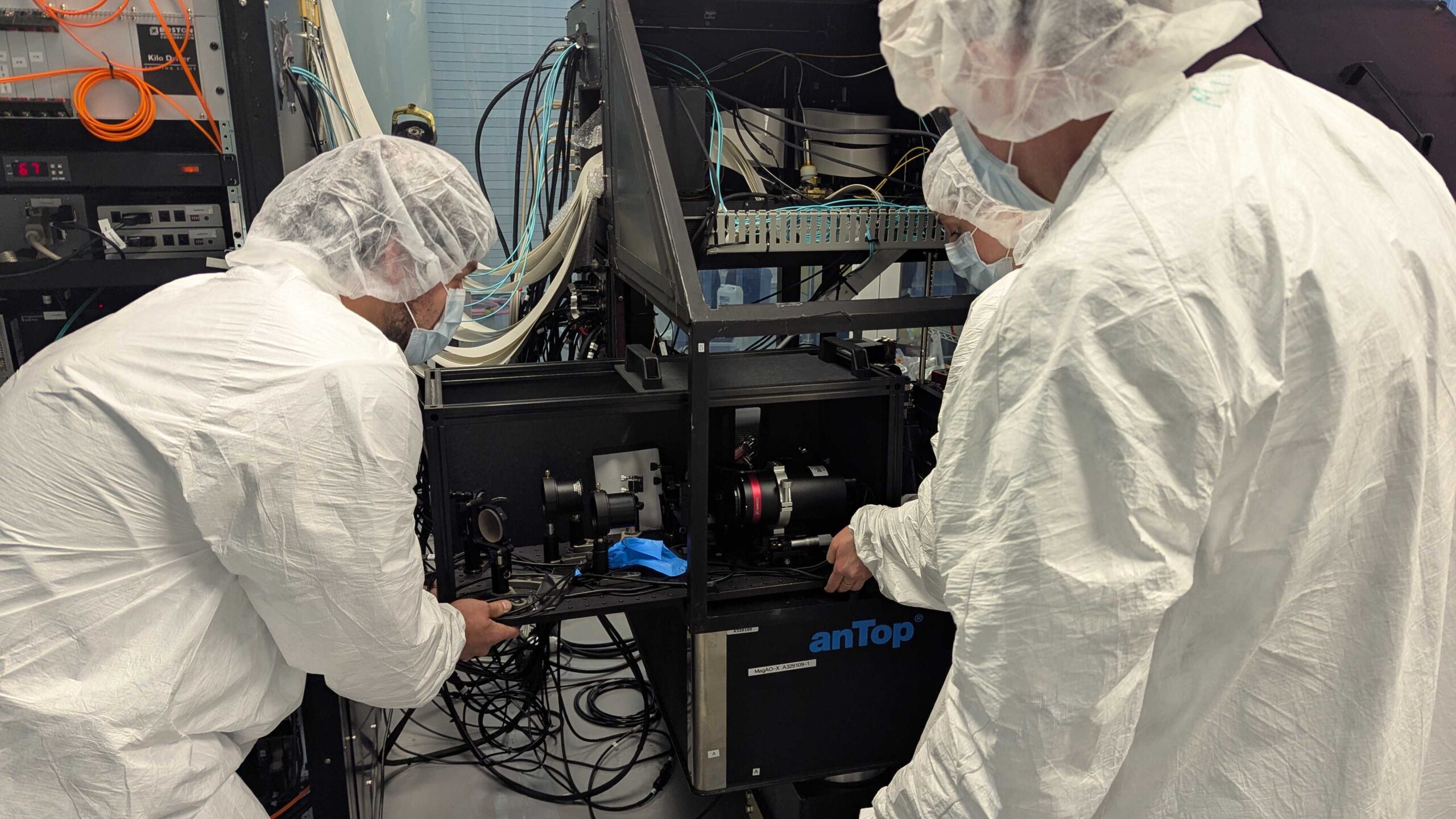
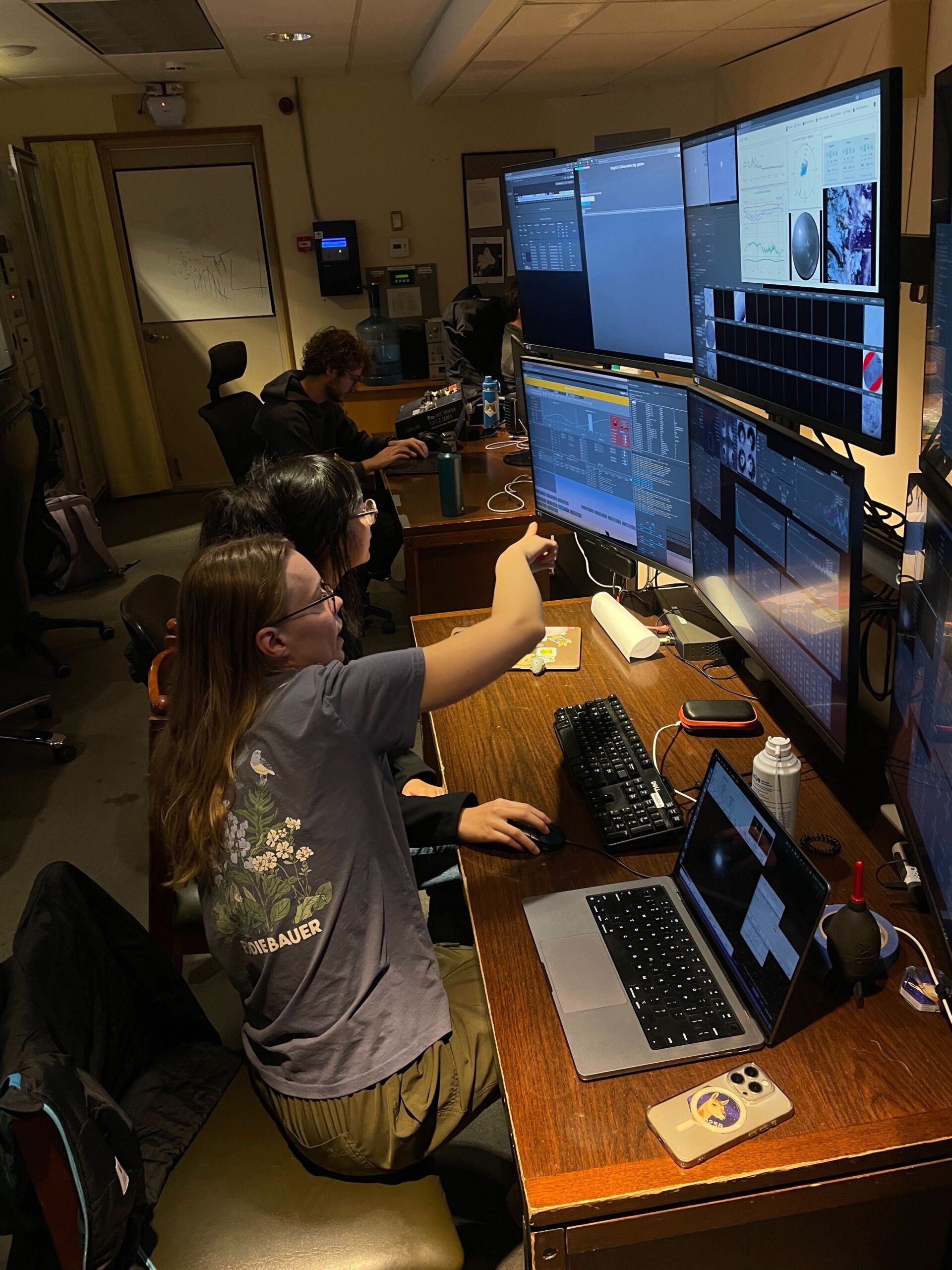
The telescope operator also informed us that if the wind speed exceeds 50mph, it is mandatory that we leave the control room and go back to the dorms for our safety. Despite the wind getting close to 50mph, there was still work to do if I wanted the opportunity to test predictive control using accelerometers, so the hard hat came out and we went to work.
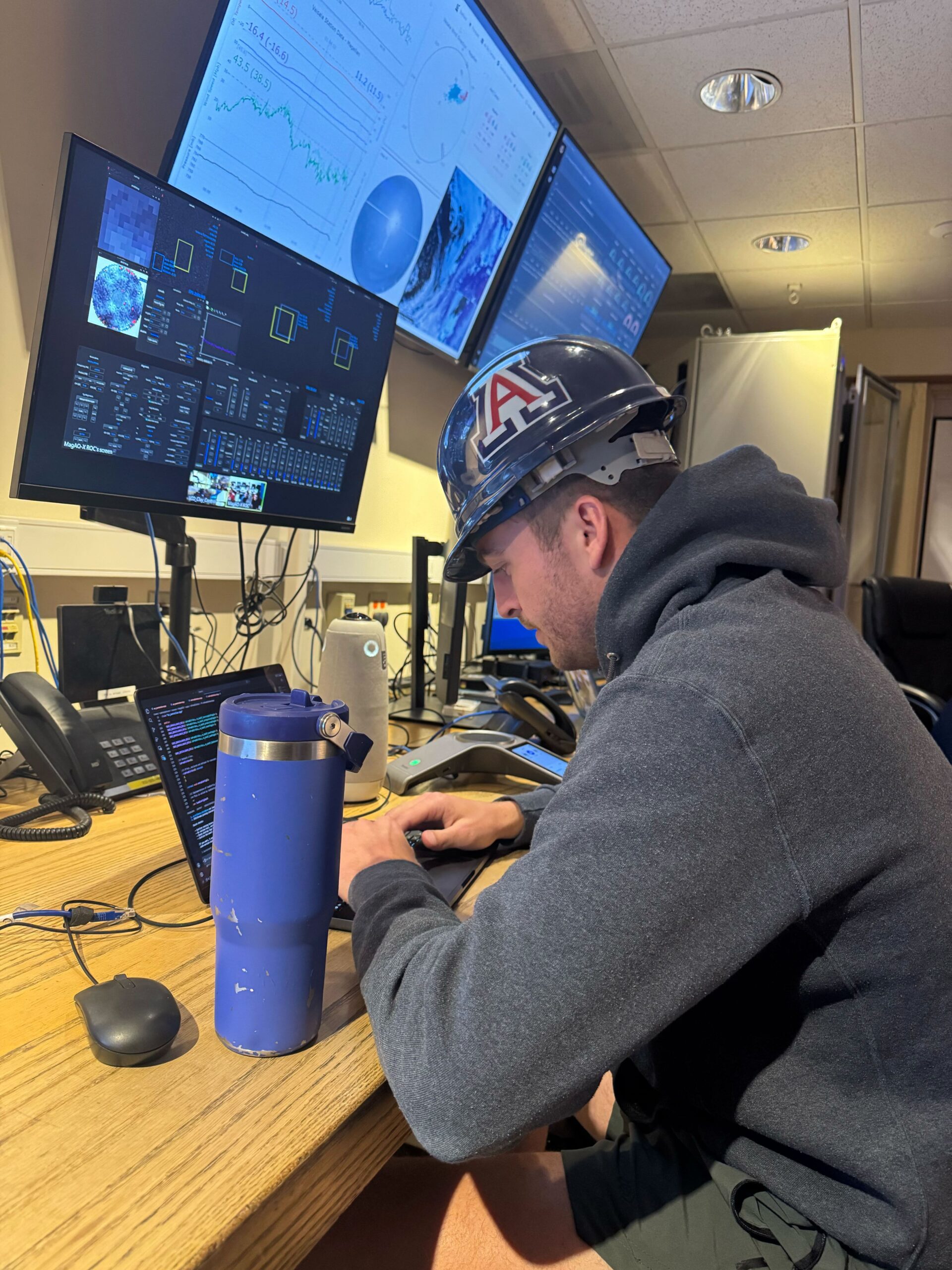
Alycia was able to salvage the end of the night after the wind calmed down and was able to observe another target. Sebastiaan also hoped back on Zoom at the very end of the night (and right before his lecture in Leiden) to take some predictive control vs integrator data and help me test the accelerometer predictive control.

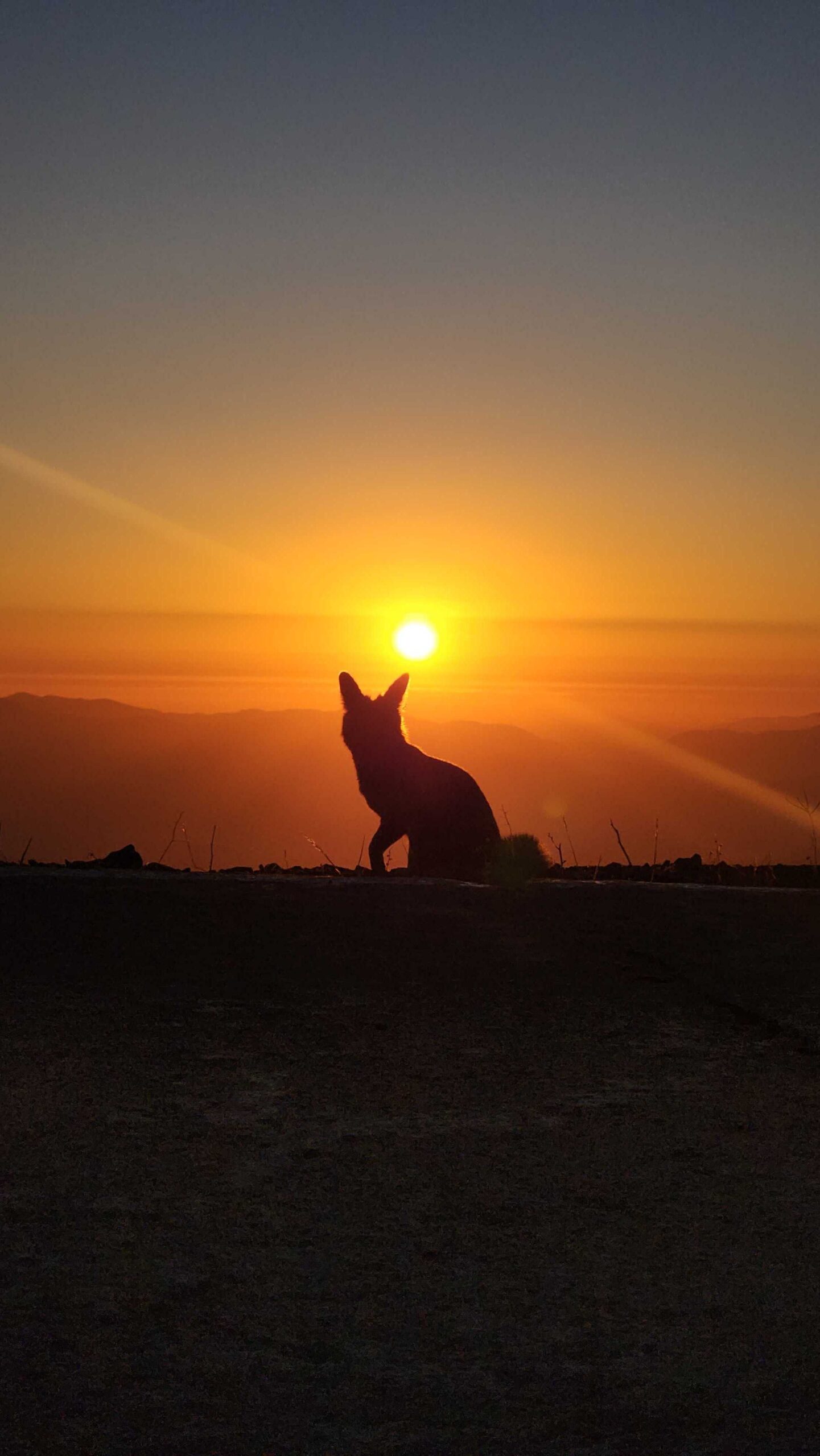
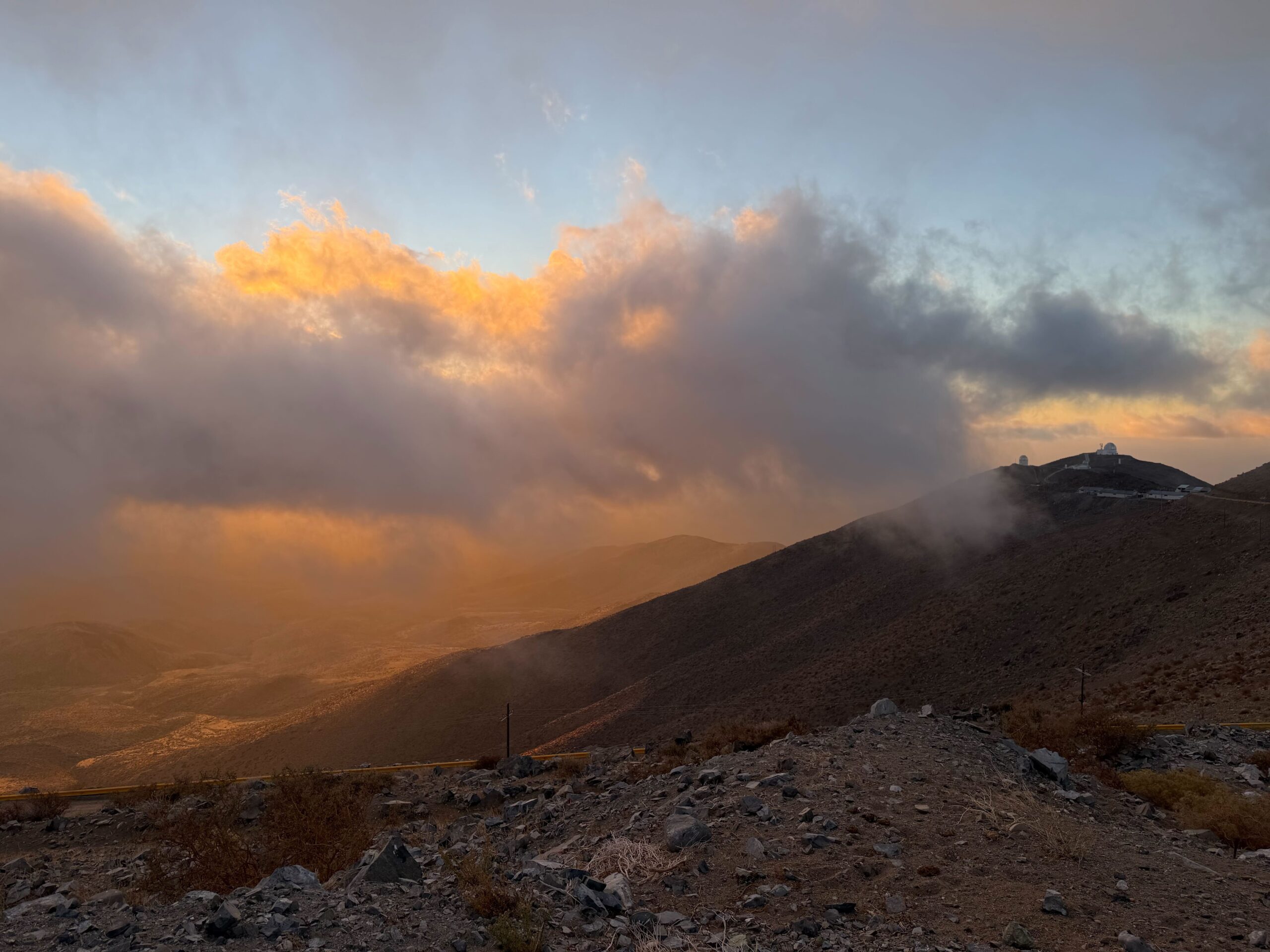
With that being said, Jared, Katie and I made it to LCO safely and got to take in another great LCO sunset after a long day (or two) of traveling.
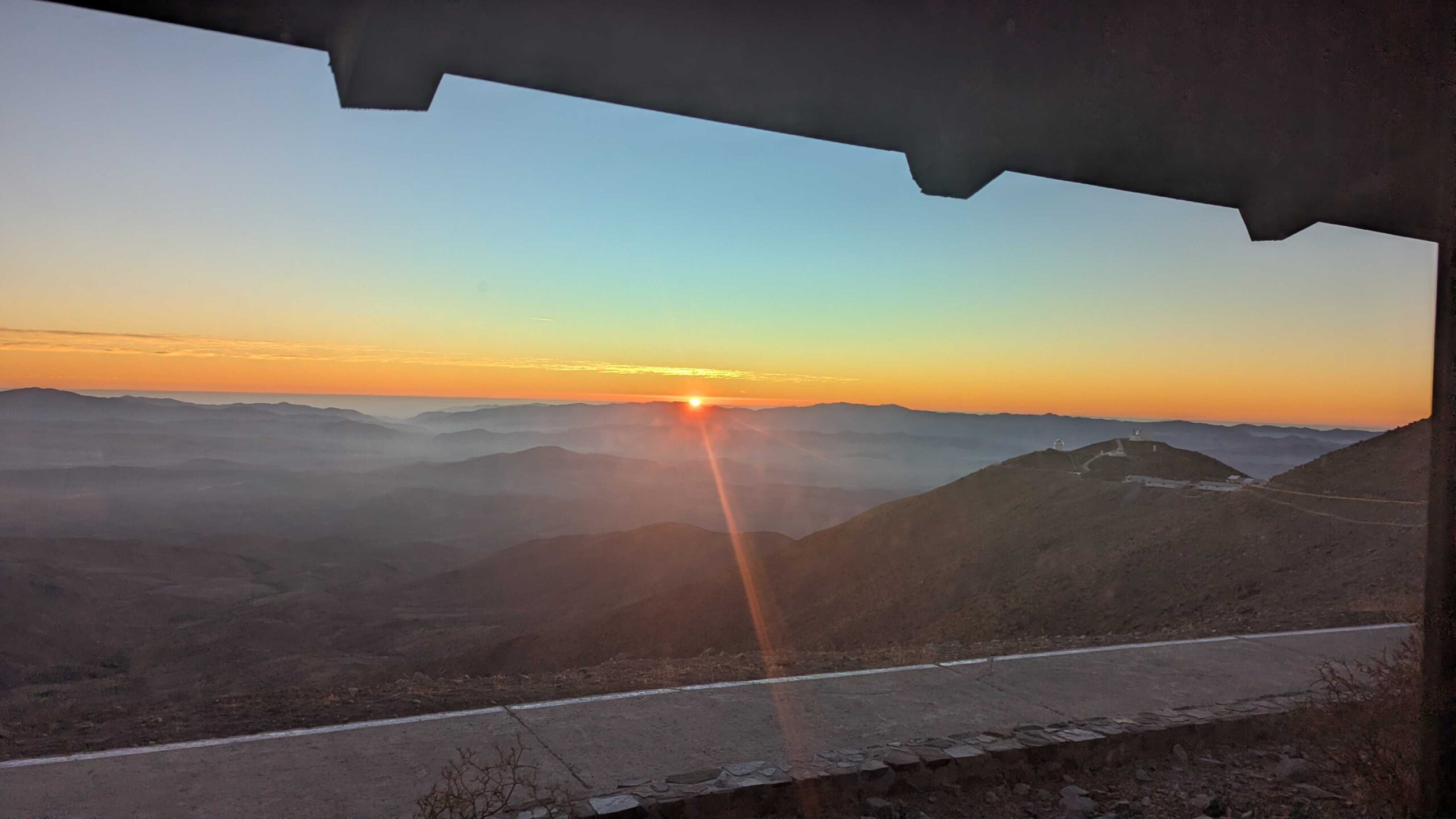
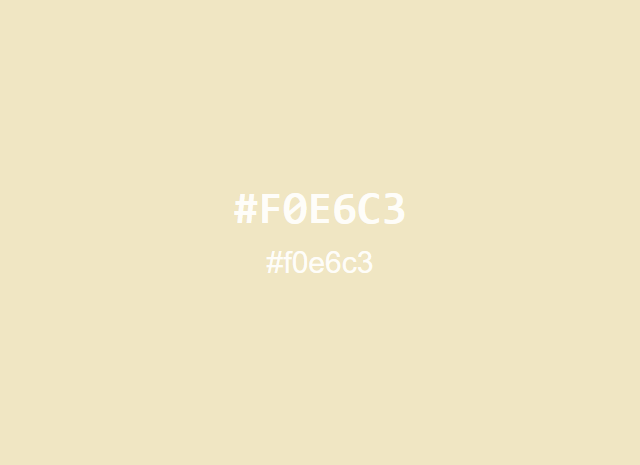
Color of the Day

Song of the Day
MagAO-X 2026A Day 20: Star Hopping and Special Guests

The observing night started with myself (and Josh to supervise me…) aligning the instrument rather early before observations began. Since I am less familiar with the startup and aligning process, this was a good time to get some practice in.

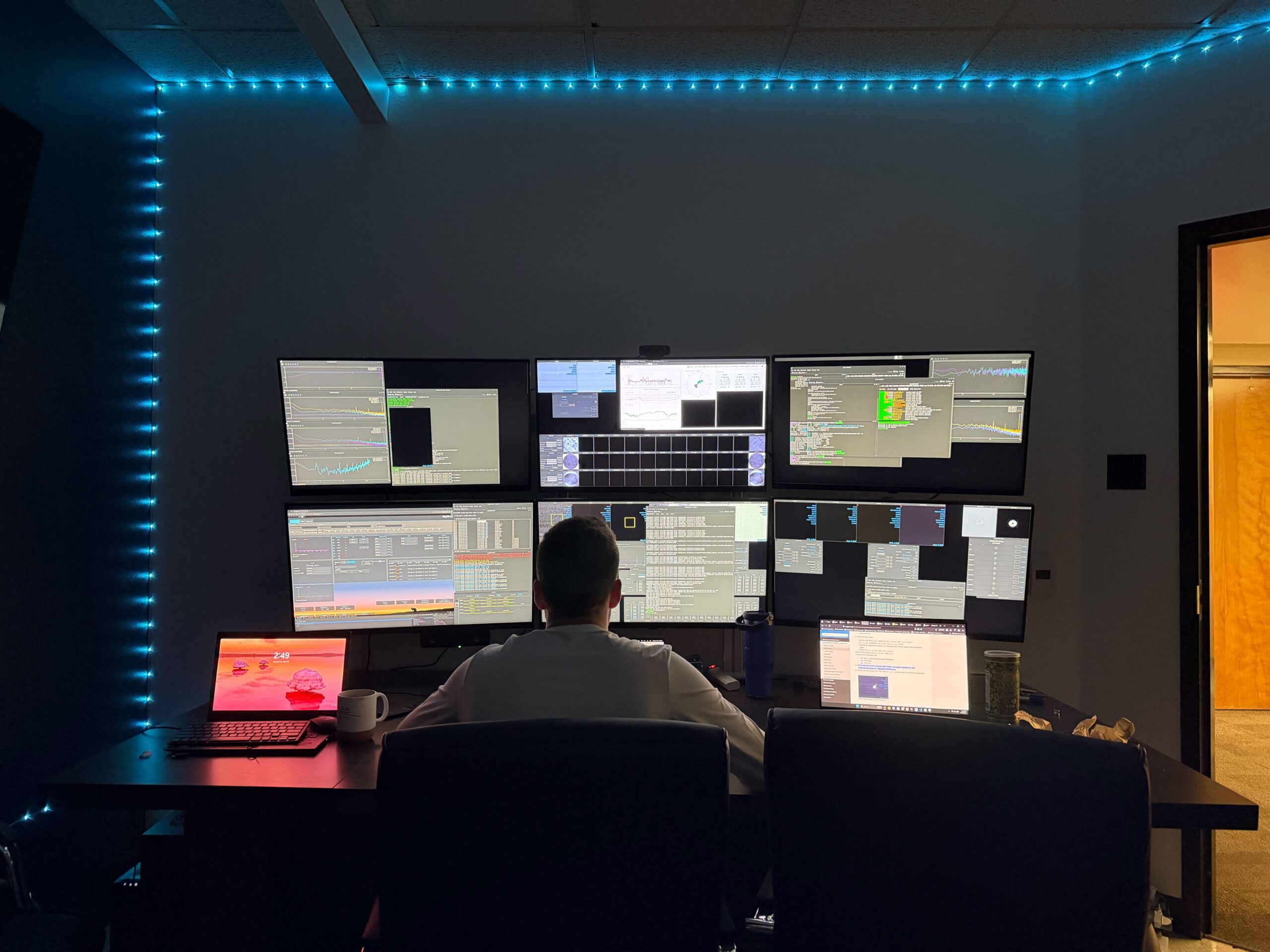
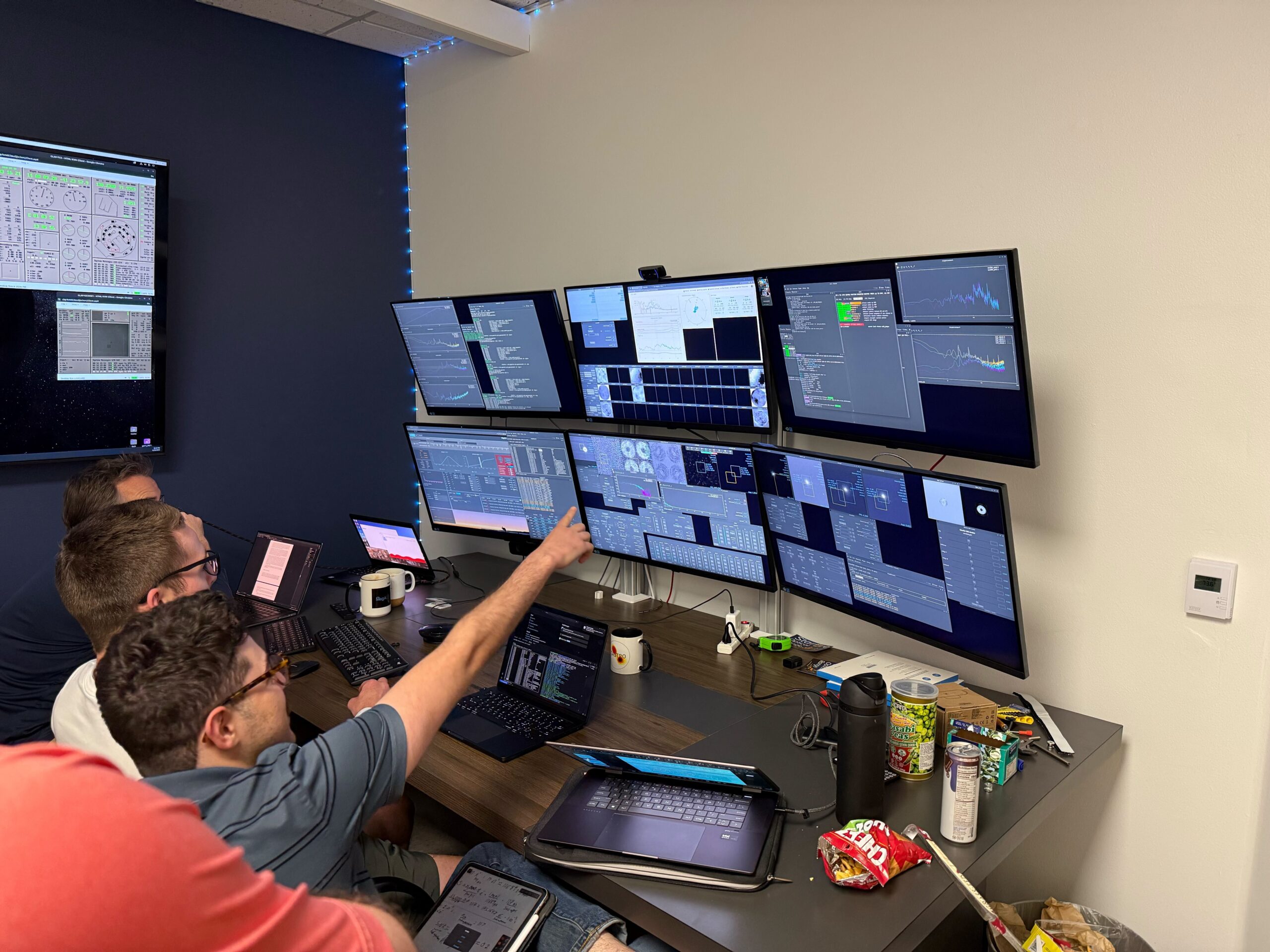
Once aligned, we began the night with our collaborator from MIT joining us, Jensen Lawrence. For these observations, the AO operators had to remain actively involved because we used a technique in which we switched between a science target and a reference star of similar brightness. This target and reference switching allows for post processing PSF subtraction.

Throughout the night, we had some special guest appearances. First and foremost, Steward observatories very own Director Buell Jannuzi stopped by to see how remote observations were going. Shortly after, MagAO-X alumni, Maggie Kautz showed up and Josh proceeded to give her an overview of the current state of the instrument and the science being done.

Around 10:00PM Tucson time, the second shift relieved the first shift of their duty. Shout out to Katie for making a Costco run to load up with some snacks.

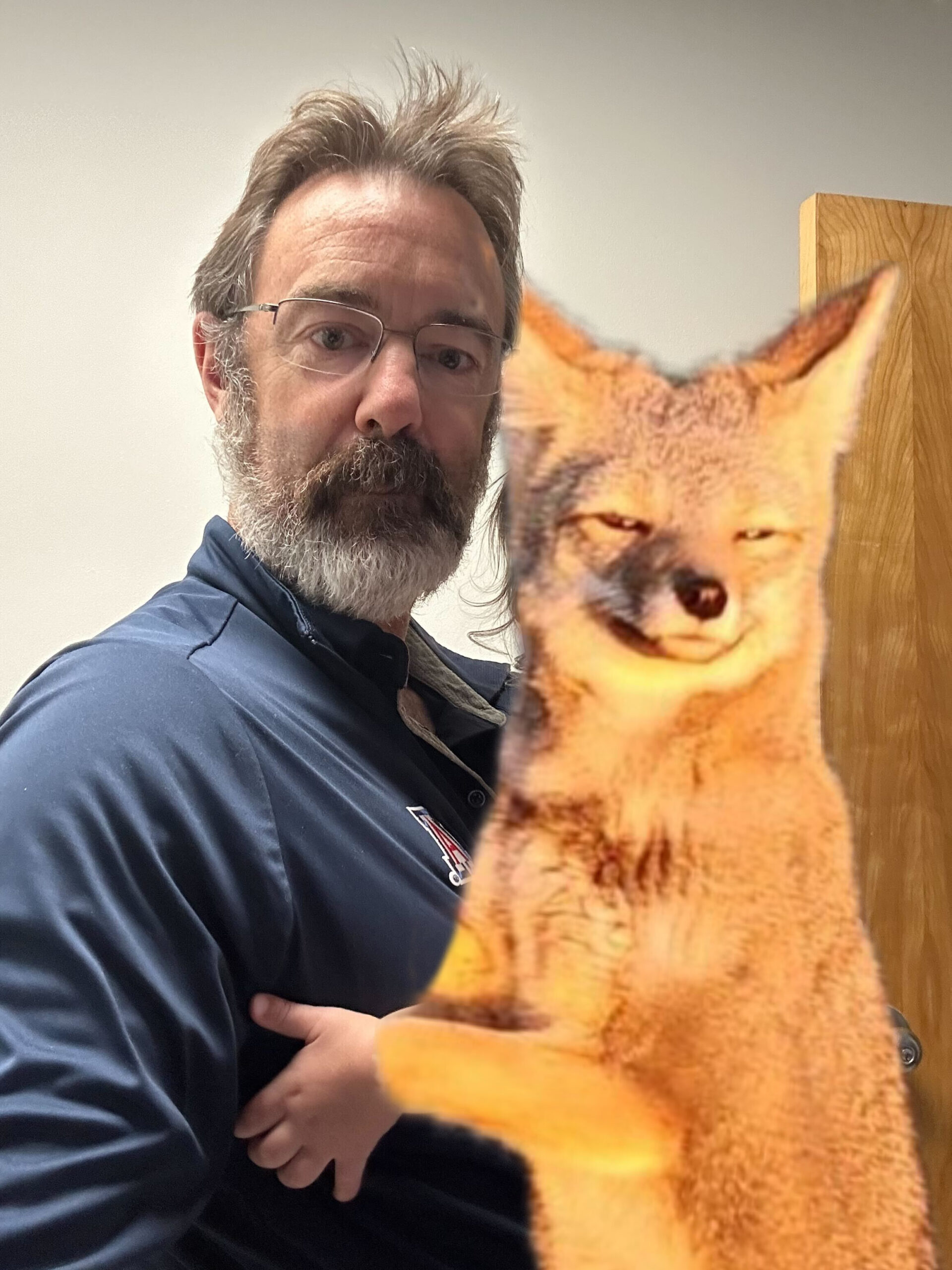
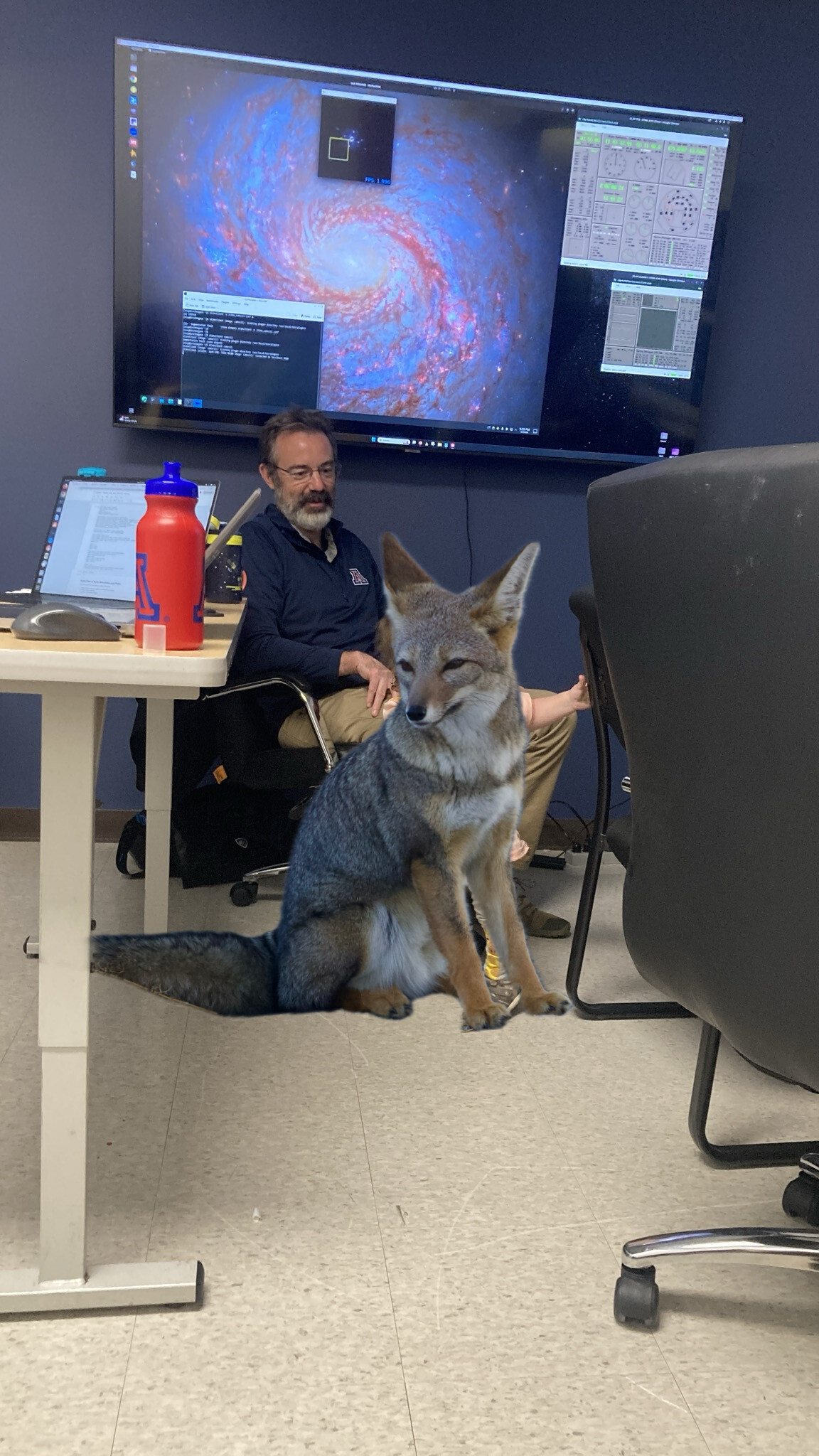
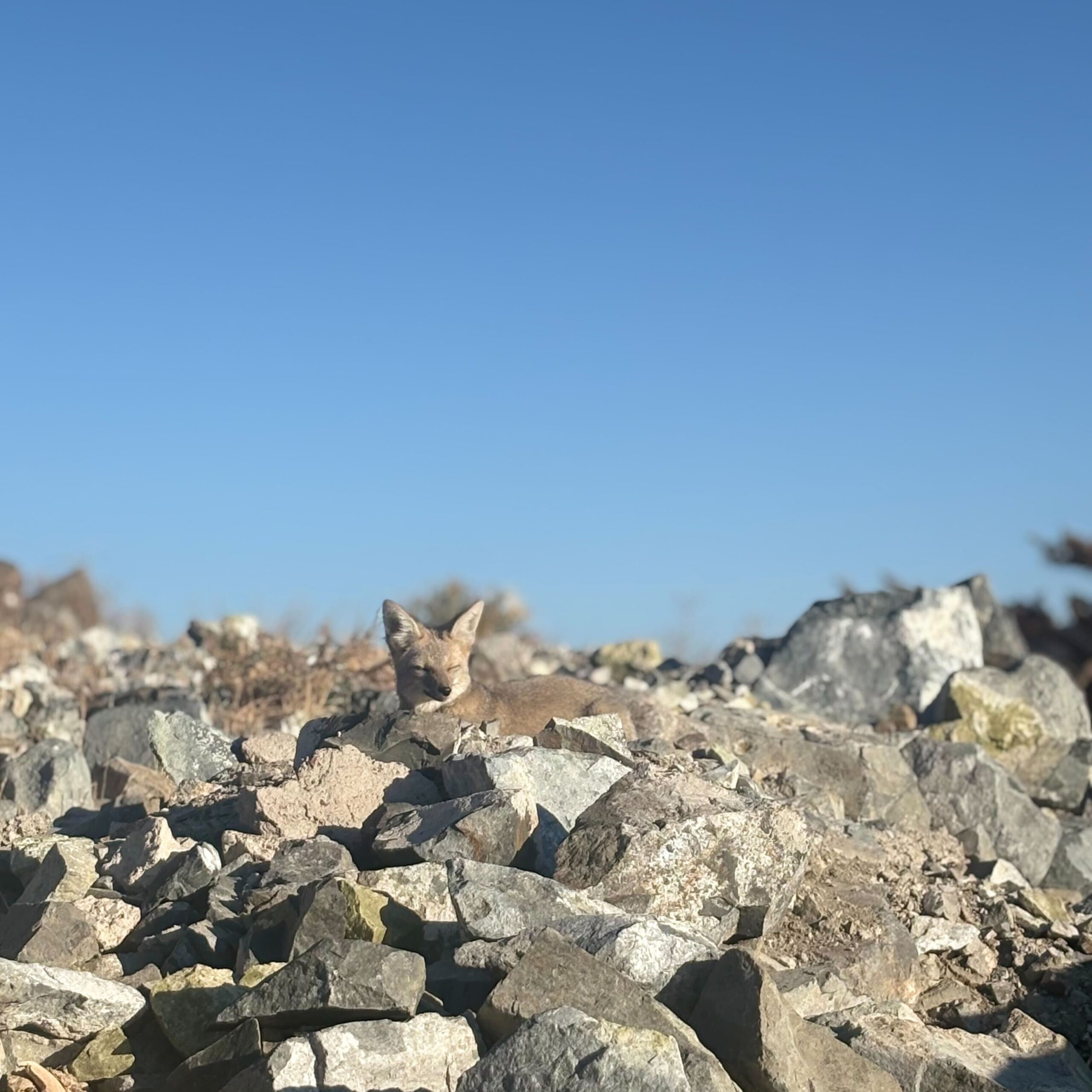
The special guests didn’t stop for the night either. Our favorite little culpeo made an appearance. Jared seemed to make friends very quickly.

Color of the Day:

Average color of a culpeo shakes out to be roughly the same as “Nuthatch”.

Song of the day:

MagAO-X 2026A Day 14: Back Online

The day began with the LCO engineers troubleshooting an issue we were having with the telescope last night. After spending many hours during the night and 10 hours during the day, they were able to determine there was an open loop somewhere in the motor through electrical measurements. They found the part that was causing the issue and replaced it with a spare. Big thanks for the great work and quick work done by all the LCO engineers and staff to resolve this and allow us to get back to normal operations in the evening.

The night started off with a former MagAO-X group member, Logan Pearce, joining us from Michigan for the first half of the night. She was able to successfully observe multiple stars with potential white dwarf companions.

The next part of the night we were joined by another former MagAO-X member, Lauren, who is now in New Mexico. We spent the majority of the time working on imaging and using AO on extended objects, which will be an important feature for GMagAO-X since it will be resolving objects.

We ended the last couple hours of the night back with Logan, as well as her student, Emi. There final target was a very interesting observation of a binary star system with the potential for an additional brown or white dwarf gravitational bound too.

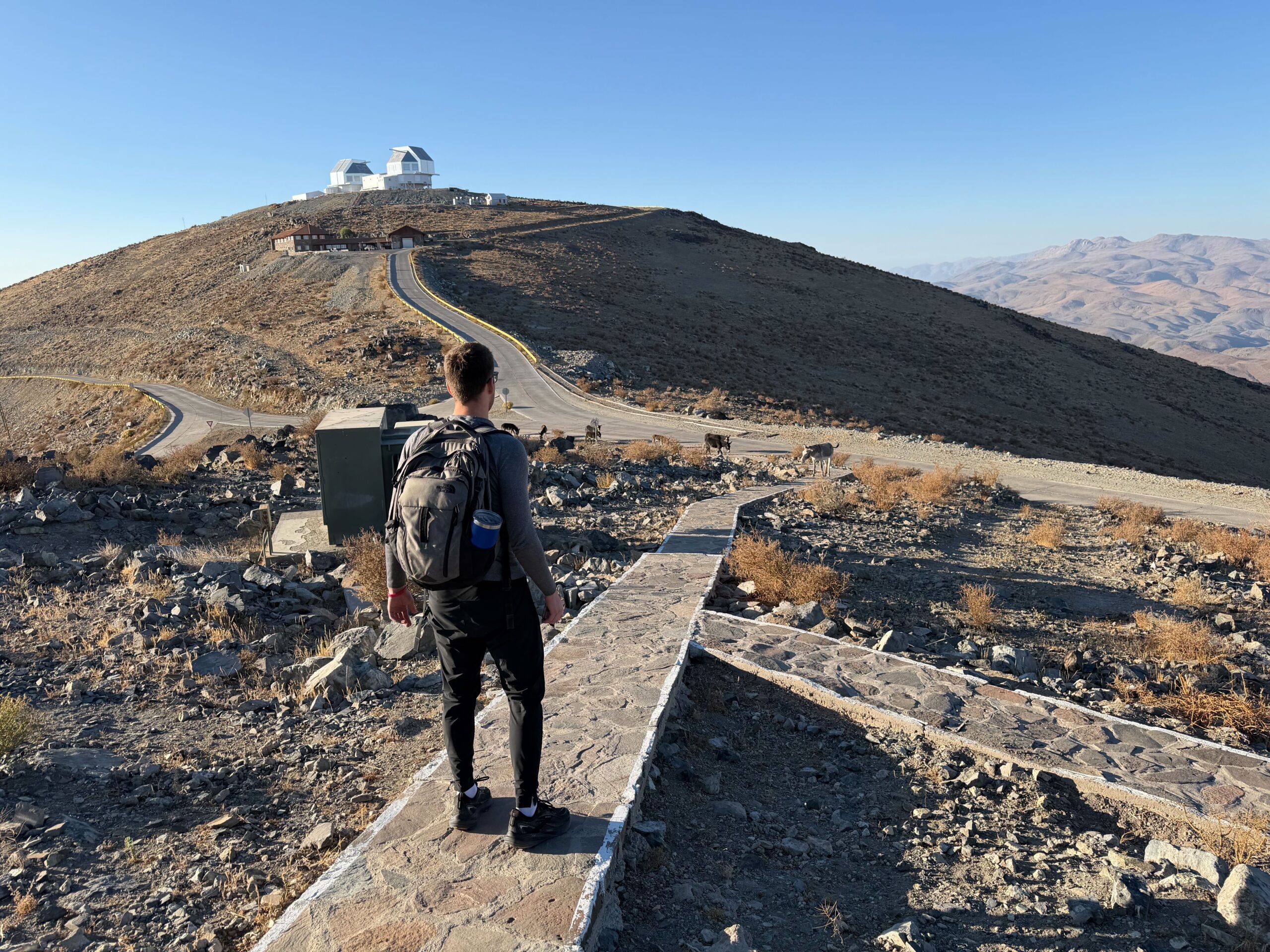
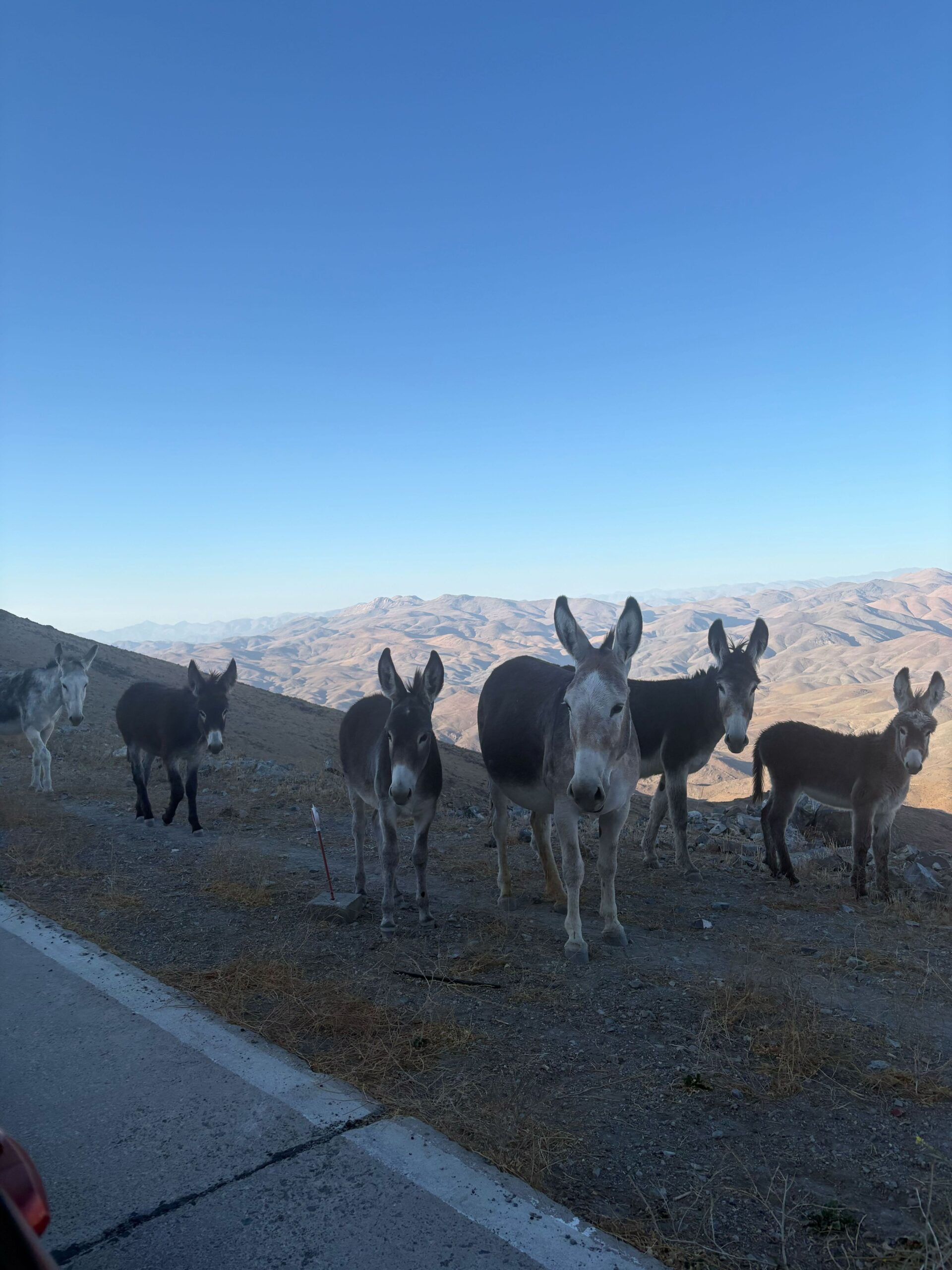
A day at LCO isn’t complete without reviewing the local wildlife encounters.

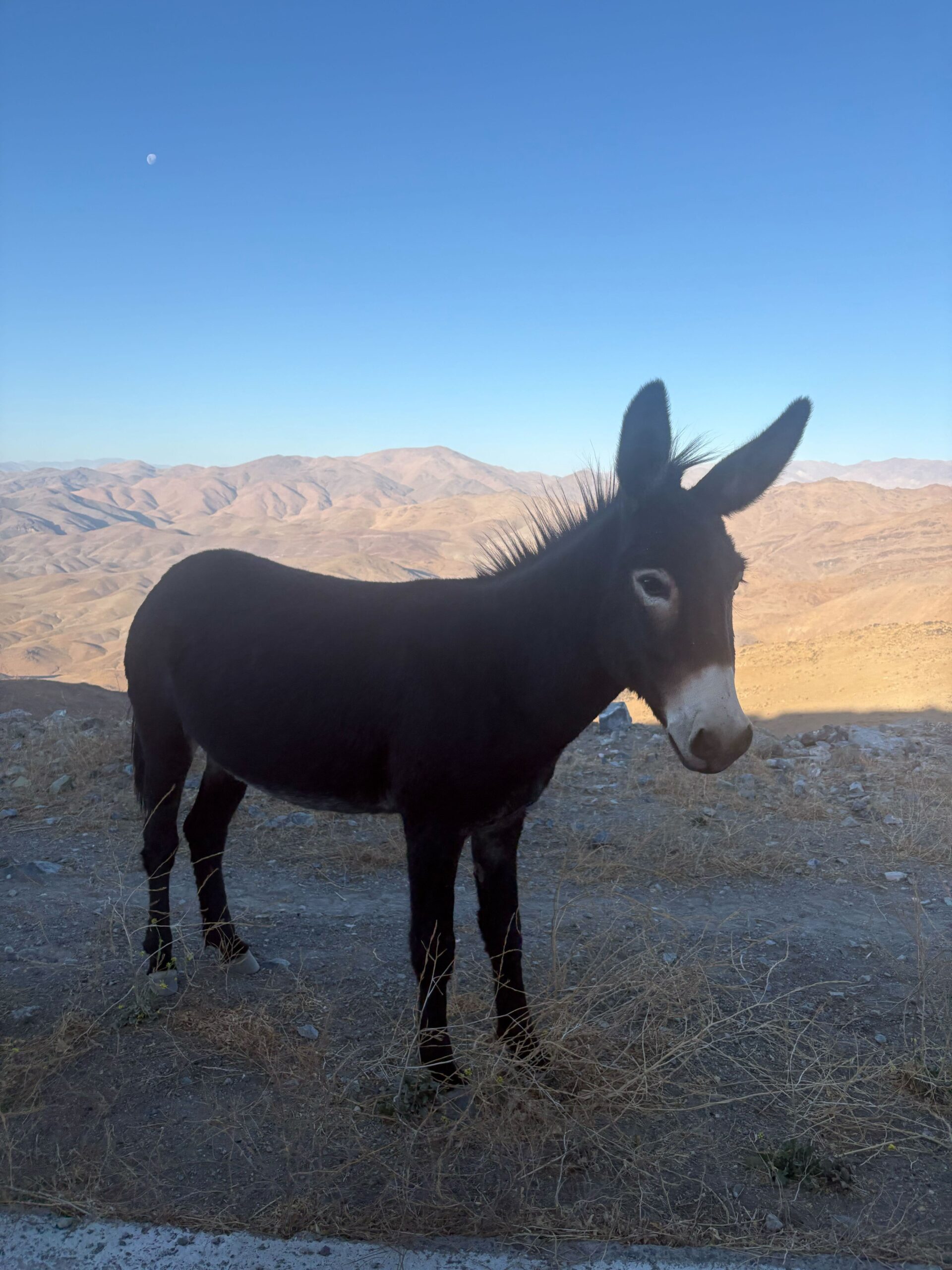
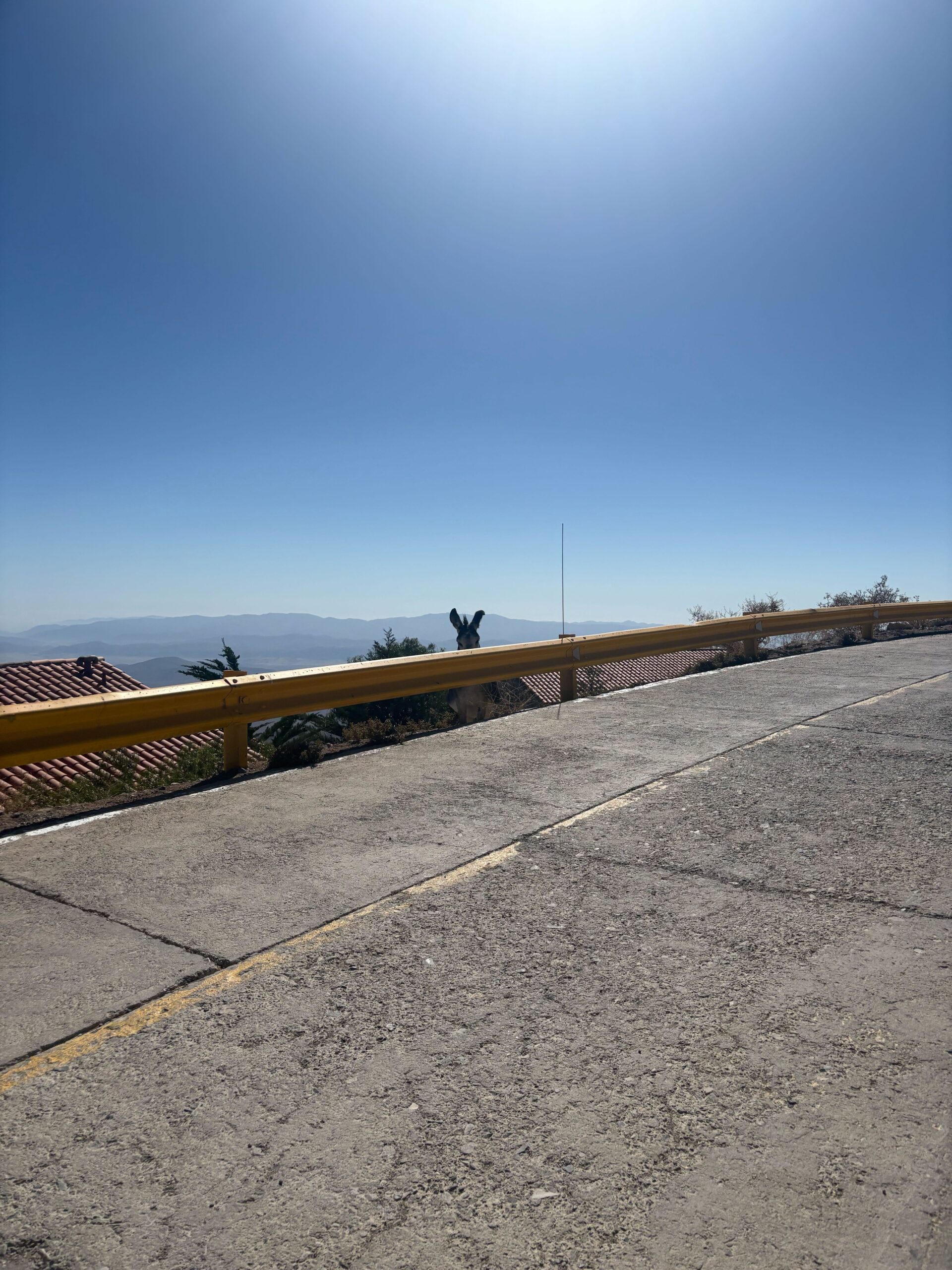
About a dozen Burros refused to let me walk up to the summit, and a few of them even began walking up the path toward me trying to intimidate me, which worked.

Color of the day: Guy Fiery Flavor Town Donkey Sauce

Song of the Day
MagAO-X 2026A Day 6: Big Red and Big Upgrades

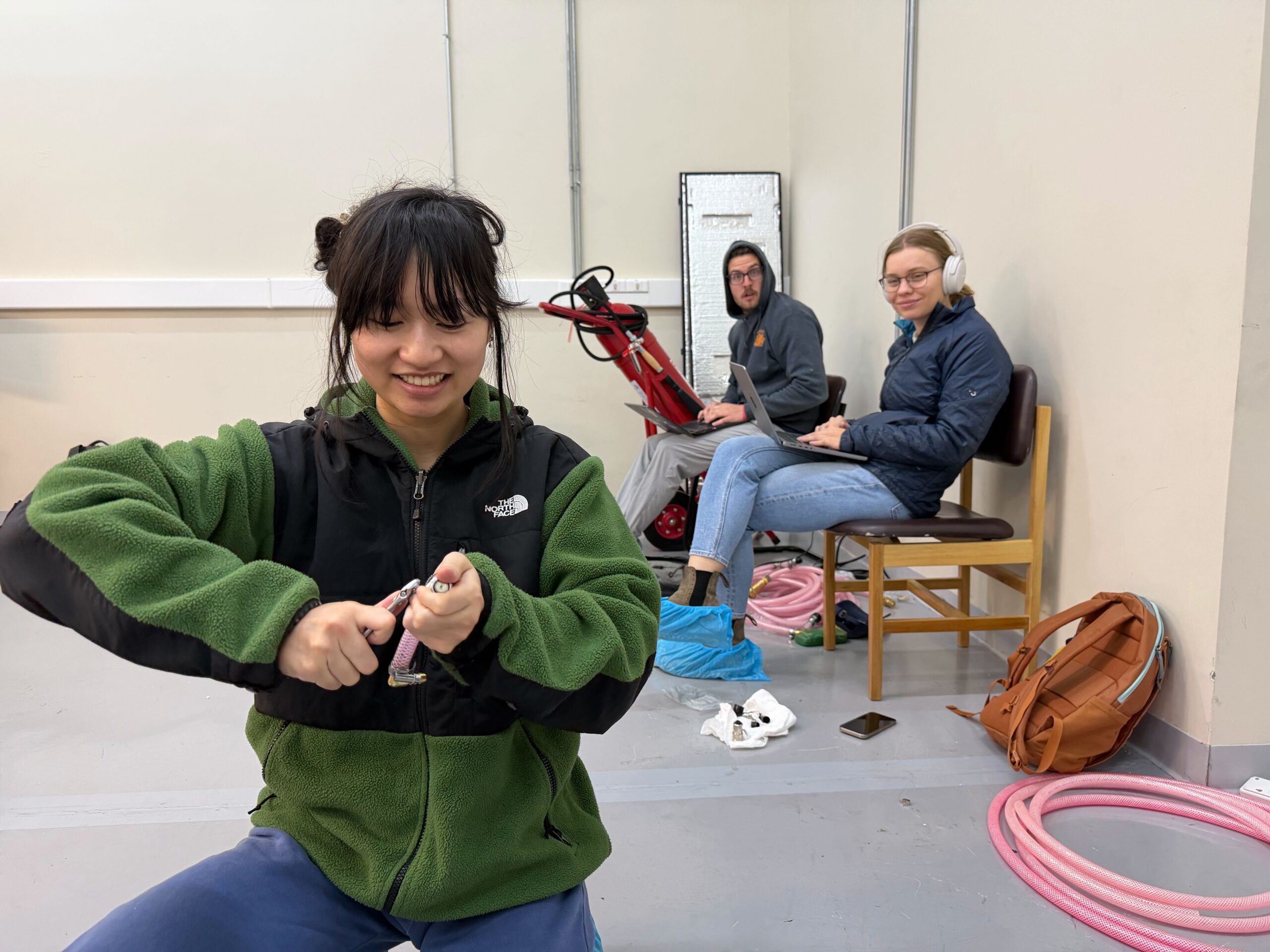
Today started with Tiffany putting in some plumbing work for MagAO-X. We added a new glycol port to go into the side instrument panel to cool the new IR camera being installed within the next week.

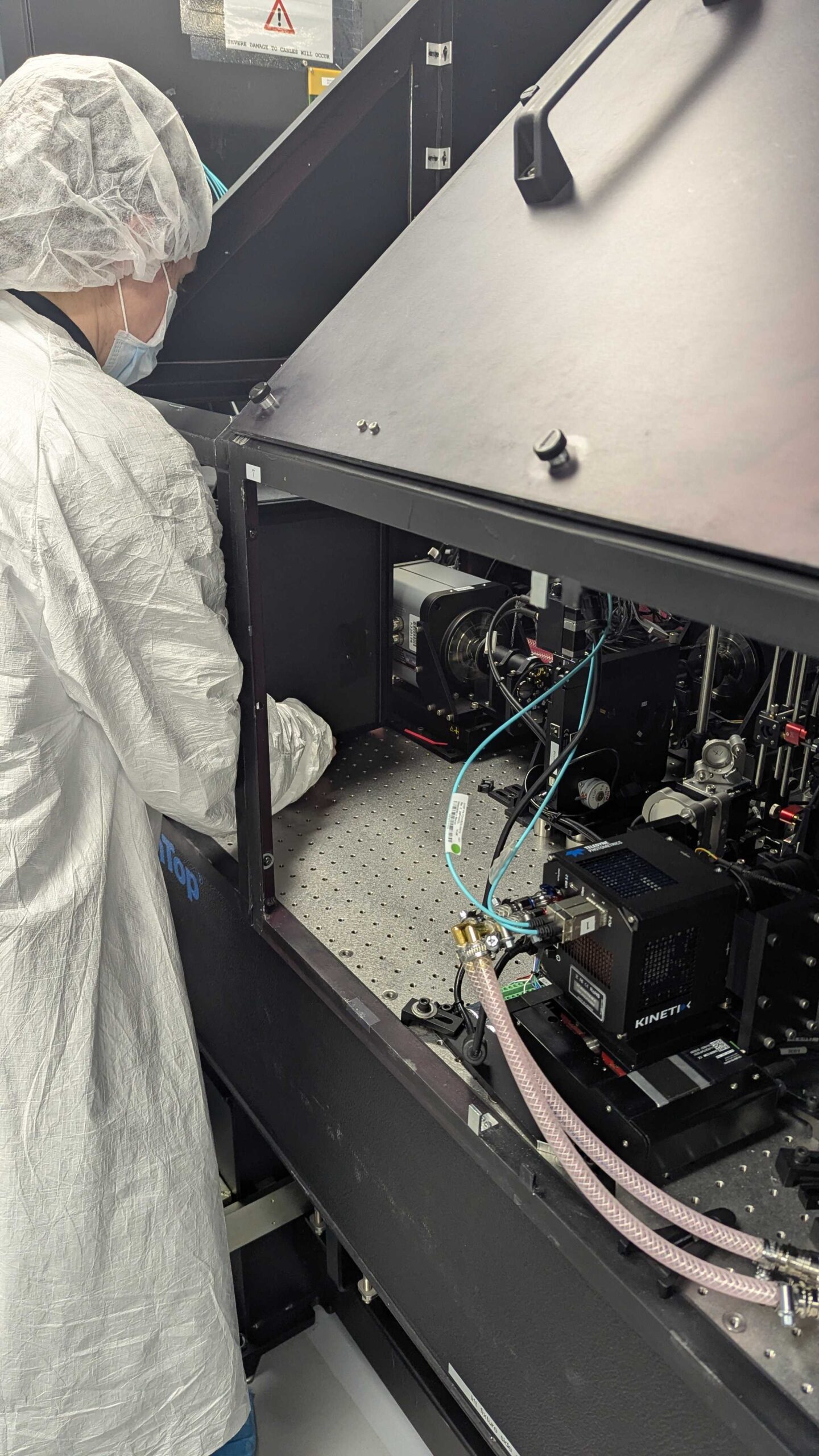
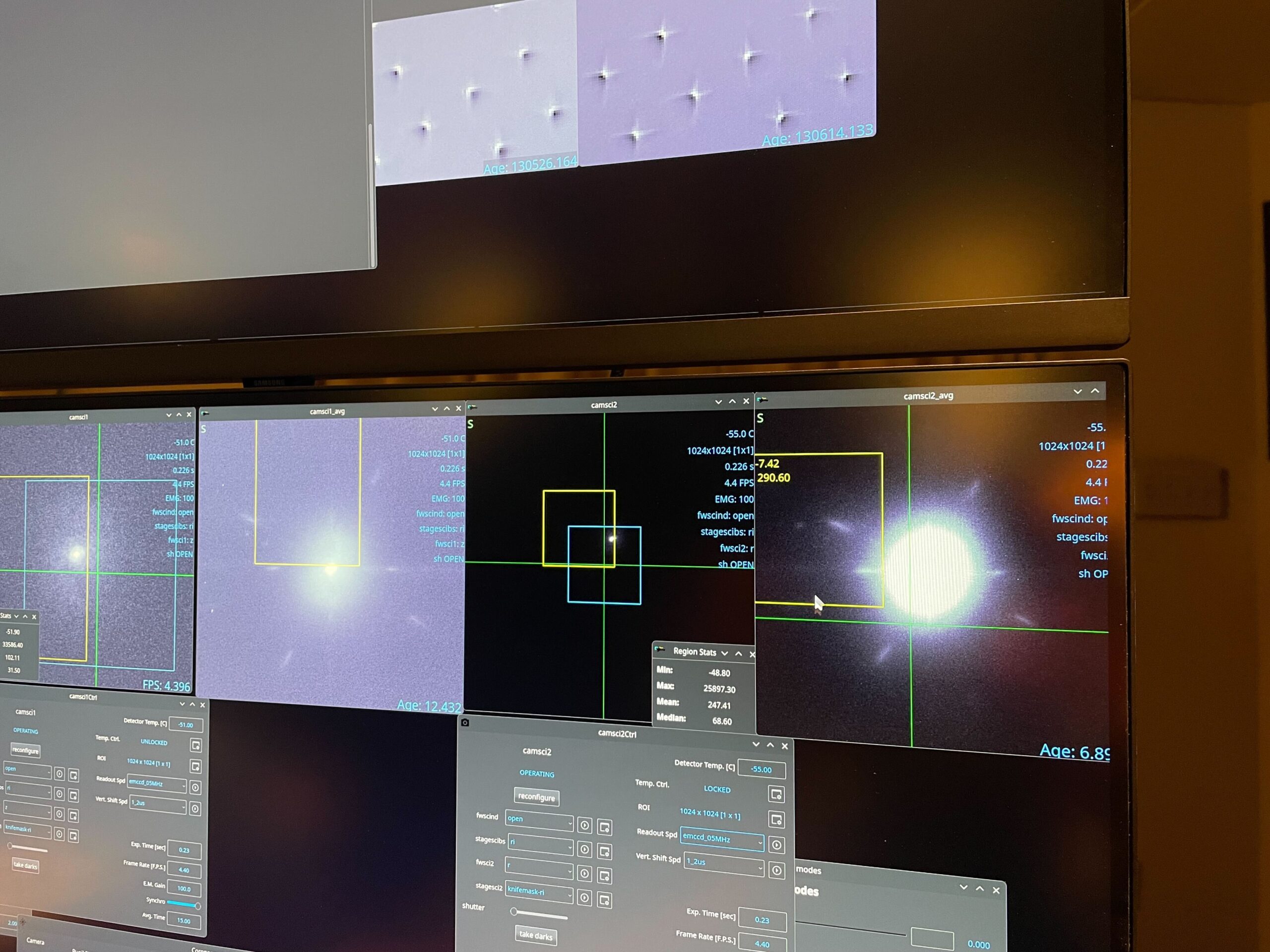
In order to make space for the new IR camera, Sebastiaan and our collaborators from Durham University, Rob and Viktoria, performed surgery to remove VisX from its home in the instrument. The goal of this upgrade is to allow for first ever IR imaging with MagAO-X and to measure the overall throughput and strehl ratio of the instrument at IR wavelengths to drive design considerations for a future spectrograph.

Luckily, we are still working in the cleanroom since some healthy-looking clouds are making tonight look unpromising for observations.

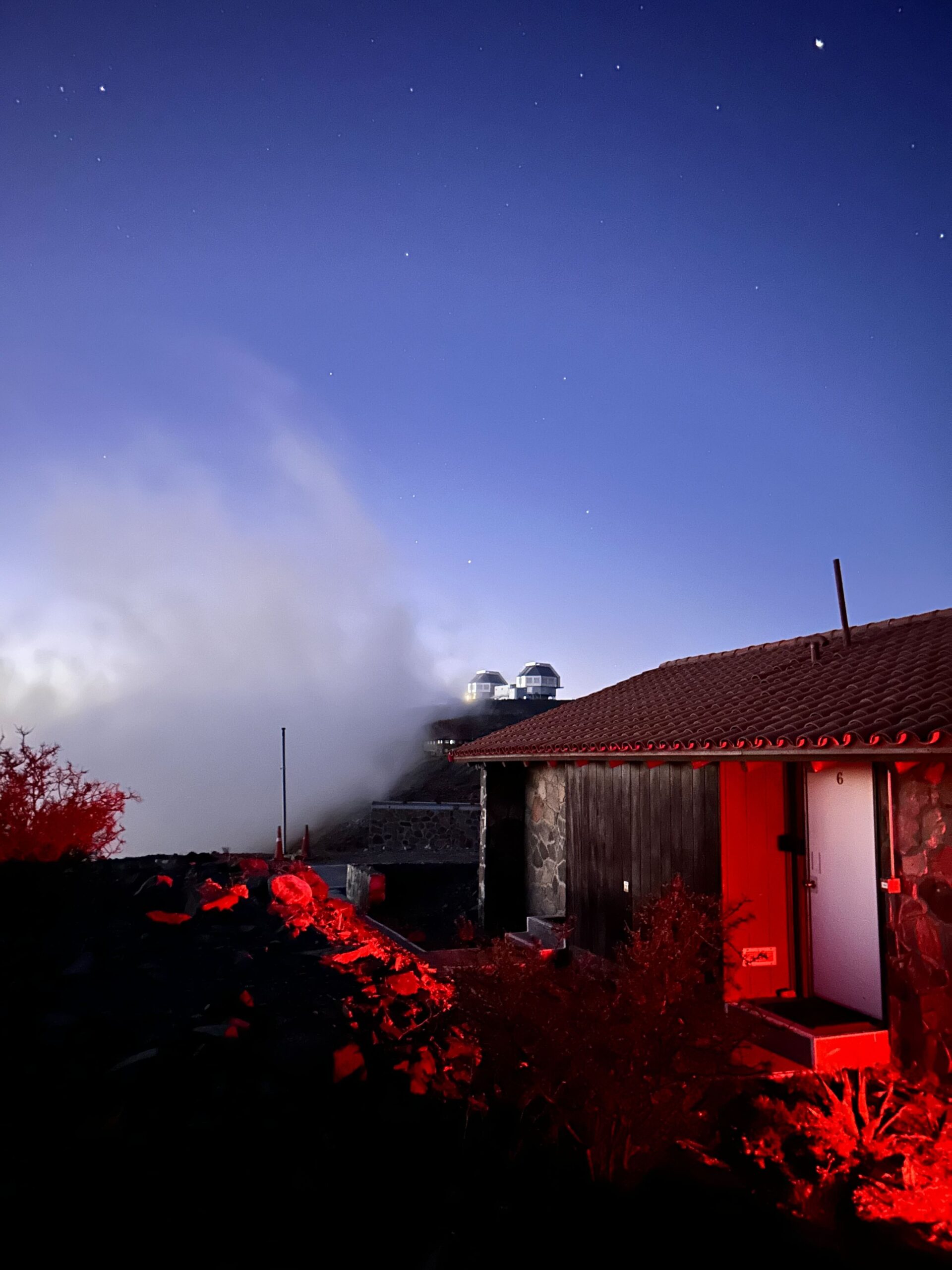
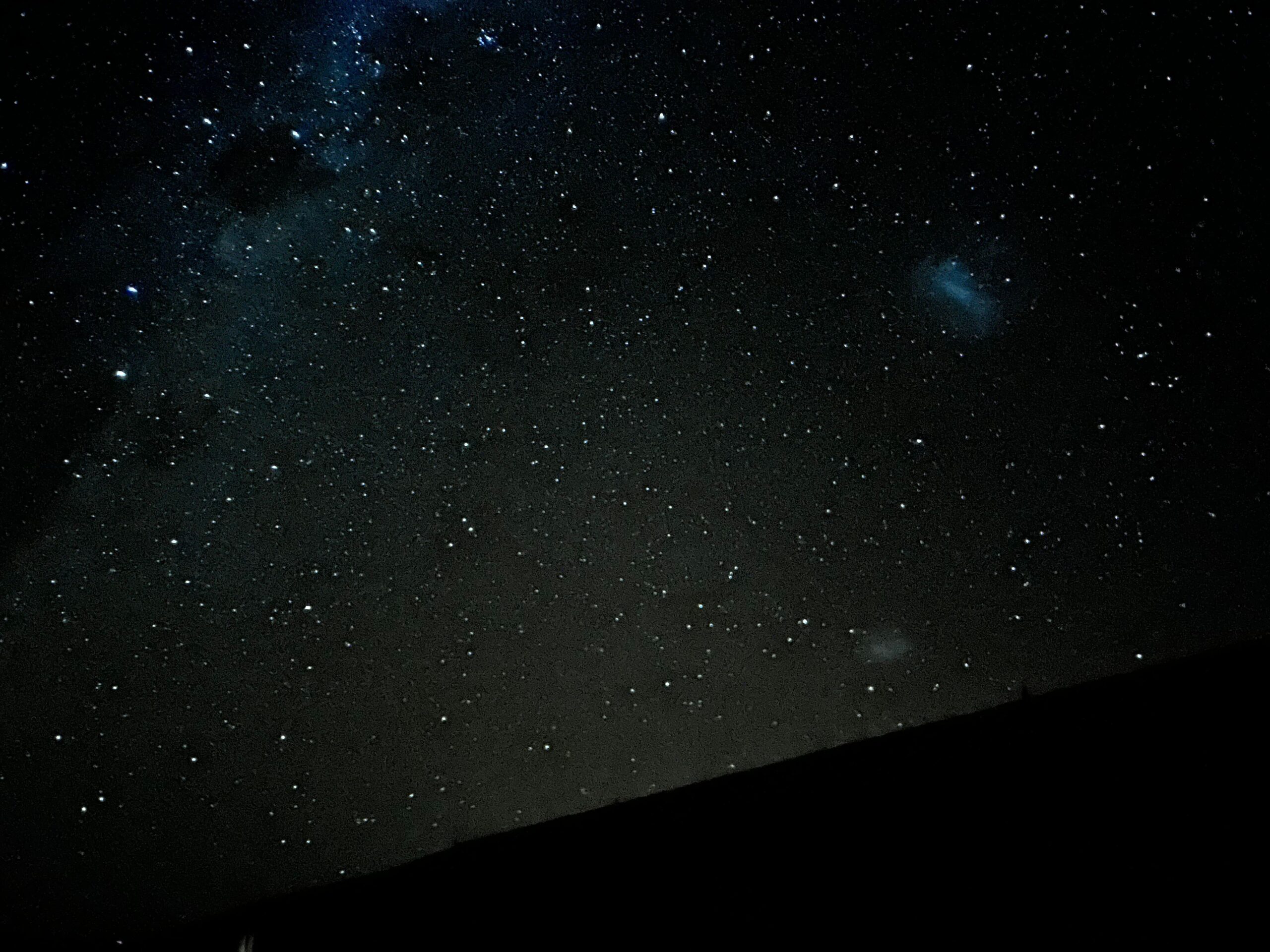
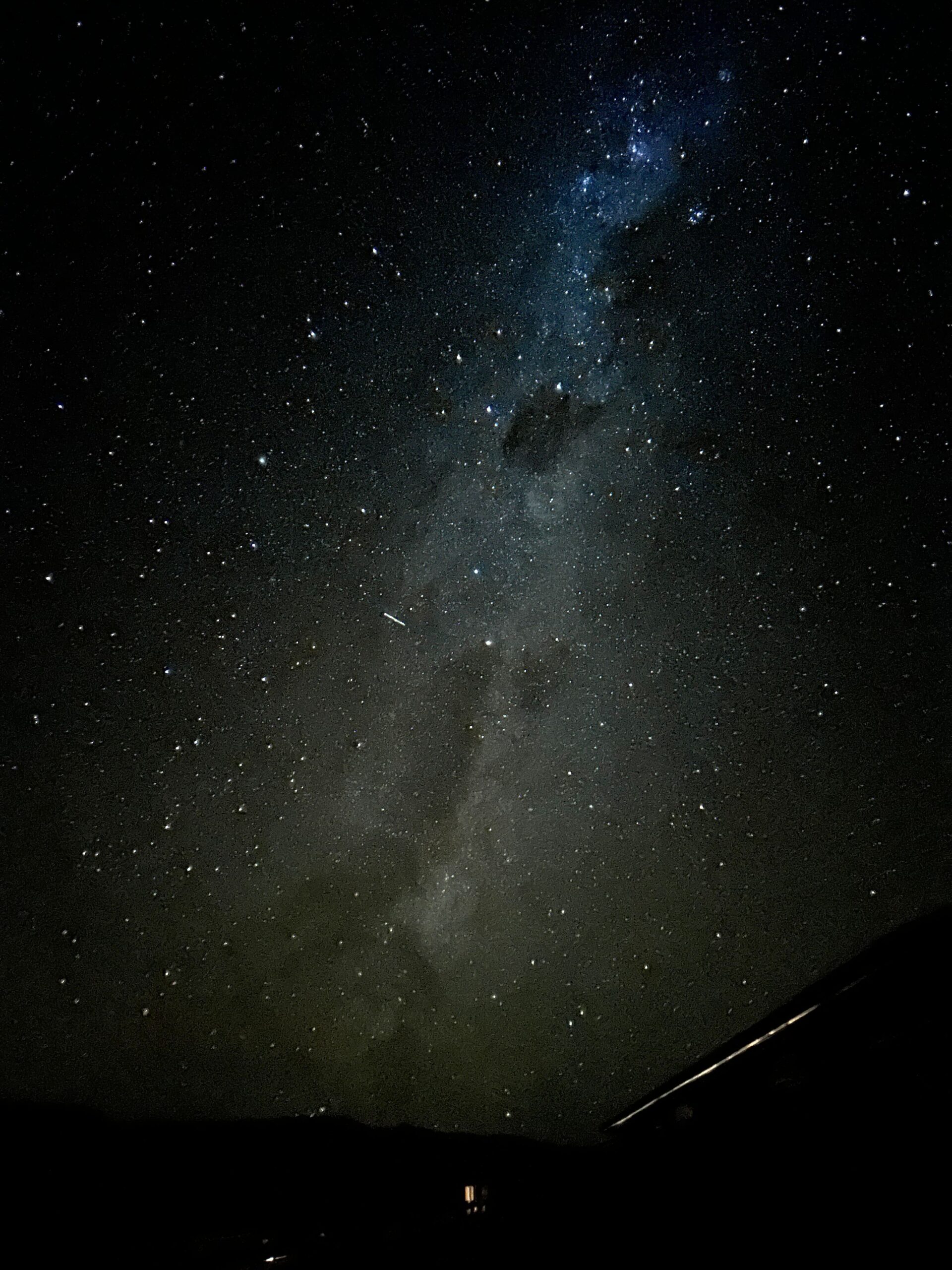
Despite a rather brisk and windy night last night, I was able to take advantage an extremely dark night and get some pretty impressive pics of the Milky Way and Small/Large Magellanic Clouds with just an Iphone14.

Color of the Day

First, I have to give a shoutout to AZ for having the largest margin win in nearly 3 decades in the tournament. But more importantly, BIG RED is one step closer to making the trip to Indianapolis for the national championship game! With the being said, the color of the day is BIG RED!

Song of the Day
MagAO-X 2025B Day 10: Too Close for Comfort
Tonight started with Katie, Tiffany, and Josh as our dedicated graduate student MagAO-X operators. They were tasked with assisting Logan with her observing program in the first half of the night. While the conditions started out rough, they stabilized after an hour or two on sky.

When 1:30AM approached, it was time to switch to Eden’s observing program. She is on her second of 5 half nights during this run and is taking super interesting scientific observations using the newly commissioned PIAACMC which Elena has spent a lot of time getting to work on sky.

Exciting discoveries are already being made in our short time here at Las Campanas Observatory. Below are images in the z and r bands of two little guys hanging out around a star:

On top of spotting faint objects on sky, preliminary data reduction has shown there to be a super faint little guy hanging out near it’s host star:

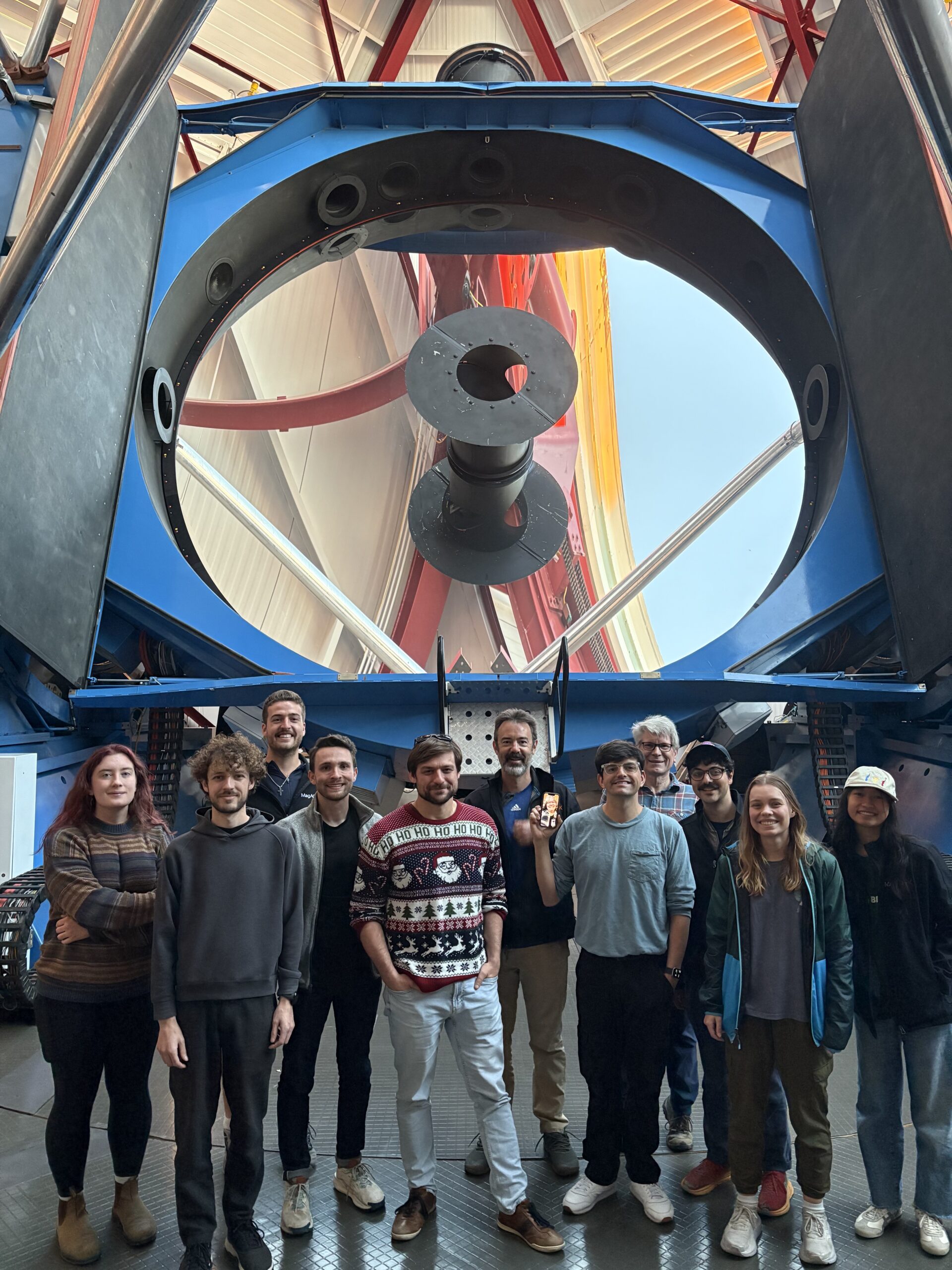
Prior to the night beginning, our TO was nice enough to off to point the telescope towards the horizon so we could get some pictures with the primary mirror.

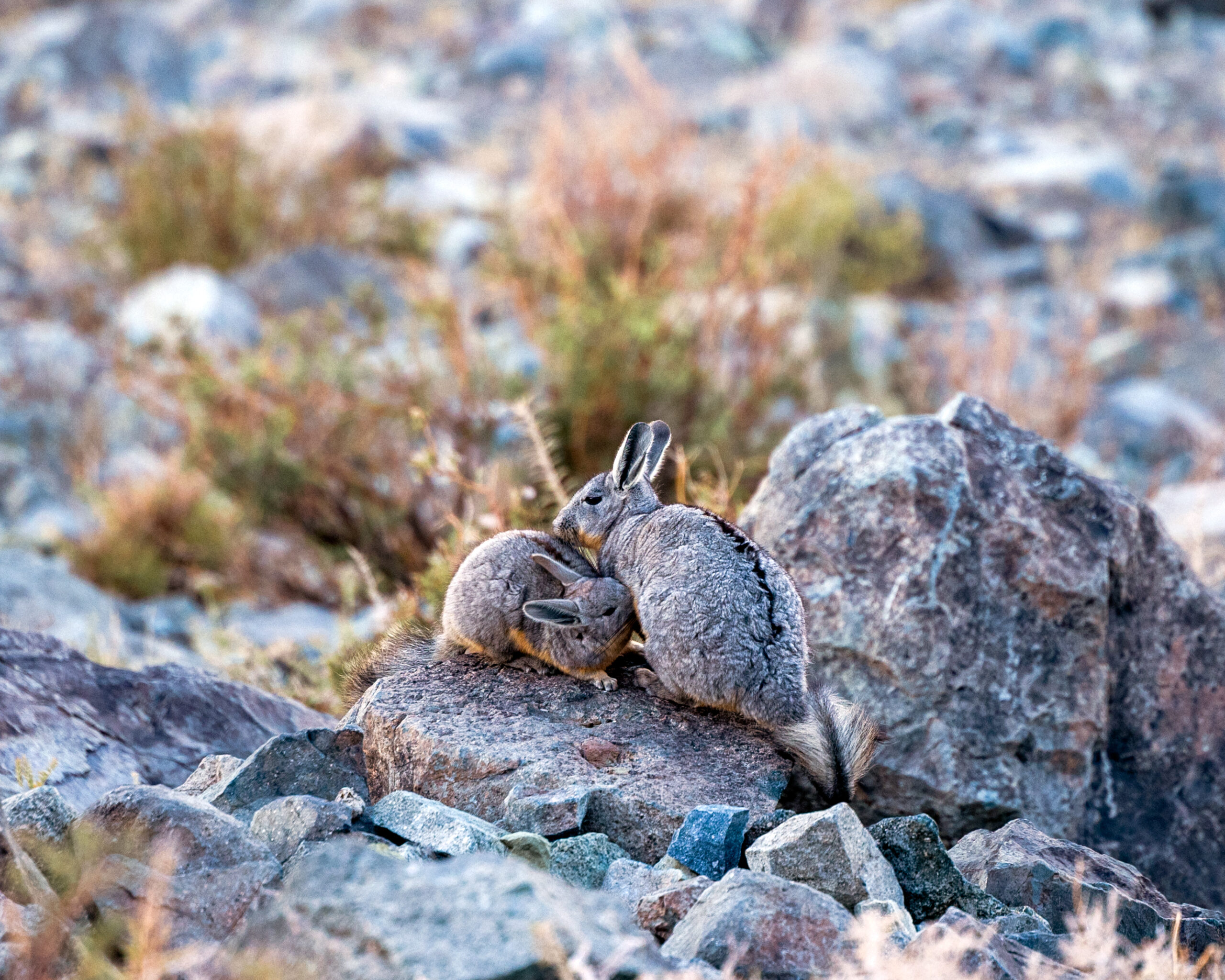
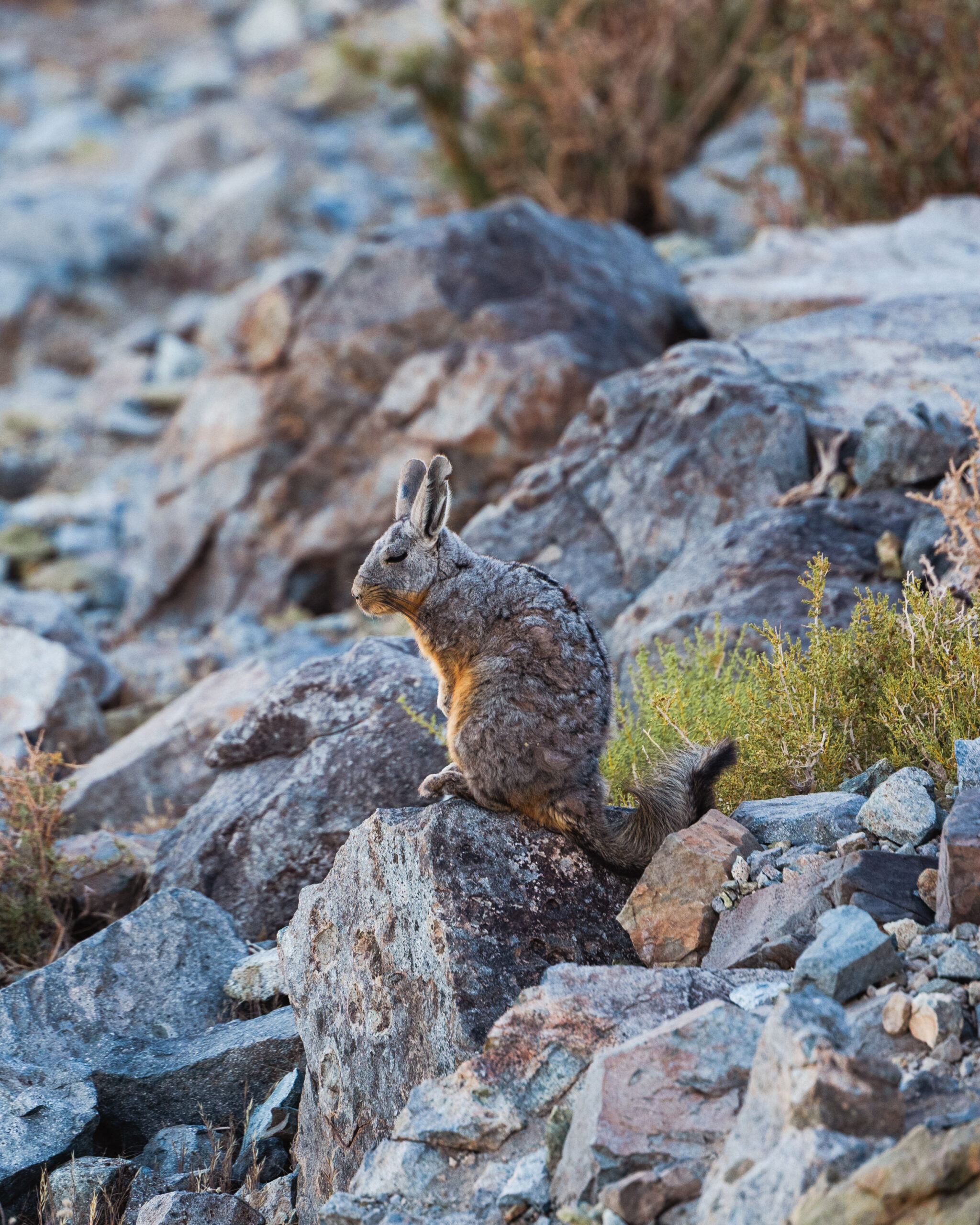
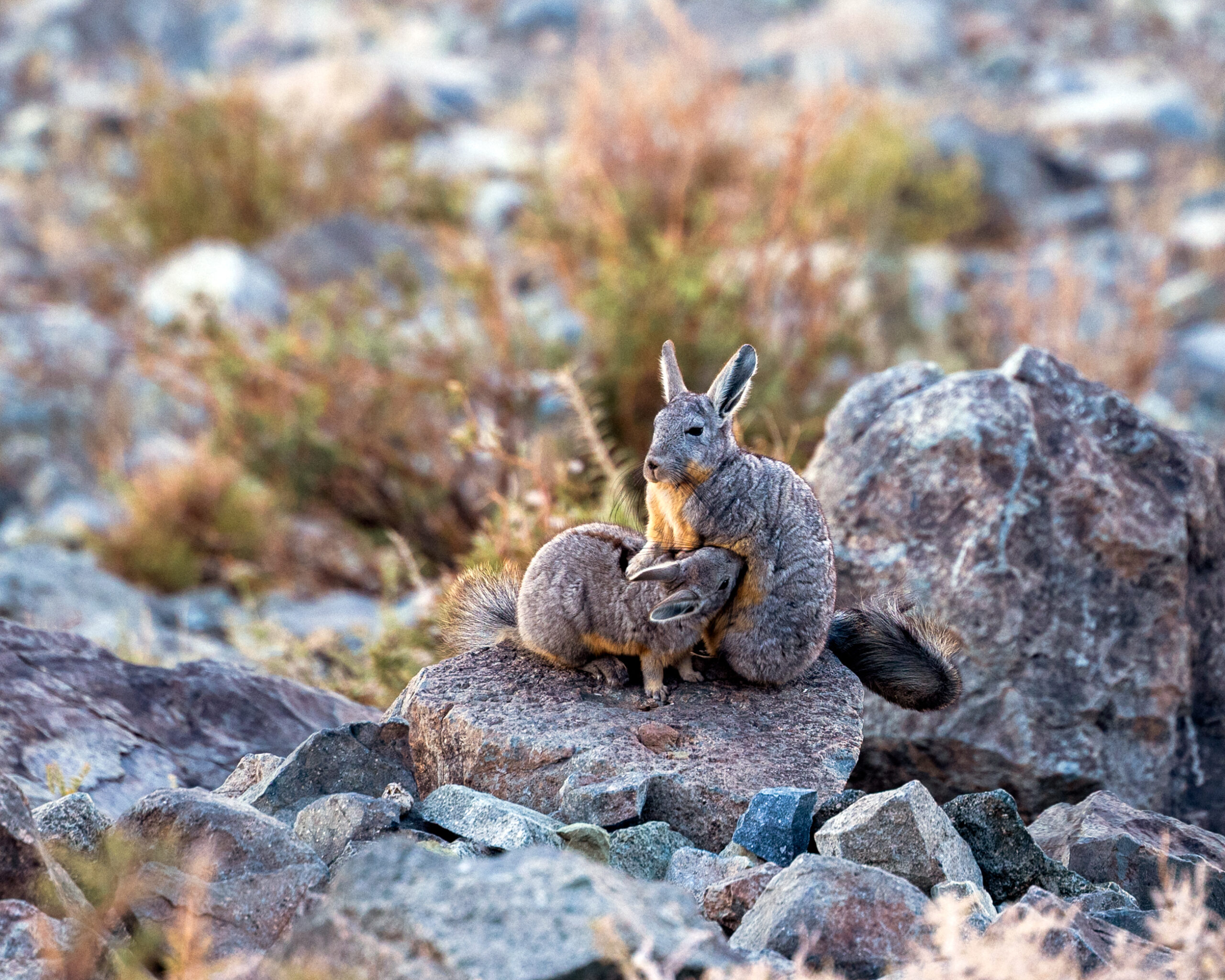
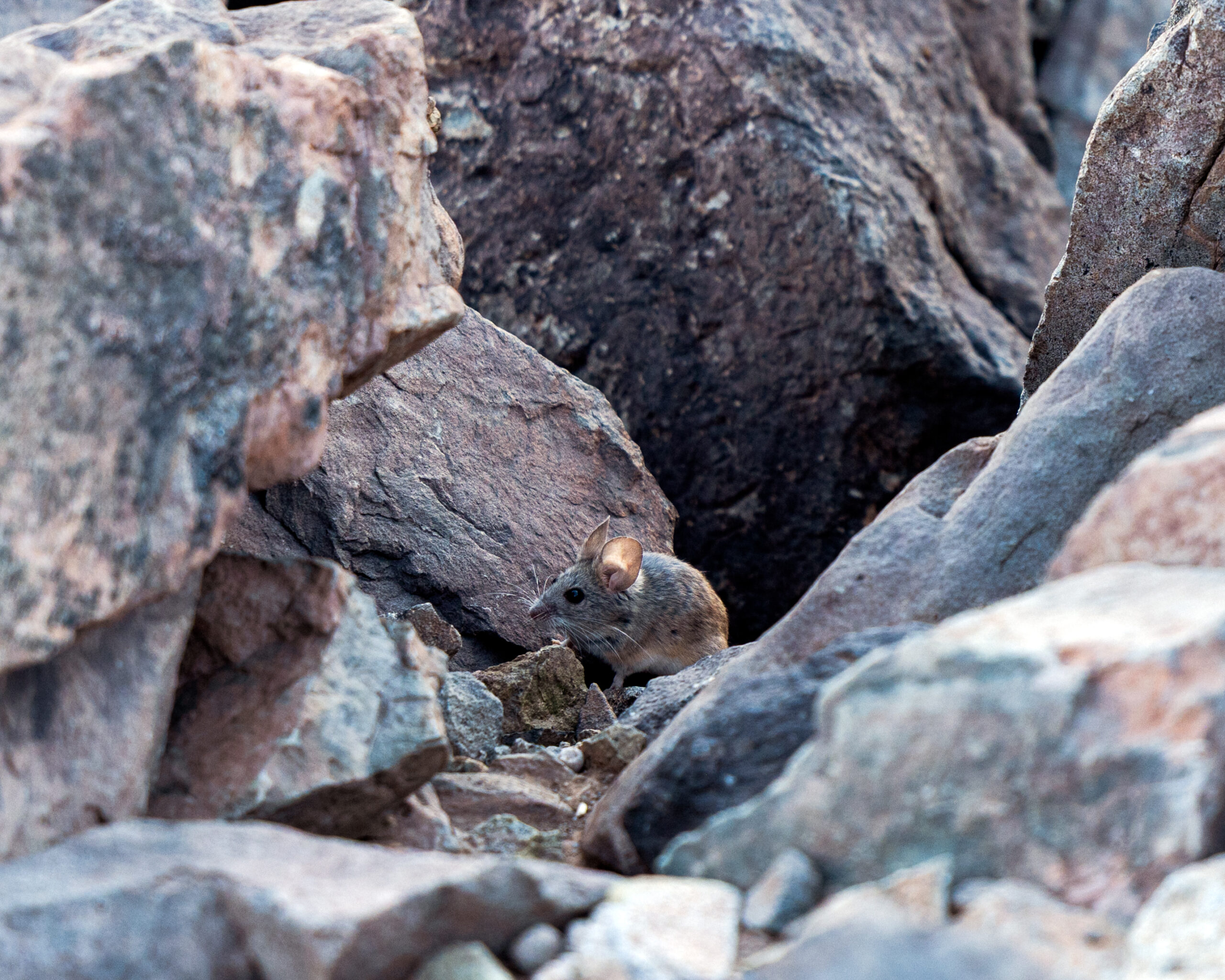
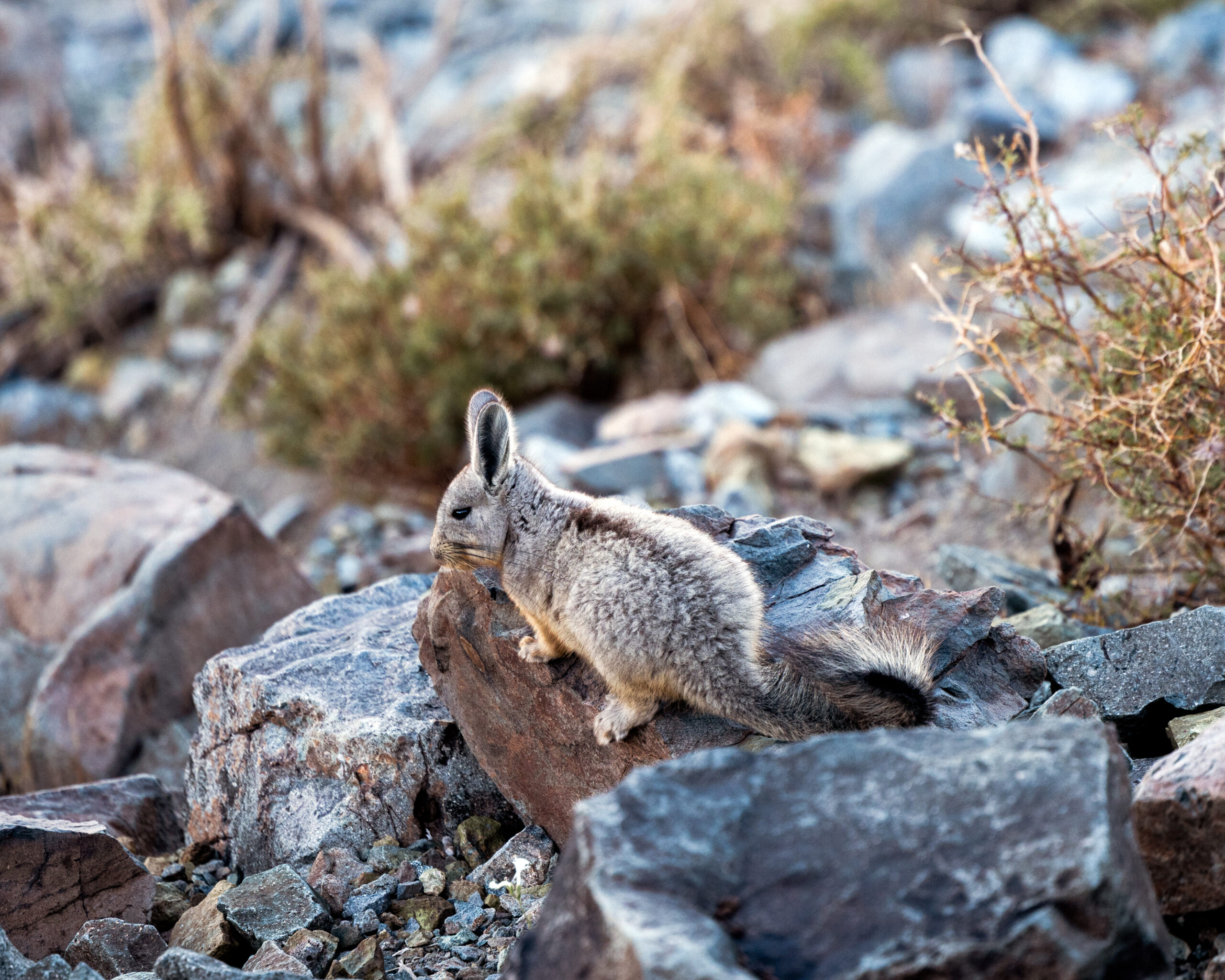
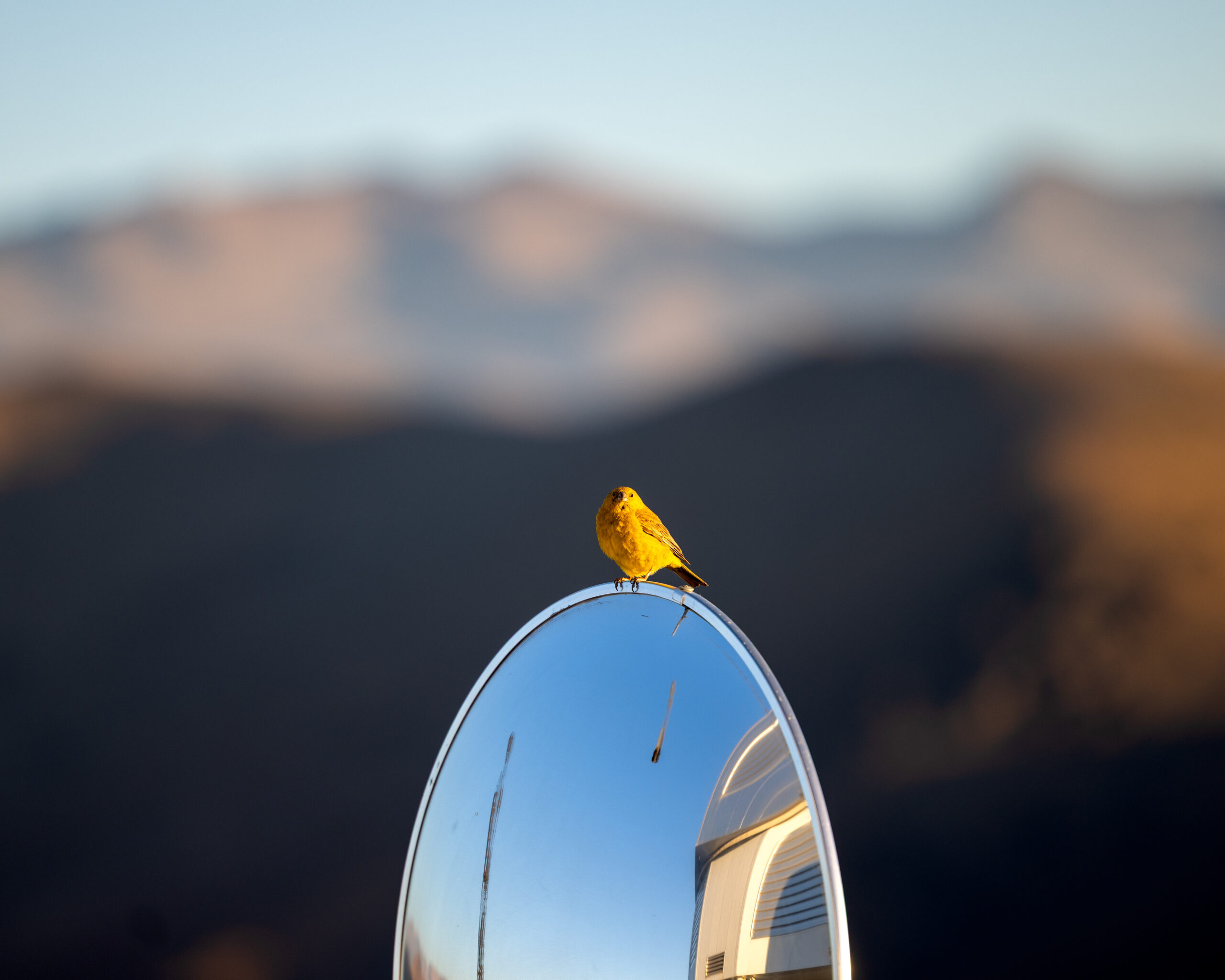
Miles was back at it with taking some phenomenal Chilean wildlife photos. Expanding our wildlife content beyond our beloved Vizzy.

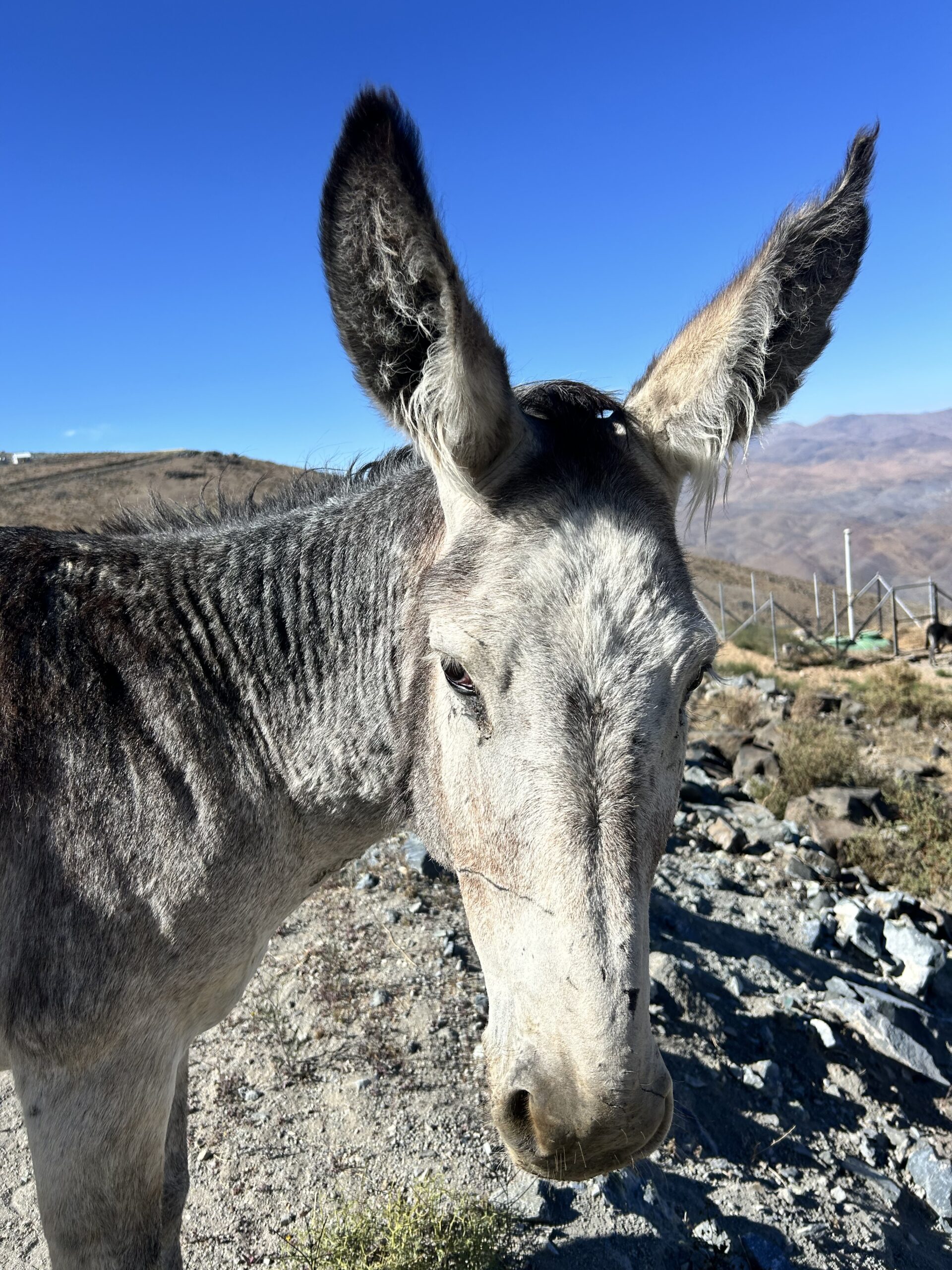
While Miles was capturing amazing photos of the smaller animals, I was back with the burros. Most days, they are very welcoming when I come by, but this time was the opposite of welcoming. Let’s just say, this was the last face I saw before I had to pack up and leave:

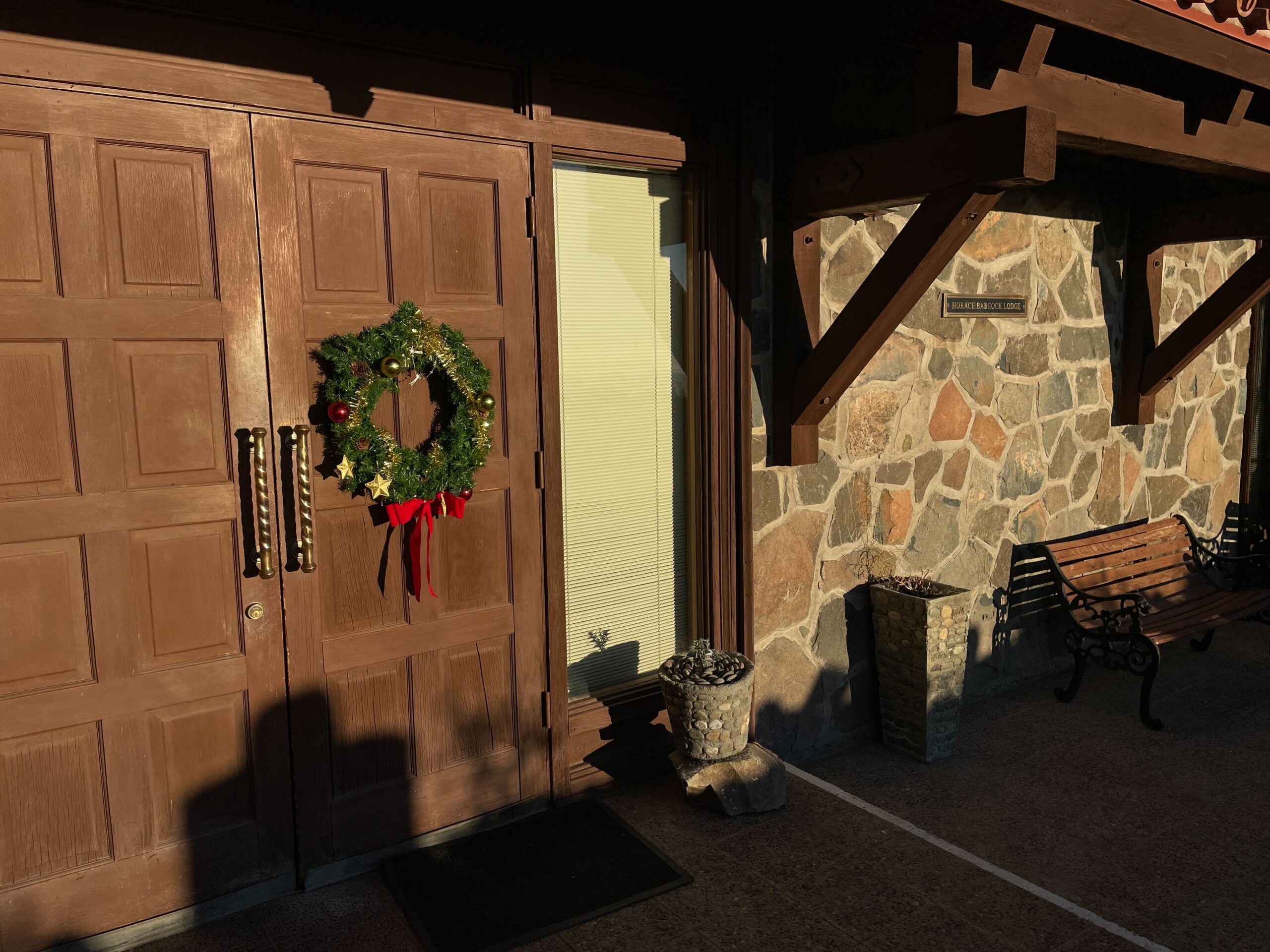
I can’t believe it is already December, but the holiday decorations are starting to pop up to remind us of what time of year it is.

Fun Fact

Many people picture North Dakota as just endless farmland and cows, but here’s a fun fact: it actually has only 2.24 cows per person, ranking it as the third highest state for this stat. South Dakota, Jared’s home state, takes the top spot with an impressive 4.00 cows/person, while Nebraska follows closely behind at 3.31.

Song of the Day