Parker has been working on detecting vibrations within MagAO-X using some fancy accelerometers and a Raspberry Pi™ and a bucket with a hole in it.
Parker’s holey bucket. (Photo by Katie Twitchell)
Also, we all had a chance to employ our god-given accelerometers later that evening, as Vallenar had a little baby earthquake just for us.
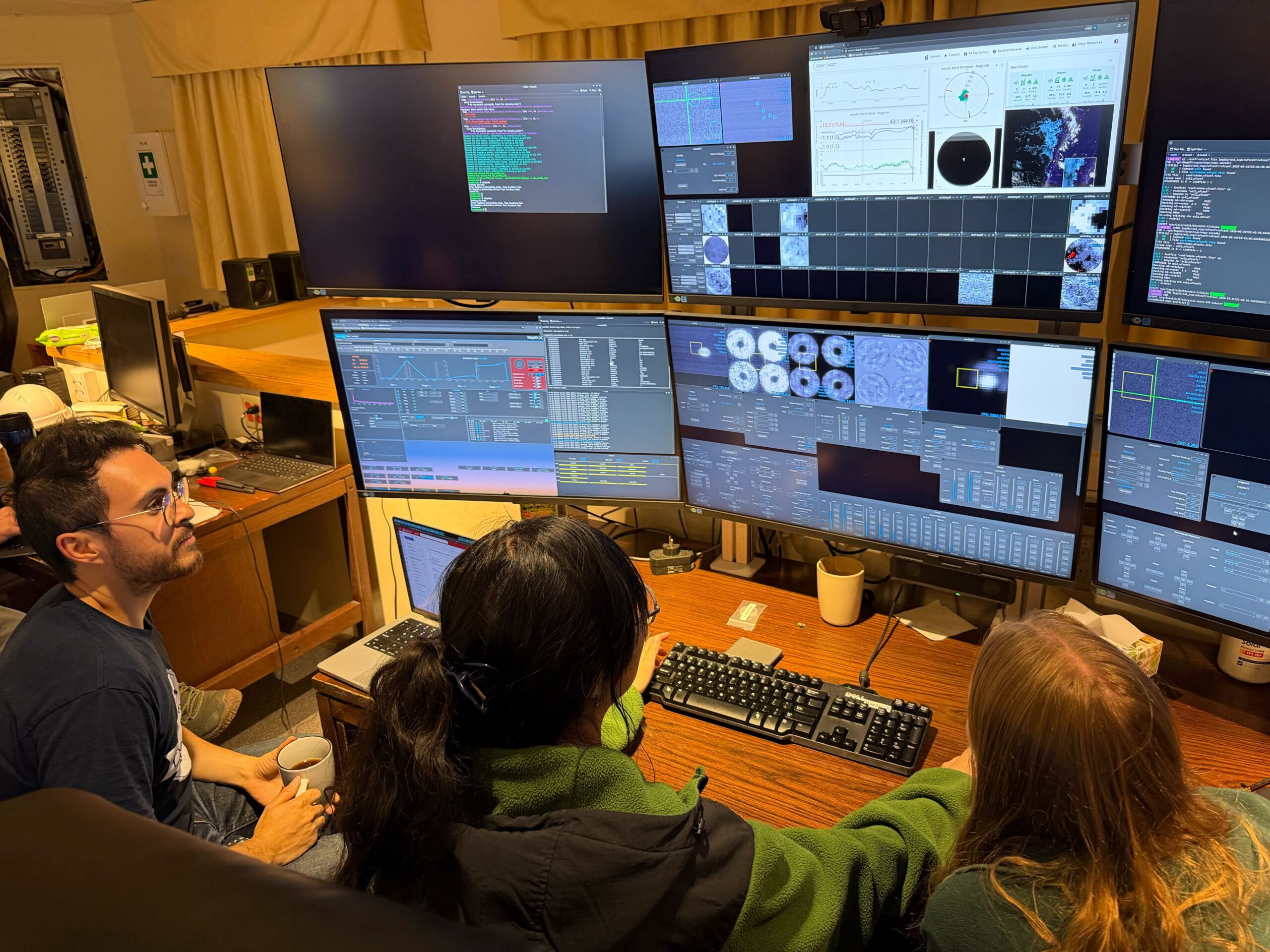
I spent the day mucking about with computers, as usual.
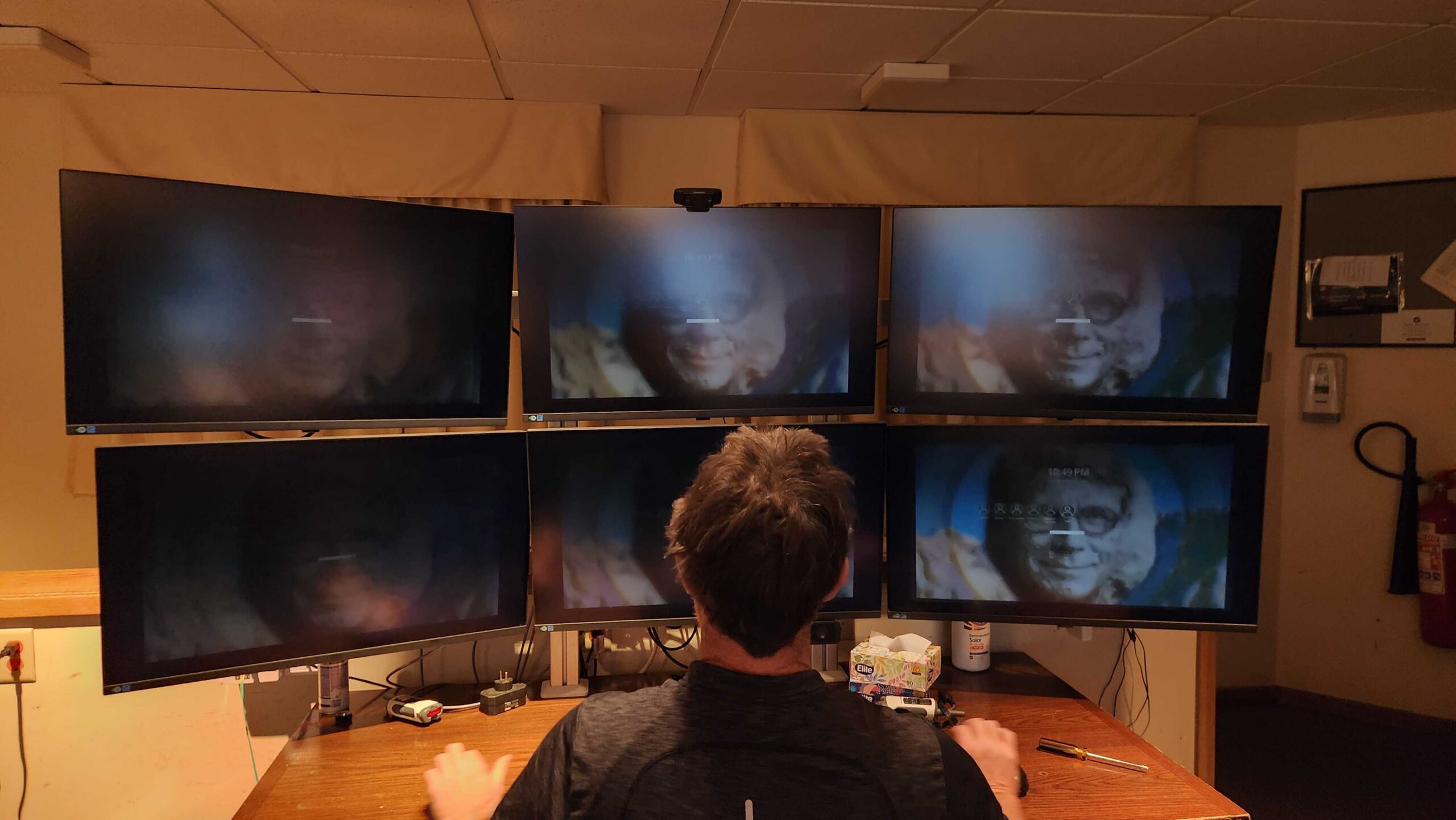
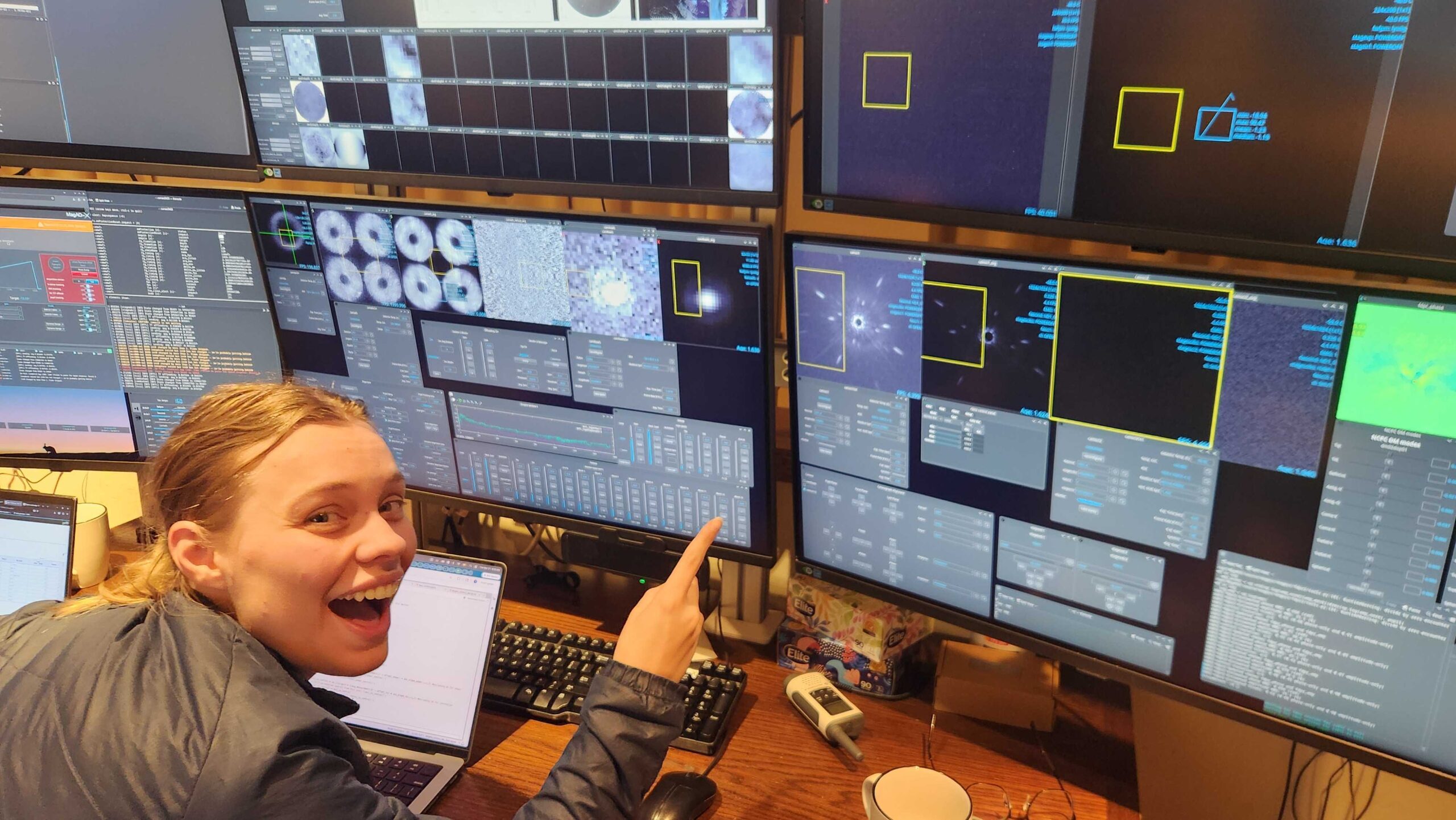
This is it, this is the year of Linux on the Desktop! (Photo by Jared Males)
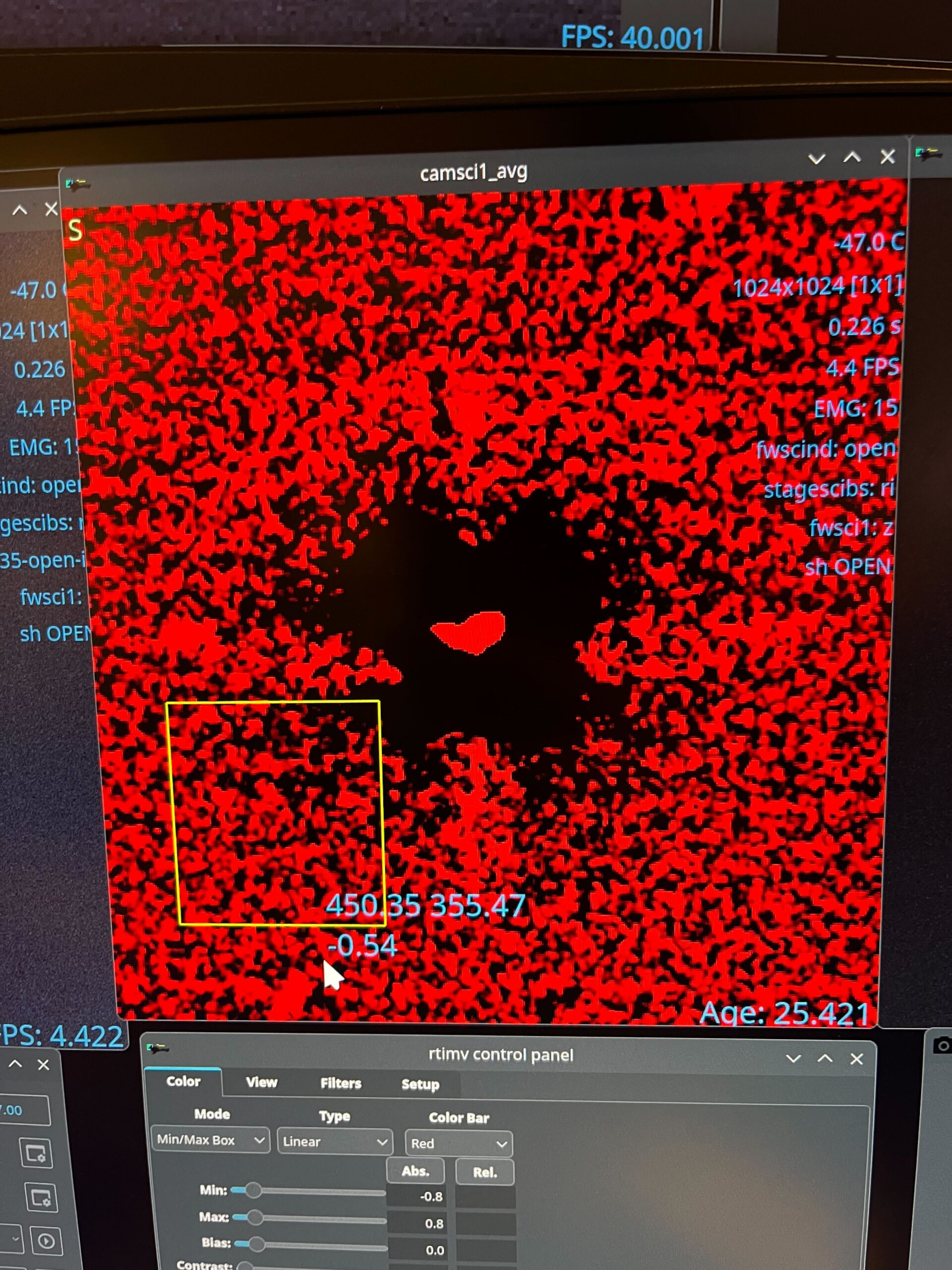
Laird and Katie went looking for the spatial filter in our wavefront sensing optics and instead found what may be a second, secret spatial filter. Further research is required.
To be honest I’m not sure what Laird and Katie are doing here, but they look real professional in that getup. (Photo by Miles Lucas)The pyramid wavefront sensor, so mysterious yet so vital. (Photo by Laird Close or possibly Katie Twitchell.)
Note: We have no more details to share at this time, as we cannot comment on an ongoing investigation. If anyone has a verified sighting of the pyramid wavefront sensor to report, please call the Las Campanas Observatory tip line. You may remain anonymous.
Our first shipment of Europeans arrives this Monday, so I’m sure there will be someone who can write a blog post.
Matthijs Mars getting some quality time in with his glowing rectangle. (Not pictured, photographer Elena Tonnucci.)
Song of the Day
I’ve been on a folk / Southern Gothic kick recently. This man really captures the feeling of working hard at a real job—or so I assume, having only worked silly little computer jobs.
“Fingers to the Bone” by Brown Bird
Fun Fact
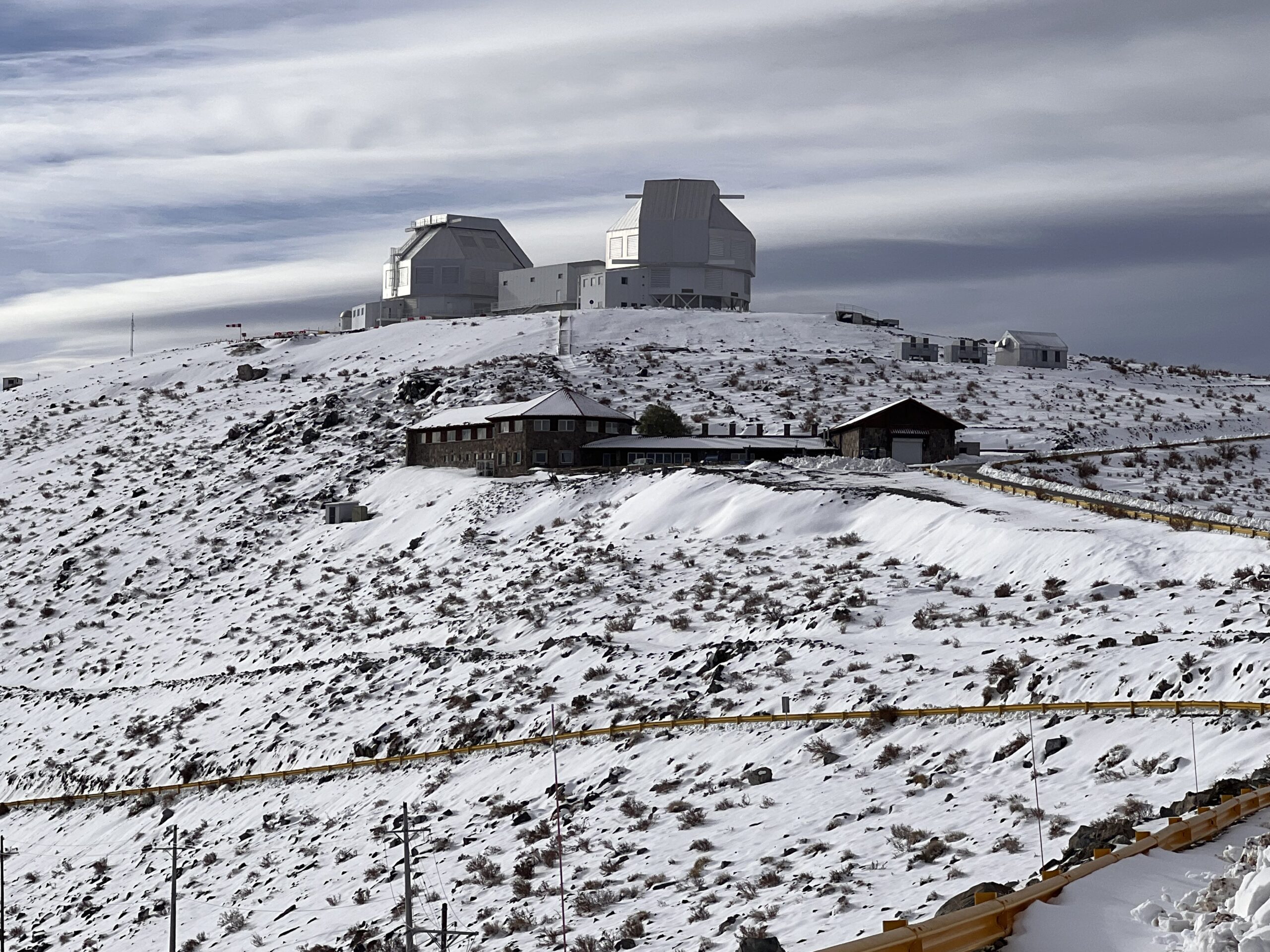
I learned that Las Campanas Observatory has a seismic sensor / accelerometer deployed on the mountain itself feeding data to the USGS earthquake network. They even have pictures of the site on their webpage.
Photo via USGS.
(I assume it looks a little different, 14 years later.)
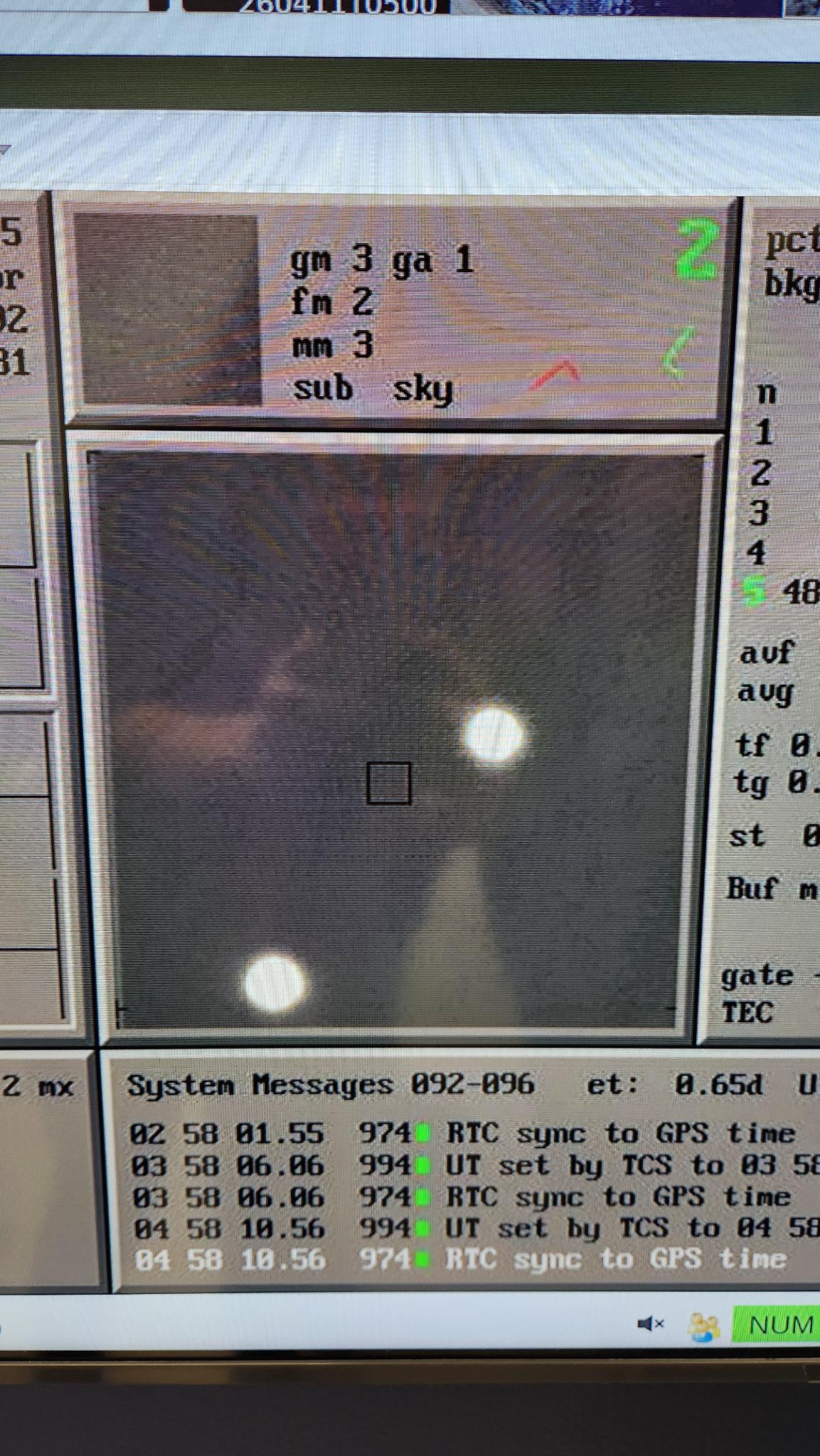
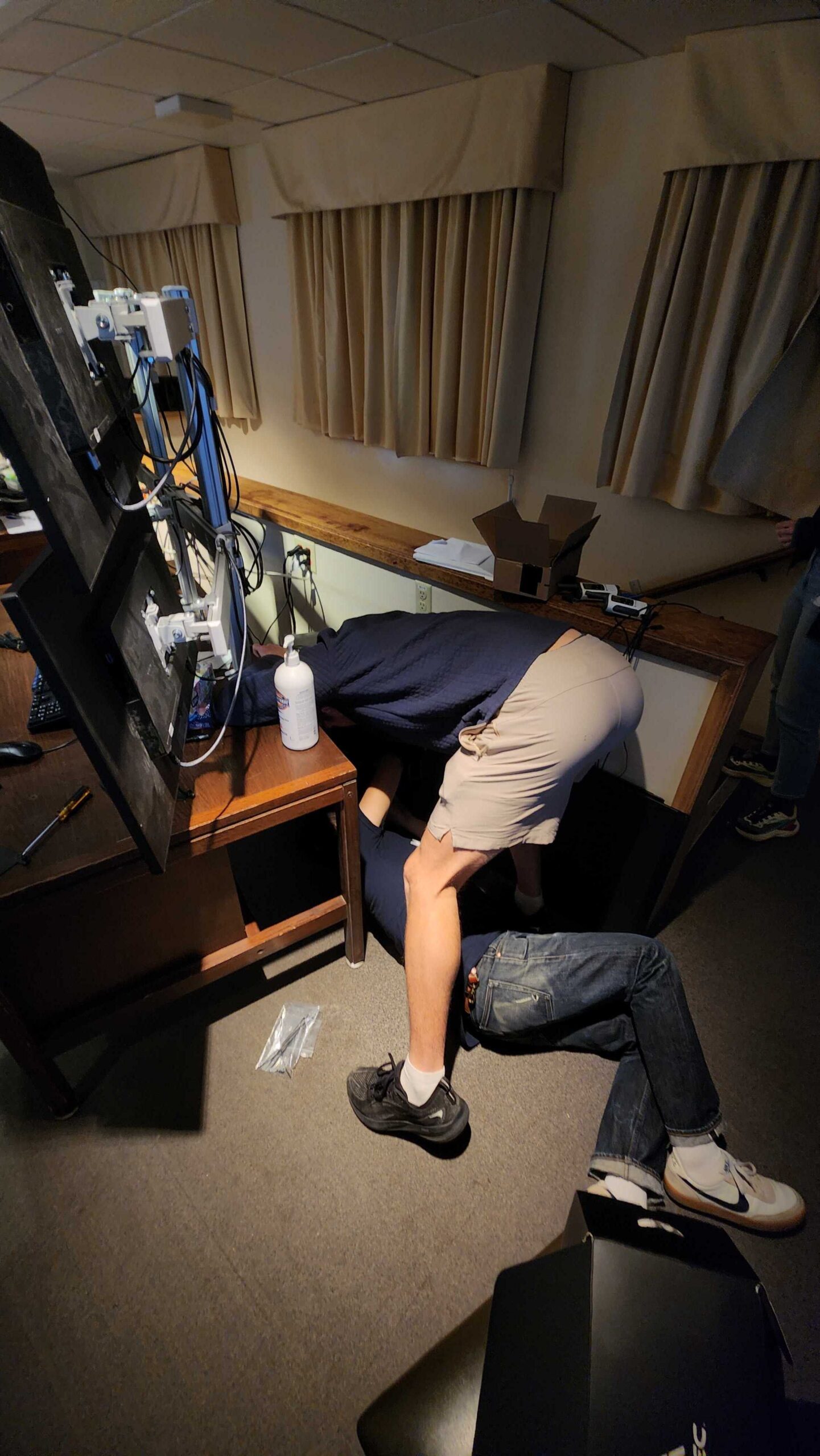
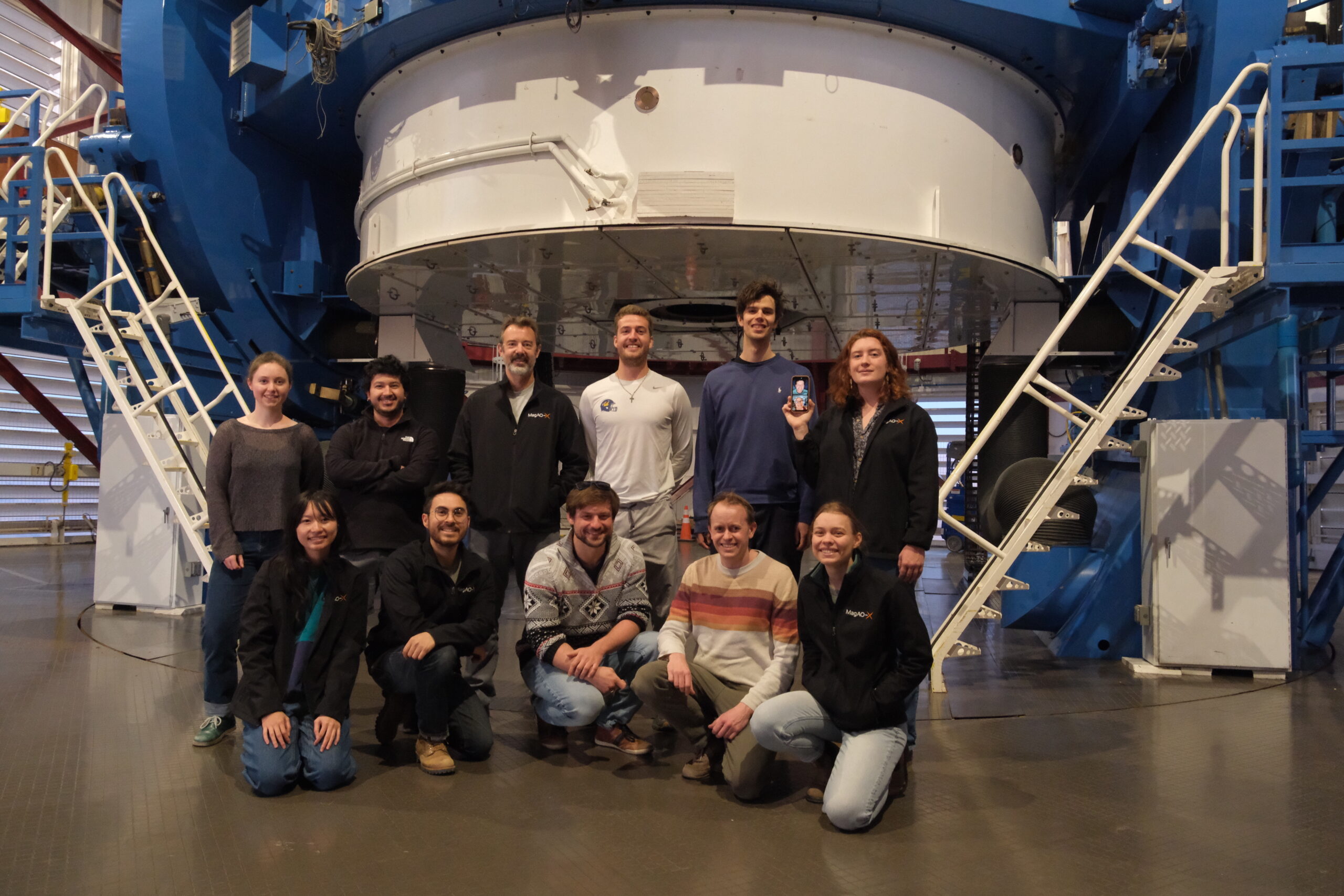
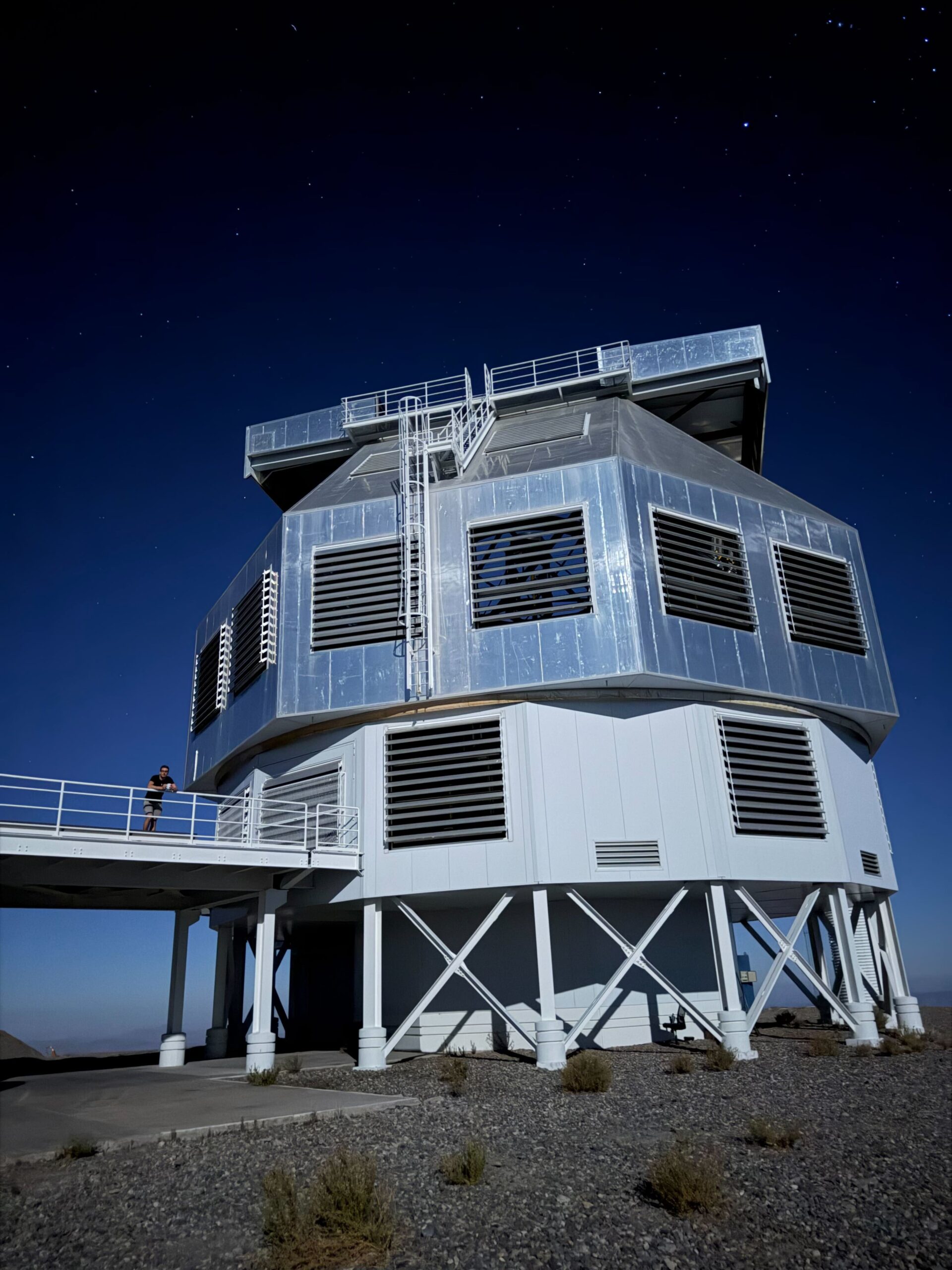
This is now my fourth(!) observing run, and they’ve all had a unique flavor to them—but if there’s one thing I can count on, it’s sleeping like a brick the first night at LCO after 30+ hours of travel. This morning the three of us were feeling sufficiently back-from-the-dead, and we hit the ground running on getting MagAO-X ready to be on-sky this Thursday. We started out with some plumbing, removing the pink goo that builds up in our glycol filter and giving it some brand-new o-rings to prevent leaks. Once we confirmed cooling was up and running, Parker took some time to work on his accelerometers while Jared and I brought stagebs back to life:
“I’m acc-ing!”goop
After lunch I took some time to hide in my room, stare at plots of Xs and Os, and question the stability of both my control systems and possibly my own mental state (the timing of this midterm was kind of inconvenient). At about the same time, two wild postdocs appeared, one of which had gotten much more sleep than the other. The more well-rested postdoc and I took a walk up the mountain and we introduced him to the cleanroom, the library, and most importantly, the espresso machine.
The rest of the afternoon was spent aligning Miles’ polarization generator so that we could capture nice flat fields on both the camscis. Not too bad for having only been at LCO for a few hours.
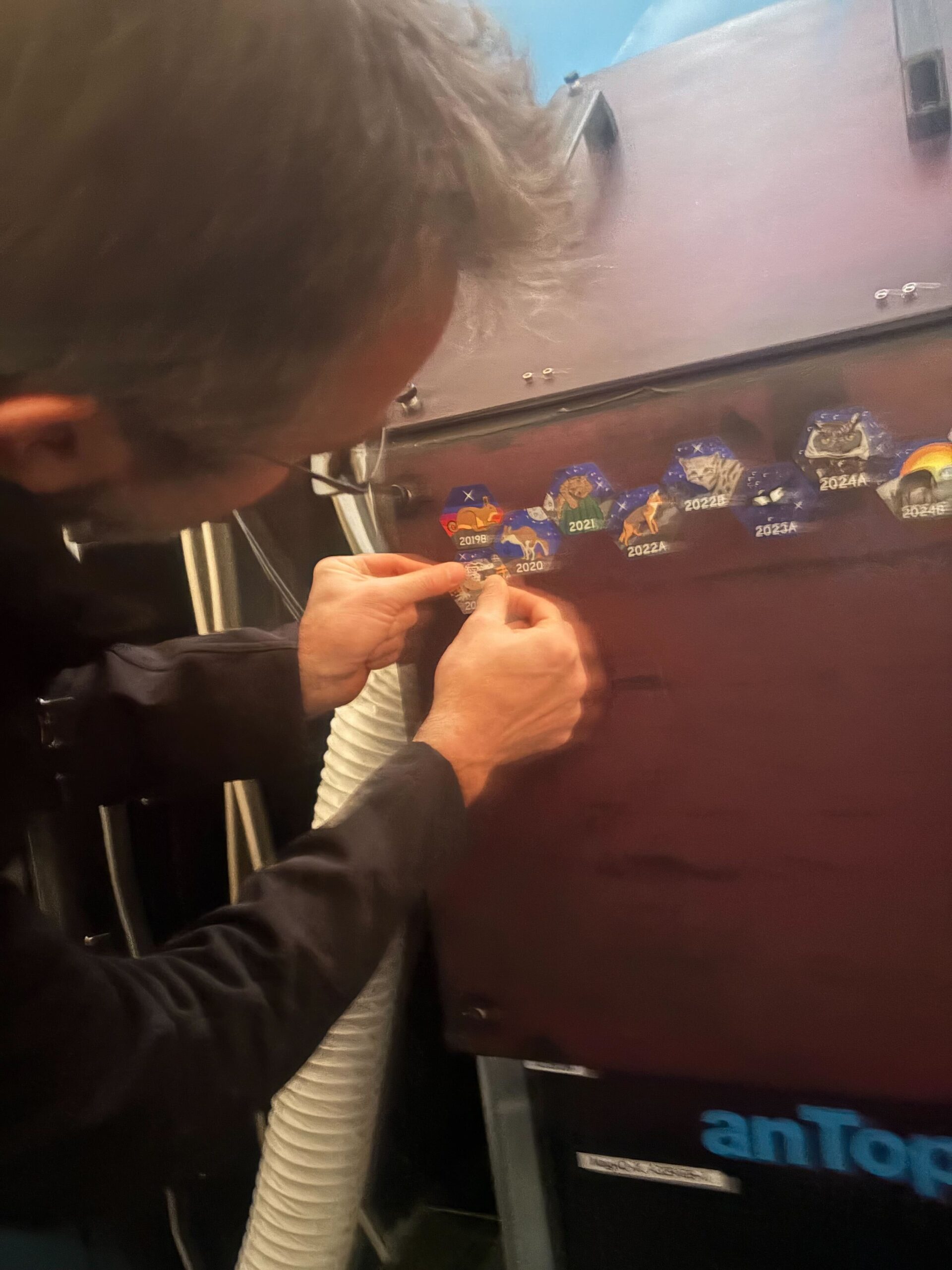
a polarizing figurealignment laser on targetthe flat field in question is not pictured, but trust me it was flat
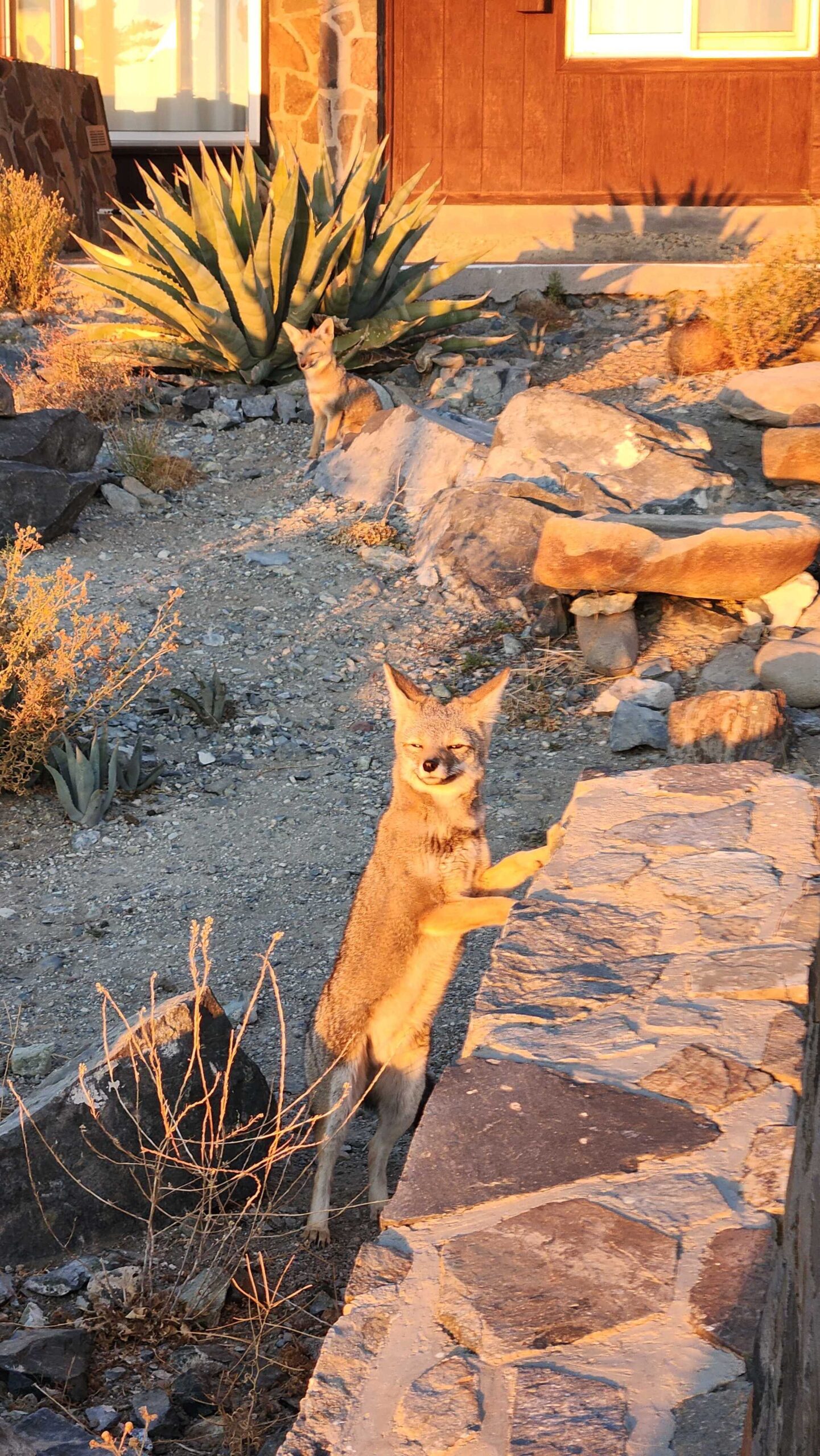
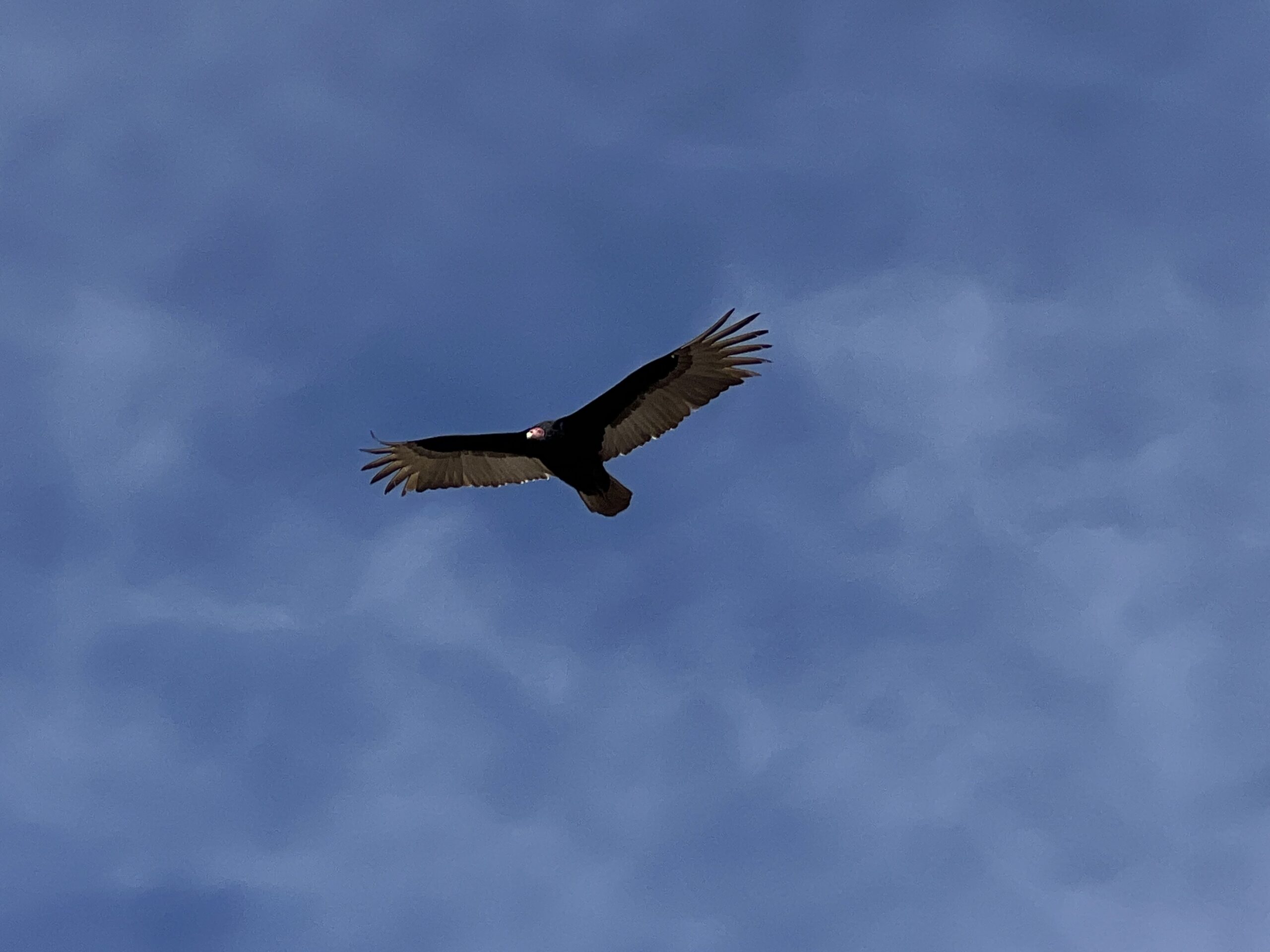
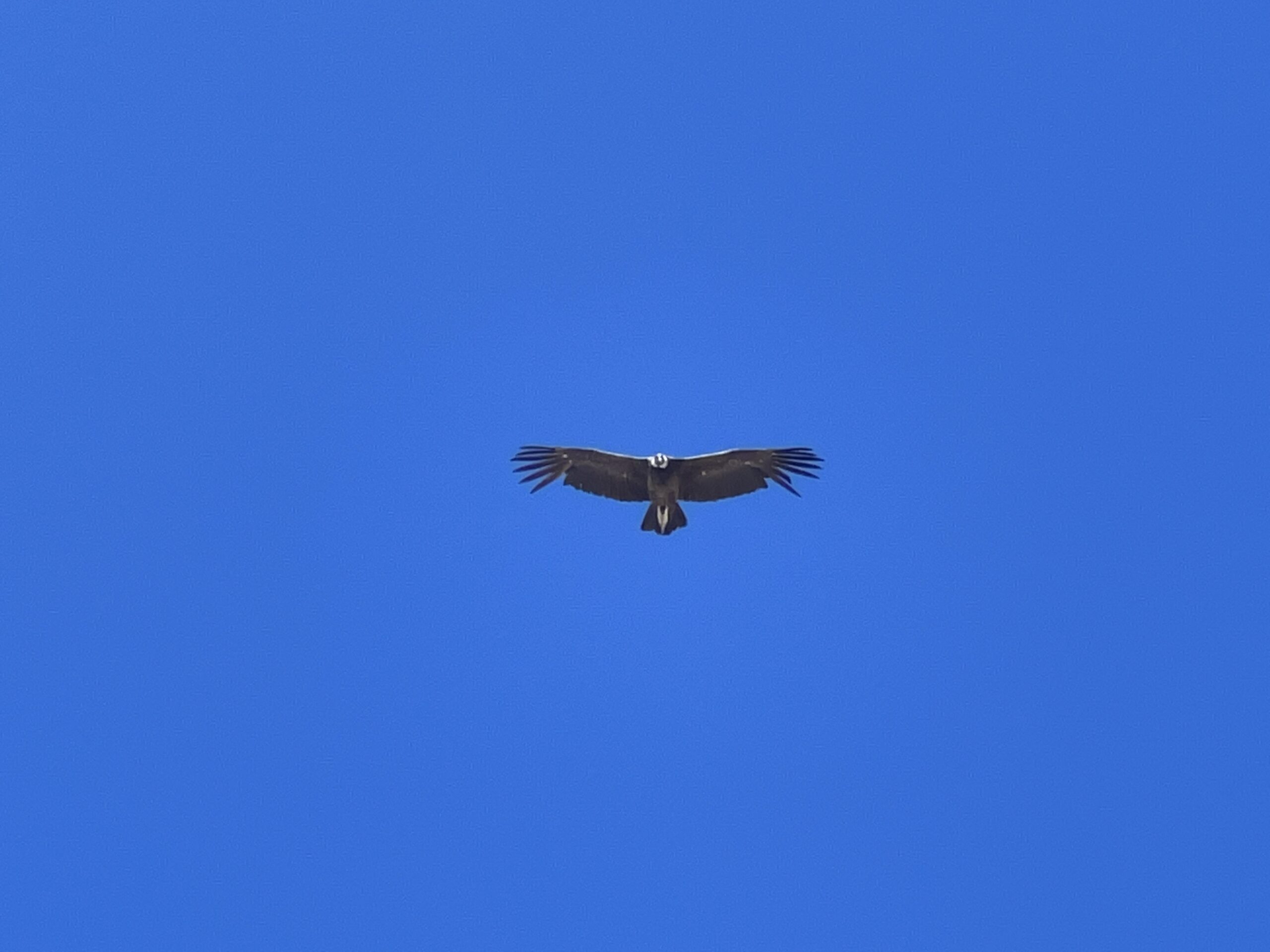
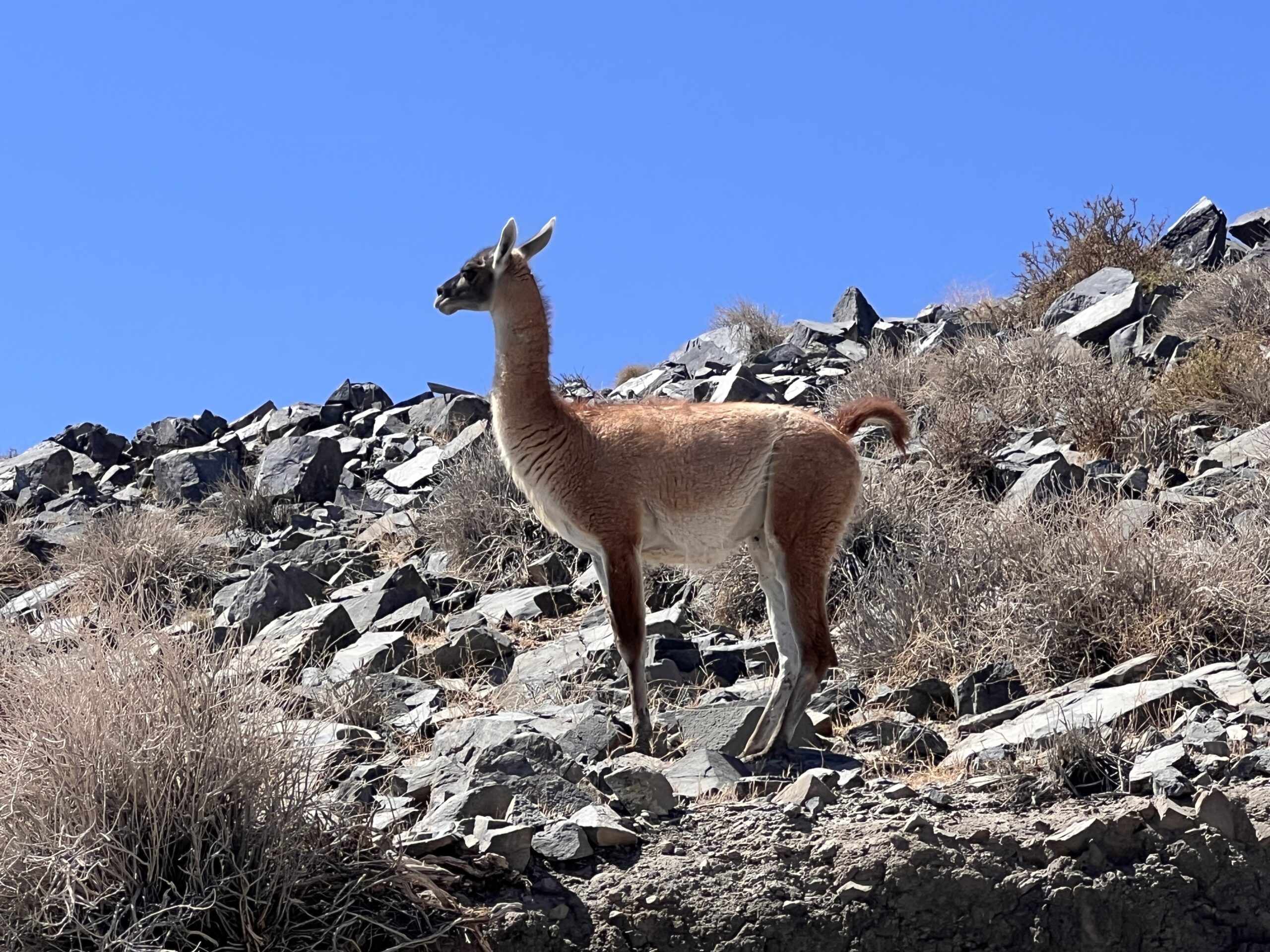
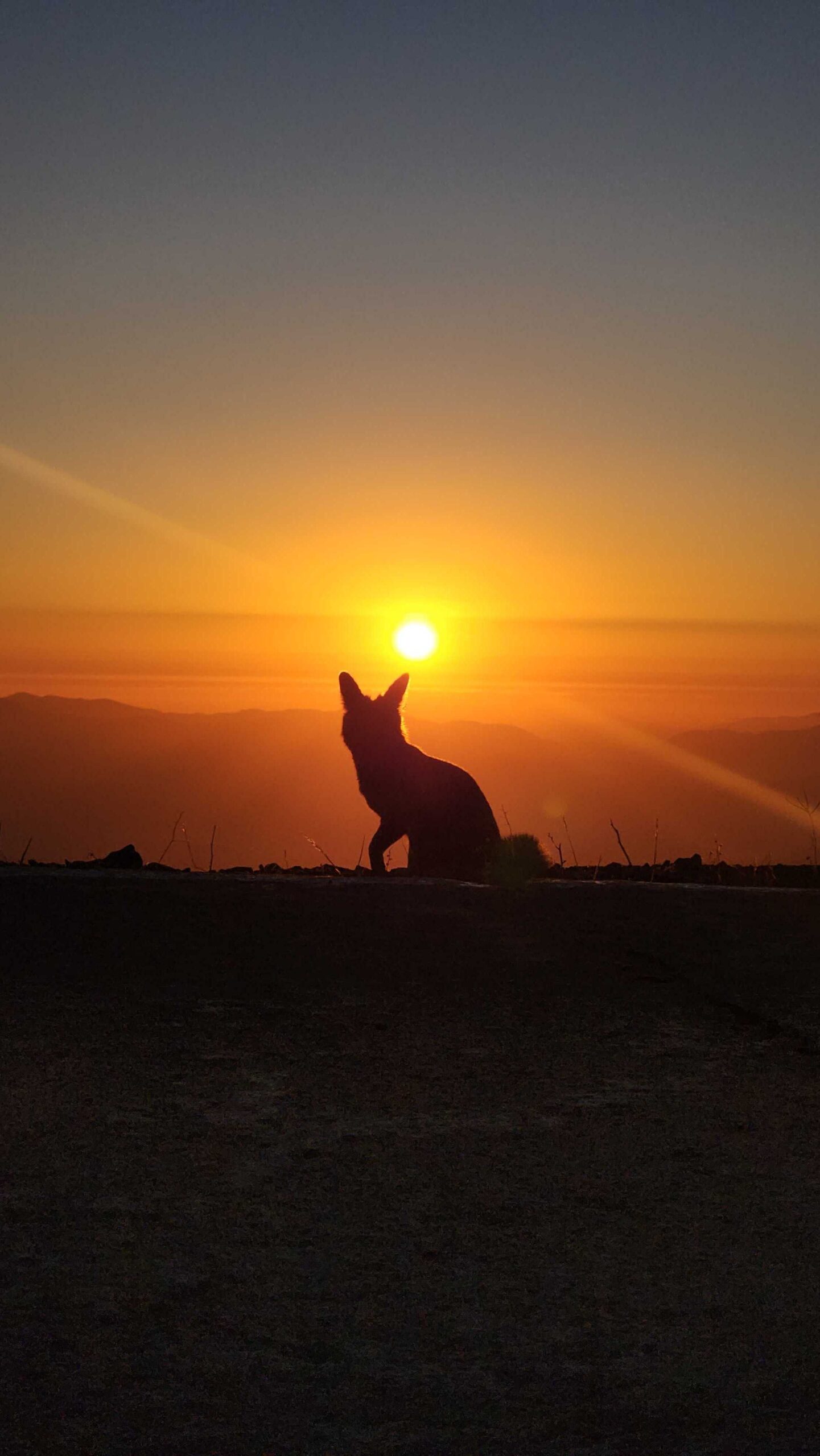
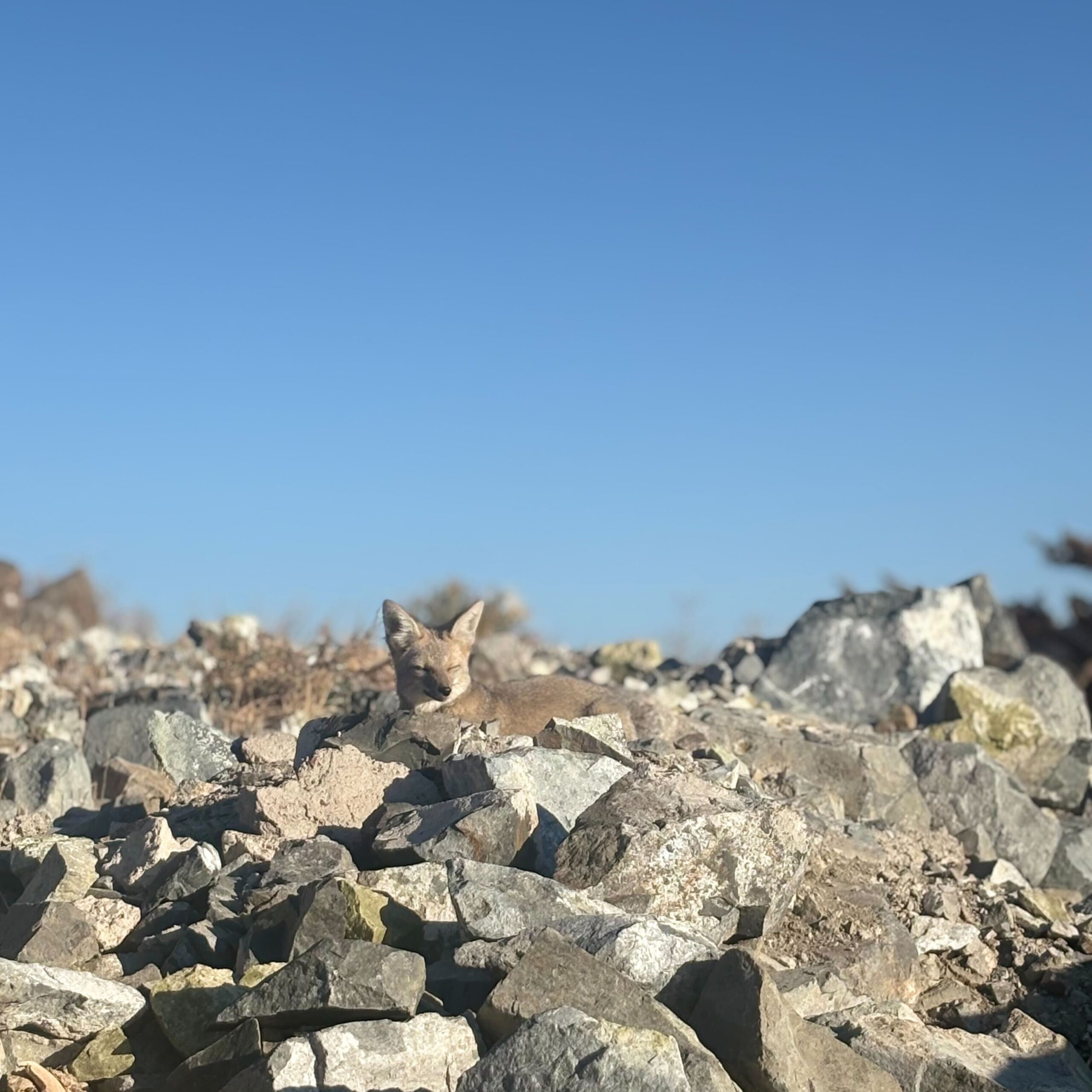
We haven’t yet been graced by the presence of cleanroom vizzys, but Carlos el culpeo was feeling mischievous and photogenic tonight, and we are all the better for it.
why hello up there!smiling for the camera?plus, a bonus burro
Random fun fact of the day: did you know that one of the world’s largest viruses, Megavirus chilensis, was discovered in water samples from the coast of Chile in 2010 and is larger than many bacteria?
It’s that time of the year! The start of another MagAO-X observing run. For Jared, Katie, and myself that meant 3AM alarms for Thursday morning. Shortly after arriving at the airport, a wise man said, “a little airport milk never hurt anyone”. 30 grams of protein later, I was energized and ready for any wild adventure Delta had in store for us…
Turns out, Delta was nothing but good to us. Sure we had a 9 hour layover in Atlanta, but if you know an extremely loyal and important Delta customer, there is a chance you are lucky enough to enter the prestigious Delta Sky Club. Thanks to Jared, we were able to work in a comfortable spot and have a productive 8 hour layover with an all you can eat buffet.
After smooth flights to Santiago then La Serena, we went directly from the airport to LCO just in time to catch dinner.
After dinner, Katie and I made our way to the gym to get our bodies moving again after a long 36 hours of travel.
I know some of you may be thinking, that bench doesn’t look the nicest or the safest for that matter. Well, good thing the kids aren’t picky, but rumor has it LCO is building a workout complex with an indoor basketball court, mini soccer field, and full gym!
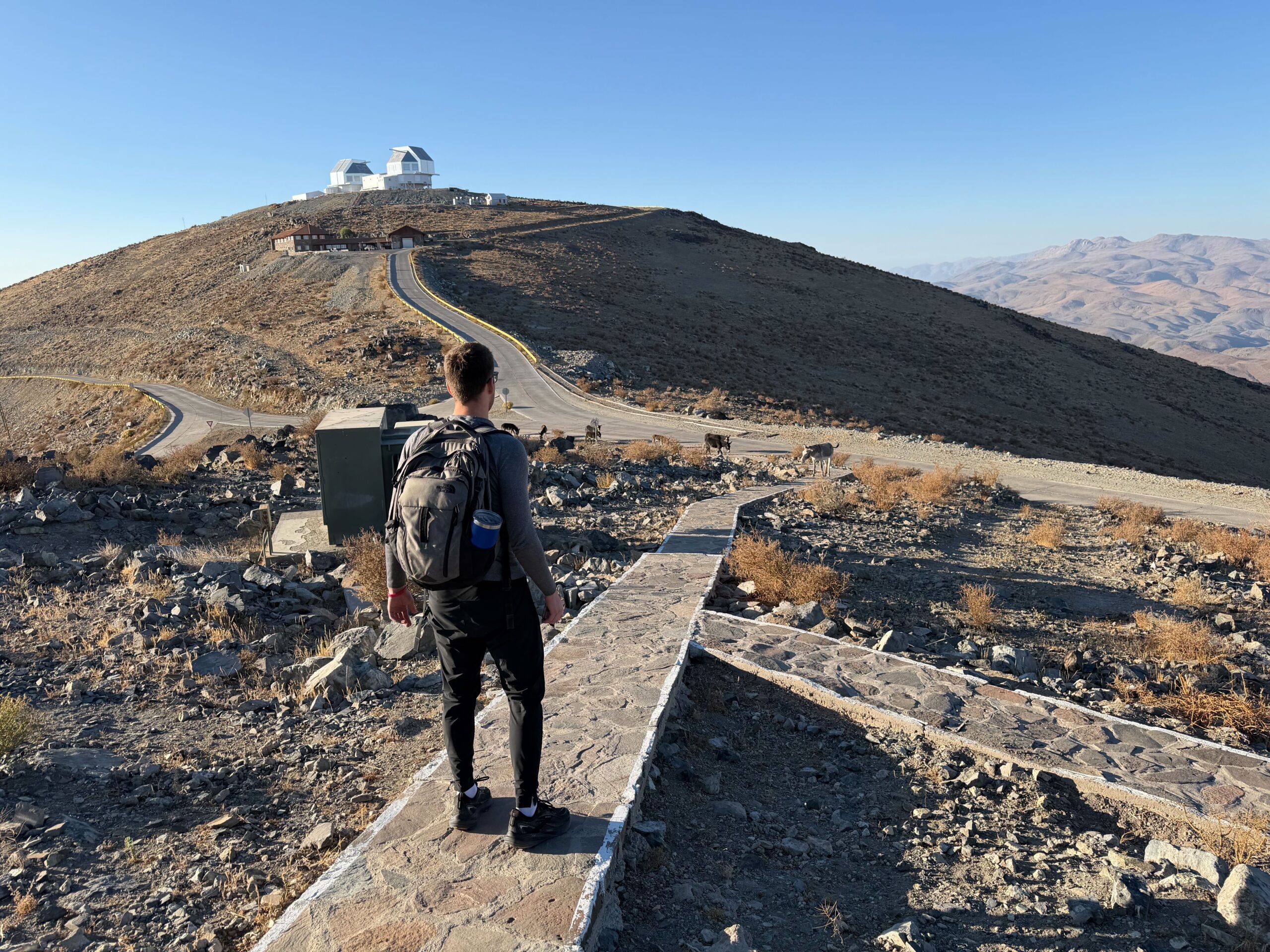
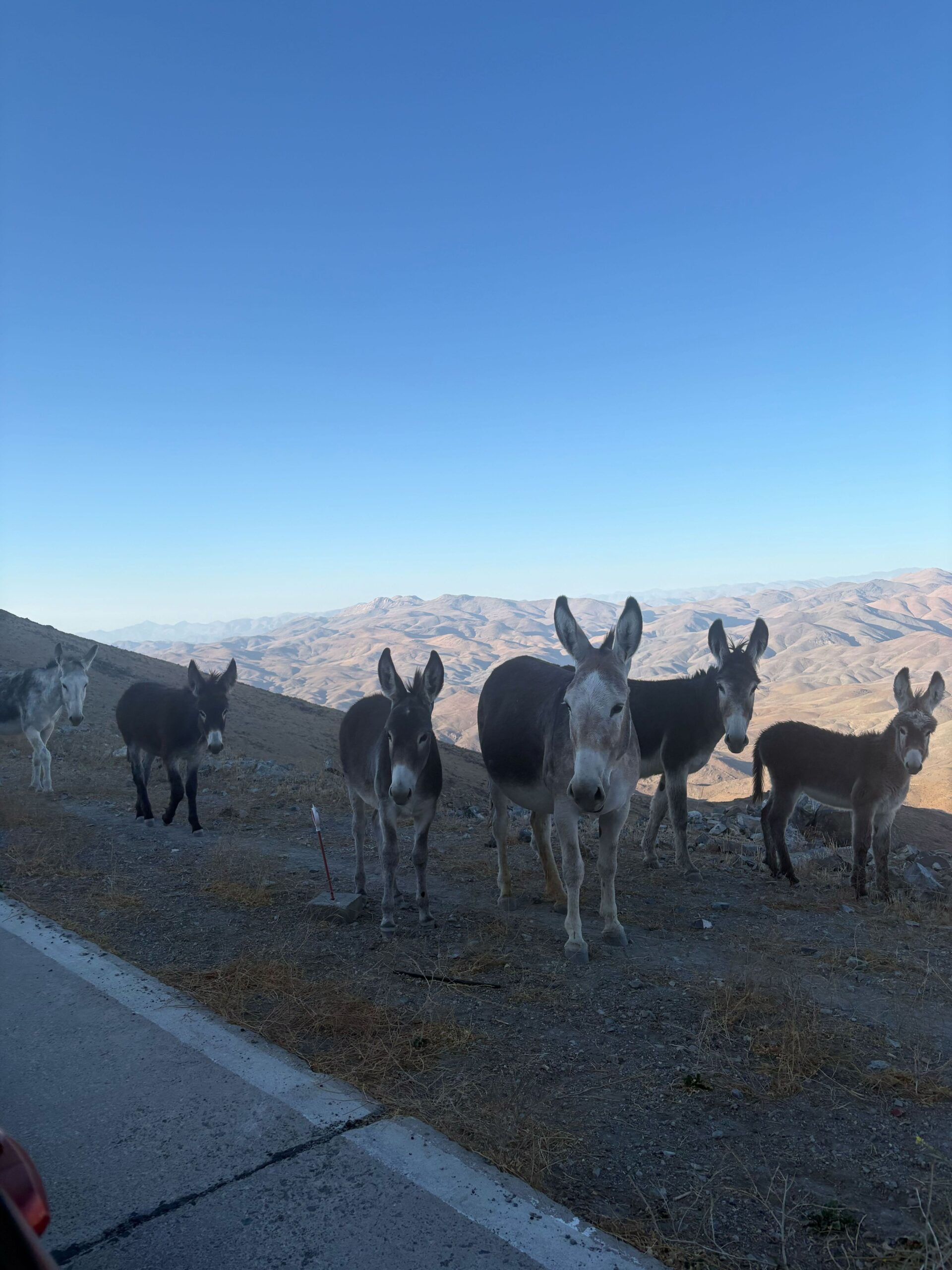
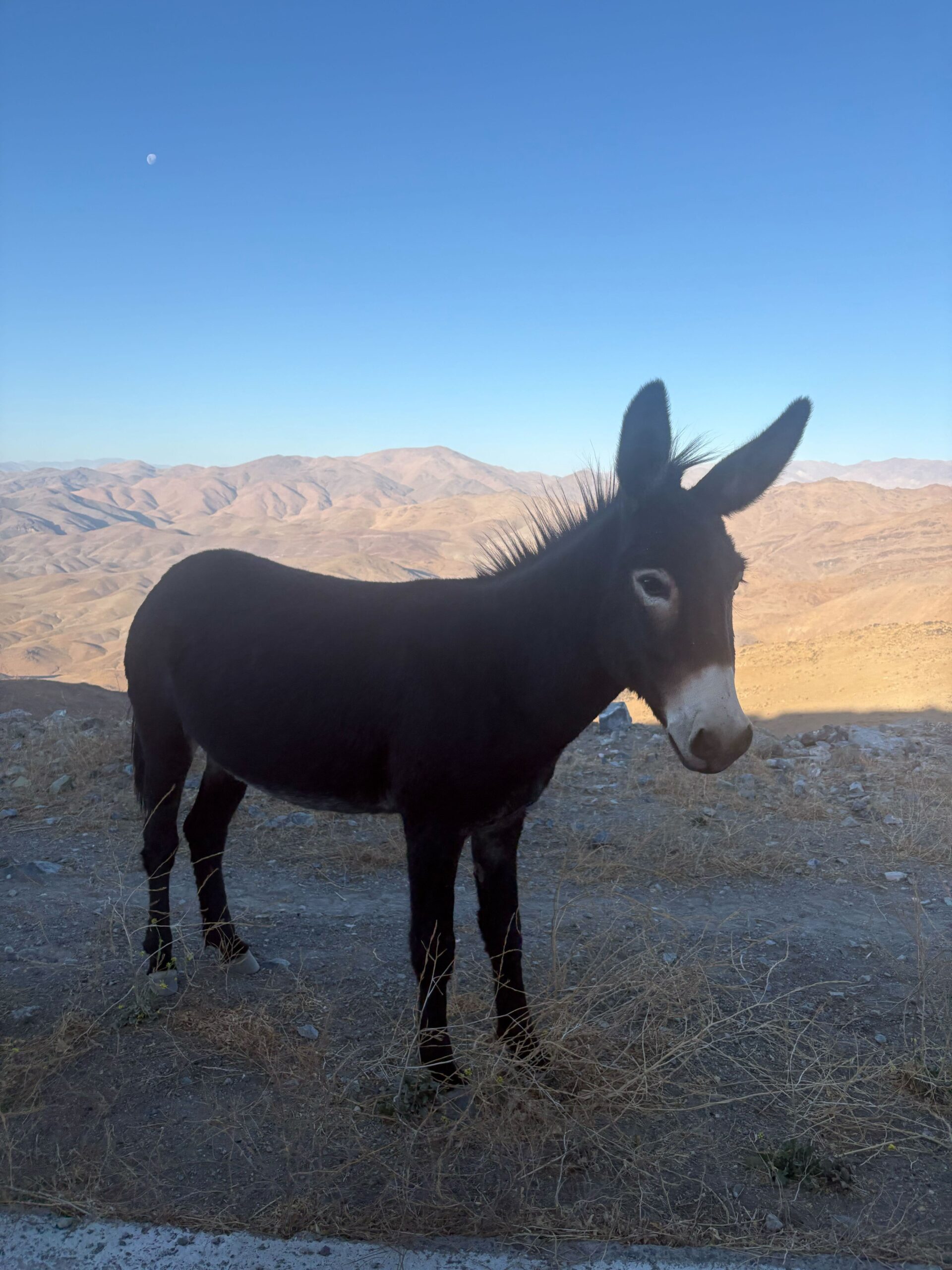
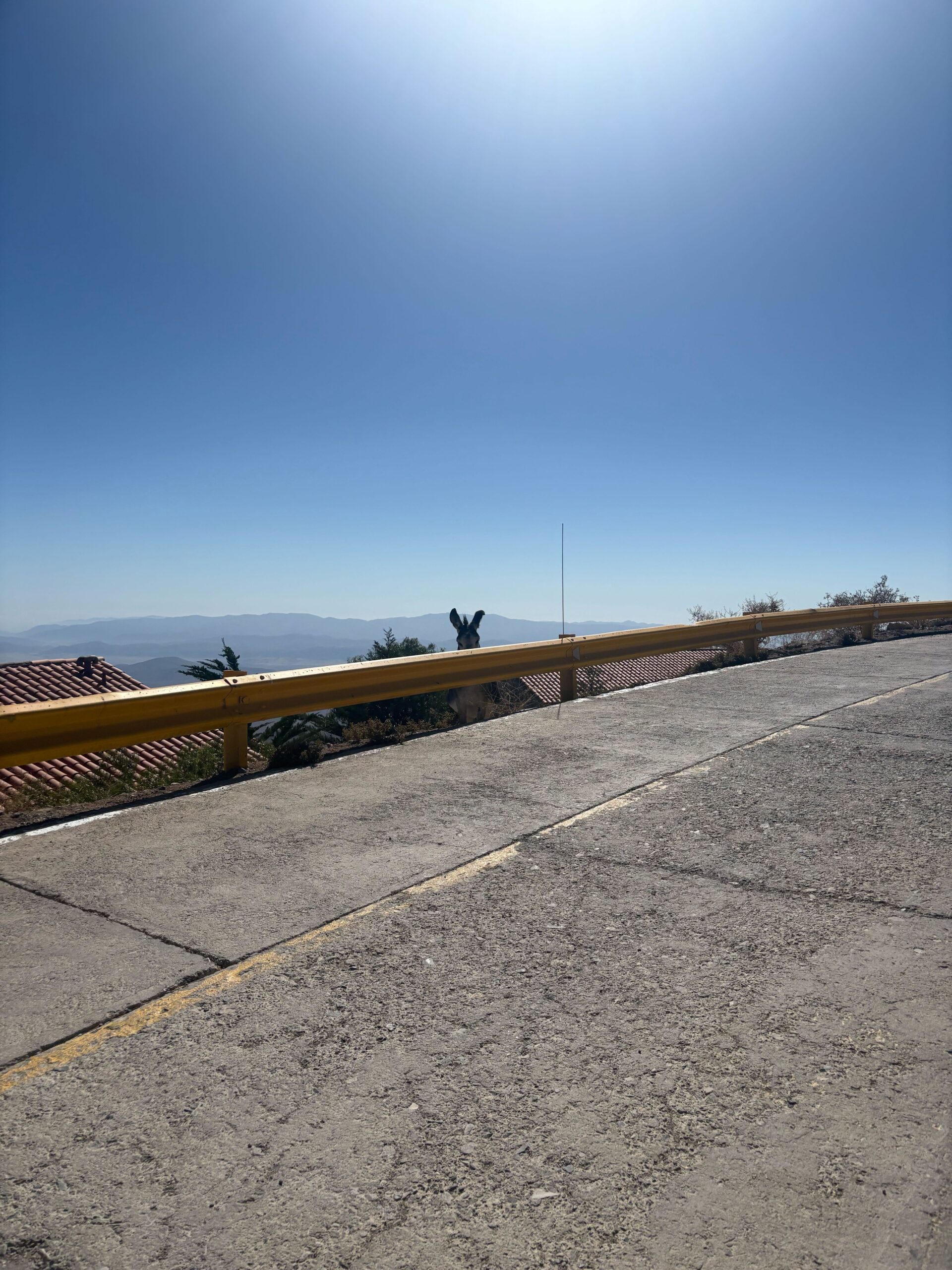
No Vizzy content just yet, but a couple of beautiful Burros greeted us upon arrival.
Wishing safe travels for the rest of the MagAO-X team coming throughout the next week! Also, since I am writing the first blog post of the run, I have the honor and privilege of choosing our blog rule. For each blog post, the writer must include at least one random fun fact. My fun fact is that the Chilean Patagonia region is home to the densest population of Pumas anywhere in the world.
The biannual Adaptive Optics for Extremely Large Telescopes conference was held in beautiful Viña del Mar this year. Although normally a summer conference, it was held from October 27 to October 31–springtime in Chile!
The Reloj de Flores, a landmark in Viña del Mar.
AO4ELT aims to gather adaptive optics scientists from across the globe to discuss and formulate solutions to the largest problem facing the largest future-generation telescopes: wavefront sensing and control.
Wavefront sensing and control (WFS/C) is critical for the success of the massive 30-m telescopes (ELT, GMT, and TMT), whose performances are severely limited by atmospheric turbulence. For the goal of directly imaging exoplanets around nearby stars, the field of adaptive optics must come together to develop the technology and the algorithms for correcting tens of thousands of controllable elements thousands of times a second.
To summarize the talks, I would say the overall theme of this AO4ELT was the proliferation of improved control algorithms. We have discovered that vibrations and other quasi-stable error modes can dominate the residual wavefront errors of modern AO systems, and simple leaky integrators are insufficient for achieving high Strehl ratios on future telescopes.
The new controller architectures predominantly have moved towards machine learning and reinforcement learning to use data-driven techniques that don’t require precise system models. This agnosticism is powerful for adapting a single control architecture to multiple testbeds and telescopes, and we saw many talks about successful implementations of Policy Optimization for AO (PO4AO), among other machine learning algorithms.
Another common theme of the conference was the success in using older, smaller 1-m-class telescopes telescopes for on-sky prototyping and testing. There is an age-old problem of adapting technology and algorithms from simulations to testbeds, and then from testbeds to telescopes. These older telescopes are having a renaissance in utility, since AO scientists are getting crucial on-sky time without the stress and overhead of competing with observers for time on larger, more modern telescopes. This renaissance is also giving students and young career researchers valuable experience in the planning and operations of observations, something you can’t get on a testbed, alone.
Walking back from the conference at sunset, enjoying the view of Castillo Wulff.
Now, what was I presenting at AO4ELT? Having just started work with the XWCL, I didn’t have any exciting results to share for the polarimetric mode of MagAO-X, but I did share work from my Ph.D. dissertation on the upgrades and early science of the VAMPIRES instrument on SCExAO (the sister of MagAO-X on the Subaru Telescope).
Showing off my poster with glee.
Beyond the conference, I enjoyed the sounds of the sea and many of the cultural staples of Chilean food–including many pisco sours. For those who are unaware, like I was, pisco is distilled fermented grapes, basically distilled wine. A pisco sour combines the liquor with lemon/lime juice, egg white, and a sweetener. The best pisco sour I had was at the Macha restaurant, where I also enjoyed octopus by recommendation of the chef to celebrate my birthday, which fell on the final day of the conference.
Pink octopus from Juan Fernandez Island, yellow chili pepper sauce, vegetables, and sweet potatoes.
Following the conference, I had planned to explore Valparaíso and spend a few days in Santiago, but my arch nemesis, the conference bug, had other ideas. I quickly got caught up on the spanish needed to naviagate a farmacía, from pañuelos to vaporaciones (de Vick). Nonetheless I was able to seek out some cozy cafes and tasty food before my long flight back to the US.
A powerful breakfast of coffee and tres lechesWhat would you call this fork?La Florería CafeSingular RoastersI like my coffee slowMama Mia Cafe
Song of the day: Despacito (it’s the Mr. Brightside of Latin America)
It’s been a while since we’ve had a results post, but it is returning after almost 10 years.
Abstract: 2MASS J16120668-3010270 (hereafter 2MJ1612) is a young M0 star that hosts a protoplanetary disk in the Upper Scorpious star-forming region. Recent ALMA observations of 2MJ1612 show a mildly inclined disk (i=37∘) with a large dust-depleted gap (Rcav≈0.4″ or 53 au). We present high-contrast Hα observations from MagAO-X on the 6.5m Magellan Telescope and new high resolution sub-mm dust continuum observations with ALMA of 2MJ1612. On both 2025 April 13 and 16, we recovered a point source with Hα excess with SNR ≳5 within the disk gap in our MagAO-X Angular and Spectral Differential (ASDI) images at a separation of 141.96±2.10 mas (23.45±0.29 au deprojected) from the star and position angle (PA)= 159.00±0.55∘. Furthermore, this Hα source is within close proximity to a K band point source in SPHERE/IRDIS observation taken on 2023 July 21 (Ginski et al. 2025). The astrometric offset between the K band and Hα source can be explained by orbital motion of a bound companion. Thus our observations can be best explained by the discovery of an accreting protoplanet, 2MJ1612 b, with an estimated mass of 4MJup and Hα line flux ranging from (29.7 ±7.5)×10−16 ergs/s/cm2 to (8.2±3.4)×10−16 ergs/s/cm2. 2MJ1612 b is likely the third example of an accreting Hα protoplanet responsible for carving the gap in its host disk, joining PDS 70b and c. Further study is necessary to confirm and characterize this protoplanet candidate and to identify any additional protoplanets that may also play a role in shaping the gap.
Li, J., Close, L., and Long, F., et al. “Discovery of Hα Emission from a Protoplanet Candidate Around the Young Star 2MASS J16120668-3010270 with MagAO-X”