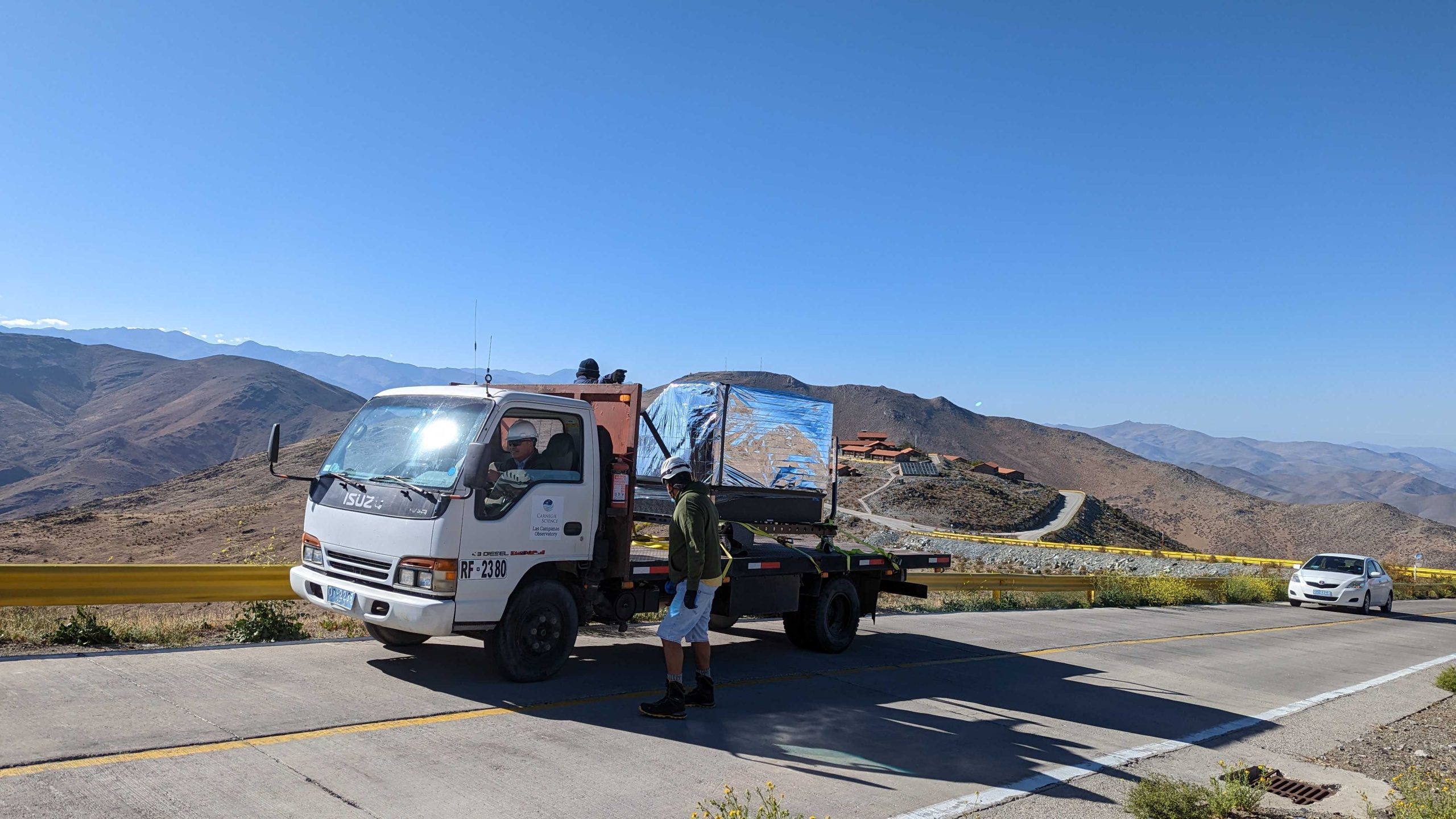
MagAO-X is here on the mountain, and we have been working to unpack it since its arrival at 10am. As such, anyone looking for coherent prose in what follows is warned to expect disappointment.
We got pics tho.
This is not a pic.
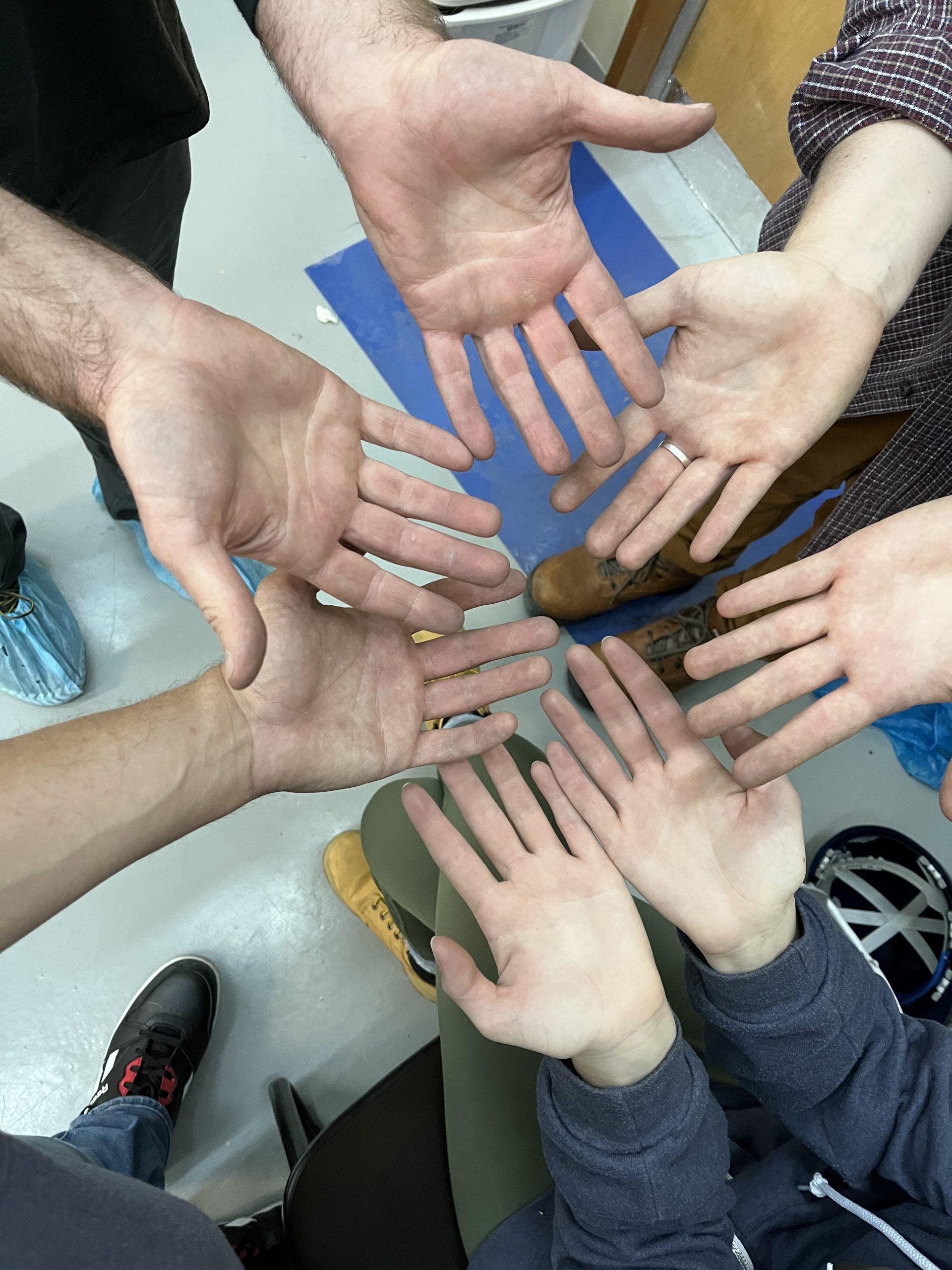
Unpacking is dirty work, but it’s all worth it.
Our hands look like this:
So his hands can look like this:
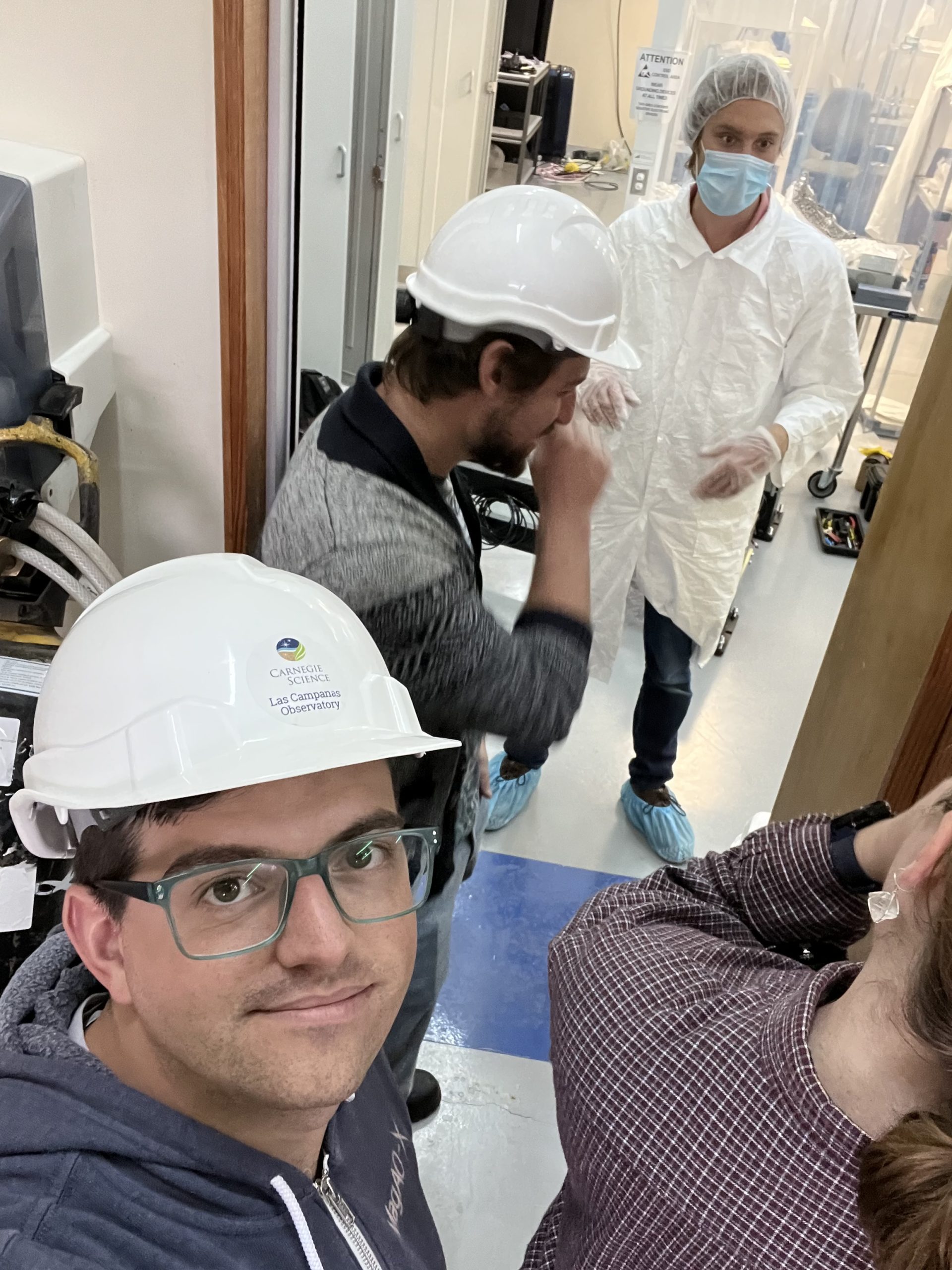
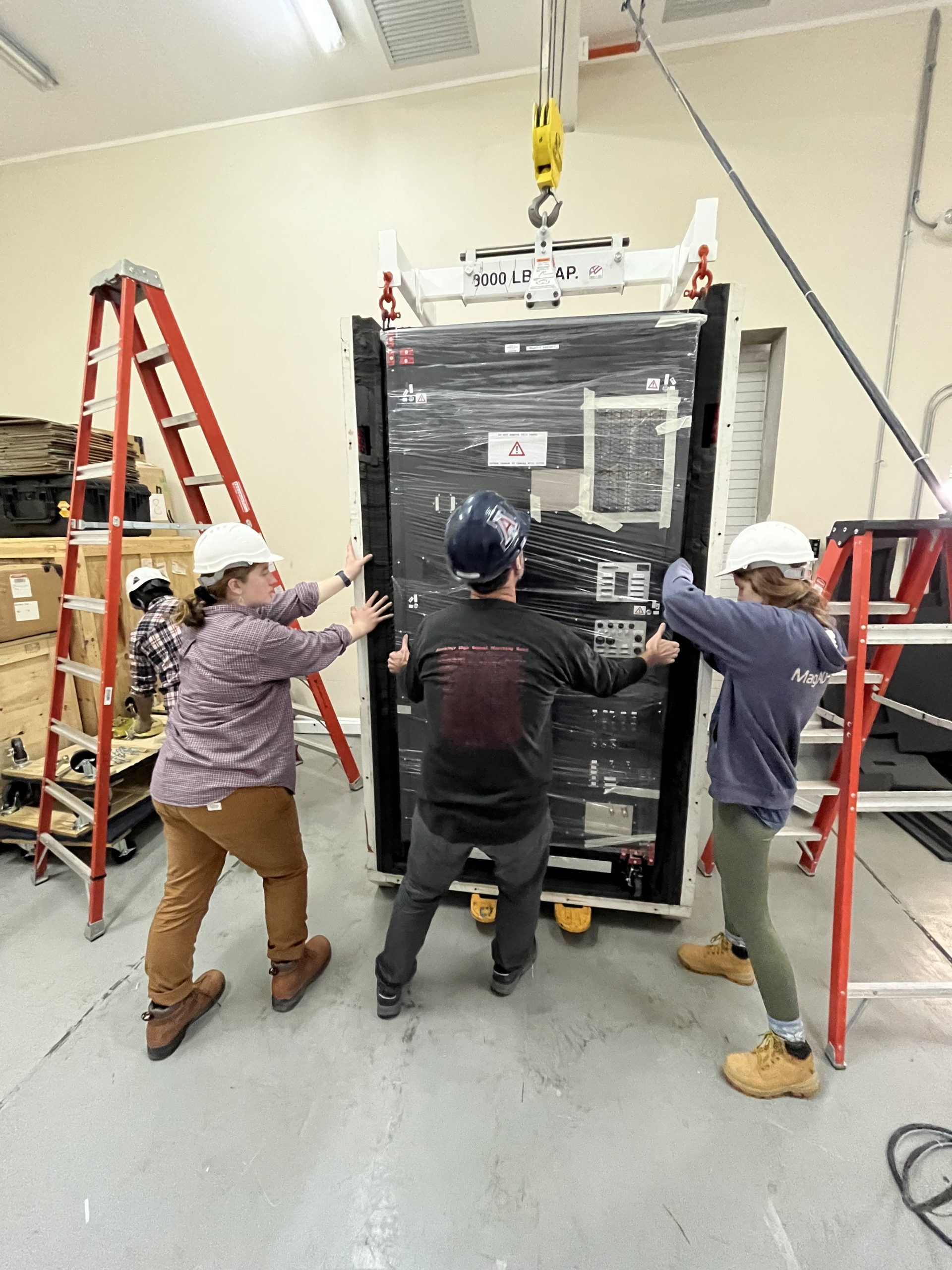
Today was very “astronomy with hard hats”
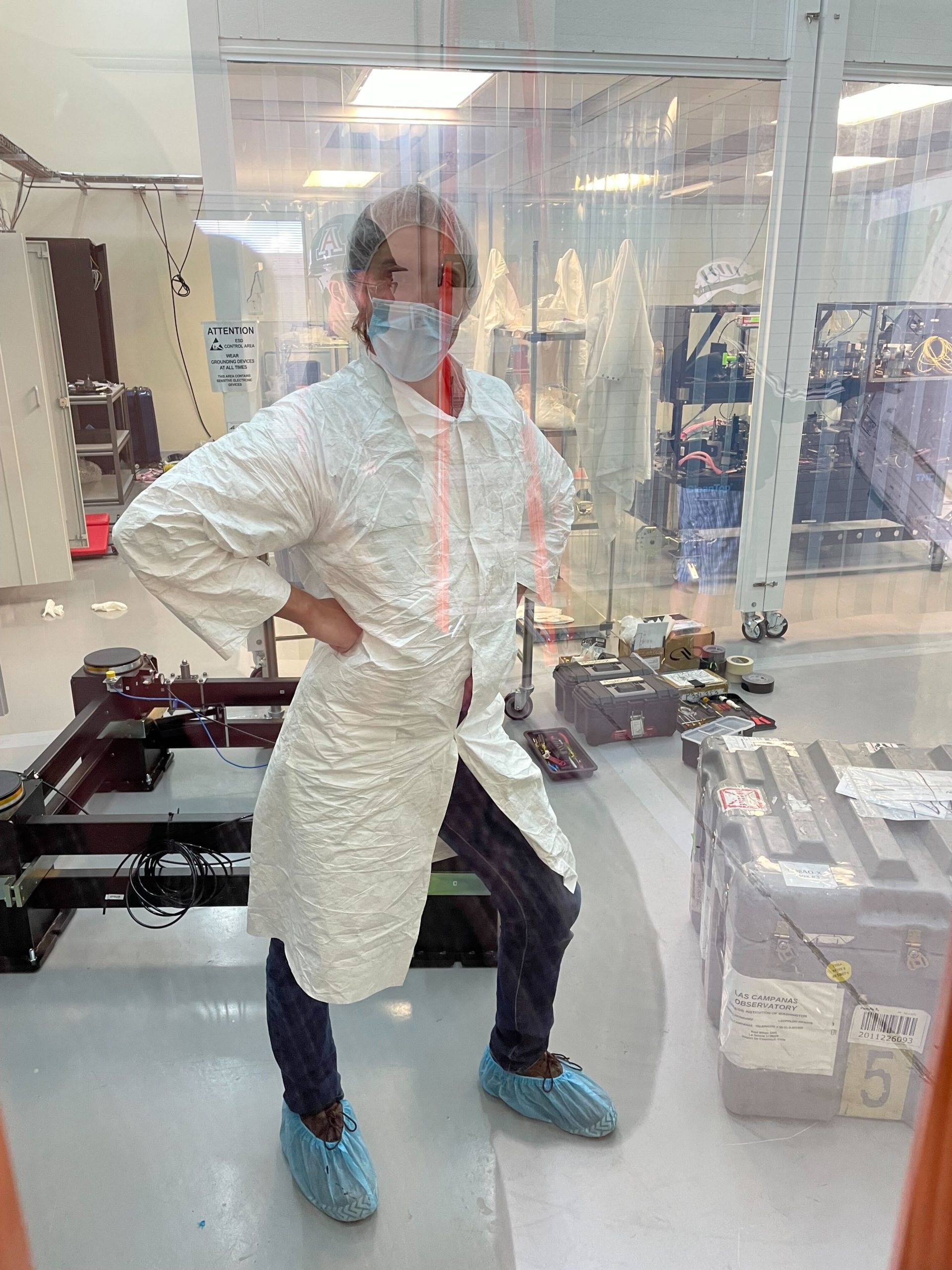
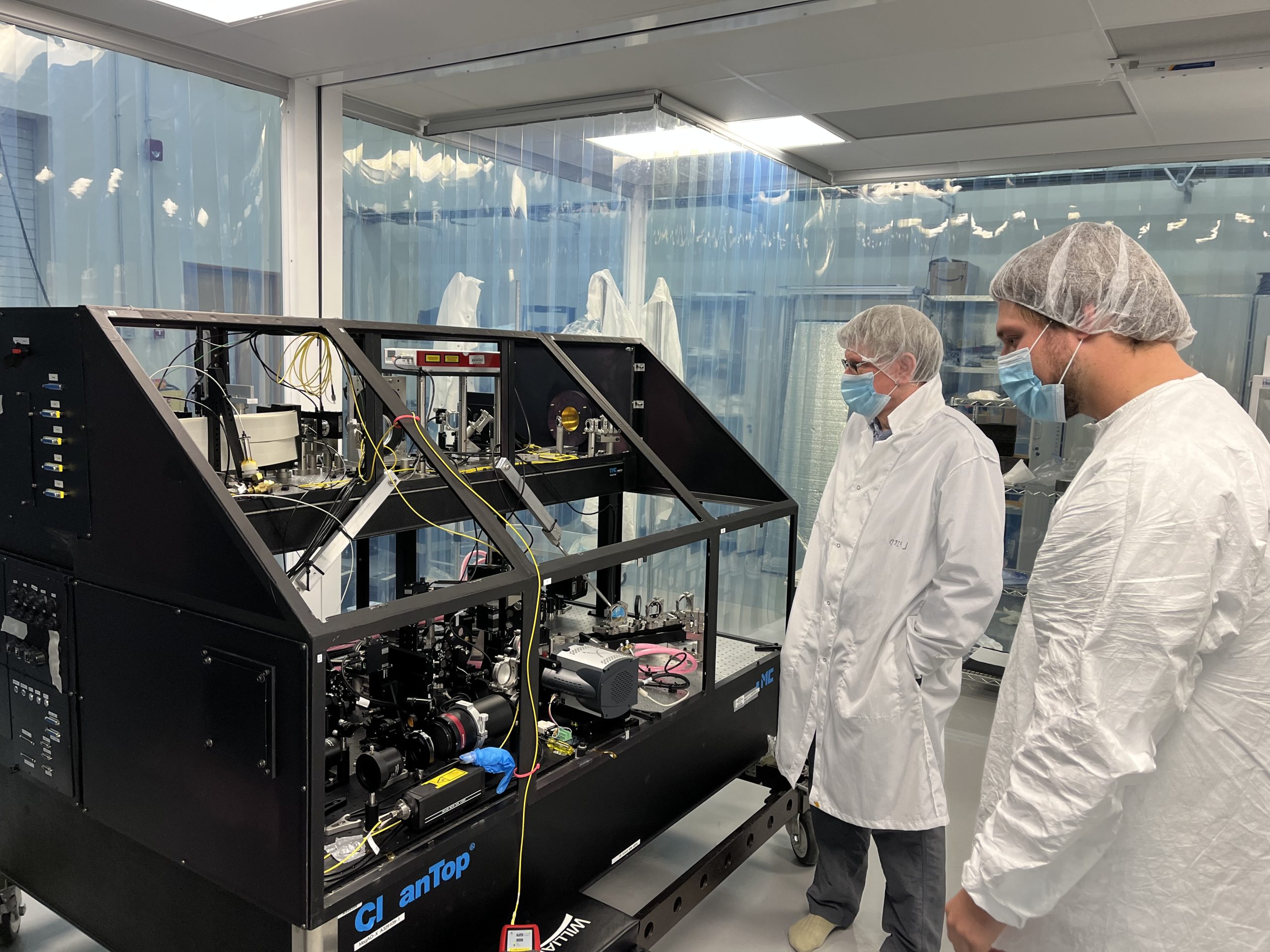
But also “astronomy with cleanroom gowns”
There were occasional meetings of the two, even:
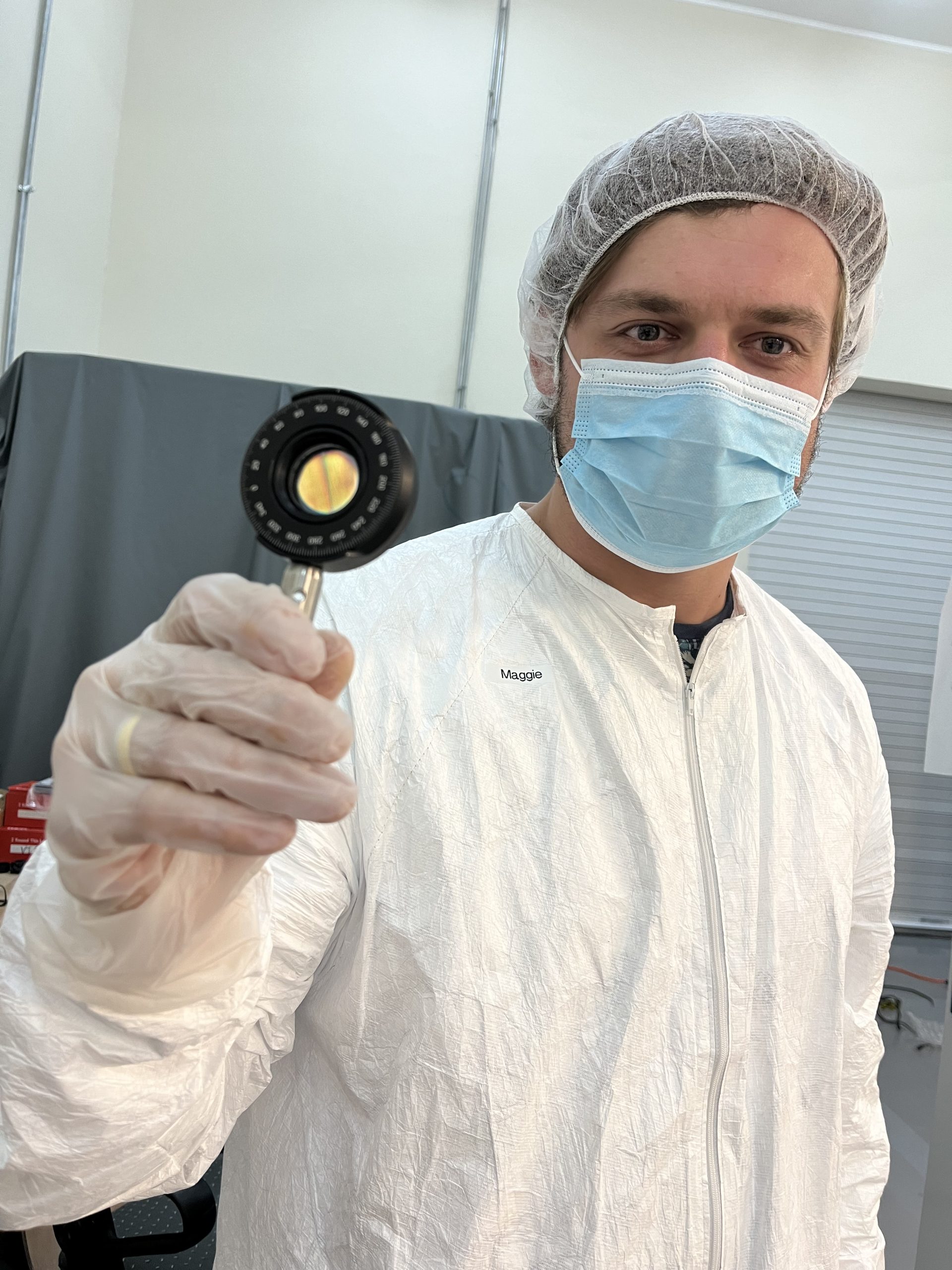
“Maggie” unpacked his new grating for VIS-X:
It was shiny:
shiny
The P.I. hugged his electronics rack once again:
MagAO-X let it all hang out:
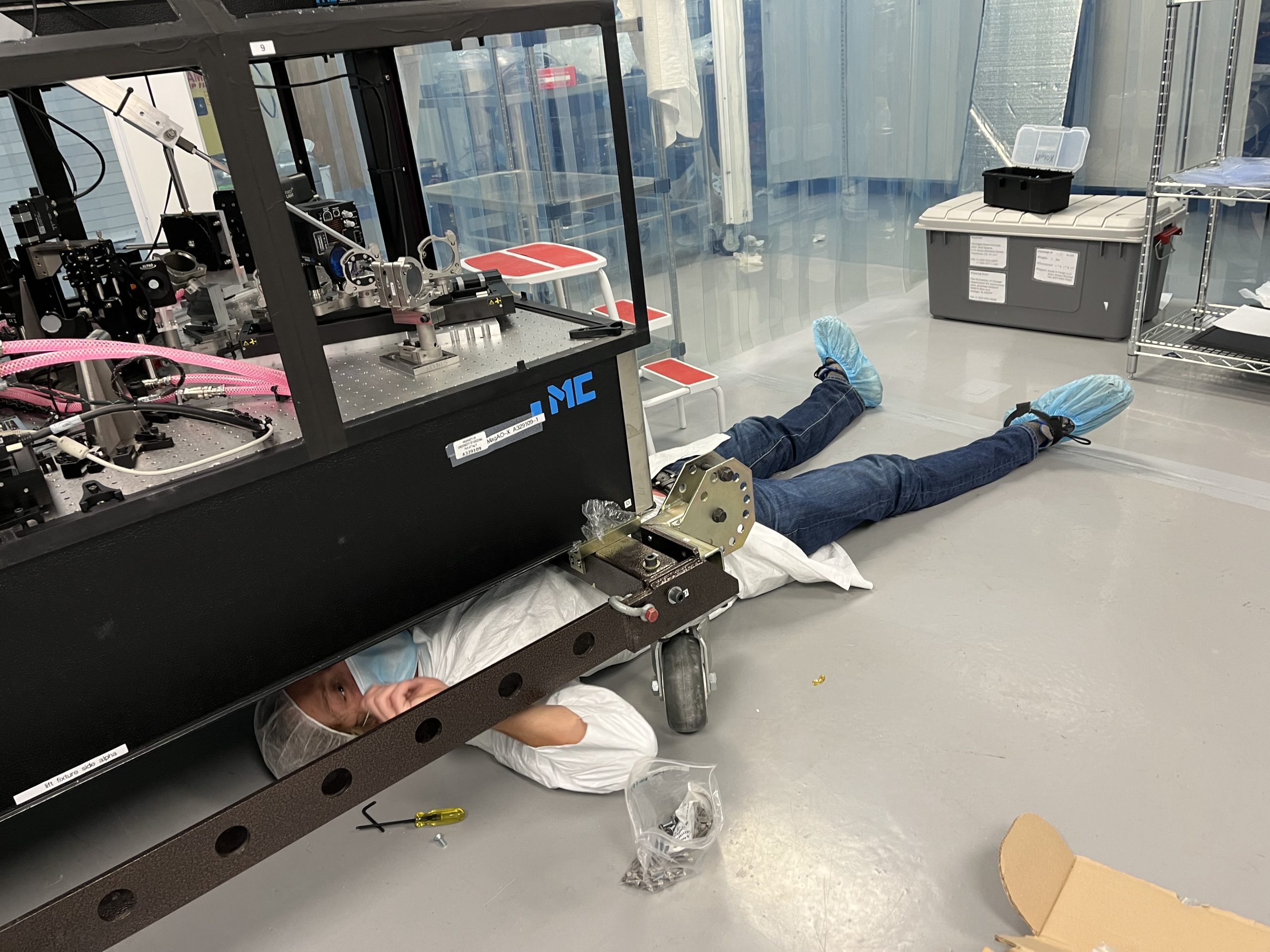
The success of MagAO-X quite literally rests on students:
There was also a small earthquake, but it’s all good.
Song of the Day
We had 1975, now we got 1977. Ana Tijoux is a Chilean-French MC I used to listen to long before I ever visited Chile.
Trying to rap along with that is challenge mode for maintaining your Spanish-speaking skills. (I used to be able to…)
As a bonus, here’s her 2020 protest song that taught me “guanaco” is slang for the water cannon police use to disperse protests in Chile (because they both spit at you, get it?)
The long days spent waiting for a resolution to the trucking strike were unwanted but provided unusual tranquility on a mountain normally full of activity. Starting work yesterday morning brought welcome relief to have control back in our hands: turning wrenches and aligning optics was made sweeter by the ennui and uncertainty we had experienced waiting for our system to arrive.
It is to the credit to the group, then, that we did not trip over our own feet in excitement to have something to do, and instead an aura of calm pervaded almost all actions of the days. Like a well-rehearsed dance, our shifts in the cleanroom prepared each subsystem for integration onto the larger bench, and we were quick to characterize problems that will be addressed in days to come. The two days for preparation were unusually brief: because of time constraints we needed to run through our system characterization without incorporating the air-support mount or high-actuator count deformable mirror. Despite the outward expectation of hurriedness, we finished both days with remarks about how quickly everything had gone. Stepping outside this evening into golden sunset light with our instrument packaged and wrapped for the telescope was uniquely rewarding.
This calmness amid the bustle of activity would do well to linger into the next few days. Tomorrow will be the busiest day of the trip, loading our precious cargo onto a truck early in the morning for the final 200 meter climb to the telescope and then solving wavefront control problems through the starlit night. Today, then, was an important day to appreciate the quiet moments before the tempest that will challenge and enthrall us tomorrow.
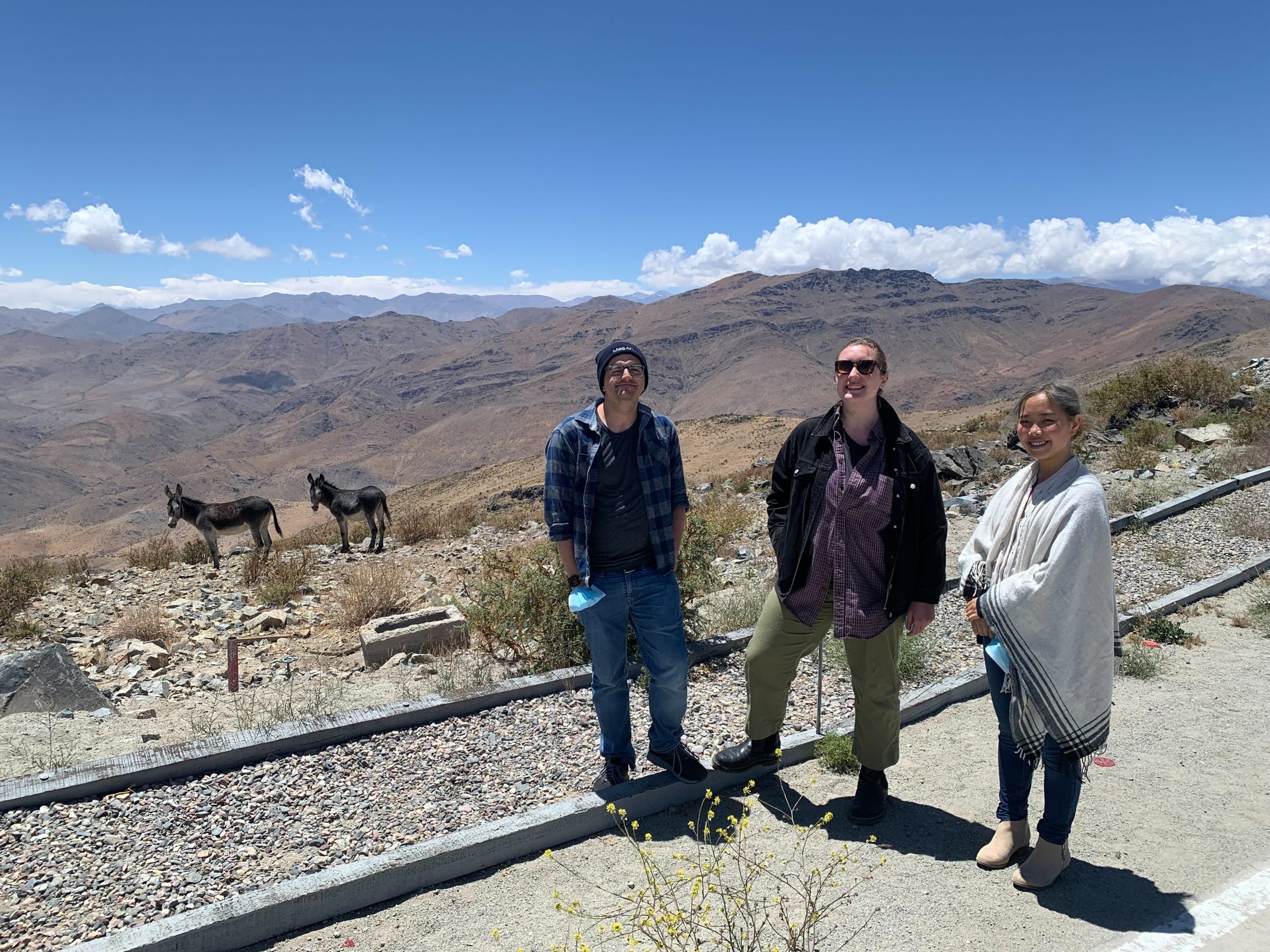
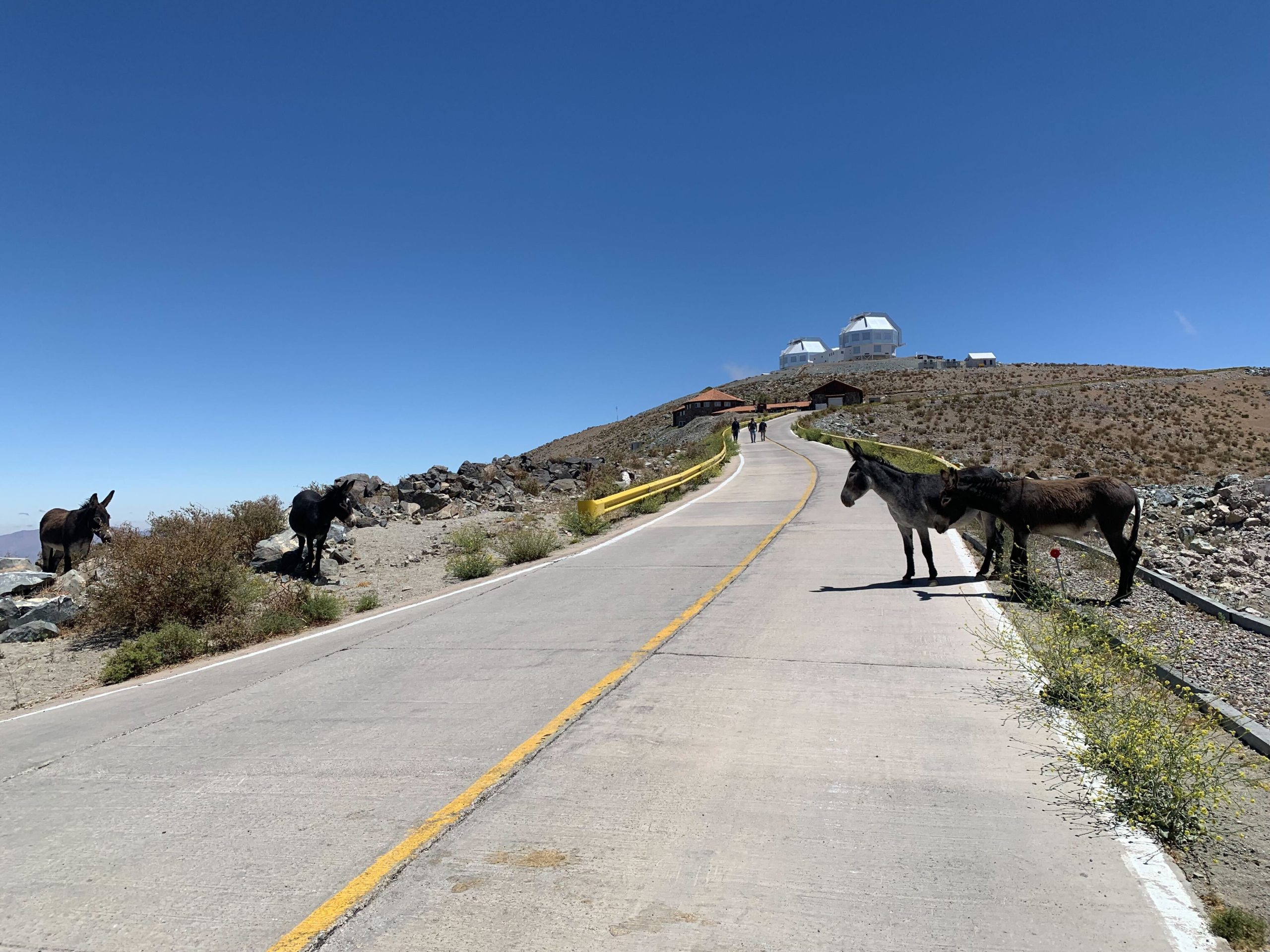
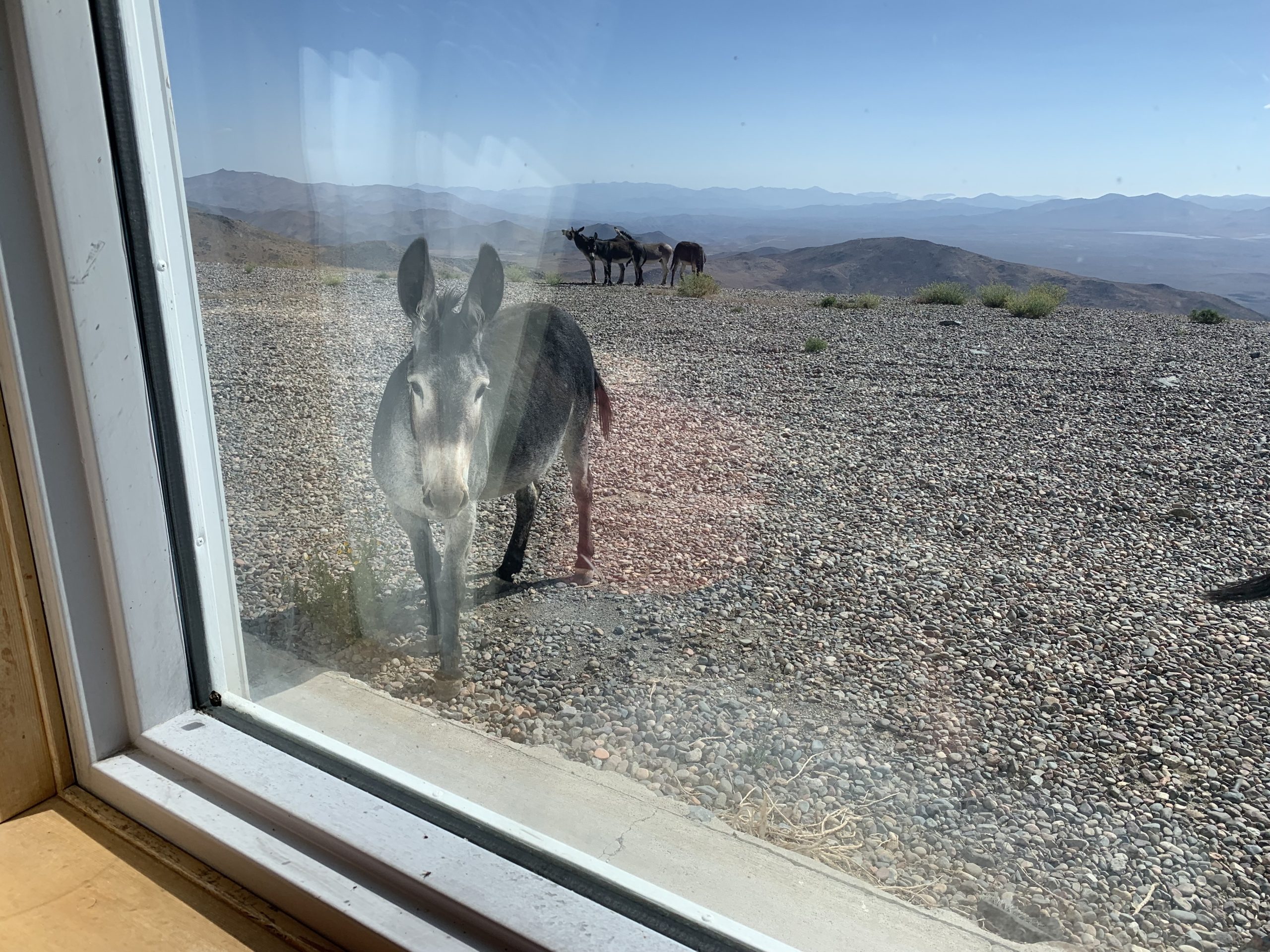
Almost all the LCO animals joined together in making today a good day to remember. We had visits from the donkey herd:
“If we give them an apple, do you think they would give us a ride?”These would have been great for the trucking strike
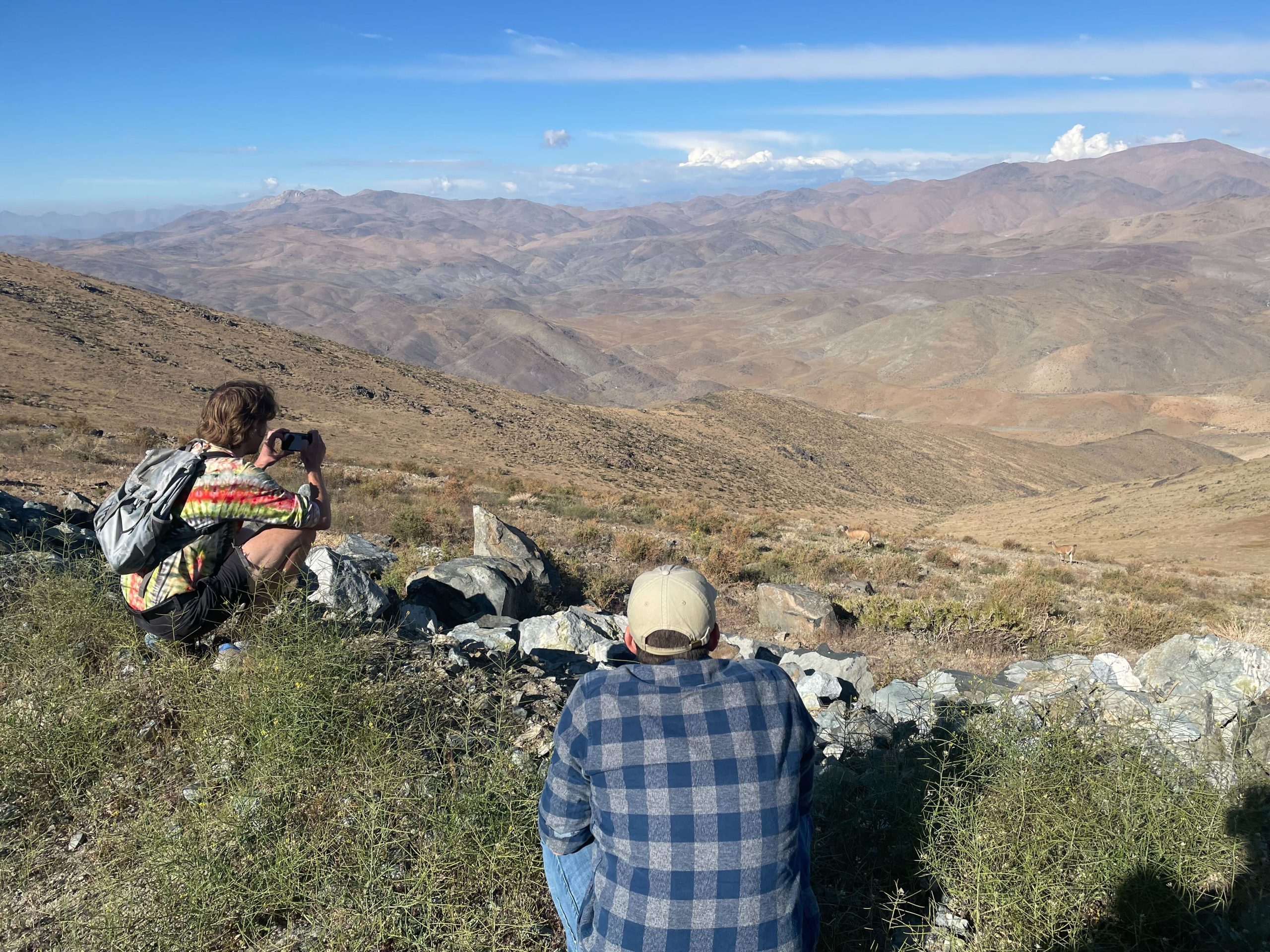
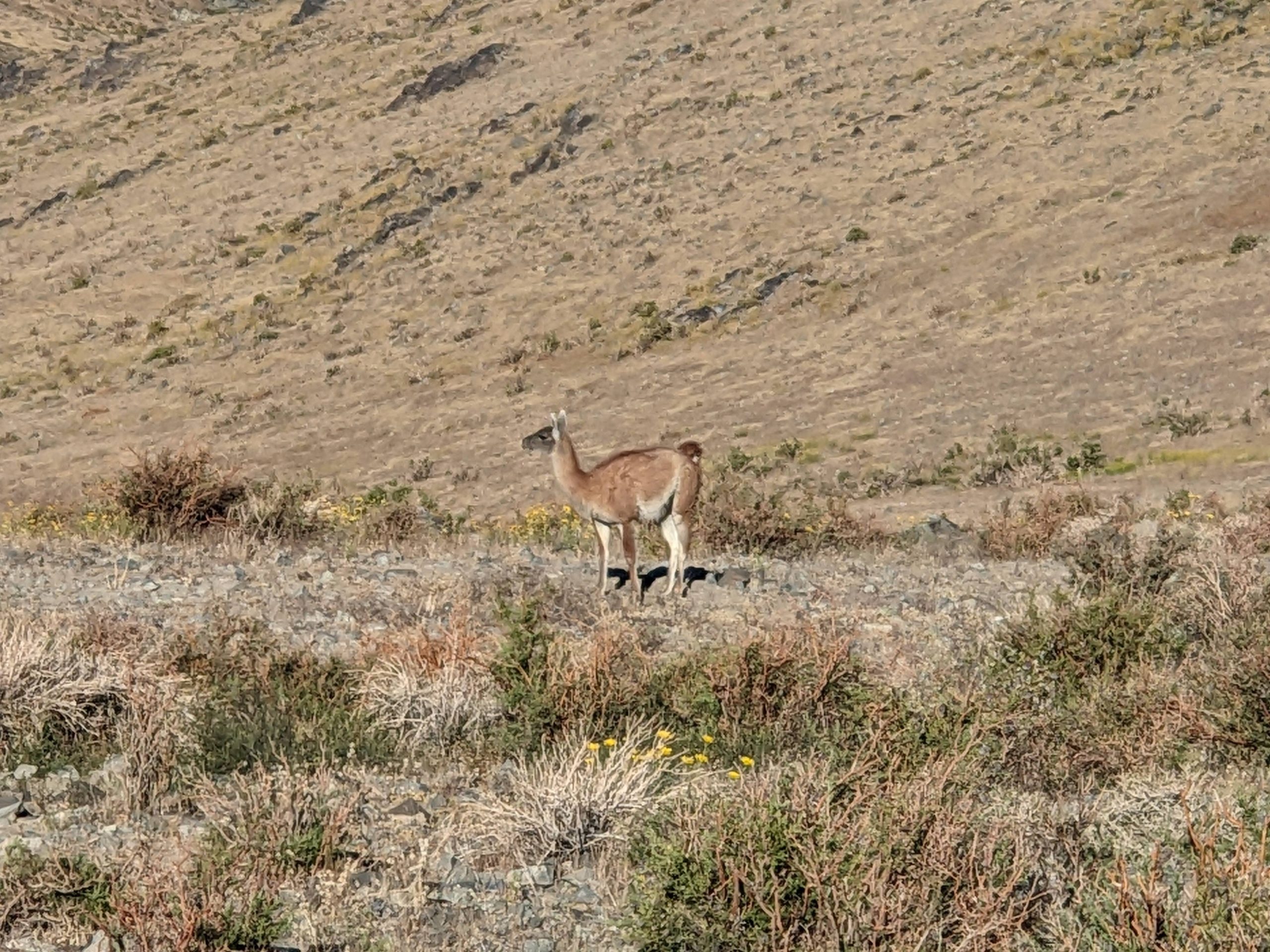
The guanacos also made a rare, close to the lodge appearance before bedding down on the hillside south of the telescopes.
Great photo, EdenI count at least six pixels
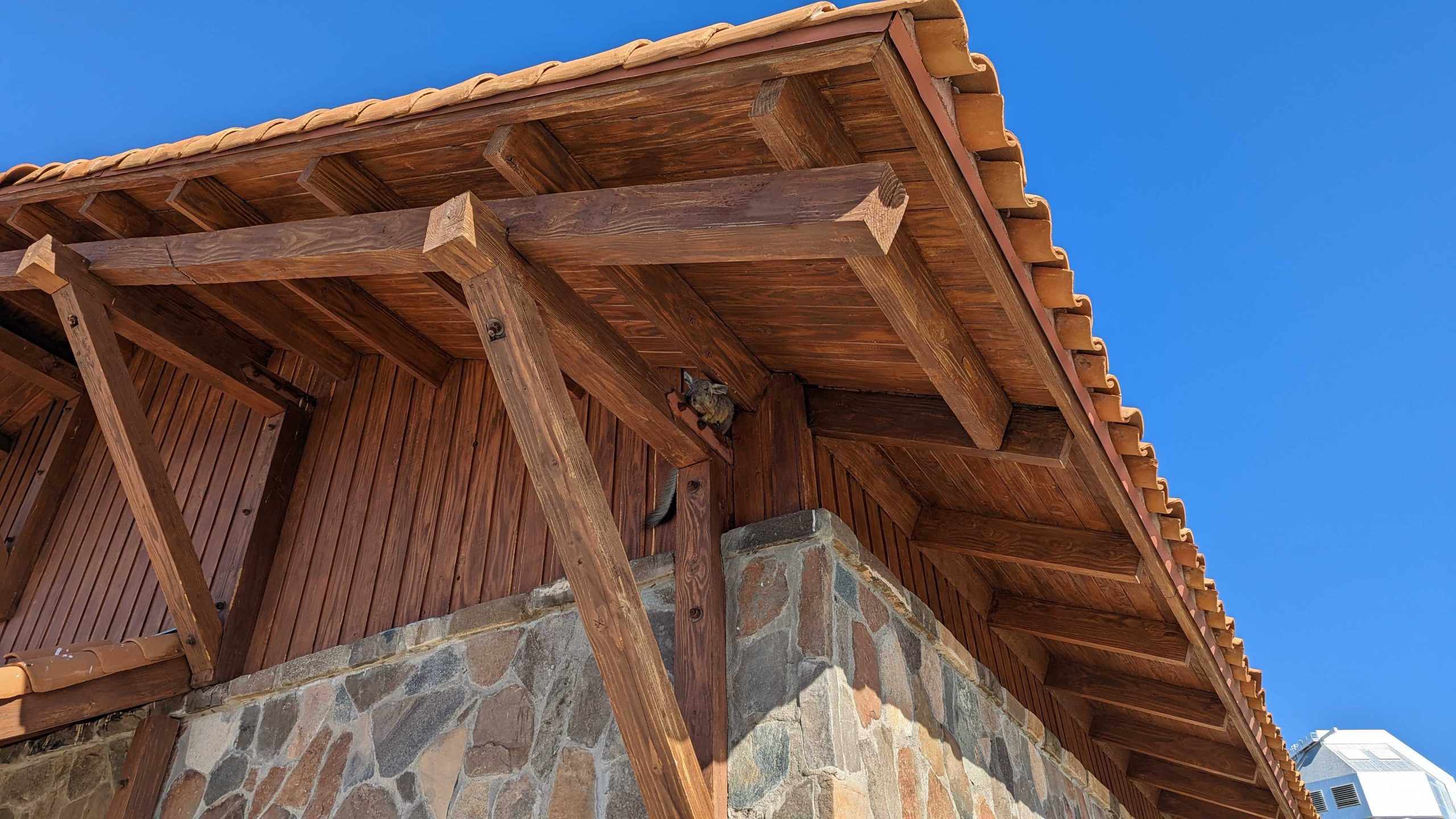
Furthermore, our resident viscacha spent time posing for admirers:
Every single one of us wishes that we were this viscacha. Or at least that we could cuddle with this viscacha.
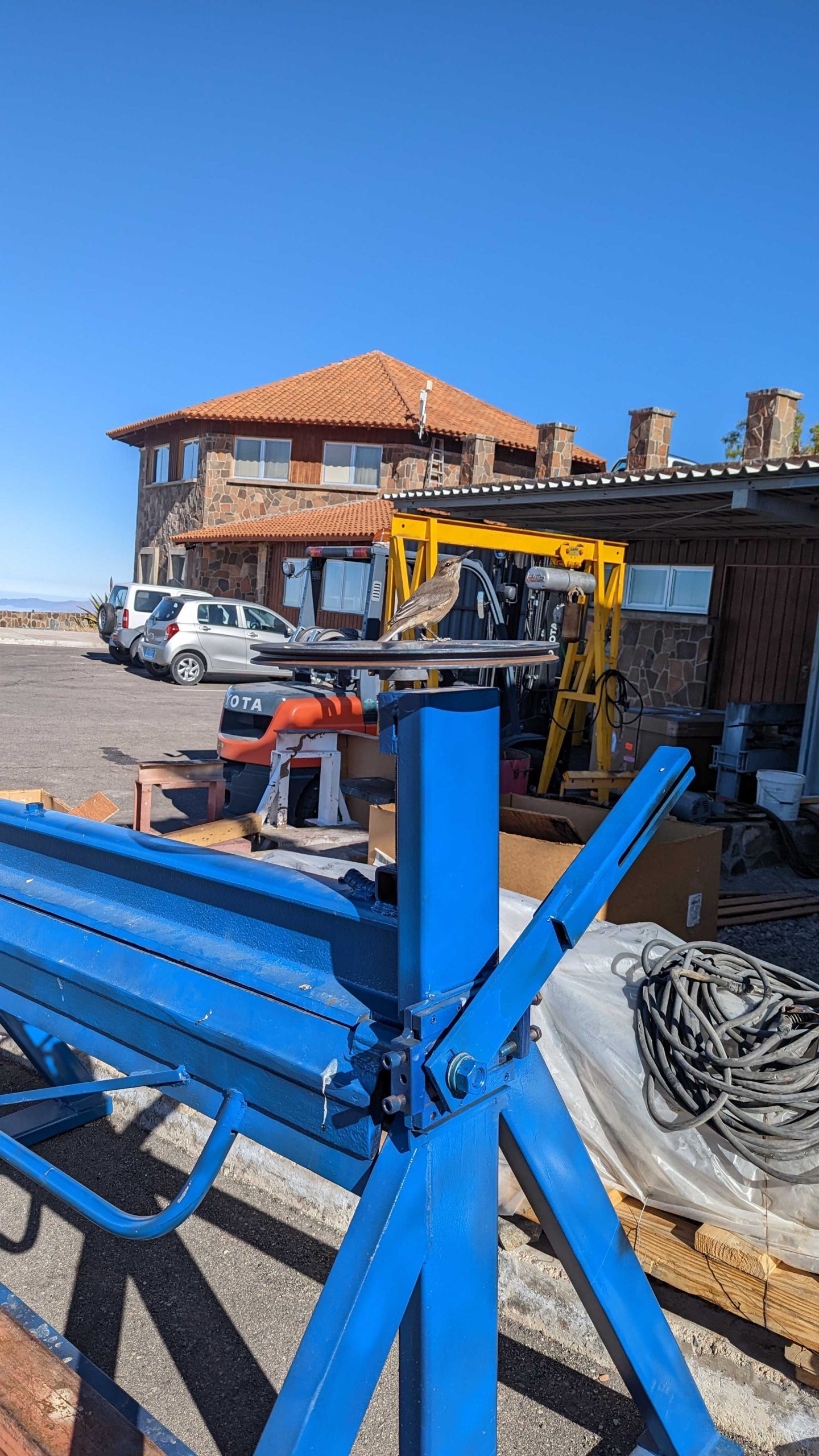
And certain, unnamed members of the group were hassled by menacing birds between homework assignments.
Looks can be deceiving: this bird is a killer
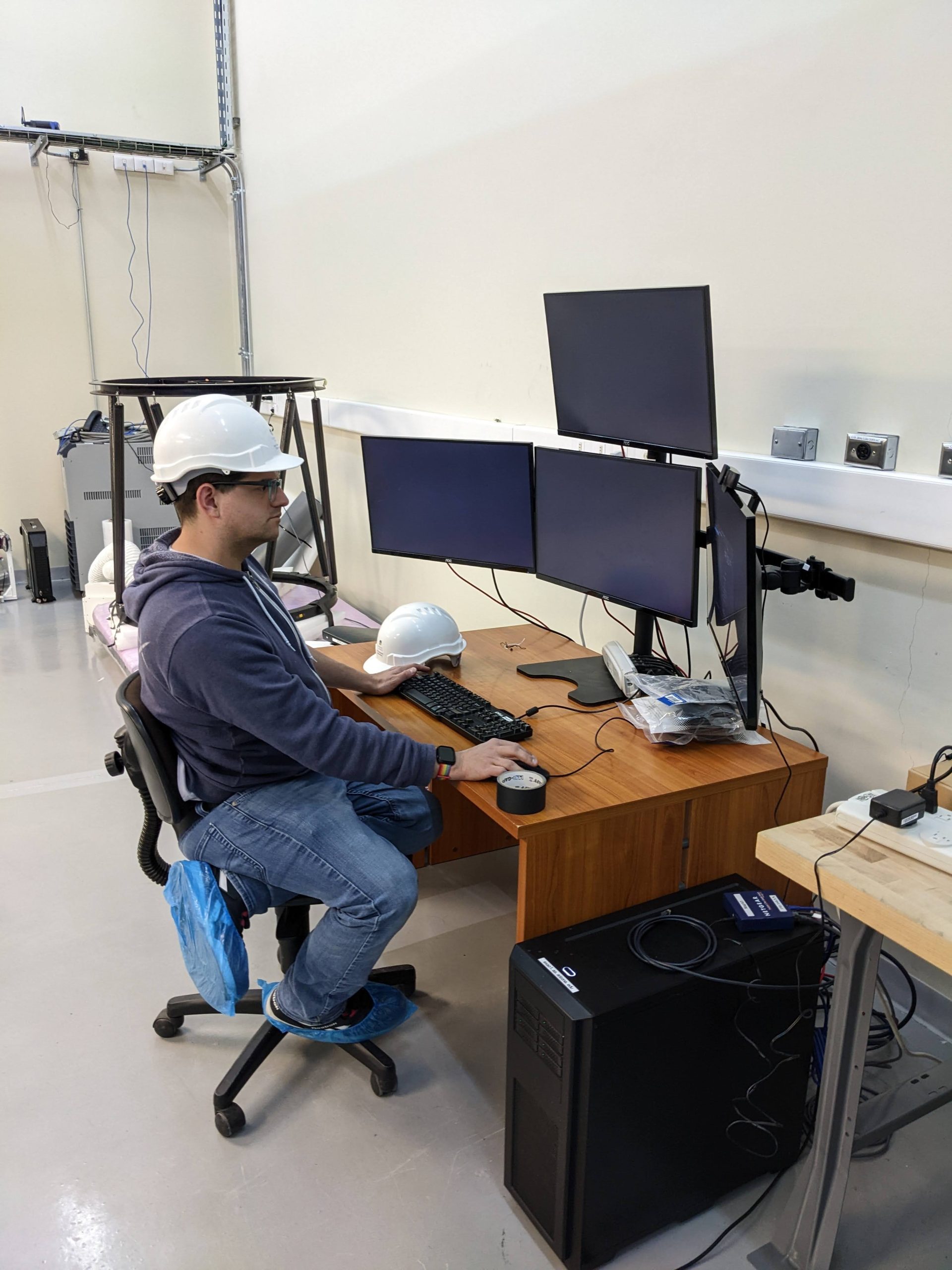
Inside the lab, Jared and Joseph started the day with heroic efforts to troubleshoot problems on the erstwhile moody ICC. It seems possible that problems may have originated during bumpy transport; we are all hoping that we’ll soon forget there was ever anything wrong at all.
Hardhats are always welcome but the incorrect PPE for this situation: our computers go directly for the heart
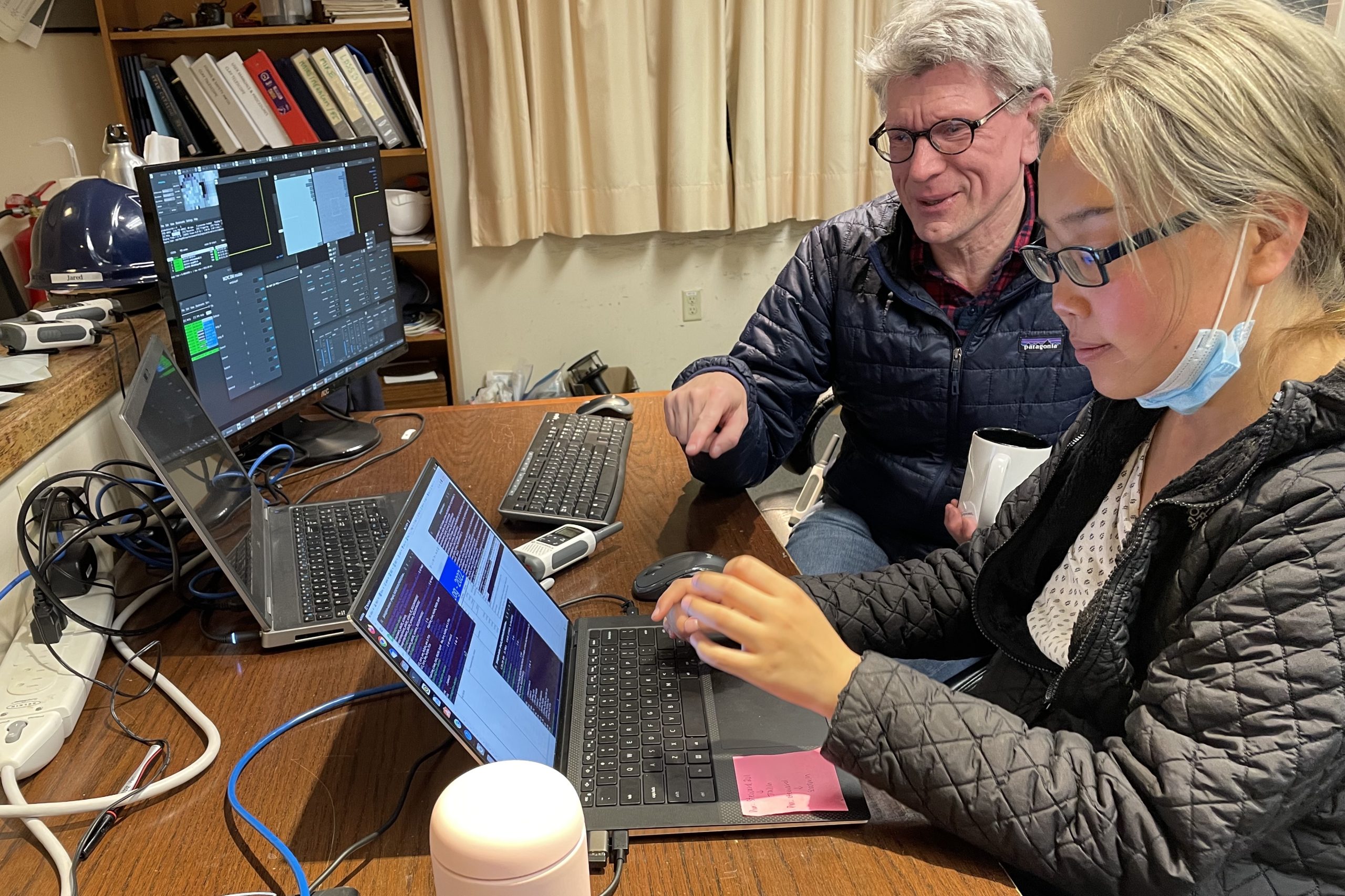
Afterwards, Eden, Sebastiaan and I each got to play with our instruments but work was hampered in part by bad PSFs caused by some combination of pupil shift and no tweeter mirror. We were glad for an online celebrity guest troubleshooting appearance from our very own Kyle van Gorkom; hopefully getting the instrument onto its air support in the telescope will restore beam paths to closer to what we had seen in Tucson.
“It works because I tell it to work”Brief moments in the process allow us to step back and think “wow, this is really crazy”.
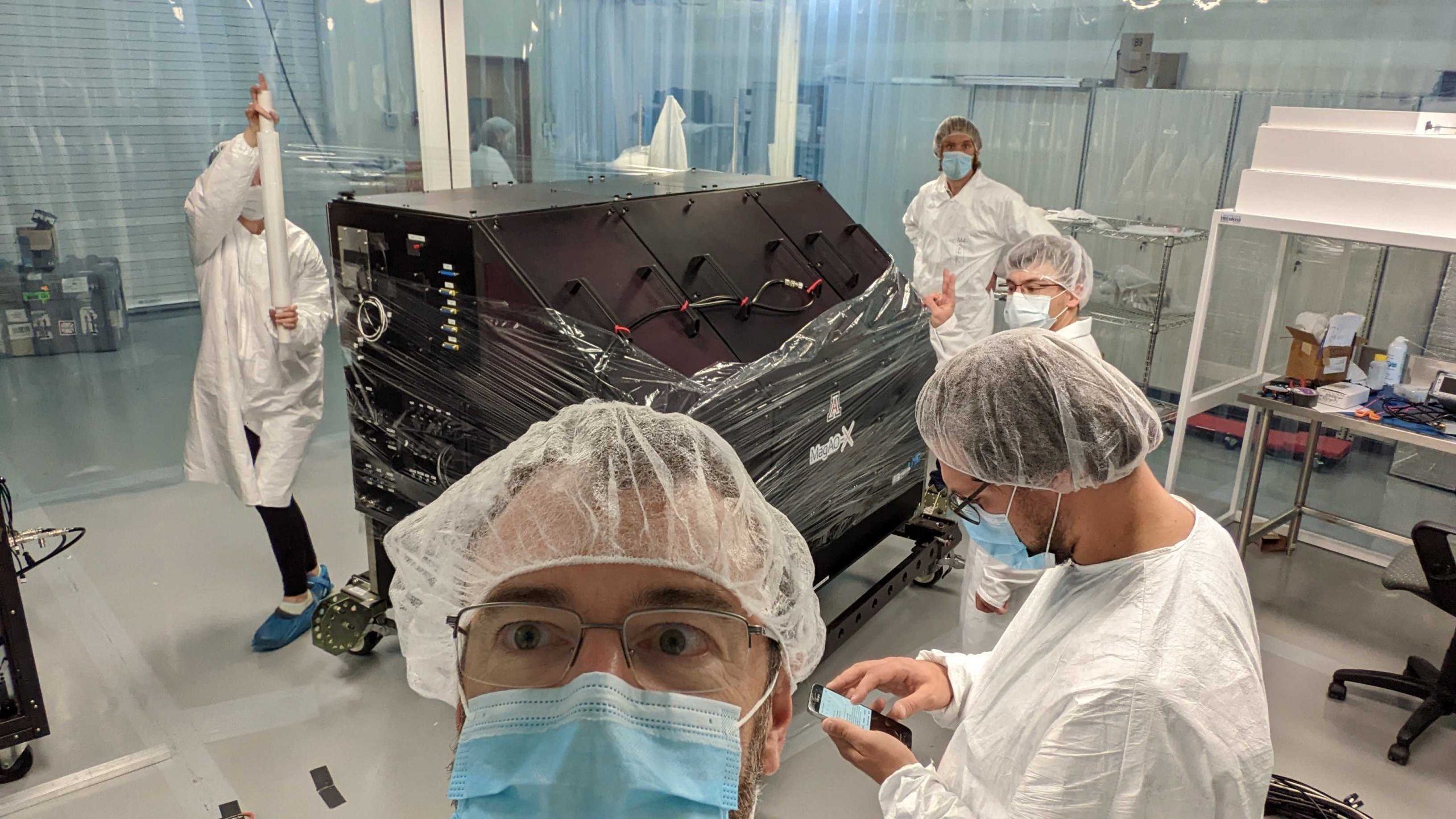
As quickly as it had started, it was time to pack everything up and get ready for the final ascent tomorrow. Avalon’s instincts as master plastic wrapper sprang into seasoned form, and good teamwork led to a record decabling and preparation.
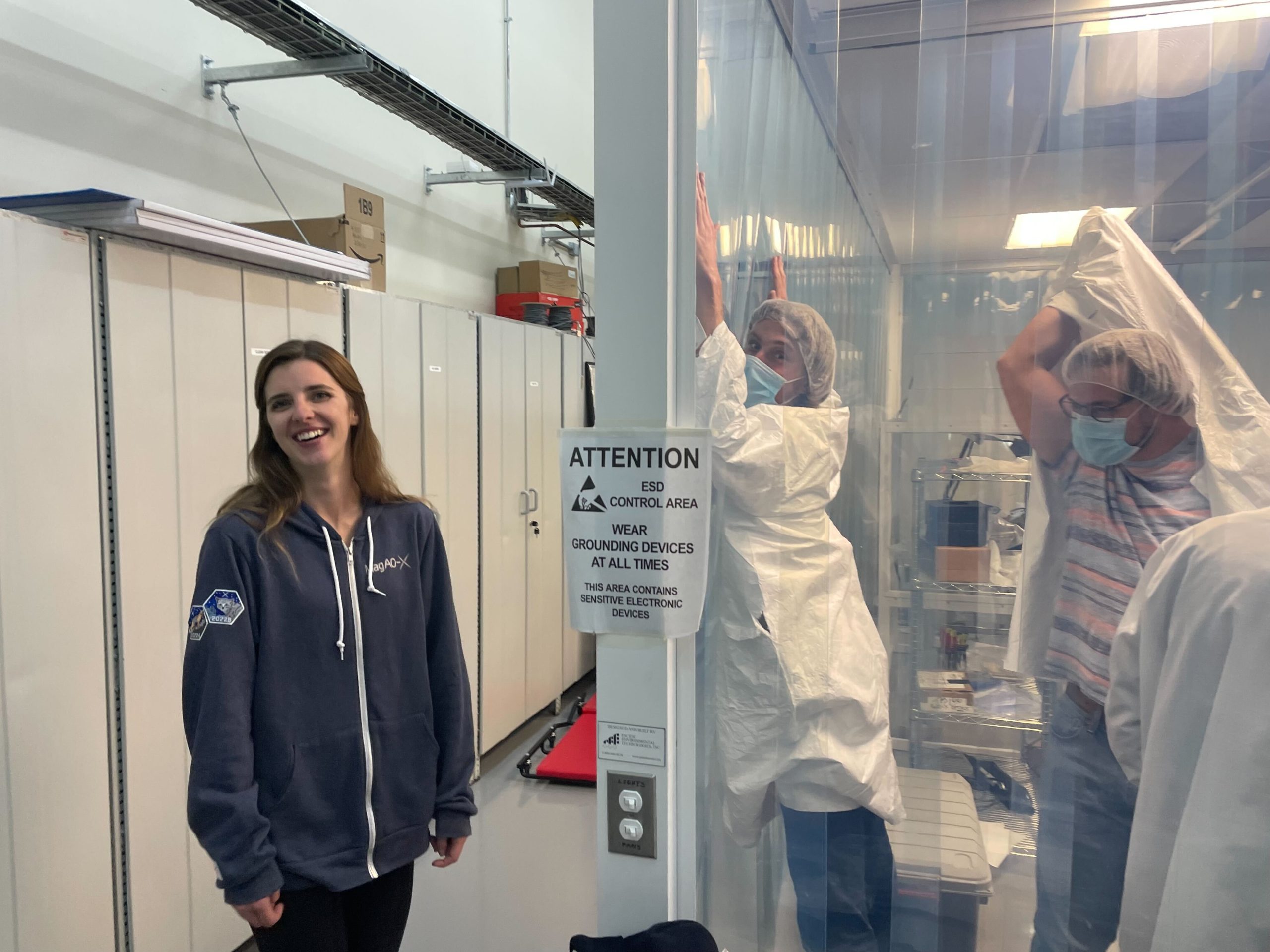
This looks like a lot of plastic but Avalon only began wrapping twelve seconds before this photo was takenFitting into the gowning area in this cleanroom feels like squeezing into a clown car
Finally, our work finished, we enjoyed a very pleasant team bonding experience lingering outside as the evening glow turned into night. Amid the certain hubbub and work of the coming days, it was lovely to pause and appreciate the quiet stars twinkling in the night, before peering deeper to unravel their mysteries.
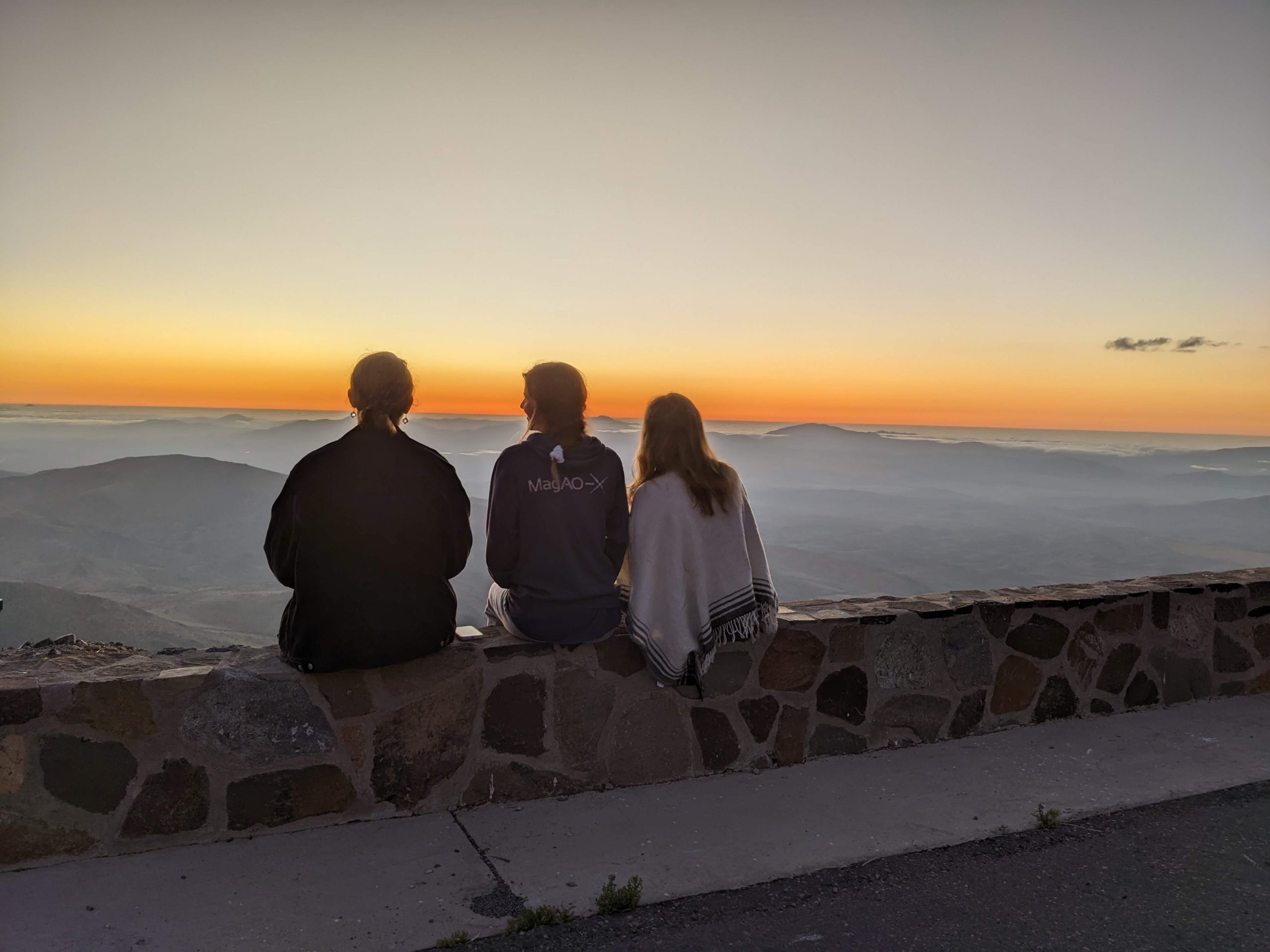
History will forget anachronism and assume that this sunset photo also happened tonight“Keep looking, those aliens will show up eventually” “All of the quotes in these captions are not real”
With relief and anticipation we look forward to the busy days to come, but also look back with fondness on our unexpected, quiet days on top of the world. Time spent walking the gravel mountain roads holding dual feelings of awe and angst consistently evoked the music of Townes van Zandt, and I’d be remiss to not include a song of those moments before our nostalgia is swept away by the activity quickly upon us.
From the long days comes an even longer night with the first engineering night of the run. What follows is a brief recount of the 24 hours spent getting MagAO-X running. Today started bright and early with getting MagAO-X up the mountain.
MagAO-X slowly moving up the mountain. Credit: Jared
The final 200 meter climb resulted in the instrument finally getting to the summit and installed. The final vertical climb up the elevator was the fastest process of the whole day! It only took a mere 2 minutes, time lapsed in a cool 12 seconds below.
Credit: Eden
Once on the platform a myriad of tasks were then taken to get it into place. Starting with disassembling the cart and getting it onto the legs. After giving MagAO-X its legs back and getting it into its final position Warren, Eden, and Avalon graced us with this musical number, dubbed “Carol Of The Safety Toe Shoes”, to commemorate the moment.
Credit: Video – Eden, Performance – Eden, Avalon, and Warren
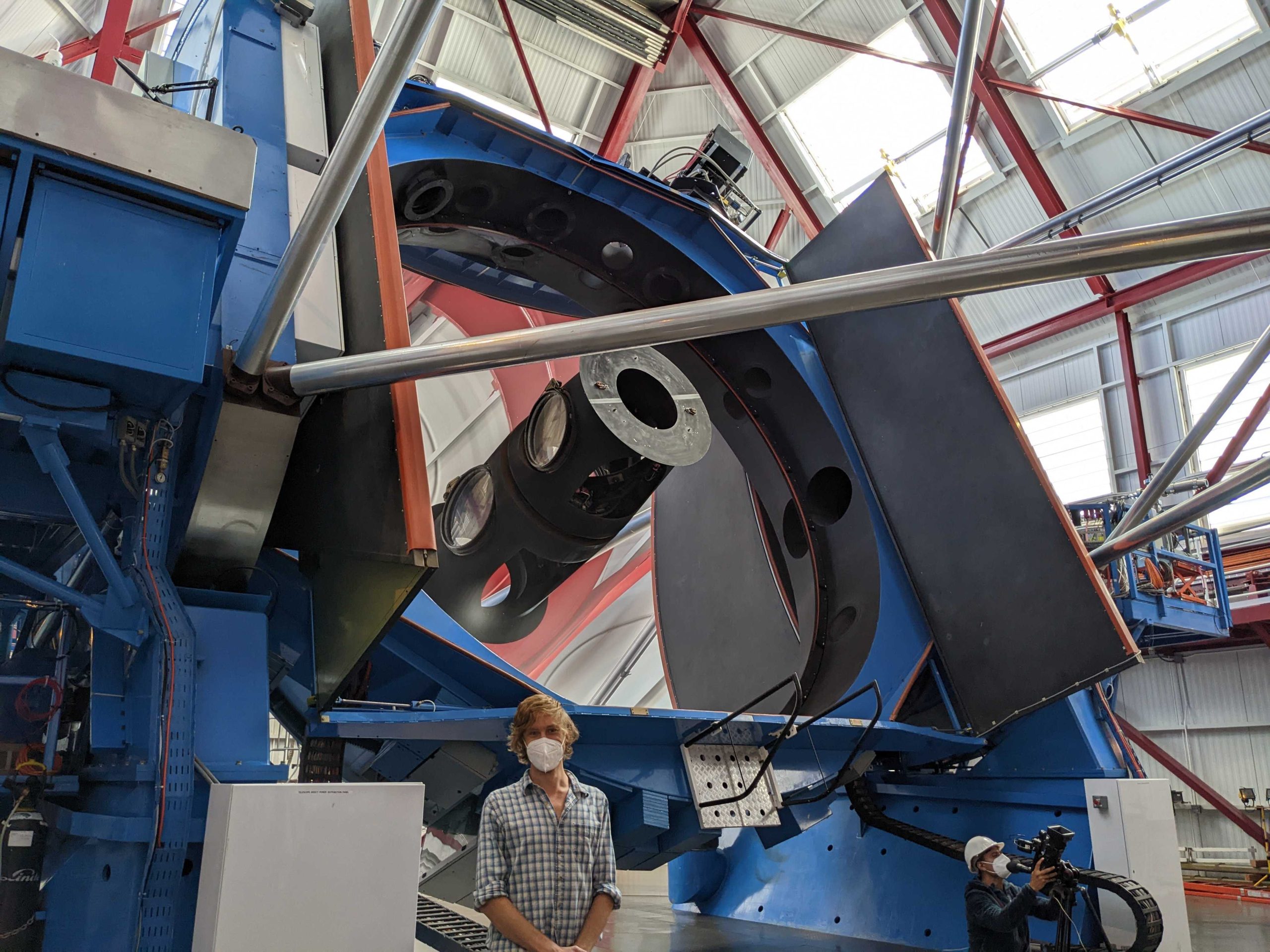
After this great composition the group aligning the instrument took a break as the Baade telescope posed for us! (It totally wasn’t because of some press)
Credit: Eden (Warren Used For Scale)
After seeing BAADE the team took a slight detour into the auxiliary building, specifically to see where the primary mirrors of the Baade and Clay telescope are re-aluminized. The students had fun with the acoustics!
Credit: Warren
We of course had to be inspected by the burros, they approved of our work.
Credit: Laird
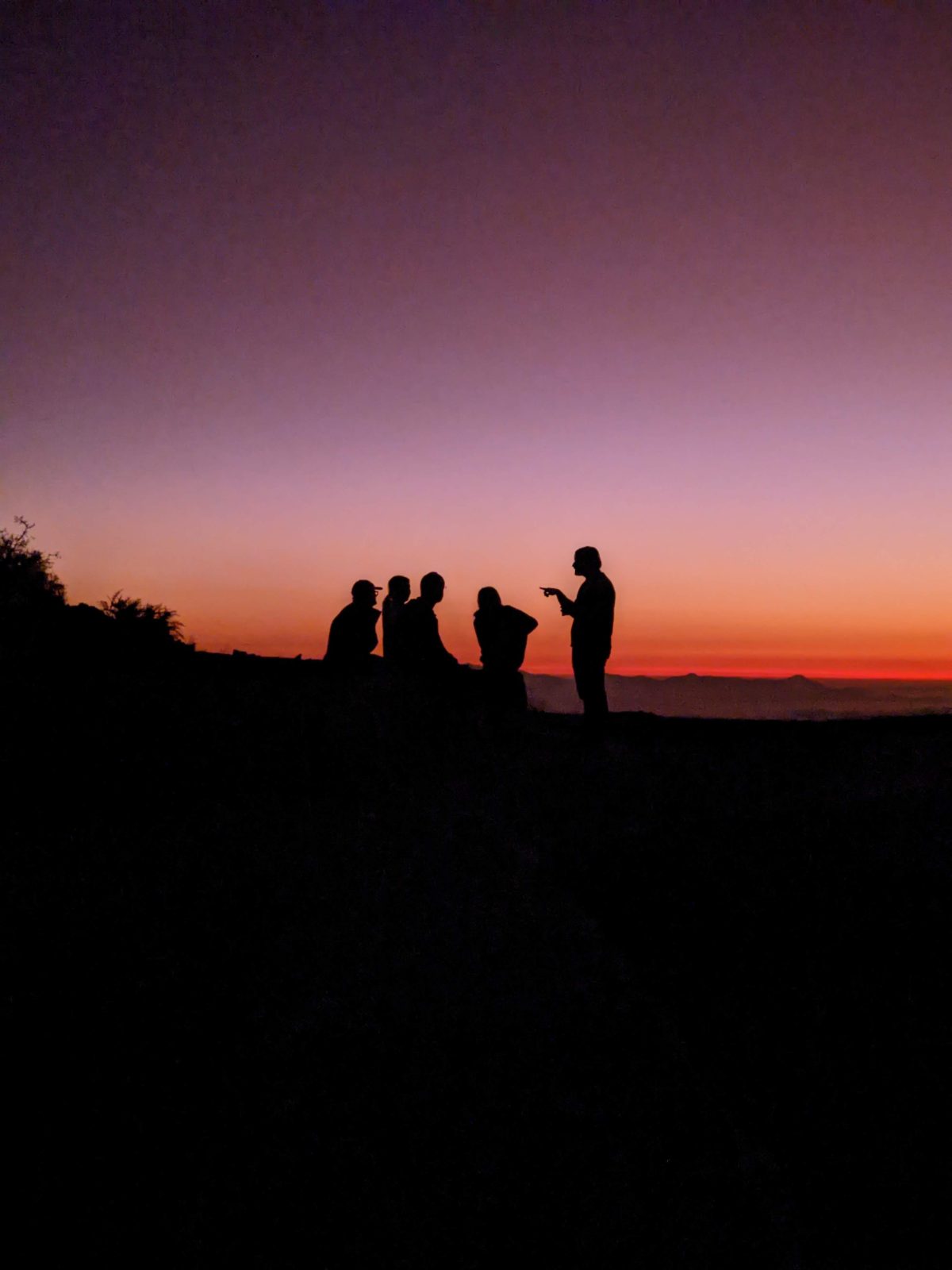
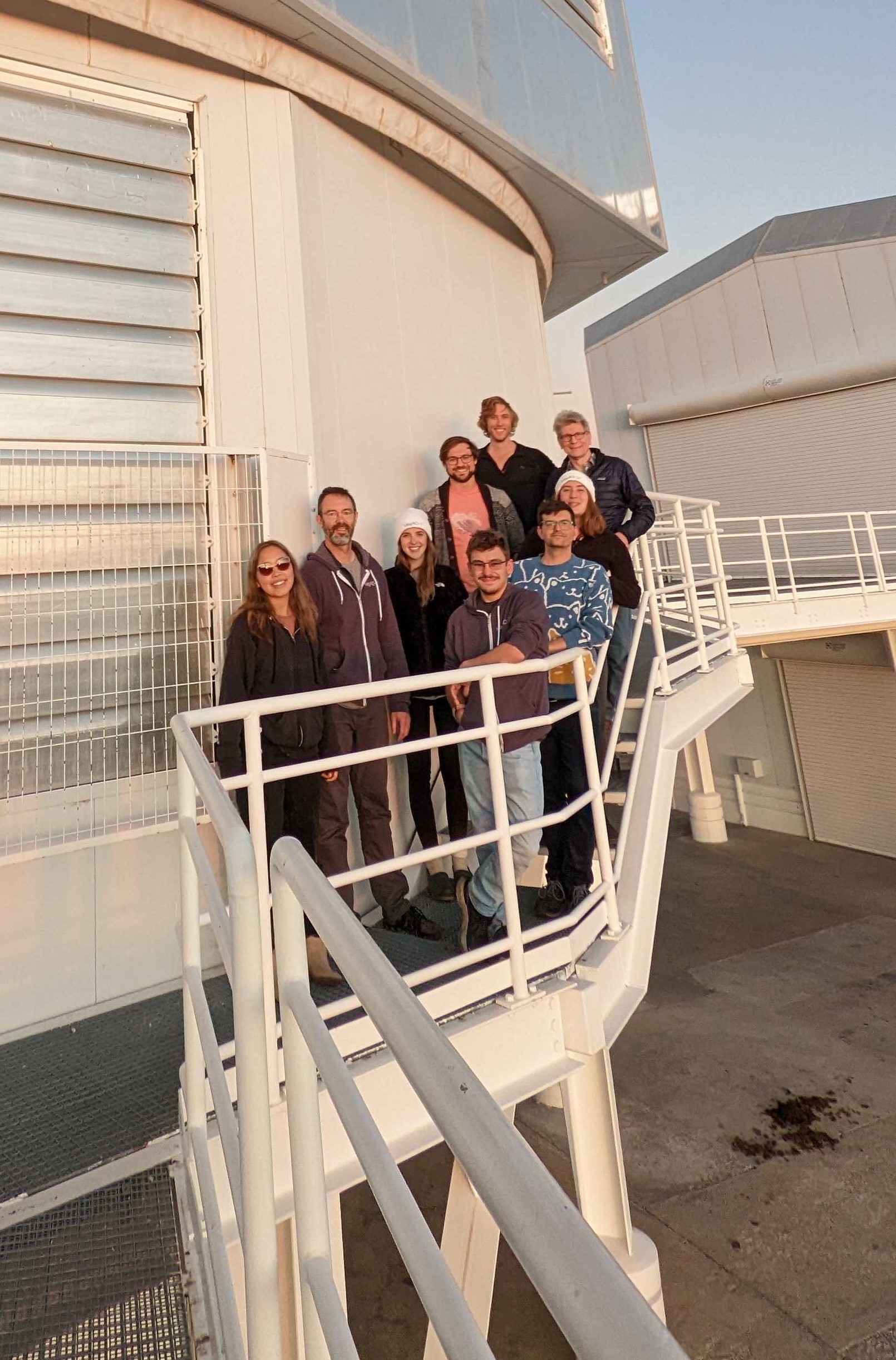
And finnally after a long day of work the day ended and beckoned forth the night. So, as is per tradition, the team got together and was able to get one final photo with the last vestiages of light.
Credit: Carla (Telescope Operator)
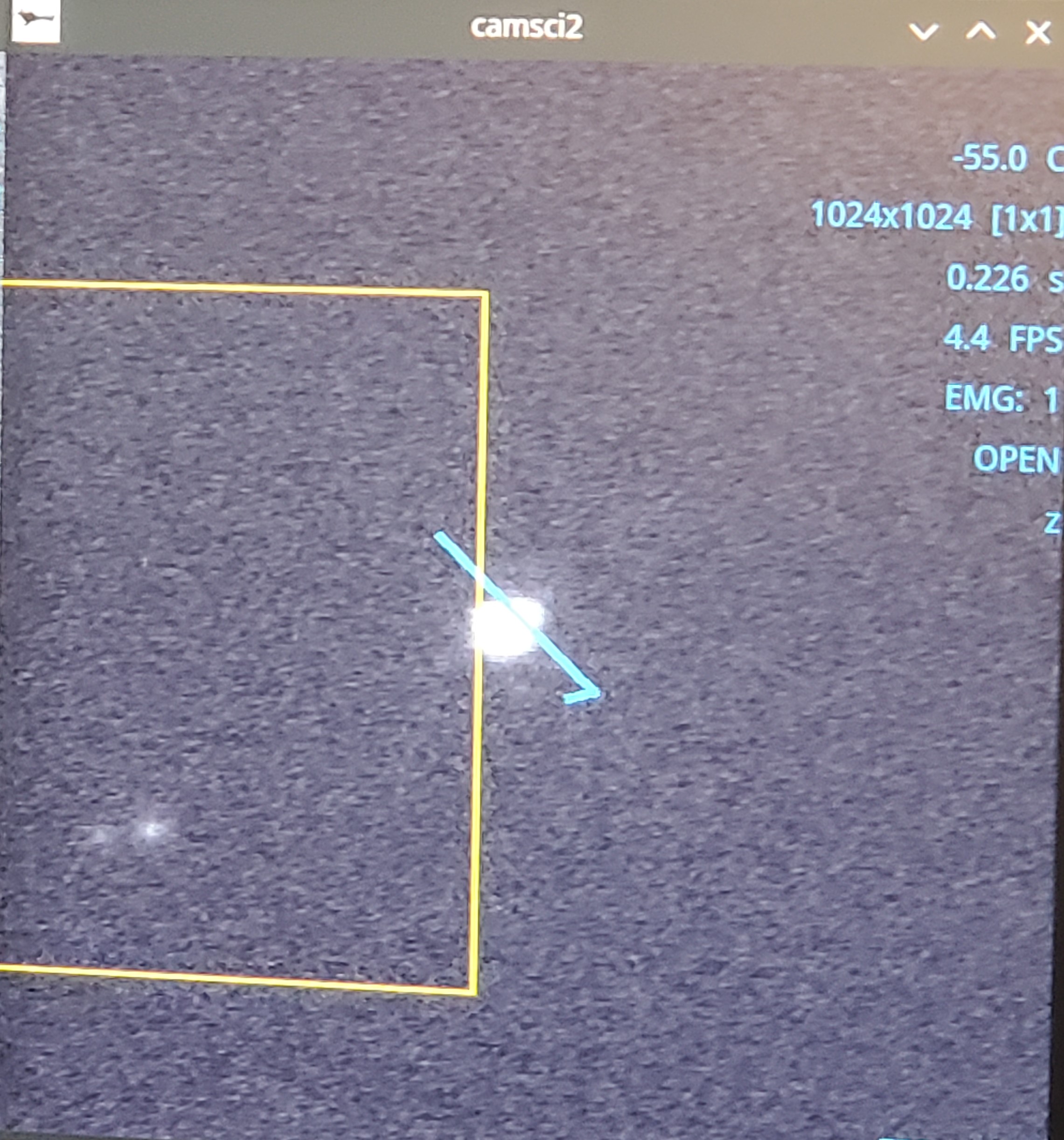
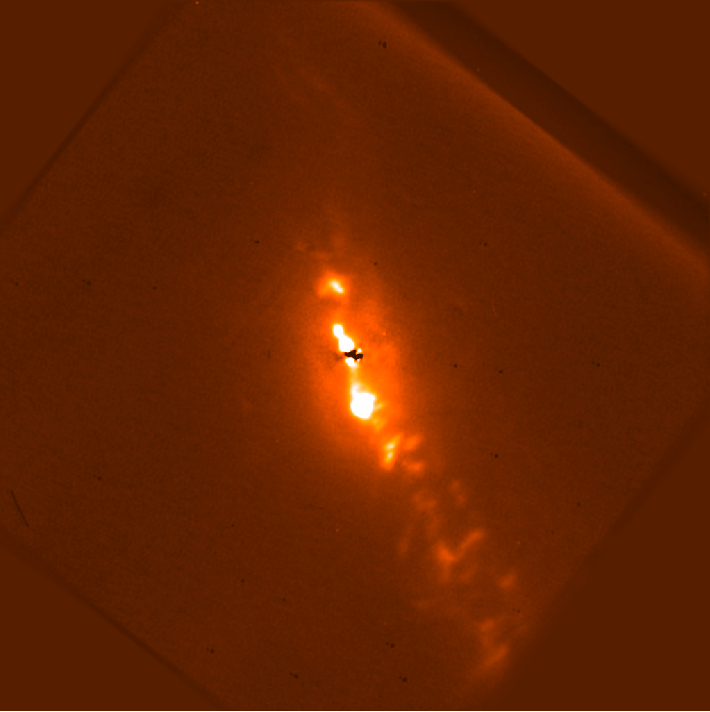
And thus as day faded into night we continued to work. There were some communication issues that were still working on, but Warren was able to align PIAA. We were also able to get on sky later in the evening. The image below is an image of our first target of the run Theta 1 Orionis B.
Credit: Roz
So with a long 12 hour work day which continued into the night we were reminded of the song “Don’t Stop Believing” by Journey. As even though the team was presented with different challenges through the day; we never stopped believing.
After an eventful 24 hour day, a record might have been broken at the Las Campanas Observatory; we have welcome 3 more University of Arizona scientists, making a total of 12 Arizonians on the Chilean mountains.
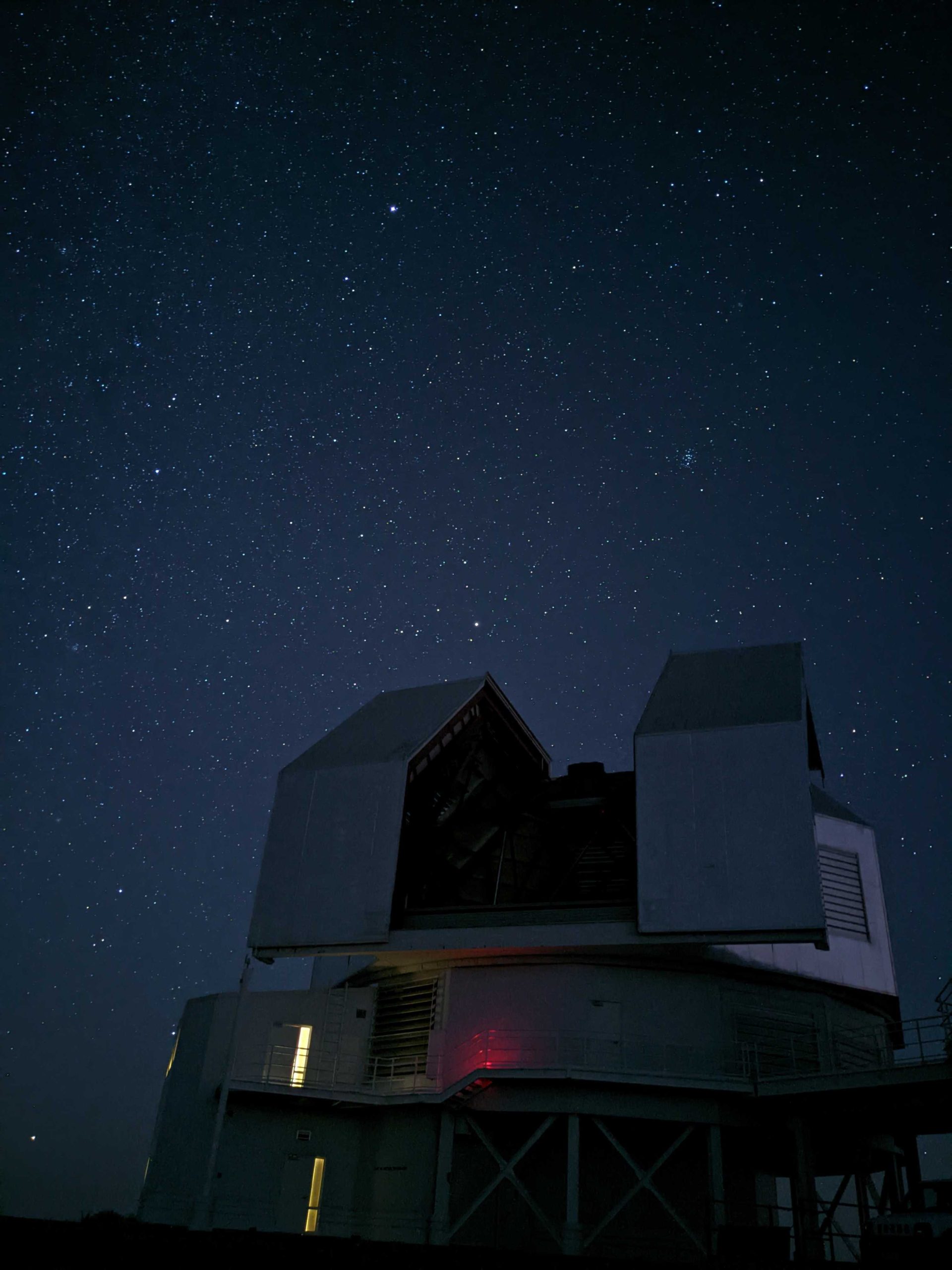
Clay telescope with opened dome
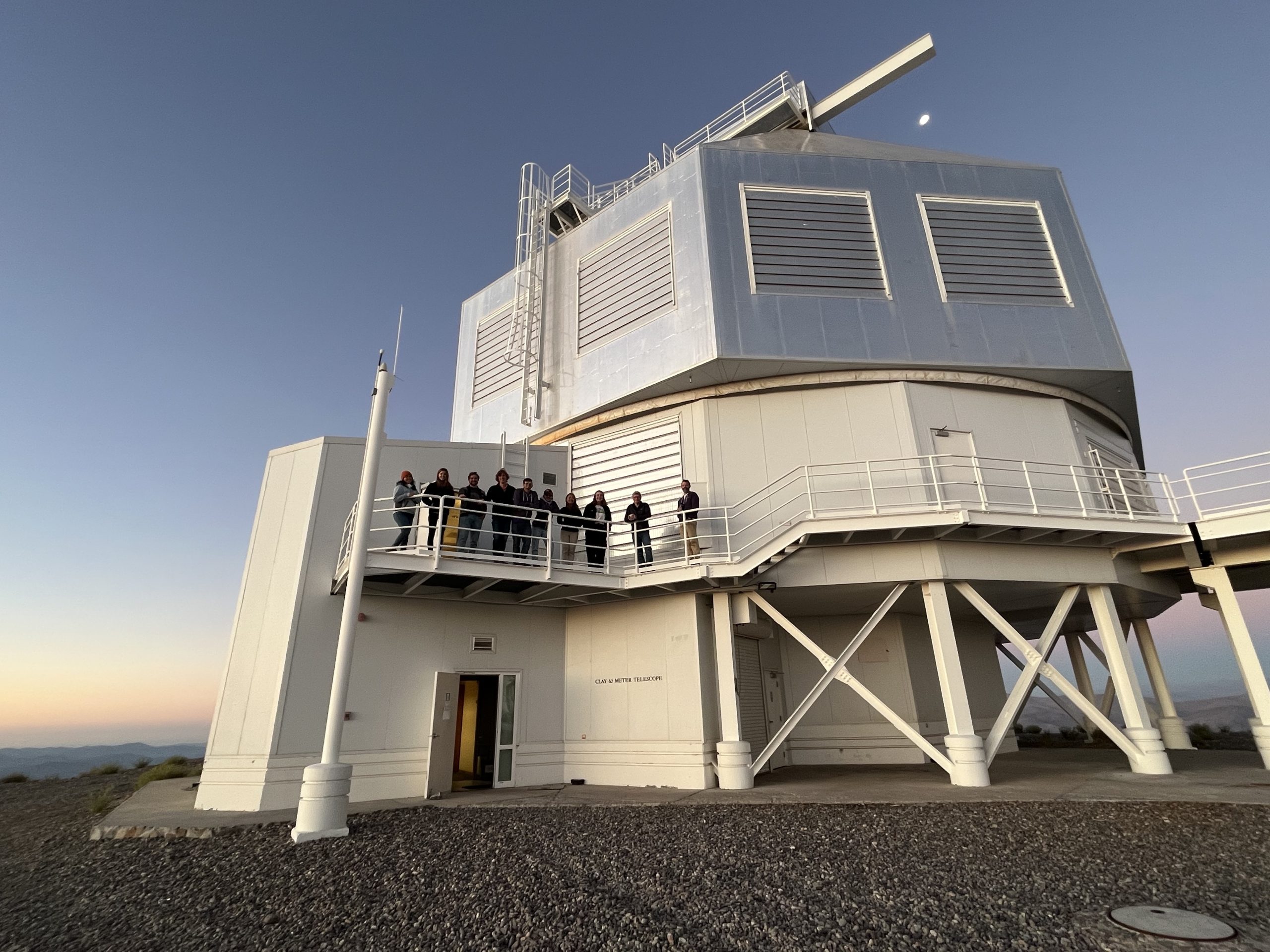
Second night on sky began with the customary group sunset viewing photo taken by UA Professor Xiaohui Fan.
“I don’t always drink. But when I do, it’s 2 Fantas and a hot tea.”
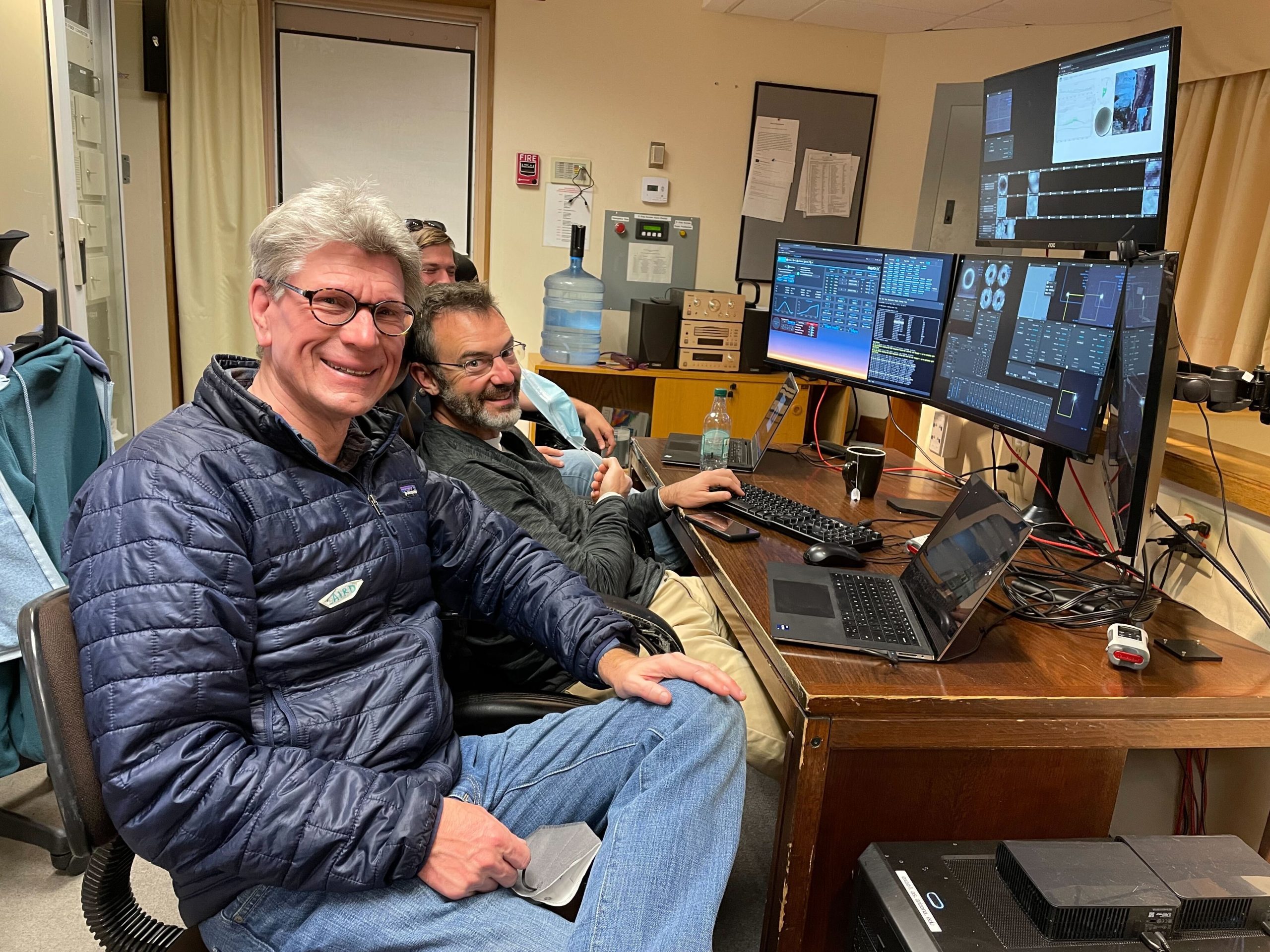
With Avalon’s efforts, 10 low order wavefront sensing modes were closed on sky for the first time! “10 might not seem like a lot, but don’t most close on 2?”
Avalon and Jared working together on closing the loop.
Science targets were observed while working towards engineering goals throughout the night. Sebatiaan captured beautiful images of R Aqr. If you’d like to see them, like, comment, and subscribe to this blog to hear the newest updates. Warren continued on PIAA alignment and tested it on a binary, possibly multiple star system, HD 20121.
One’s looking happy because of closed loop and the other because of science.
PDS 201 is the first target observed for the Max Protoplanet Survey on this run. With the great seeing around 0.4, the 3 hour observation through its transit resulted in the total of about 80K high quality images. This also means a grad student will be reducing data happily throughout the next day. And the night ended with some more effort in engineering, characterizing vibration and making Strehl measurements.
Aligning the pupils to observe PDS 201
While in the kid’s lounge… some might say they are having too much fun.
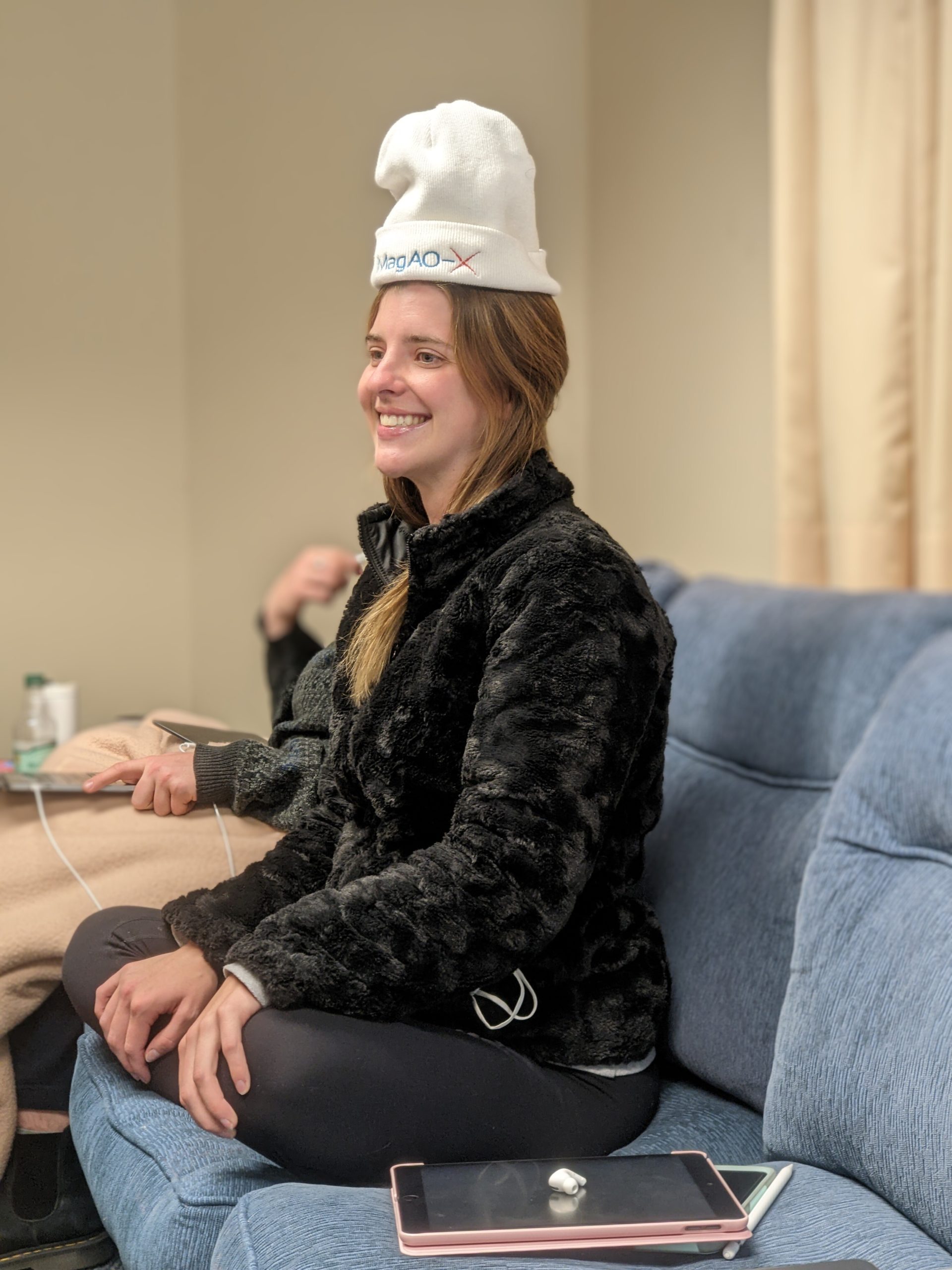
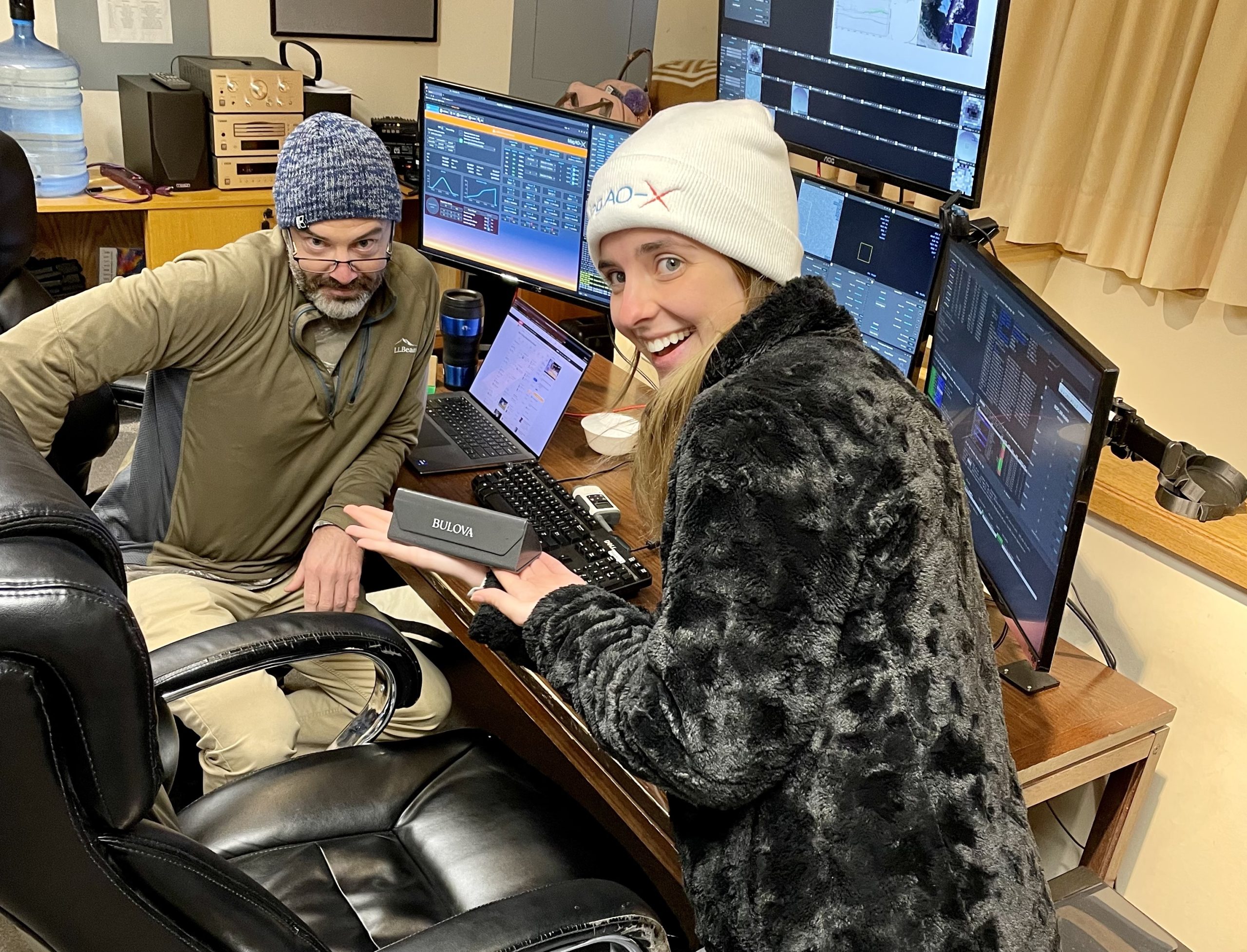
Apple pencil Mystery/Saga: “It’s like looking for your glasses when they are on your face.”“Joseph looks like a puppy about to be kicked in the face.” “That’s what tech support does to you.” There’s always a new way to wear MagAO-X swag!
Since we went on a journey yesterday, let’s go on a getaway today!
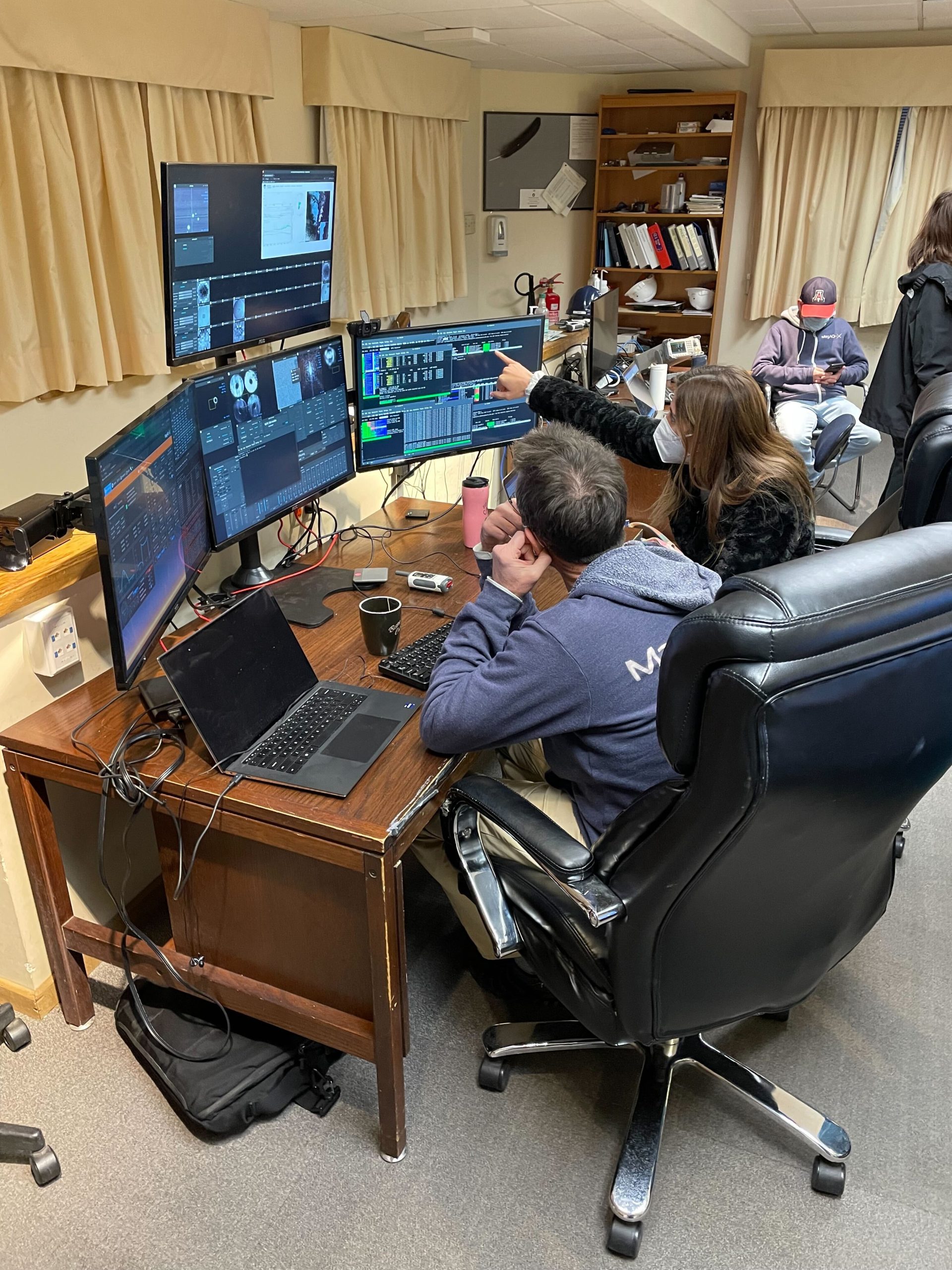
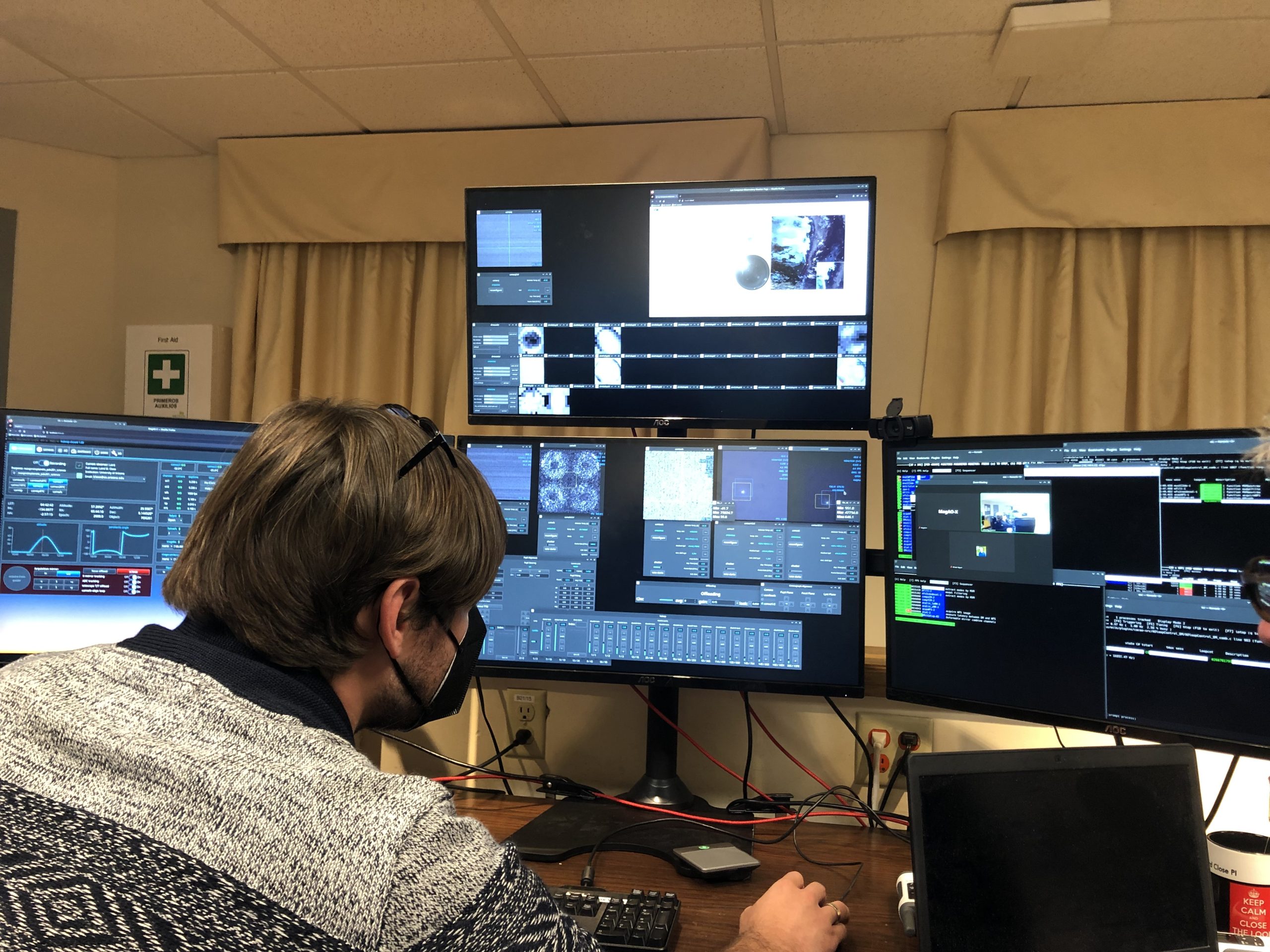
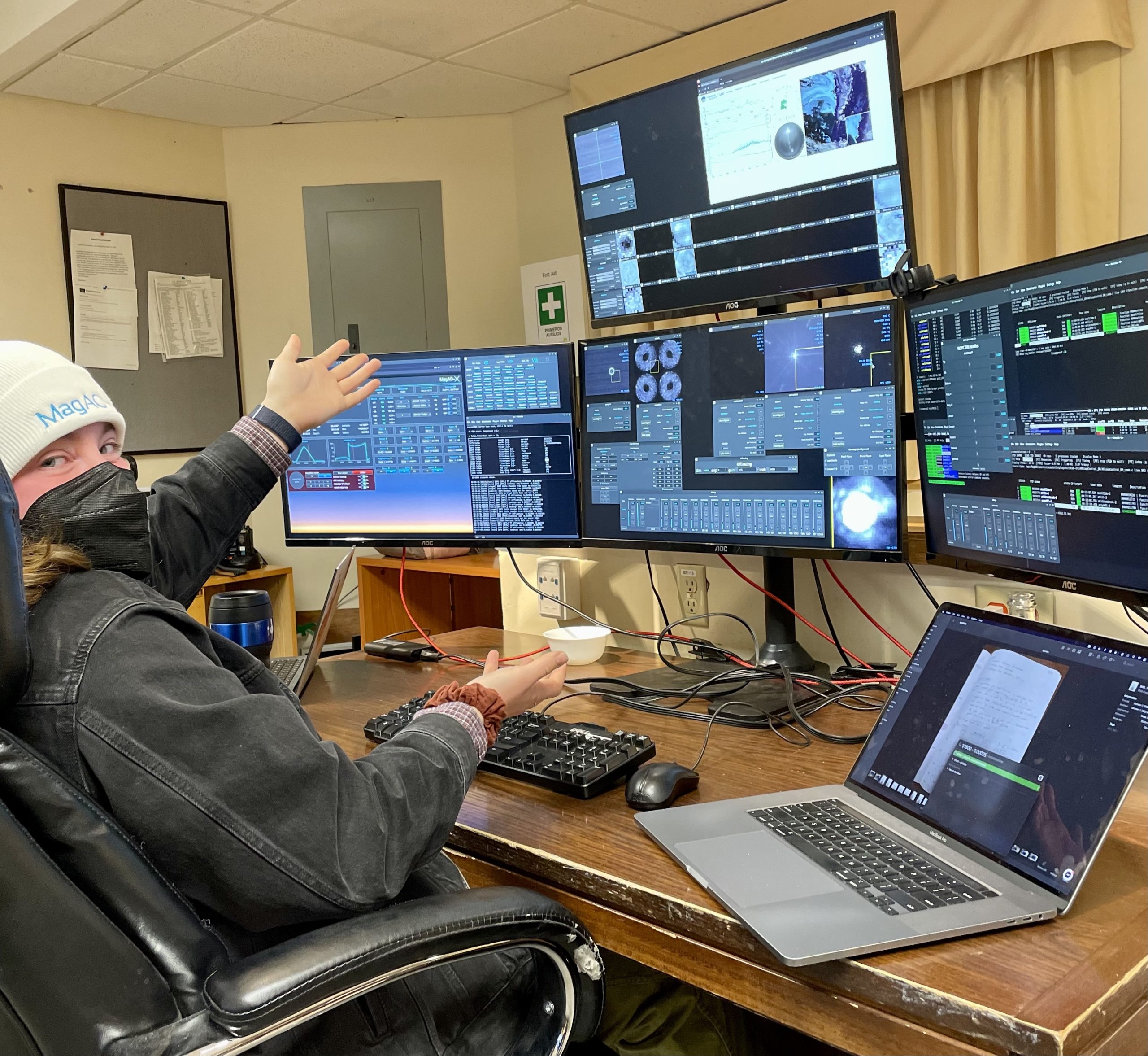
After the embarrassing fate of only the 3 professionals at the helm yesterday, our elders decided that today was the day to teach the youth how to run things. So this post is by and for the young ones. I took the reigns of the AO correction Mega Desk and closed a loop on my own for the first time on sky!
“We’ve closed 1500+ modes everyone!”
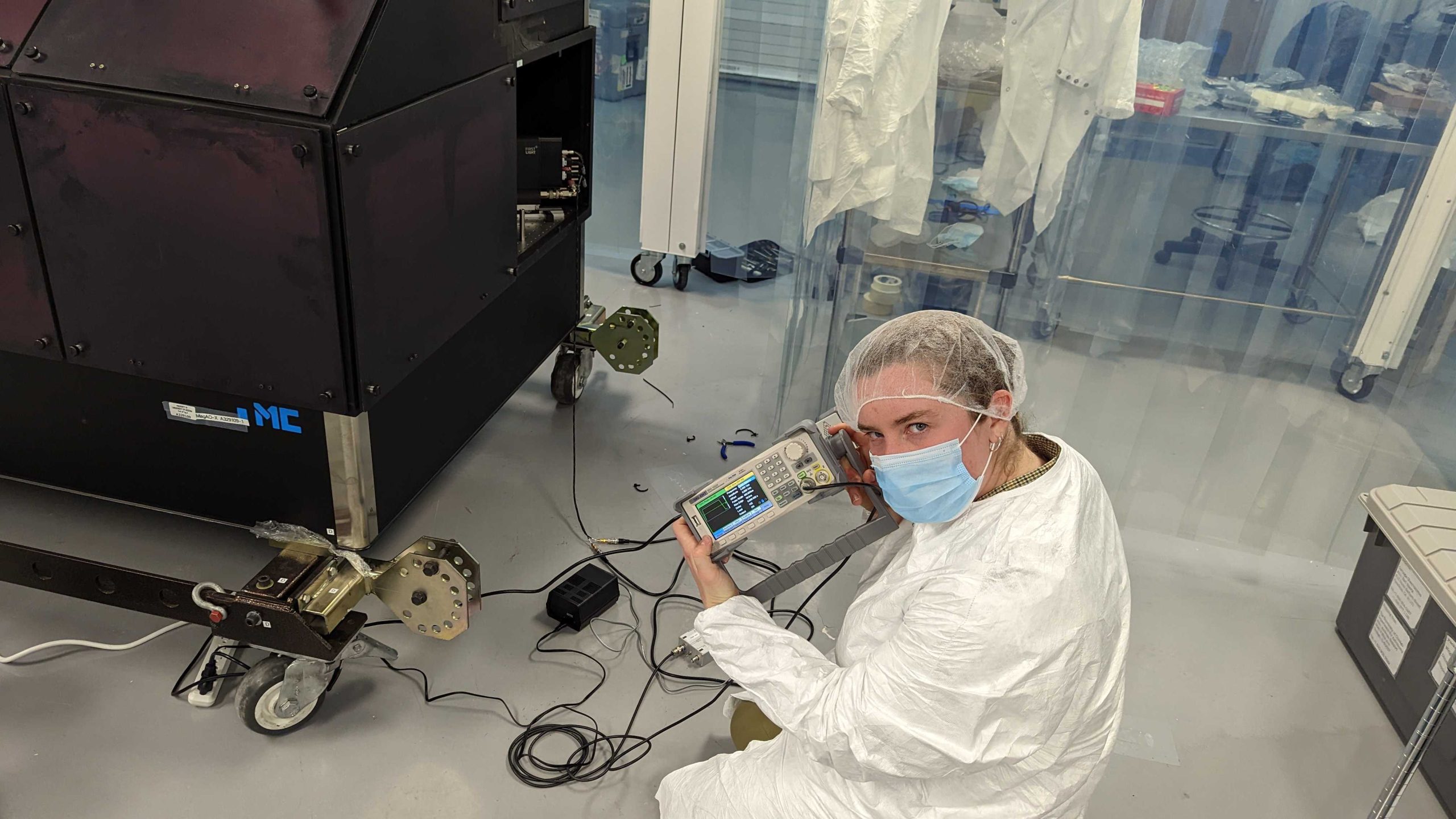
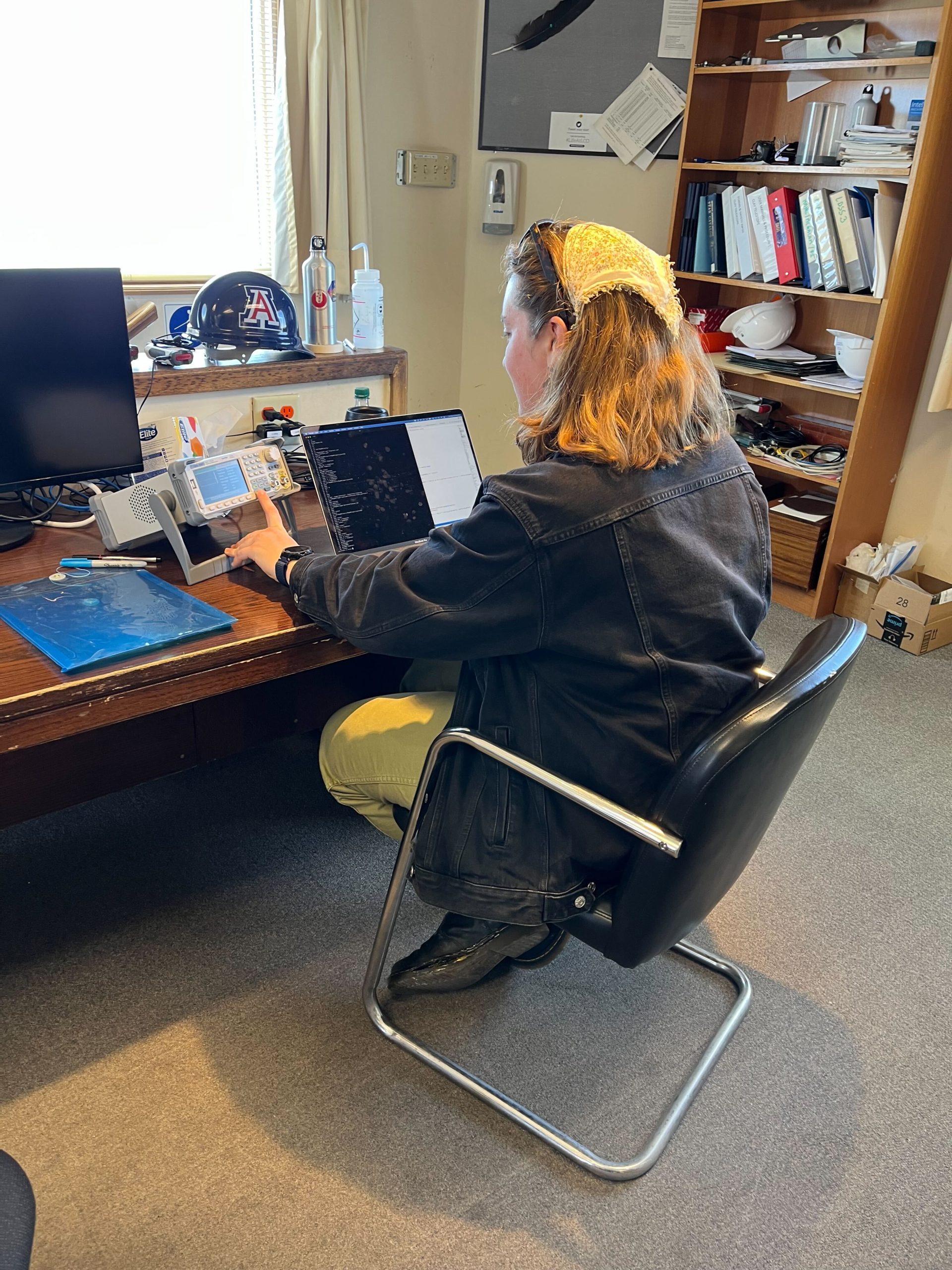
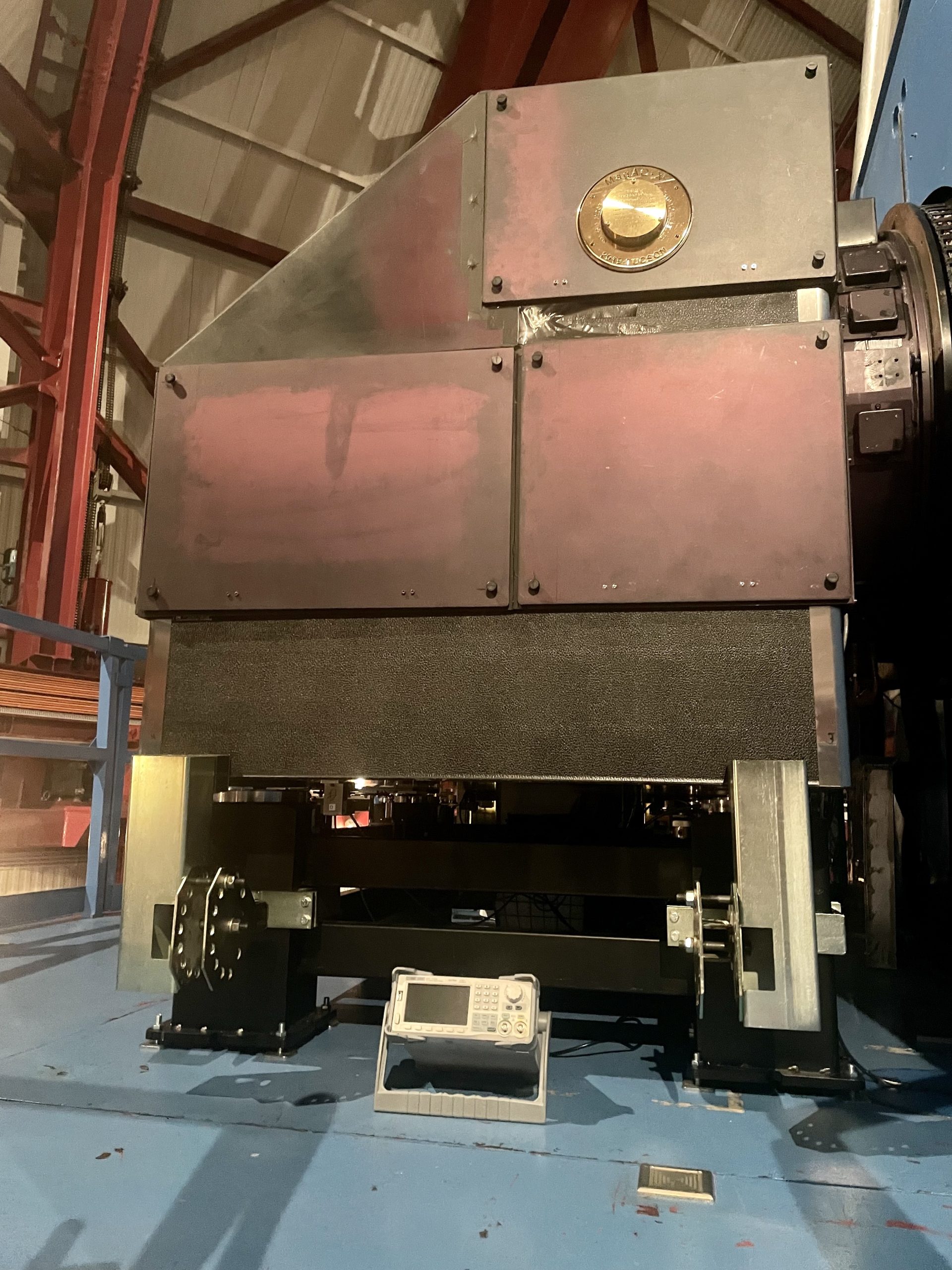
What is my actual project here? I’m syncing! (and it’s even going alright.) As of today we’ve set up a function generator to guide our wavefront sensing camera. Right now we are just using it to remotely stabilize the acquisition rate for the pyramid WFS camera, but eventually we will connect the pyramid modulator and WFS camera for applying incoherent speckles.
“I want to be close to my function generator”Just a small function generator in a big world.
On the LOWFS side, Avalon successfully closed on nine modes in Z-band. But is still battling the good fight against speed. The team is planning on testing again with the camera going faster, which will hopefully will help them towards defeating the plague of astigmatism.
Her continued experiments are not the only thing that makes her a star grad student. She also was the finder of Jared’s glasses, which he had already searched the whole mountaintop for.
Redemption for “losing” her apple pencil yesterday.
Jialin, after a few day’s heroic efforts on our observing schedule, got to her first science target tonight. Though seeing deteriorated, we were still able to get several hours of well corrected data and even resolved a disk.
Reducing data, hot off the press at the newly added NOC.
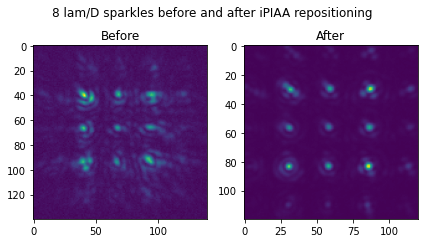
Warren continues to survive marathon PIAA alignments, conjugation errors, and testing. Today he worked further at better alignment and characterization, but did not respond to requests for further comments.
Initial results to changes to off-axis PIAA field effects after reducing PIAA conjugation error from ~105mm to ~30mm
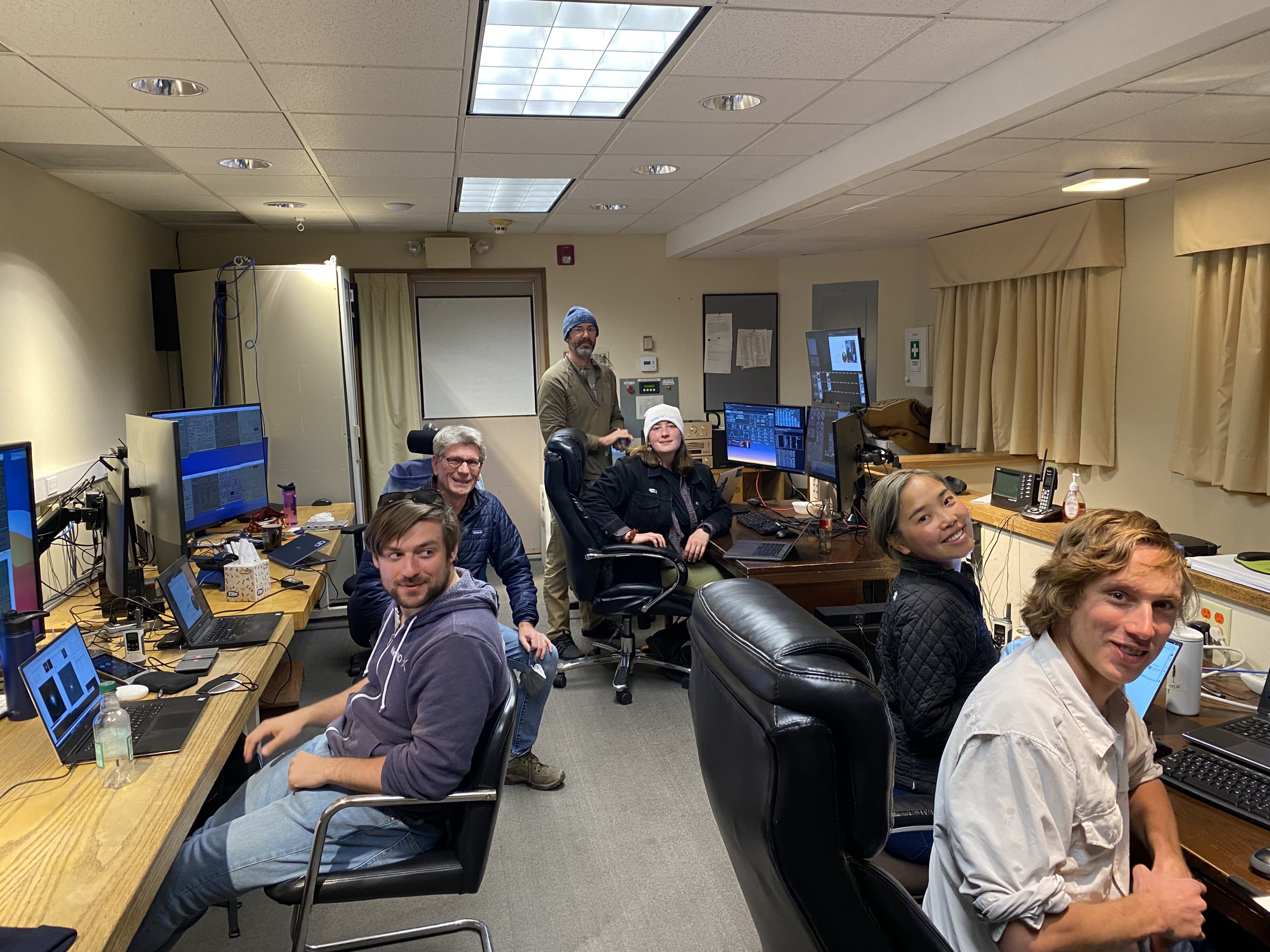
Our merry crew continues to chug along, as our engineering nights start to transition to science and our system is better prepped than ever.