MagAO-X 2025B Day 15: An AO Puzzle

We’re all here to figure out puzzles like “Do rocky exoplanets have the same composition as Earth?”, “Do all protoplanets produce Halpha emission as they accrete?”, and “Can our AO system reach the contrast necessary to image low mass planets in reflected light?”

It turns out, we also have a lot of puzzles to solve that we didn’t realize we needed PhDs for, such as, “Why is the attempt to upgrade the AO computer cursed?” and “Why does Joseph no longer think computers are deterministic?”
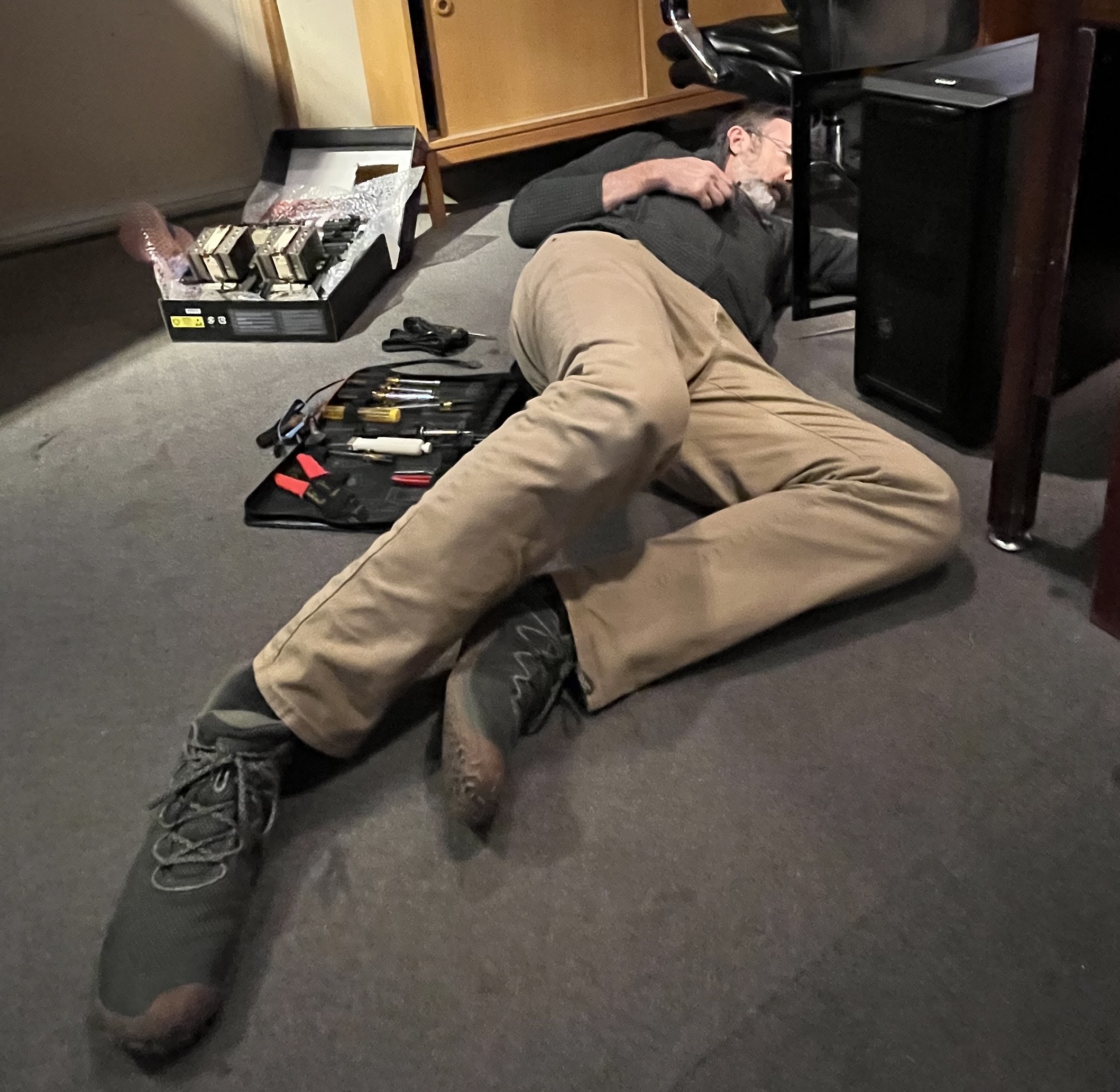
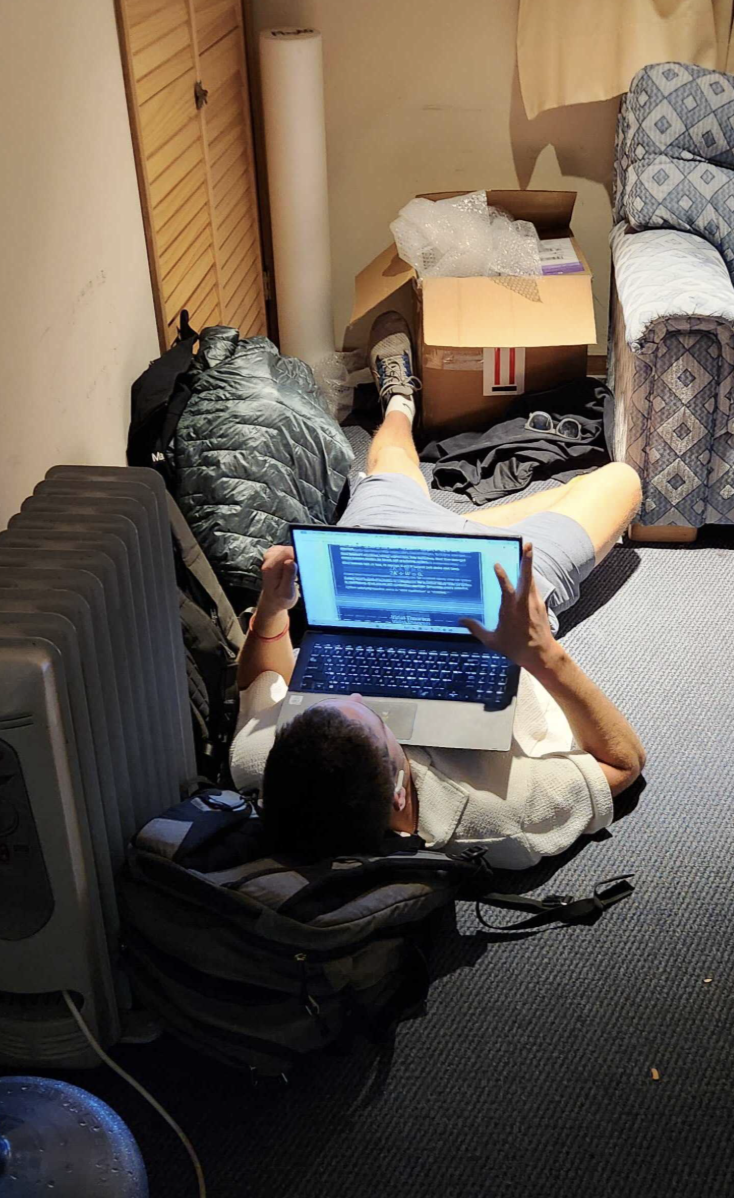
The saga of the long-legged PI and the Cursed Computer (photo credit: Joseph)

Then there are the questions that make us think we should have gone into philosophy rather than science, such as, “Why do we find clouds so pretty even though we hate them?”
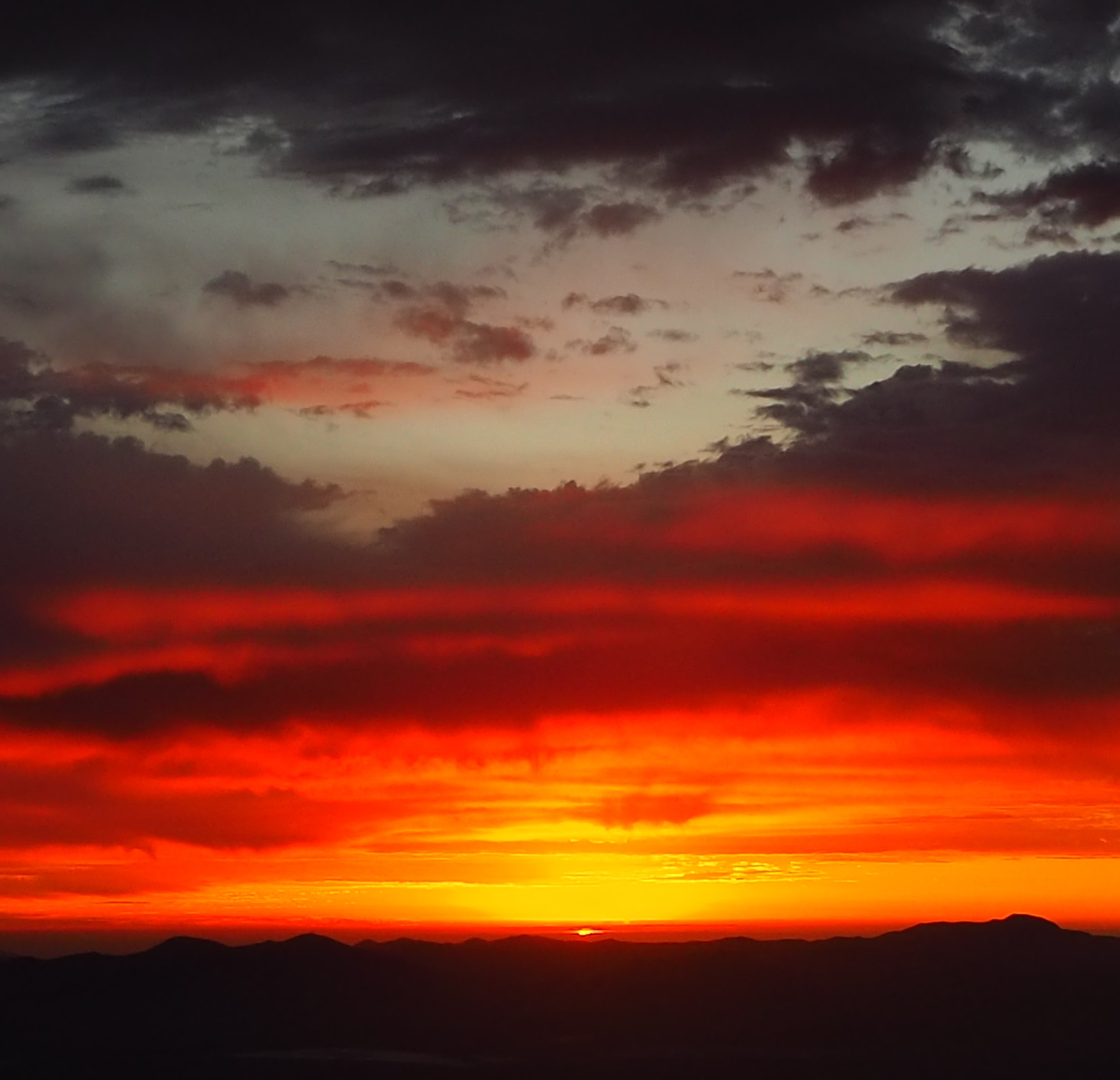
Sunset yesterday

The hardest questions are the deep mathematical ones like, “Why is the seeing when I’m on the telescope always worse than the median?”

Worse than median seeing

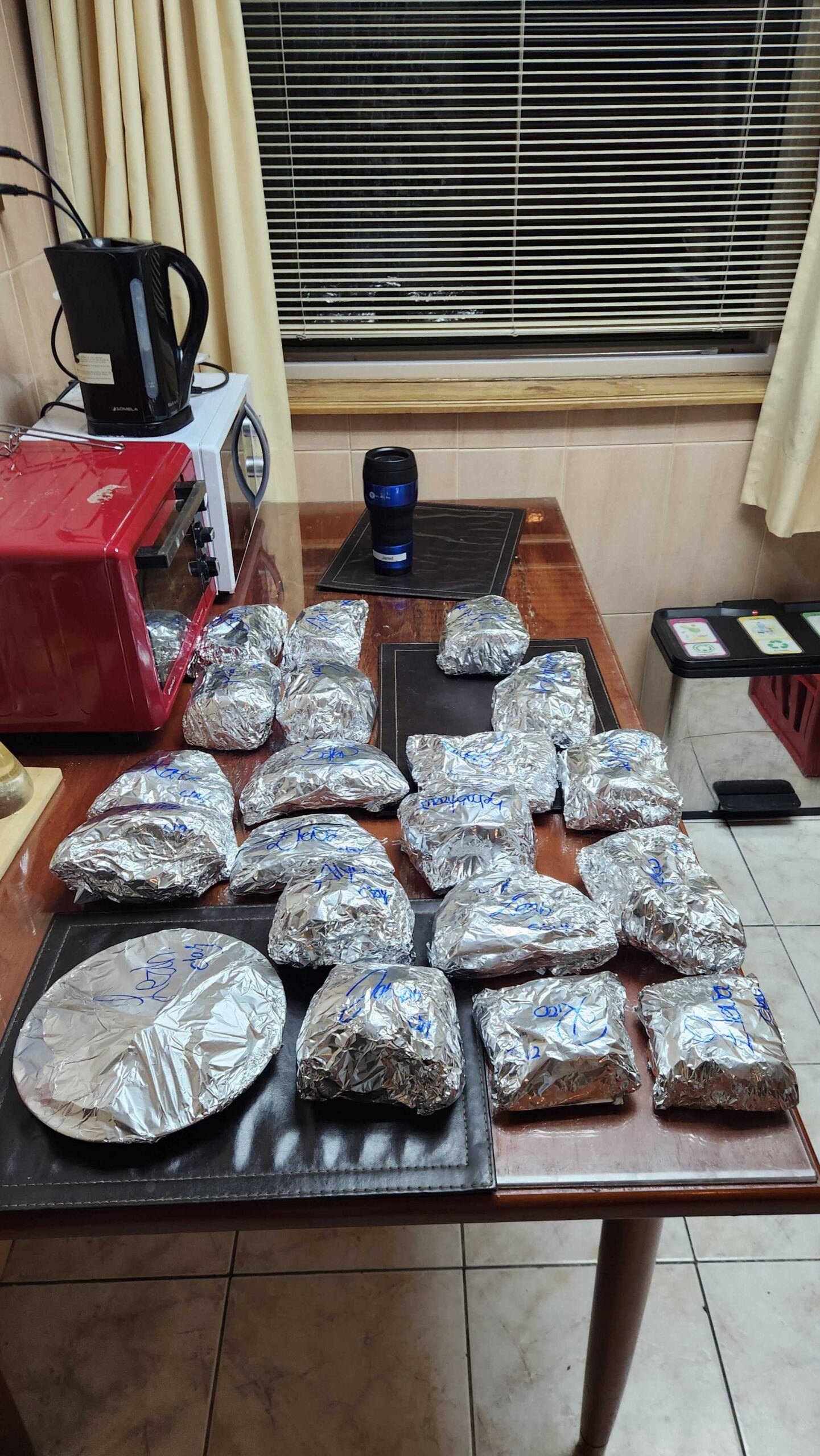
And then there are the idle puzzles one wonders about at 2 AM such as, “What is the collective noun for a bunch of graduate students? [my vote is for ‘pile’ as in the P in PhD]”, and “How many snacks does it take to satisfy said pile?”
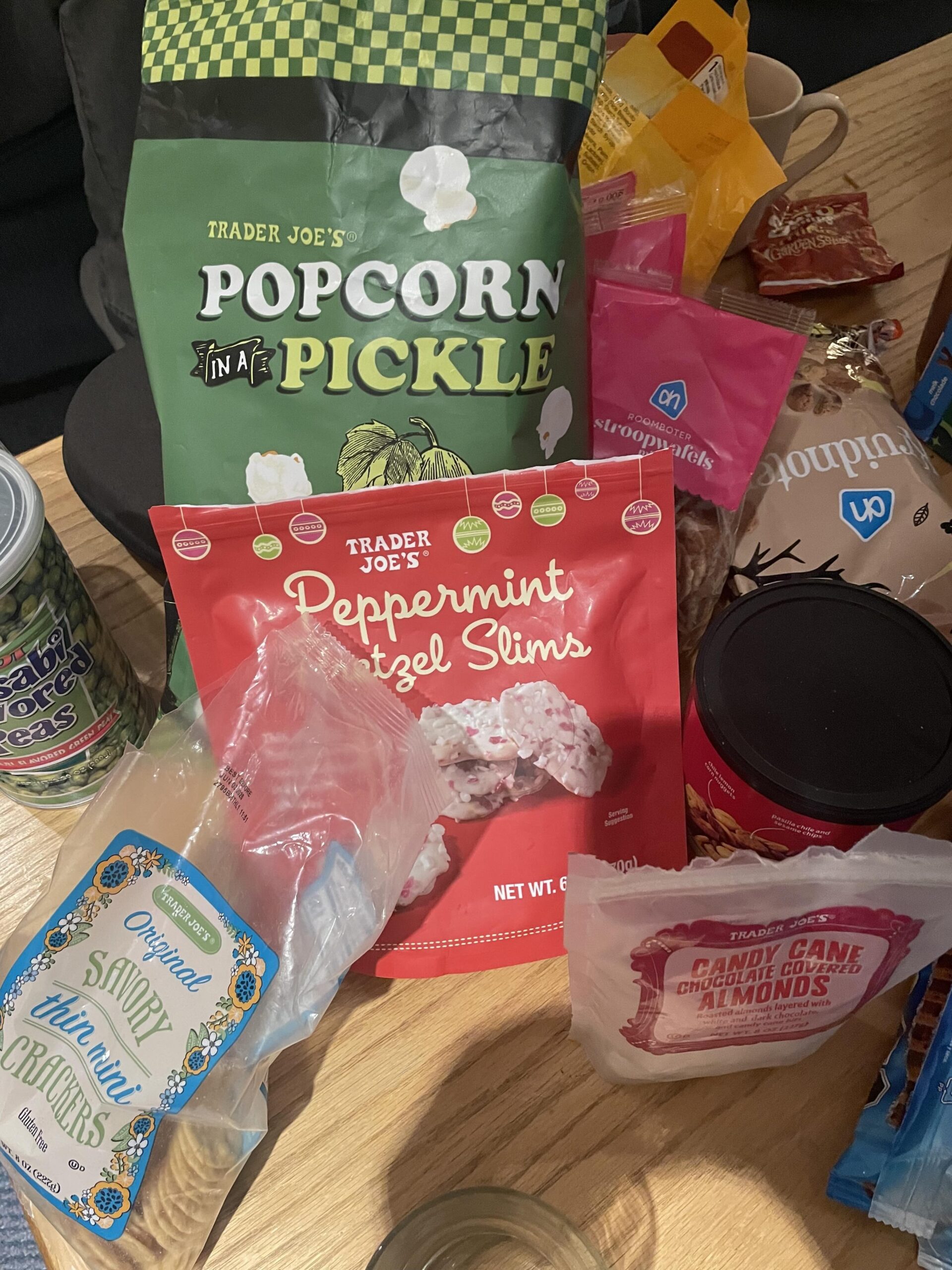
Perhaps a better question is, “Can we get Trader Joe’s to sponsor MagAO-X?”

I’m optimistic that all of these questions will be answered in my lifetime.

But when the seeing gets bad or the sky clouds over, the puzzles we really like are the NYT crossword type (see 2024Ab Day 10). I’ve never made a crossword puzzle before. Tonight I experimented with two free grid-creation applications, and my main takeaway is that the folks edited by Will Schortz are quite impressive. Nevertheless, here for your enjoyment is the AO Puzzle:
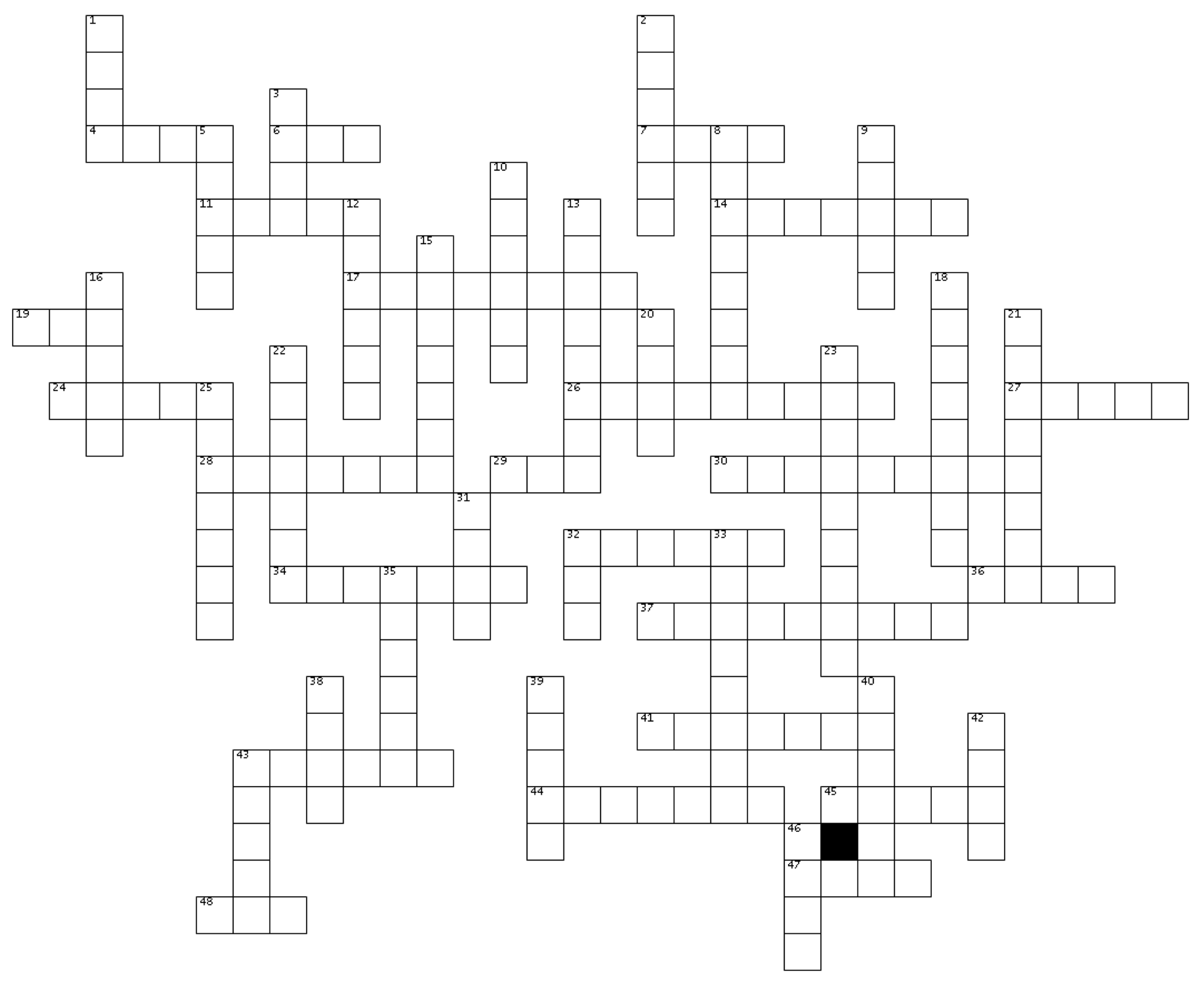
Fact of the Day: A record 889 contestants participated in the 2025 American Crossword Puzzle tournament, which is held every year in Connecticut.

Song of the Day

I finally got a walkup song!
MagAO-X 2025B Day 16: Keepin’ It Unmodulated

Today marked the arrival of both Guanacos and our new team member Leah Albrow from MIT!


*Disclaimer: The Guanacos may have already arrived but I have yet to see one. For the time being, I must rely on third-party sightings of these mythical beings.*

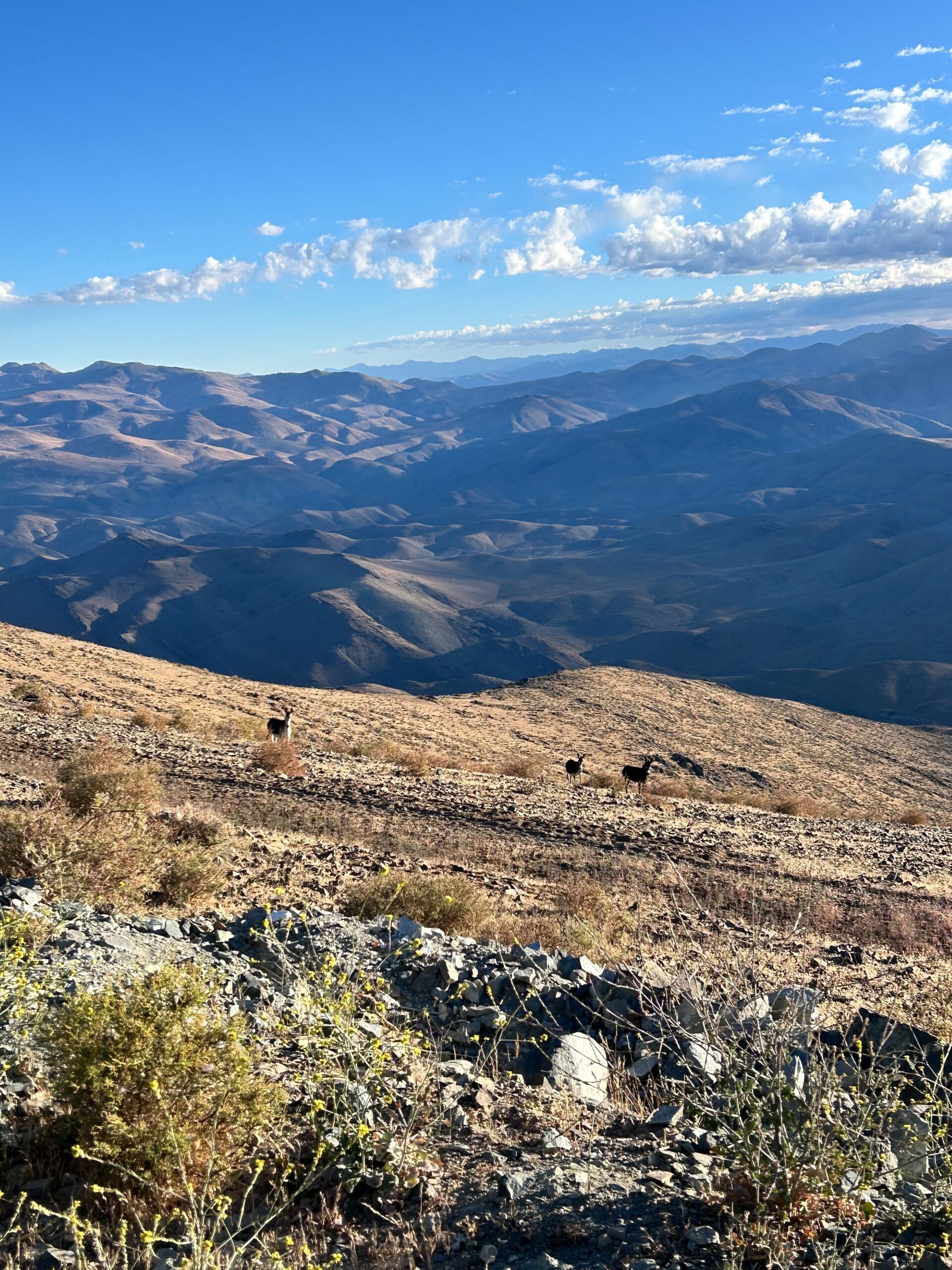
Parker is attracting the attention of all of the animals on the mountain–just call him the Pied Piper of guanacos at this point.

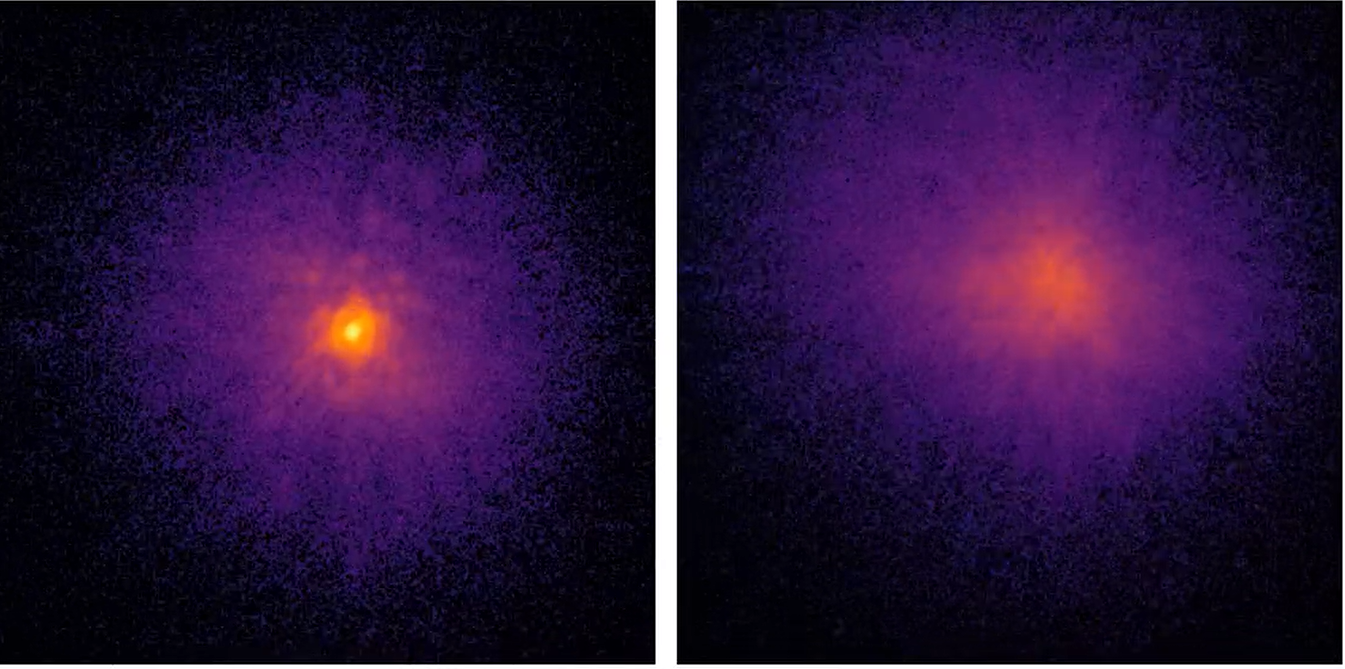
Tonight also marked an important milestone in MagAO-X’s history. We conducted a whole night of observations with an unmodulated pyramid wavefront sensor using Rico’s new neural network!

The pyramid wavefront sensor exhibits a non-linear response, limiting its ability to accurately measure wavefronts. To mitigate this issue, AO groups will often modulate their pyramid wavefront sensors by spinning a little pyramid prism round and round (like a dreidel or a ballerina or me in my middle school computer lab with the little rolly chairs). But you can only spin a pyramid (or a Josh) so fast. The modulated pyramid is also limited in its sensitivity (the Josh, not so much). But with Rico’s non-linear reconstructor with a convolutional neural net (or NNRCNN for a fun acronym that rolls off the tongue), we don’t need to modulate our pyramid. We can run our AO loop fast and furiously, sensing wavefronts with the greatest of ease.

To celebrate, I have provided a list of things that are modulated and unmodulated.

Modulated:

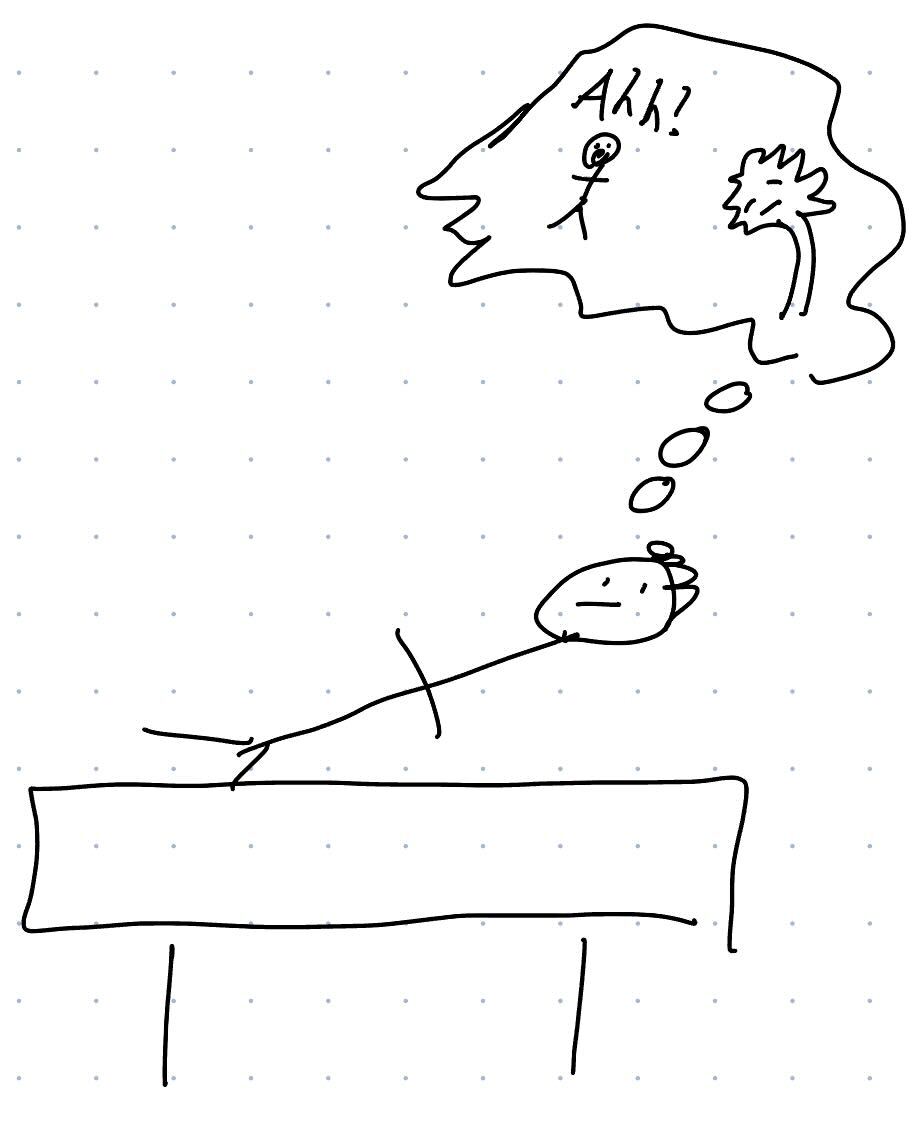
  • My sleep schedule (some nights I go to bed early and wake up around noon, other nights, I dream about permanently residing in Florida and things don’t end well):
Florida.
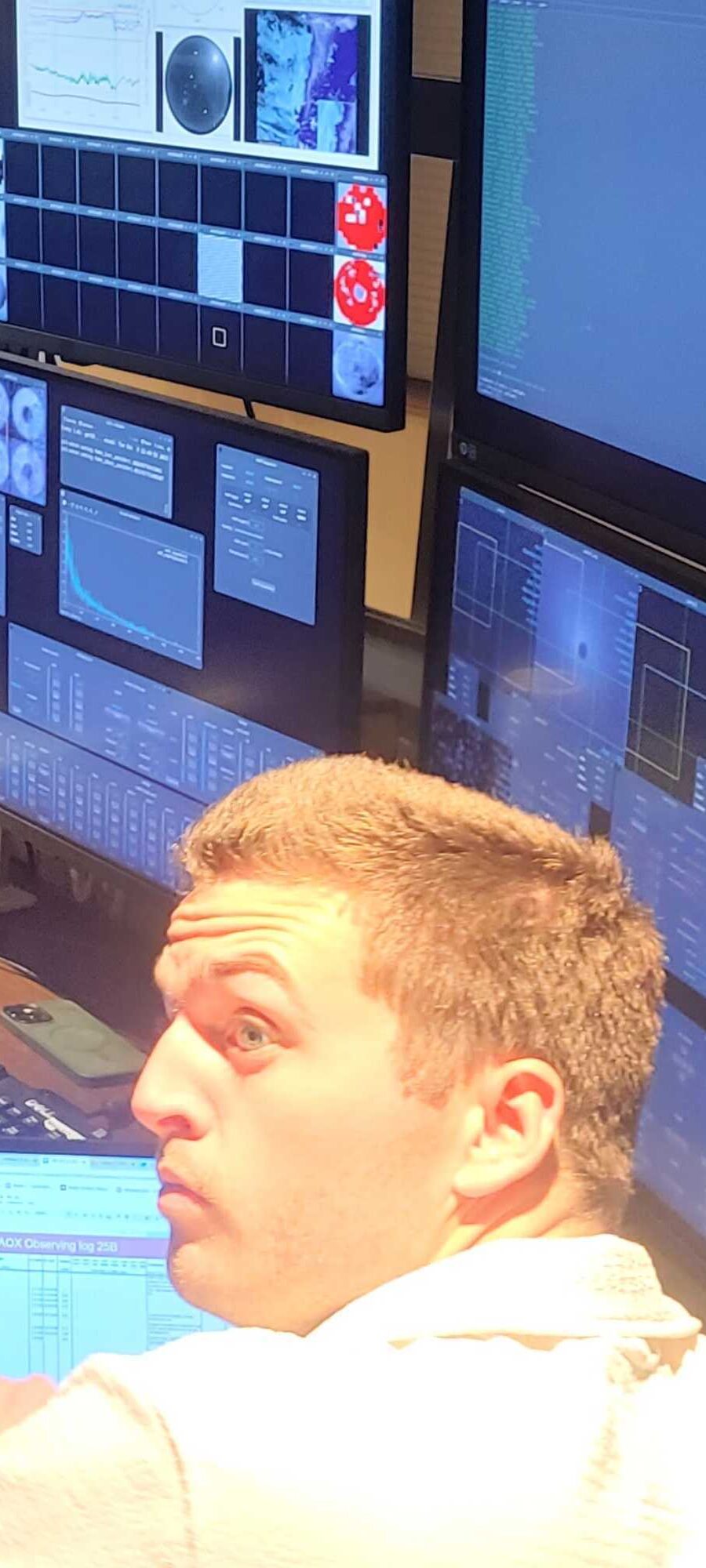
  • Parker’s facial expressions:

  • The number of group members on our observing run:

While we witnessed the departures of Matthijs, Tiffany, and Laird over the last few days, we also gained new LCO first-timers being Rico, and most recently, Leah!

Leah and co. enjoying the Dupont telescope.

Unmodulated:

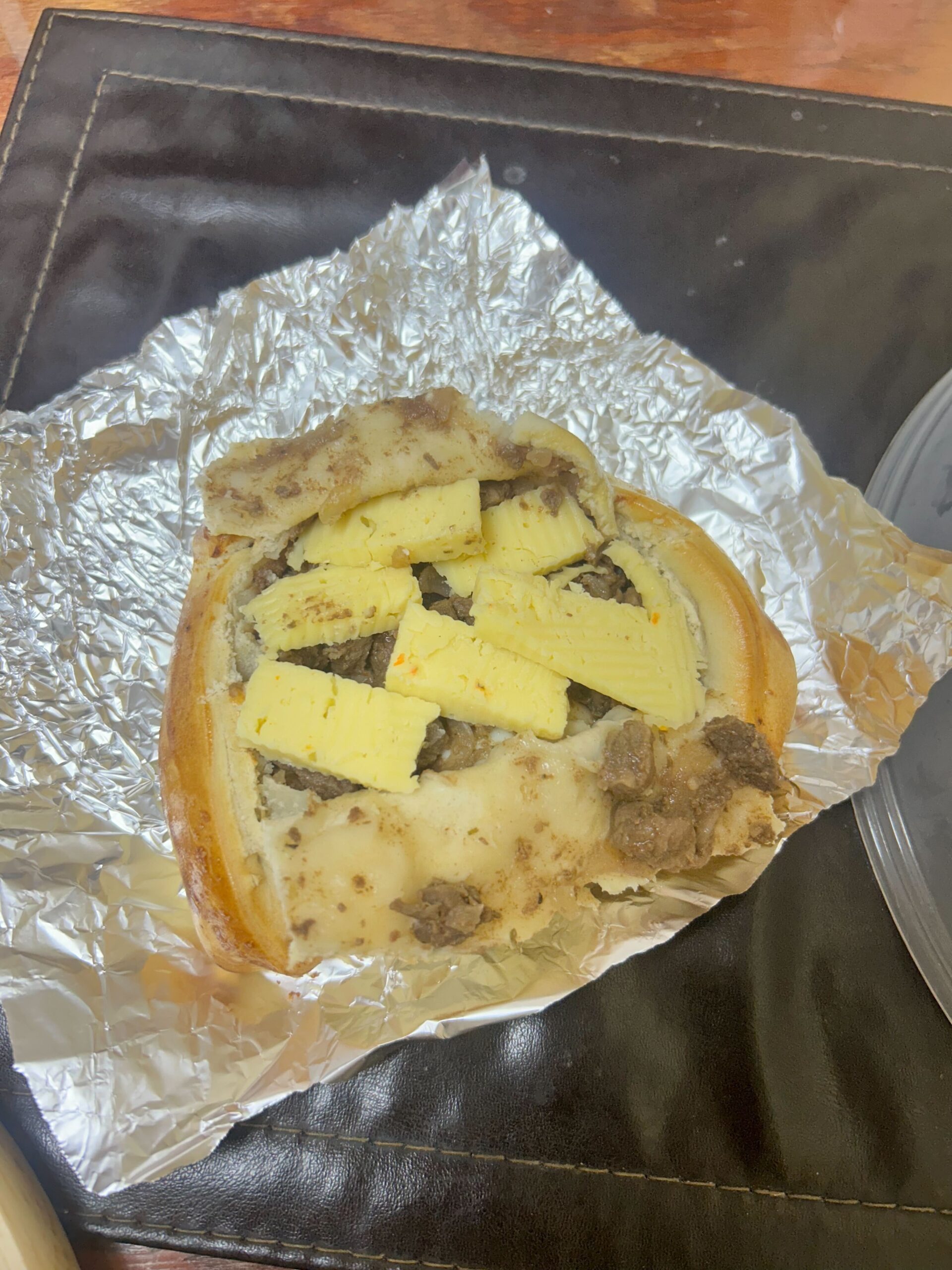
  • Empanada volume on Sundays:

The wavefront sensor of the hour:

  • Our excitement in getting to spend another 5 days at the best telescope in the world!
The Magellan telescopes at sunrise.

Song of the Day:

Fun fact:

A squirrel’s front teeth never stop growing.

MagAO-X 2025B Day 17: Little Vizzy in a Big World

“Eden, you have to stop making people blog”
— anonymous

Taking that note, we will no longer have any people blogging. Eden asked me to fill in.

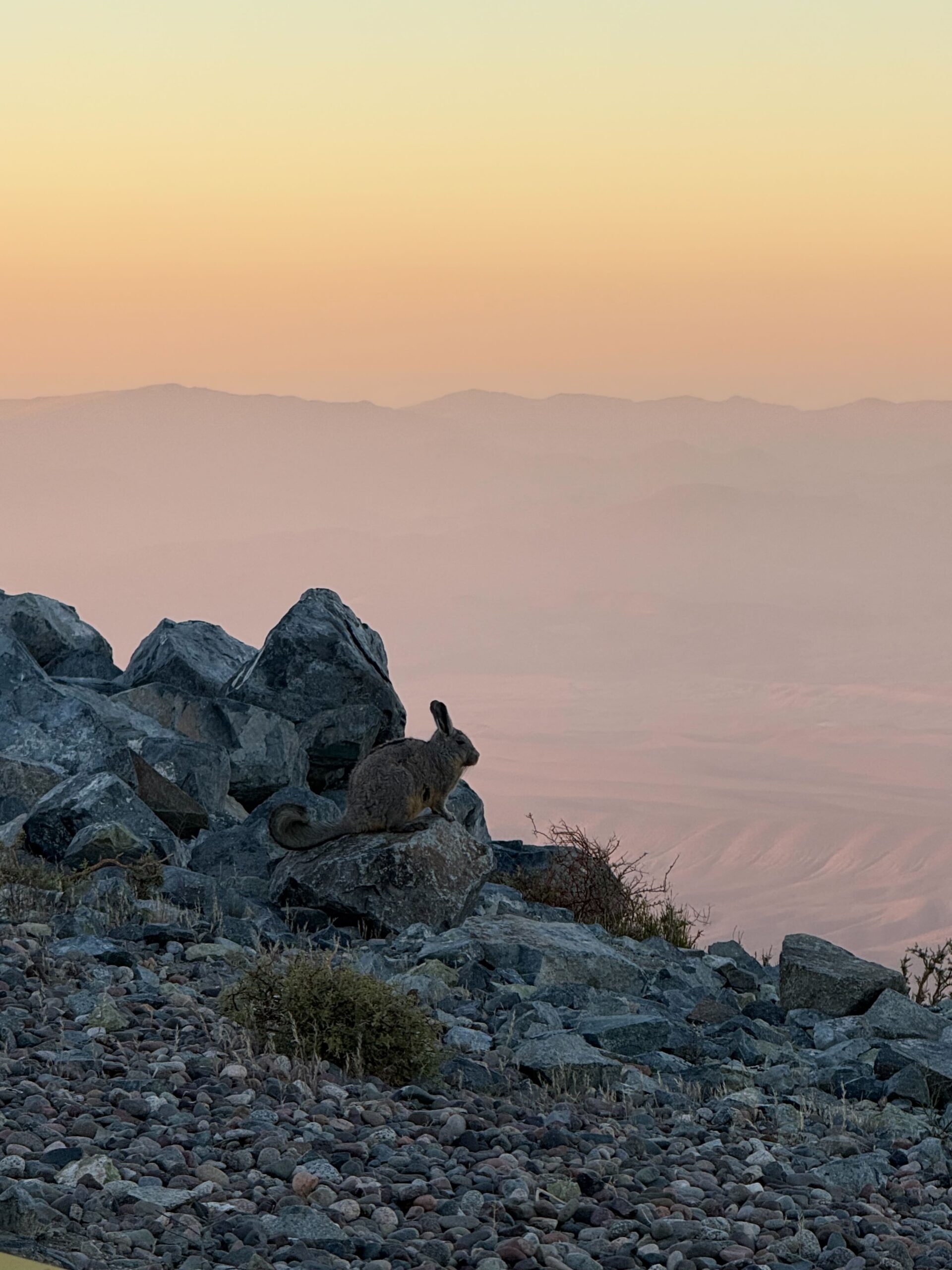
Today, I went out human-watching at sunset.

While we were out there, Miles kindly took a portrait of me to use on my dating profile.

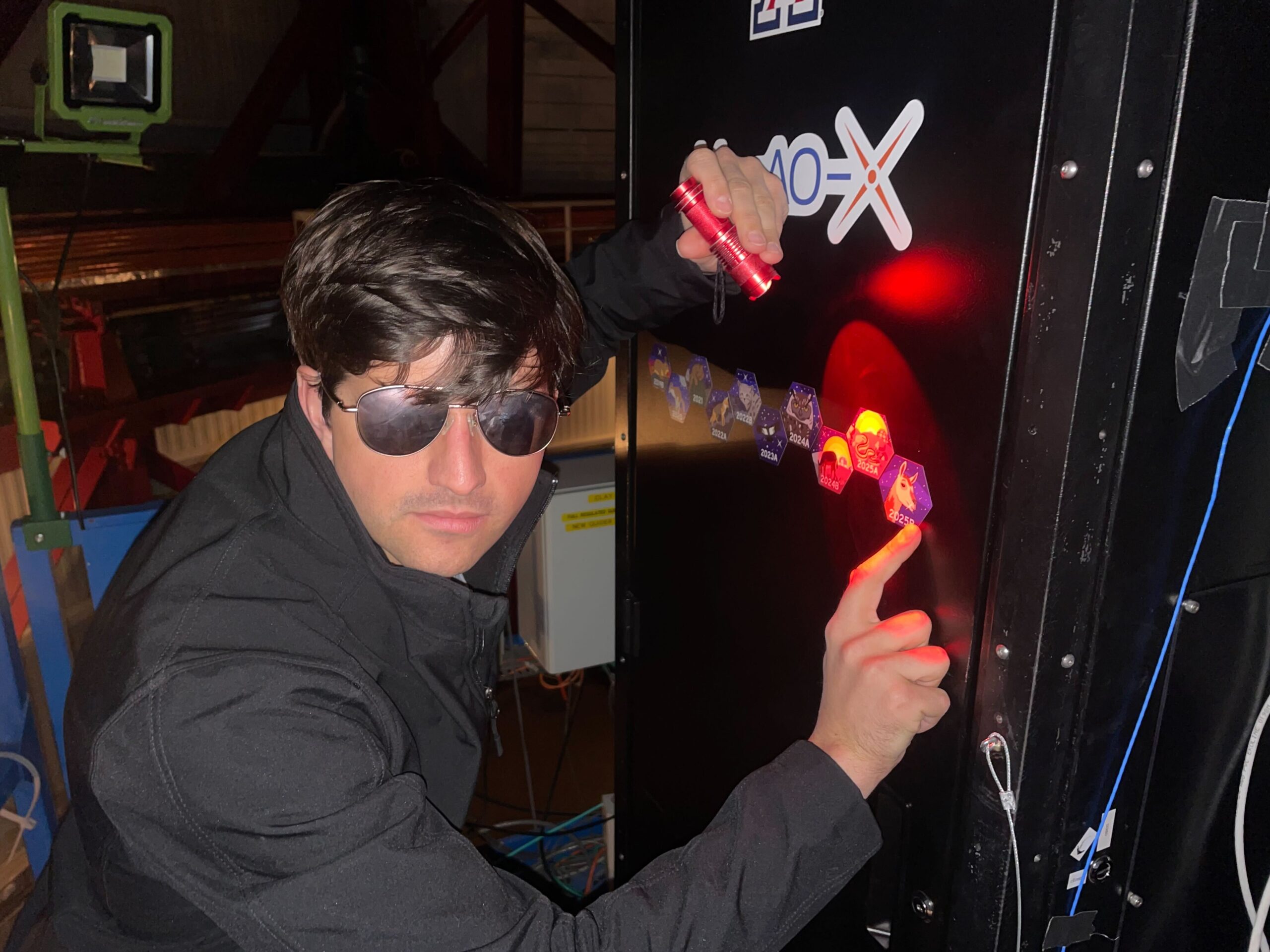
I understand that these nerds have finally enstickened their instrument, albeit only halfway. Still, I told my guy at the weather agency that they’re cool, and he’s hooking them up with half-arcsecond seeing for tonight.

Fun Fact of the Day

A viscacha who goes into business is technically called a bizcacha.

Song of the Day

“Disco Nap” by Polo & Pan (feat. Metronomy)

MagAO-X 2025B Day 18: The Burro Strikes Back

Today it is my (Rico) turn to write the blog. It has been great fun joining the observing run this past week, and I am impressed with the team. It feels a bit like being in the cockpit of a starship: everyone instantly knows what the 100+ buttons do on the six monitors controlling the instrument. It’s an organized chaos I’m quickly growing to love. However, since I have arrived, the seeing deities have not been in the spirit of giving. To appease the seeing gods special agent Joseph finished his all important mission: The Enstickening. With the sticker in its proper place, we optimistically set up the instrument for this nights observations.

Special agent Joseph finishing The Enstickening.
Parker trying to get comfortable while studying for his exam.
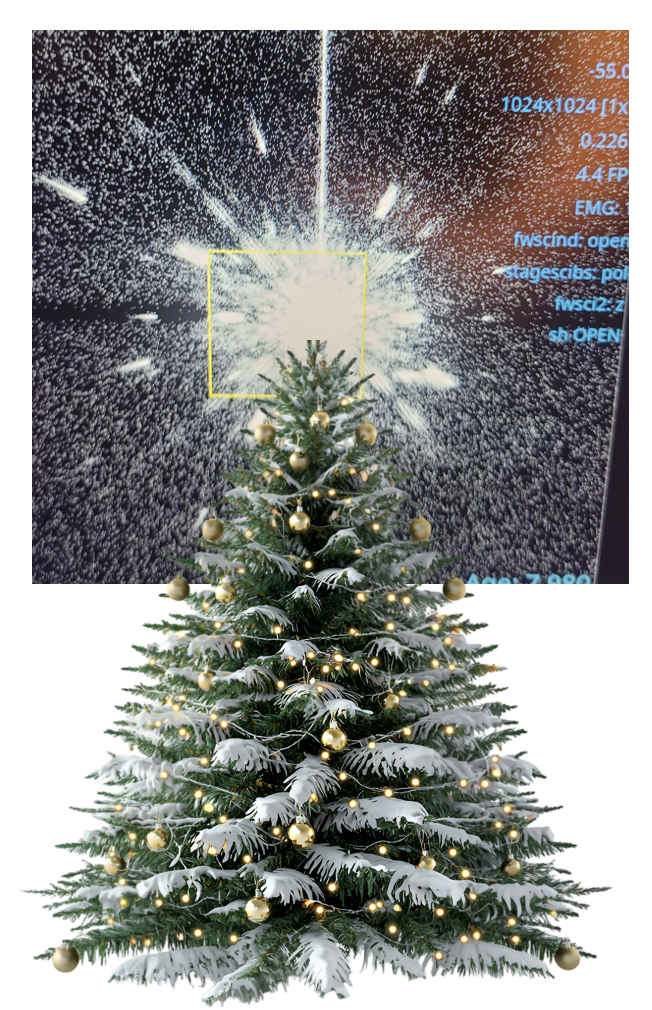
The MagAO-X PSF getting ready for Christmas.

The night started with Elena and Katie operating the instrument for Miles. Miles is focused on further validating the polarimetric mode of the instrument. He is hoping to generate some beautiful Polarimetric Differential Imaging images of protoplanetary disks.

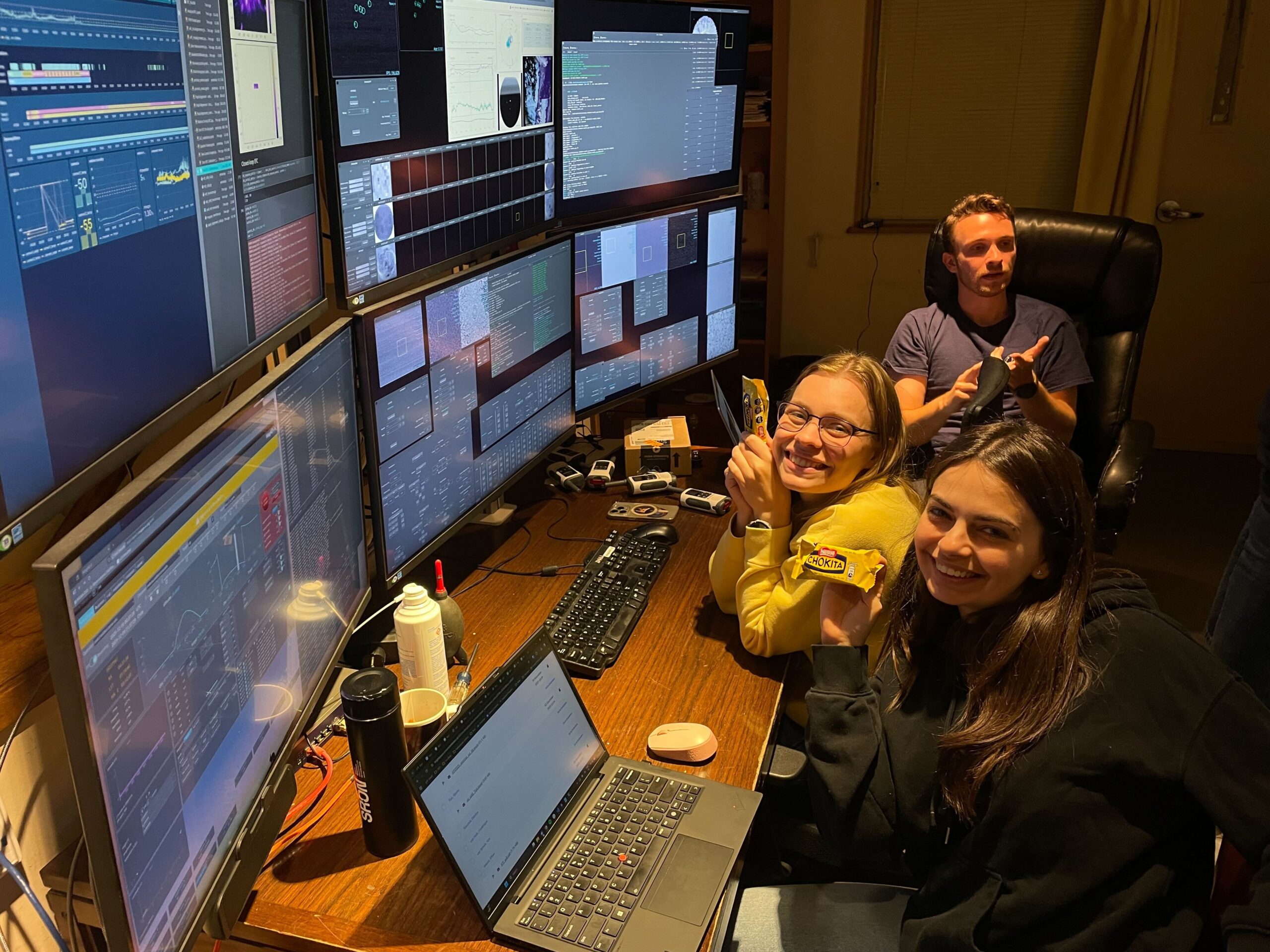
The first shift getting ready for the night.

After that we switched to Josh and Eden who spend the rest of the night star hopping for Leah, also in search of protoplanetary disks. It turns out Leah is remarkably good at finding previously unknown binaries for the hopping.

With only two observing nights remaining, a part of the group (among which the PI) called it an early night to start adjusting to a daytime schedule, and like the instrument says: “Als de kat van huis is, dansen de muizen op tafel”. We took full advantage, turning on DJ Haffert’s playlist and letting the music energize the final hours.

When the seeing just hits too hard and your DM’s can’t keep up.
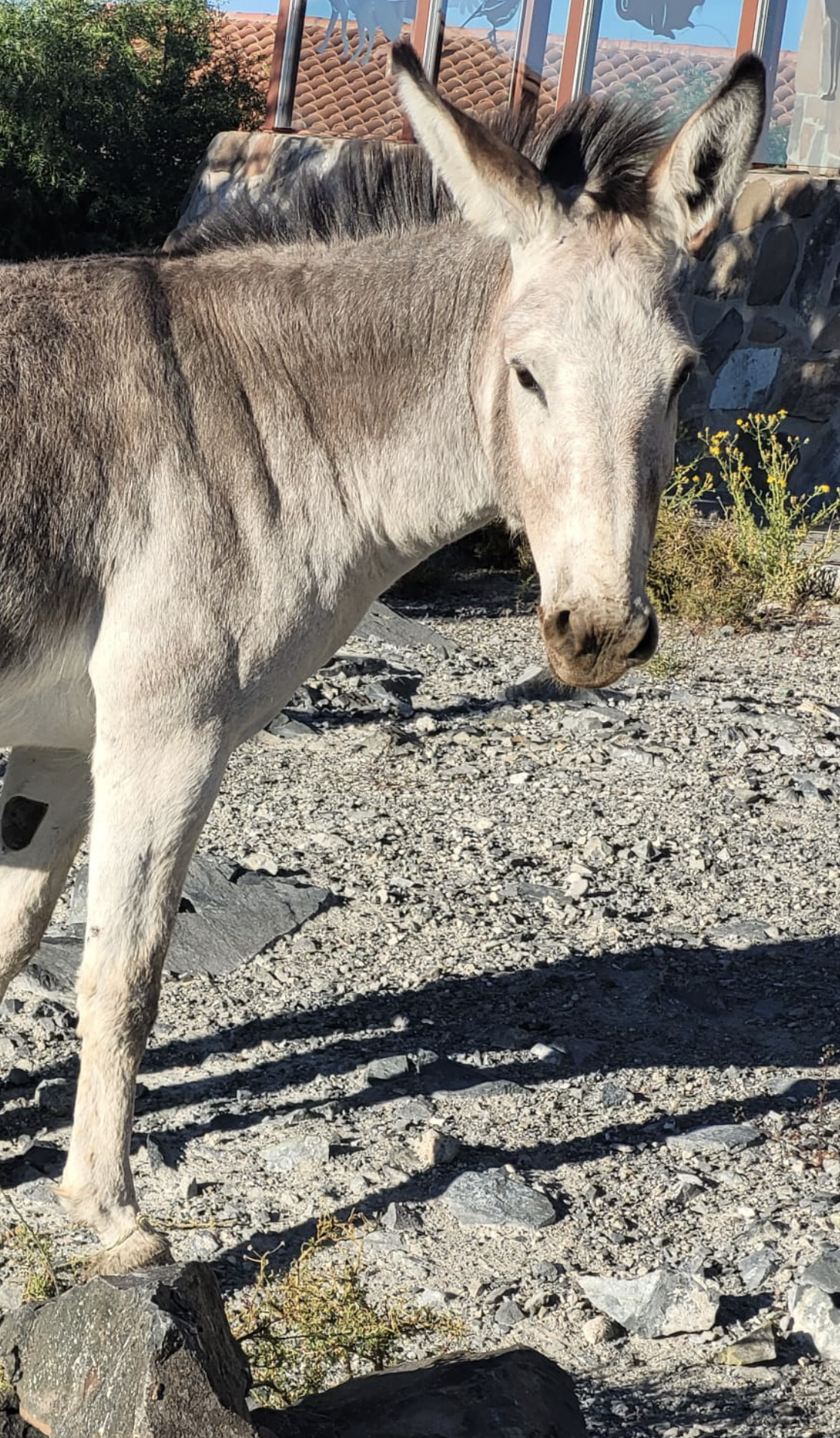
The Burro I had a close encounter with during the day. I don’t think it likes me very much.

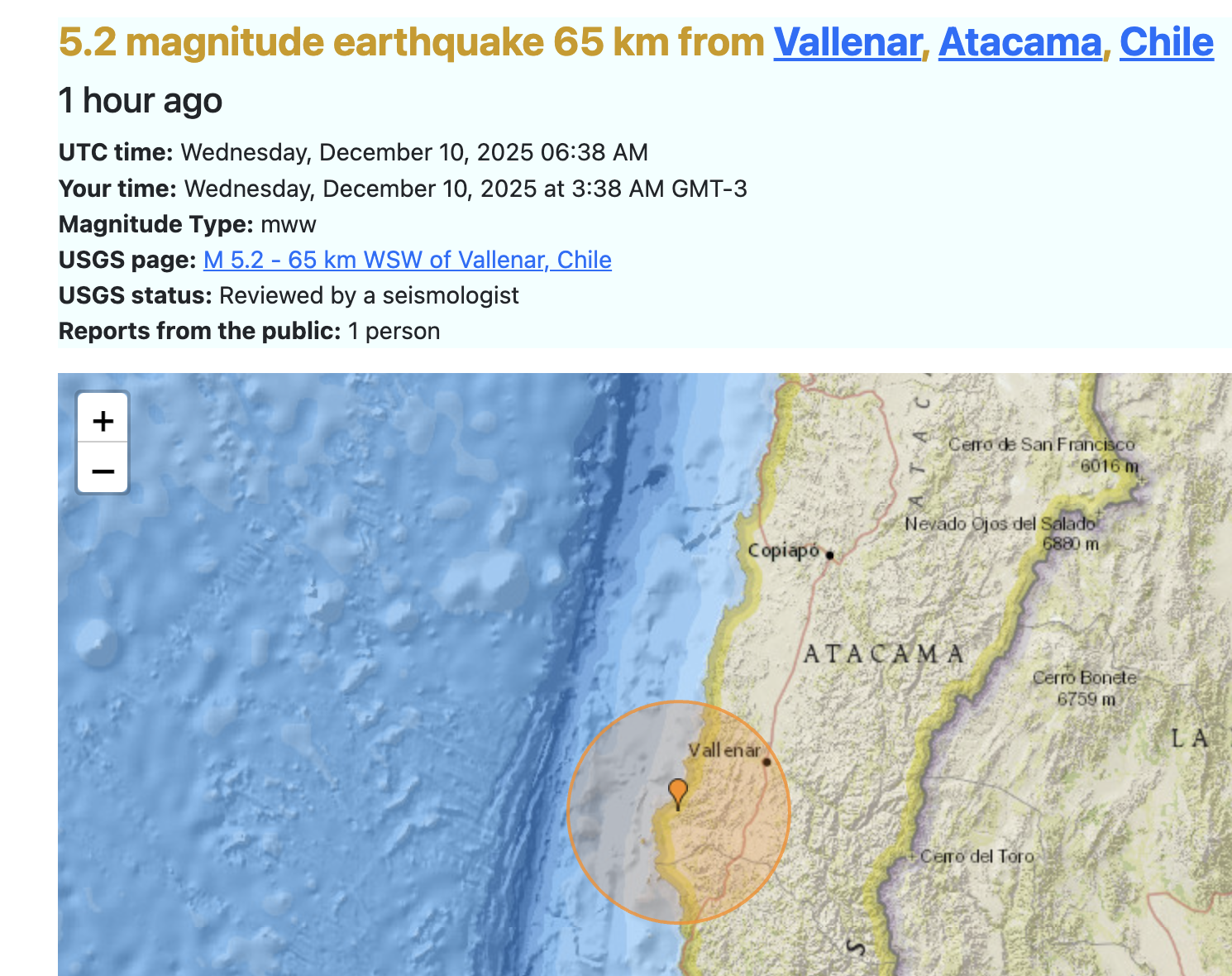
Just as things were settling into a rhythm, we got hit by a small earthquake. Some people quickly ran outside. However, I was too busy wrestling with a different kind of instability. I was trying to get the Neural Network (NN) to run its AO correction loop. When the ground is moving, and the control loop is fighting the atmosphere, you quickly learn what your priorities are. It’s fair to say my own internal NN has not been performing well on little sleep, as I almost walked straight into a Burro earlier this afternoon. The Burro was clearly not happy with this sudden close encounter, and I was also pretty startled. The instrument’s NN, however, survived the tremor, and helped us collect better data when the seeing was not ideal.

Fun ‘fact’ of the day: Donkeys Kill More People Than Plane Crashes

There are an estimated 44 million donkeys on the planet. A donkey kick can be anywhere between 0-2000psi, depending on the size and breed. As of 2013 there were 20000 planes on the planet. Due to these numbers it is safe to presume that this is true. In 2016 there were 325 aircraft related fatalities. In the same year there were 5478 admissions to emergency rooms across the world, 1478 of these resulted in the death of the donkeys victims. (the very reliable source: https://imgur.com/gallery/donkeys-kill-more-people-than-plane-crashes-QAhE6)

Song of the day

It is definitely better when not everything is in C.

MagAO-X 2025B Day 19: Hip Hop Hooray for a Successful Run

Hi everyone! I’m Leah, a visiting observer from MIT. Tonight marks the last evening of observing for this run. After two successful previous nights of star-hopping for my targets (and some other observations), the operators began the day with a delicious breakfast (while I was fast asleep).

Today we were joined by Manny, the Technical Director for the Center for Astronomical Adaptive Optics, for the day. See an archival post from a previous trip of his here: https://xwcl.science/hardware/it-begins-clio-unpacking/

In our downtime, Elena and I have been testing the Merlin birdwatching app around the telescope domes and dorms. So far, we have found the Moustached Turca, the Greenish Yellow Finch, Black-winged Ground Doves, and the Mountain Caracara (and many other species we were unable to identify).

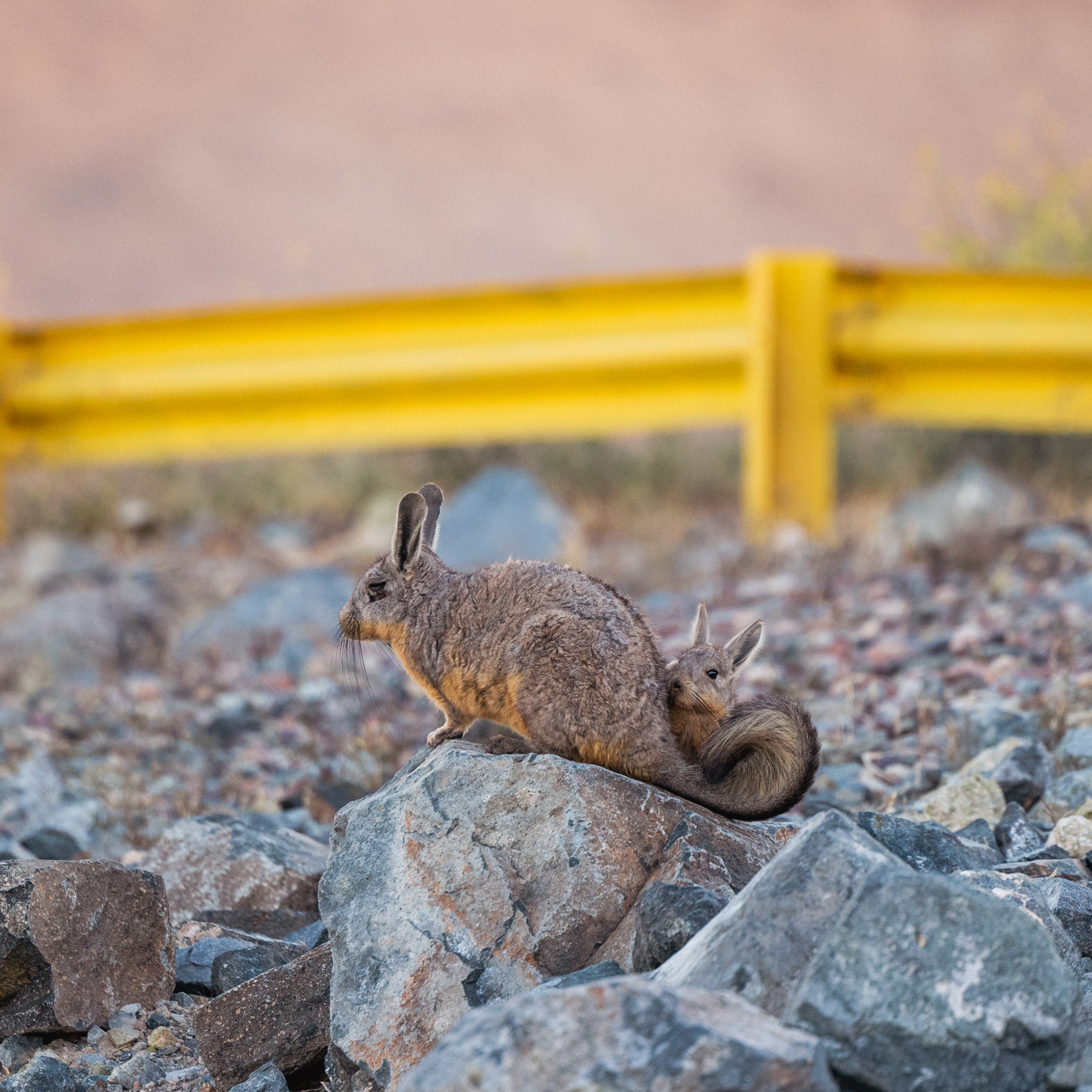
Mama vizzy courtesy of Miles

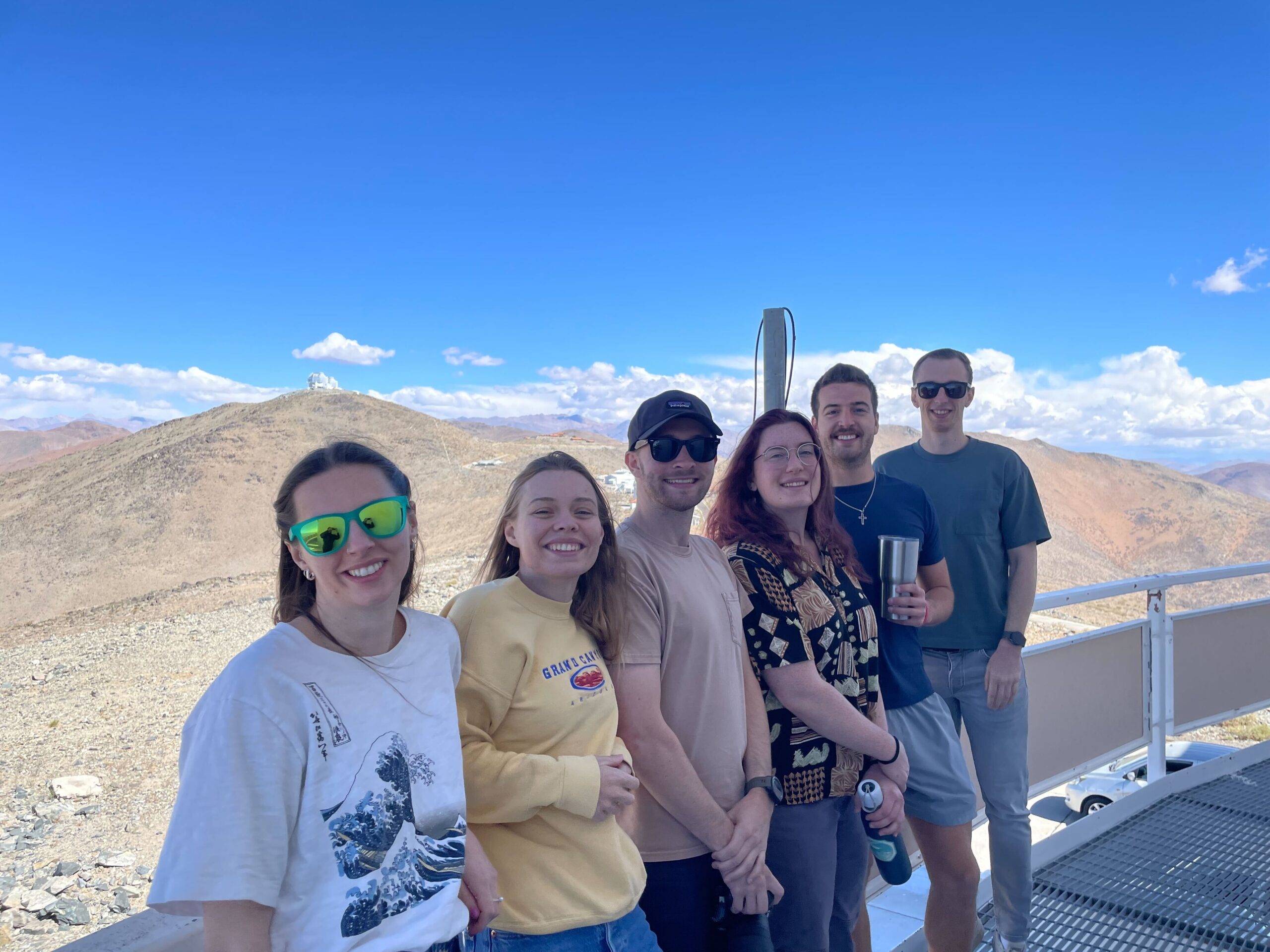
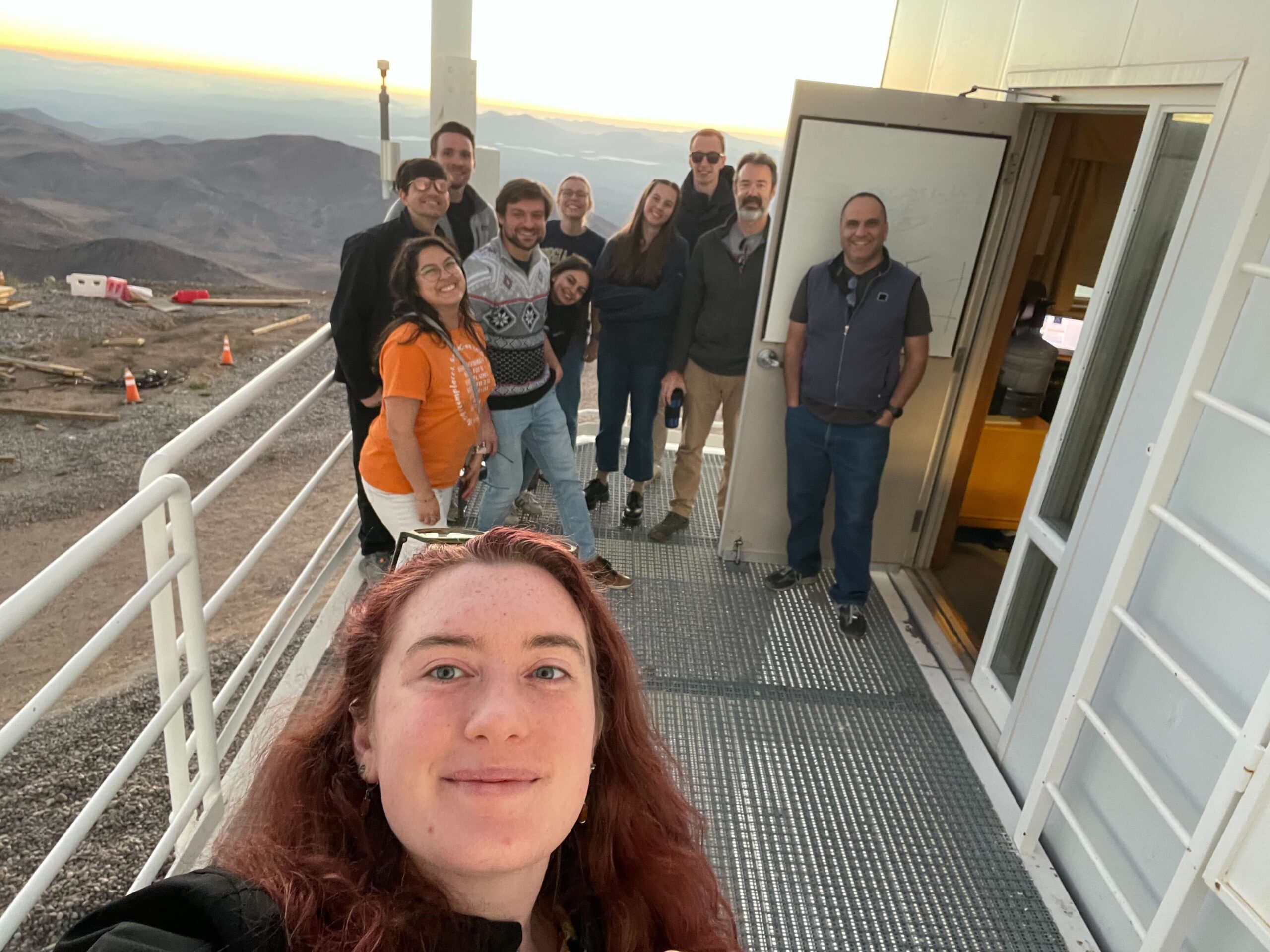
After dinner, the team made their way up the mountain, and partook in the usual viscacha-watching. Many of us gathered to watch the sunset, and took a group selfie (sans Parker and Josh).

Tonight’s science began with my observations where we are using a method called star hopping. For these observations, we jump back and forth from a star with a protoplanetary disc, to a similar star without a disc. We can then subtract the non-disc star from the disc star, which removes any unmasked starlight. This leaves us (hopefully) with a nice image of the dust in the disc.

It is imperative to switch between the two very quickly so as to not waste telescope time. Jared decided that part of his mission tonight was to optimise this process, so provided strict instructions for the operating team to work simultaneously to “reduce latency”. He brought out his phone stopwatch, and timed the operators, a responsibility taken over by Joseph later in the night. I am proud to say that all of our hops took less than one minute, reflecting the team’s dedication to optimising my observing time.

Despite the forecast originally being for thick clouds to roll in during the afternoon and stick around the whole night, we were very fortunate that the prophesied doom did not arrive. Aside from a few high altitude wispy clouds, our observations were unaffected. In fact, seeing improved greatly by the end of my time, leaving good seeing for Sebastiaan to finish the run.

I had a great time observing at LCO. The MagAO-X team was amazing to work with, and I have learned a lot about being an observational astronomer (one should make sure to have many backup targets!). Thank you to everyone for letting me join you here, and I hope to come back soon.

Song of the Day

A sunset conversation got me thinking back to my plants back home… accompanied by an impending feeling of doom.

Blonde Redhead – My Plants are Dead

Fun Fact of the Day

In the spirit of star hopping, I will educate you about a different type of hop. Hops (the plant) always grow in a clockwise spiral!