AO4ELT8

The biannual Adaptive Optics for Extremely Large Telescopes conference was held in beautiful Viña del Mar this year. Although normally a summer conference, it was held from October 27 to October 31–springtime in Chile!

The Reloj de Flores, a landmark in Viña del Mar.

AO4ELT aims to gather adaptive optics scientists from across the globe to discuss and formulate solutions to the largest problem facing the largest future-generation telescopes: wavefront sensing and control.

Wavefront sensing and control (WFS/C) is critical for the success of the massive 30-m telescopes (ELT, GMT, and TMT), whose performances are severely limited by atmospheric turbulence. For the goal of directly imaging exoplanets around nearby stars, the field of adaptive optics must come together to develop the technology and the algorithms for correcting tens of thousands of controllable elements thousands of times a second.

To summarize the talks, I would say the overall theme of this AO4ELT was the proliferation of improved control algorithms. We have discovered that vibrations and other quasi-stable error modes can dominate the residual wavefront errors of modern AO systems, and simple leaky integrators are insufficient for achieving high Strehl ratios on future telescopes.

The new controller architectures predominantly have moved towards machine learning and reinforcement learning to use data-driven techniques that don’t require precise system models. This agnosticism is powerful for adapting a single control architecture to multiple testbeds and telescopes, and we saw many talks about successful implementations of Policy Optimization for AO (PO4AO), among other machine learning algorithms.

Another common theme of the conference was the success in using older, smaller 1-m-class telescopes telescopes for on-sky prototyping and testing. There is an age-old problem of adapting technology and algorithms from simulations to testbeds, and then from testbeds to telescopes. These older telescopes are having a renaissance in utility, since AO scientists are getting crucial on-sky time without the stress and overhead of competing with observers for time on larger, more modern telescopes. This renaissance is also giving students and young career researchers valuable experience in the planning and operations of observations, something you can’t get on a testbed, alone.
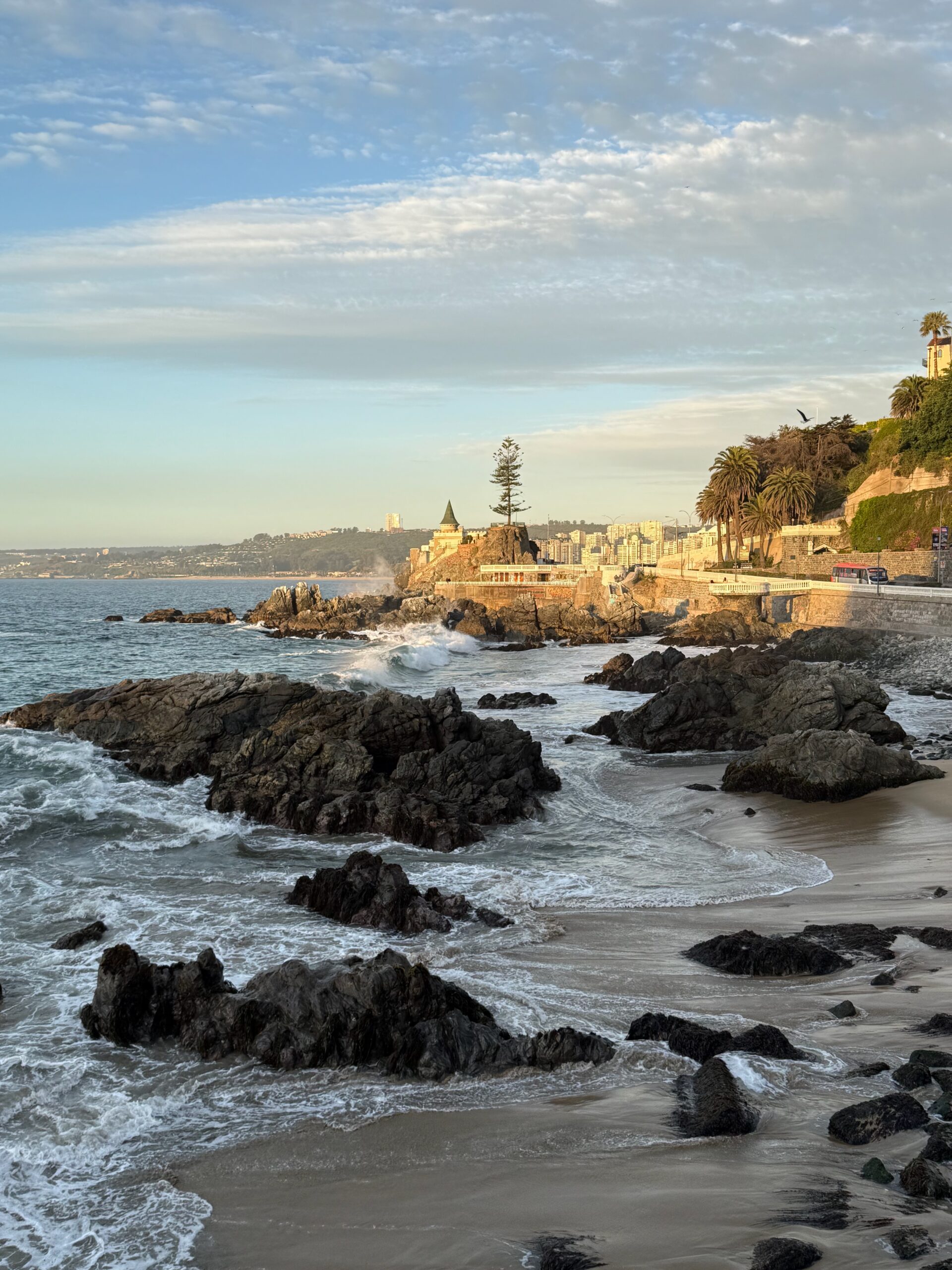
Walking back from the conference at sunset, enjoying the view of Castillo Wulff.

Now, what was I presenting at AO4ELT? Having just started work with the XWCL, I didn’t have any exciting results to share for the polarimetric mode of MagAO-X, but I did share work from my Ph.D. dissertation on the upgrades and early science of the VAMPIRES instrument on SCExAO (the sister of MagAO-X on the Subaru Telescope).
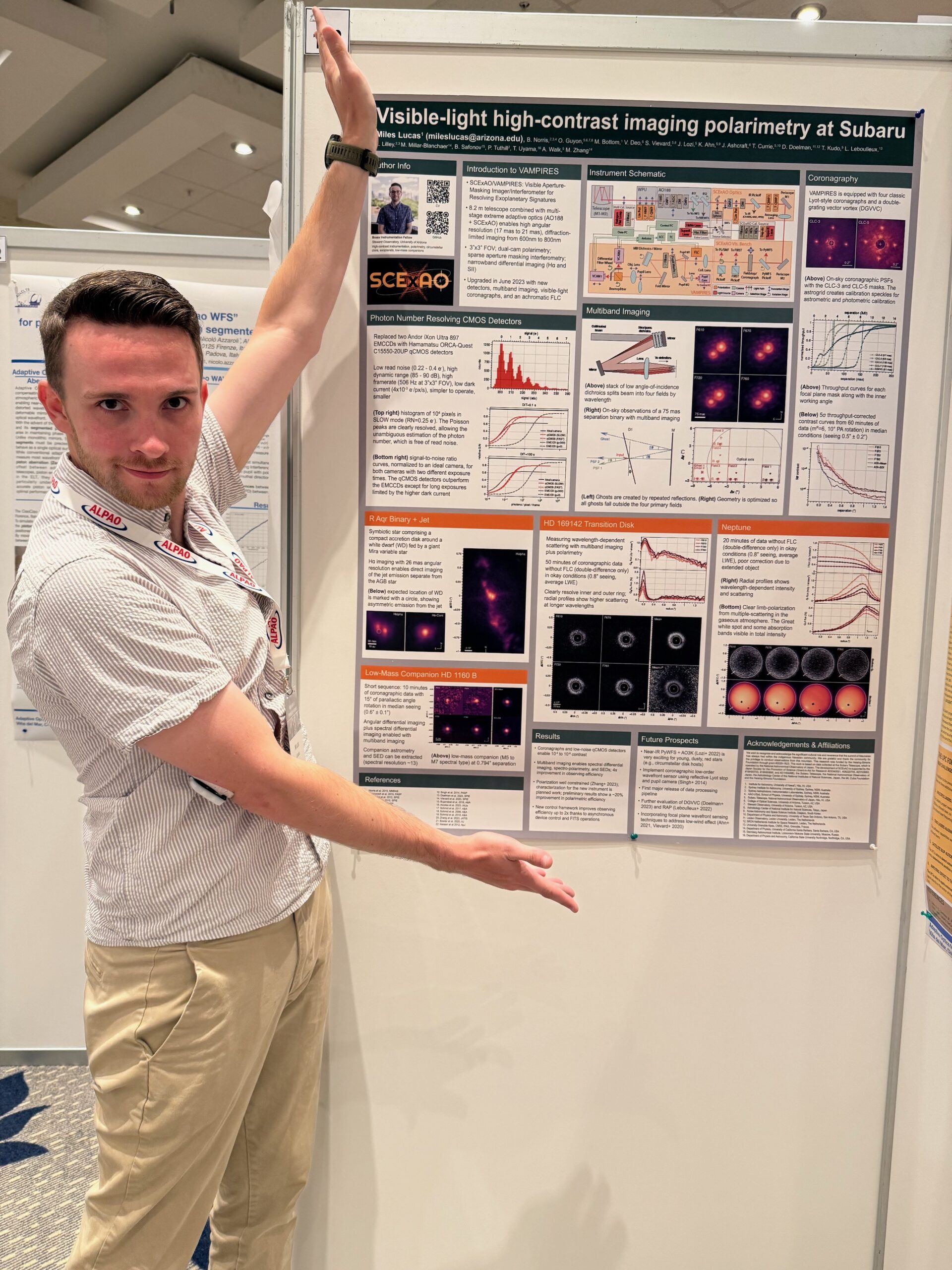
Showing off my poster with glee.

Beyond the conference, I enjoyed the sounds of the sea and many of the cultural staples of Chilean food–including many pisco sours. For those who are unaware, like I was, pisco is distilled fermented grapes, basically distilled wine. A pisco sour combines the liquor with lemon/lime juice, egg white, and a sweetener. The best pisco sour I had was at the Macha restaurant, where I also enjoyed octopus by recommendation of the chef to celebrate my birthday, which fell on the final day of the conference.
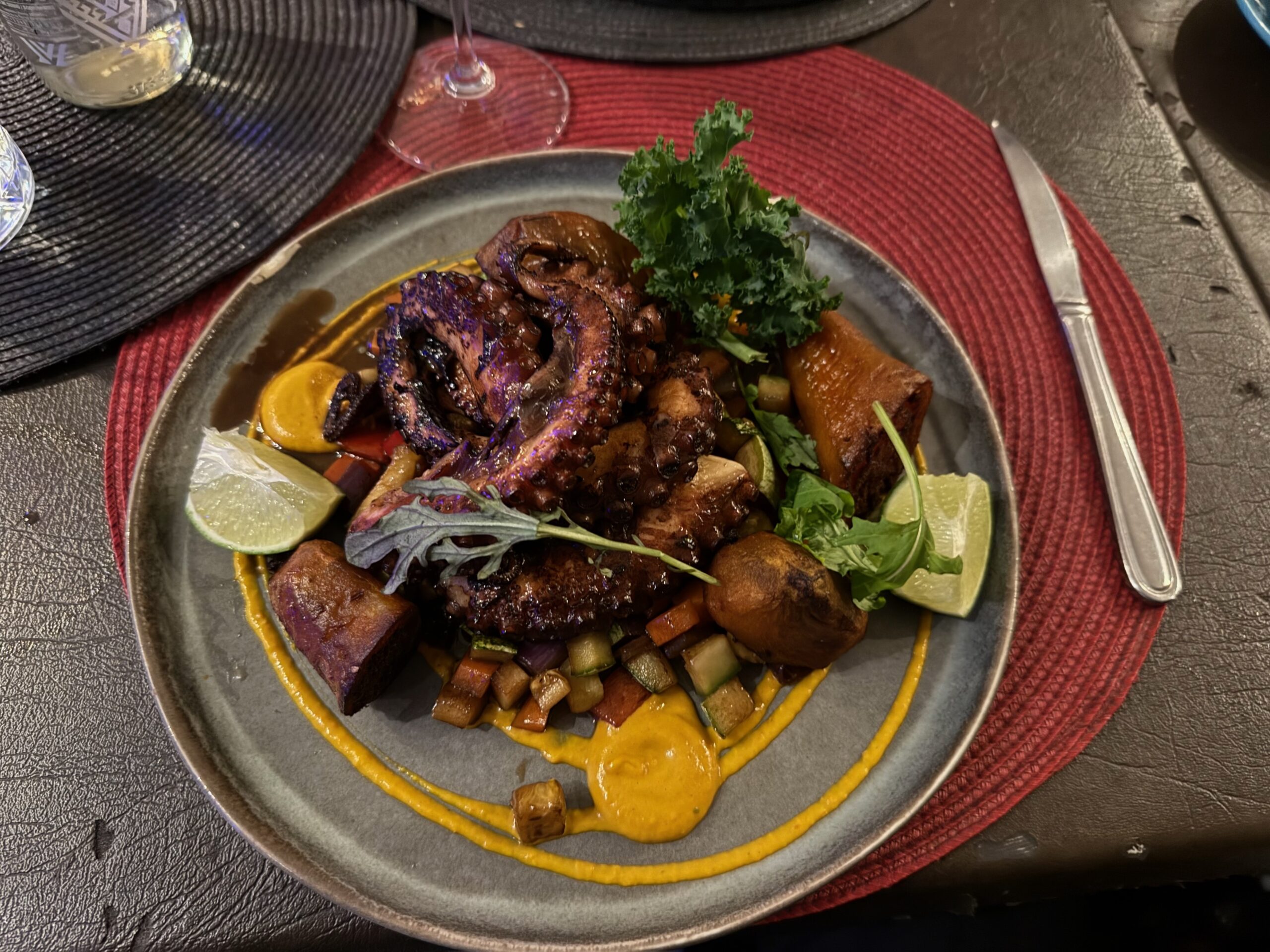
Pink octopus from Juan Fernandez Island, yellow chili pepper sauce, vegetables, and sweet potatoes.

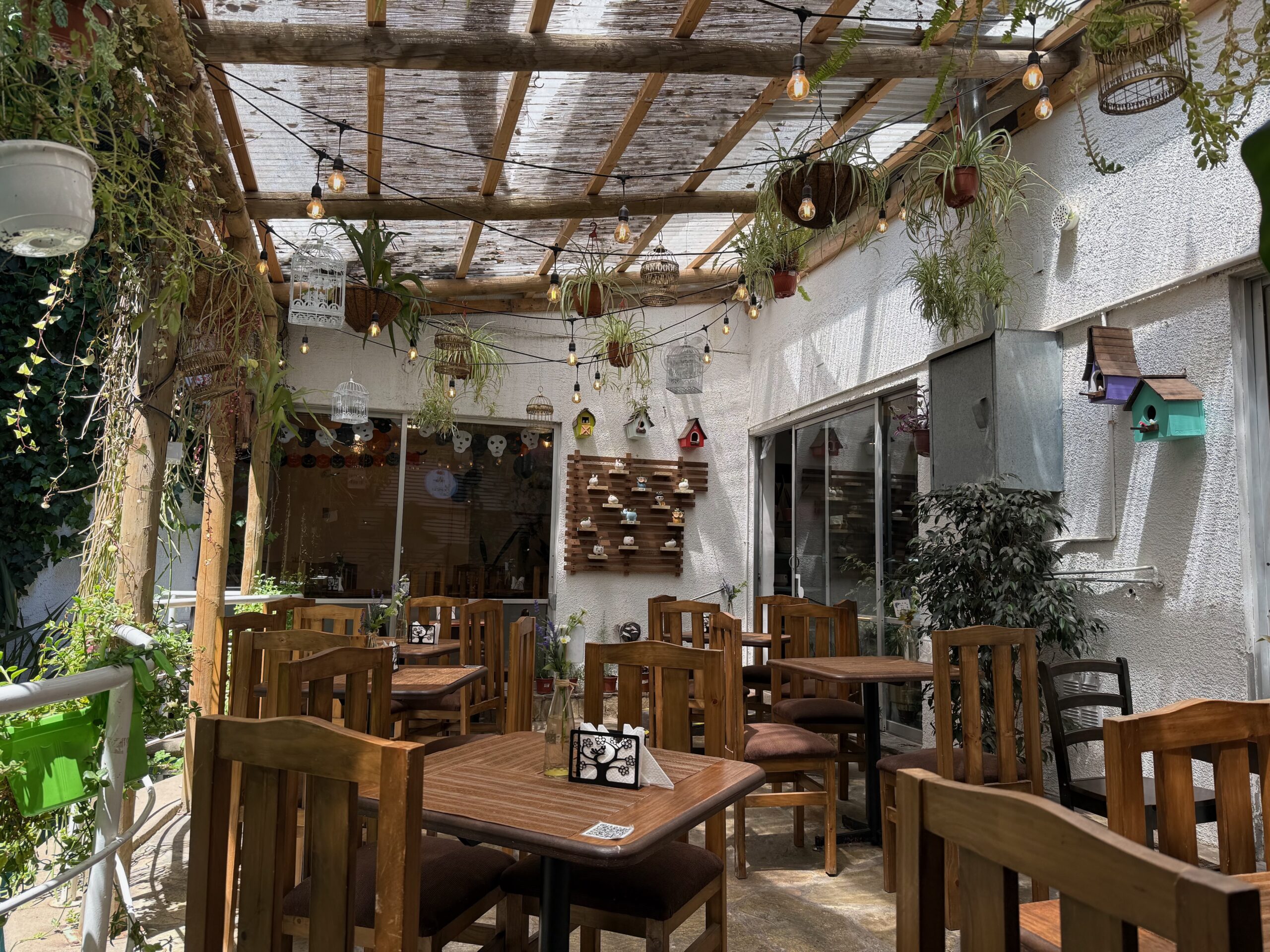
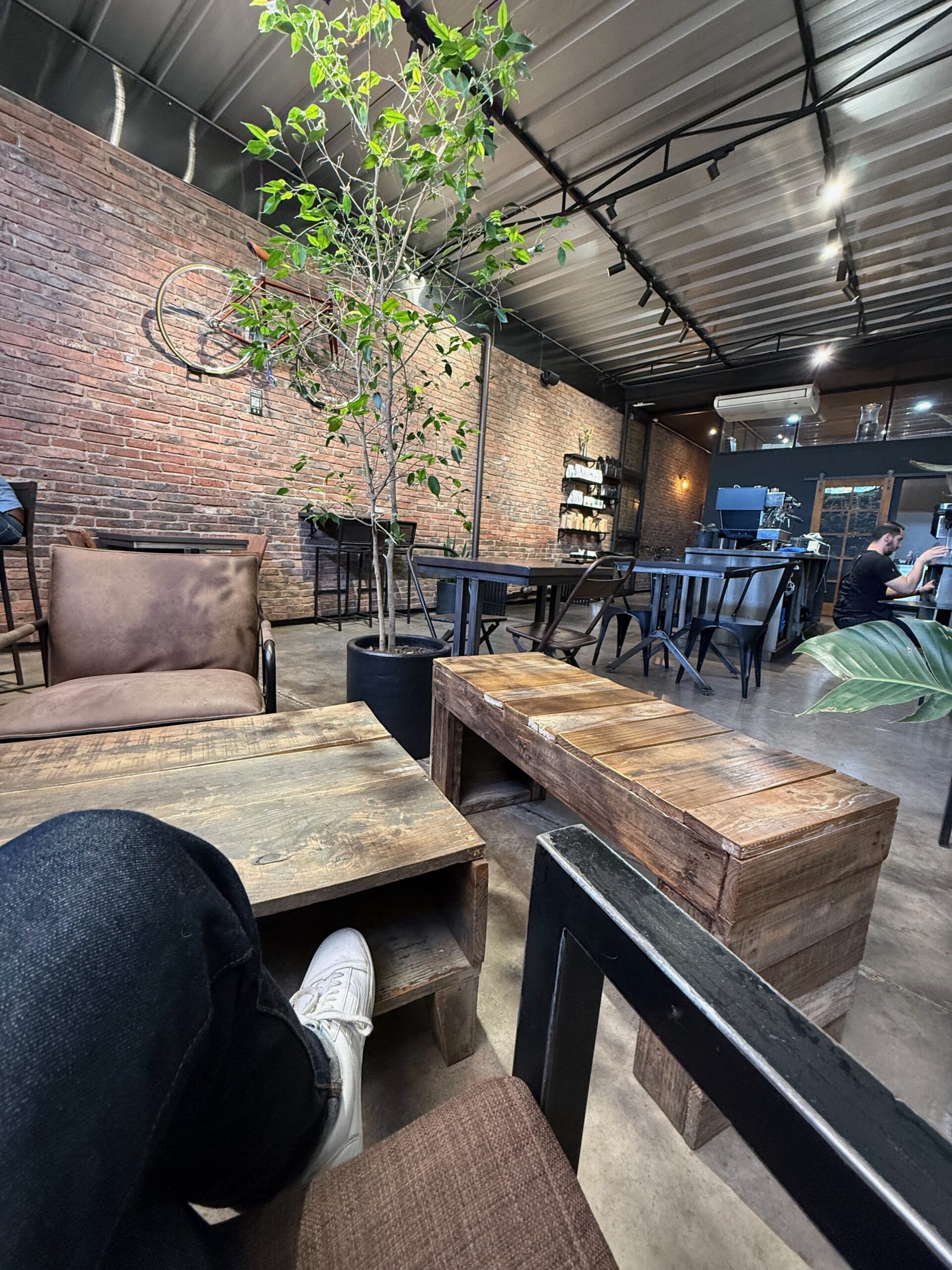
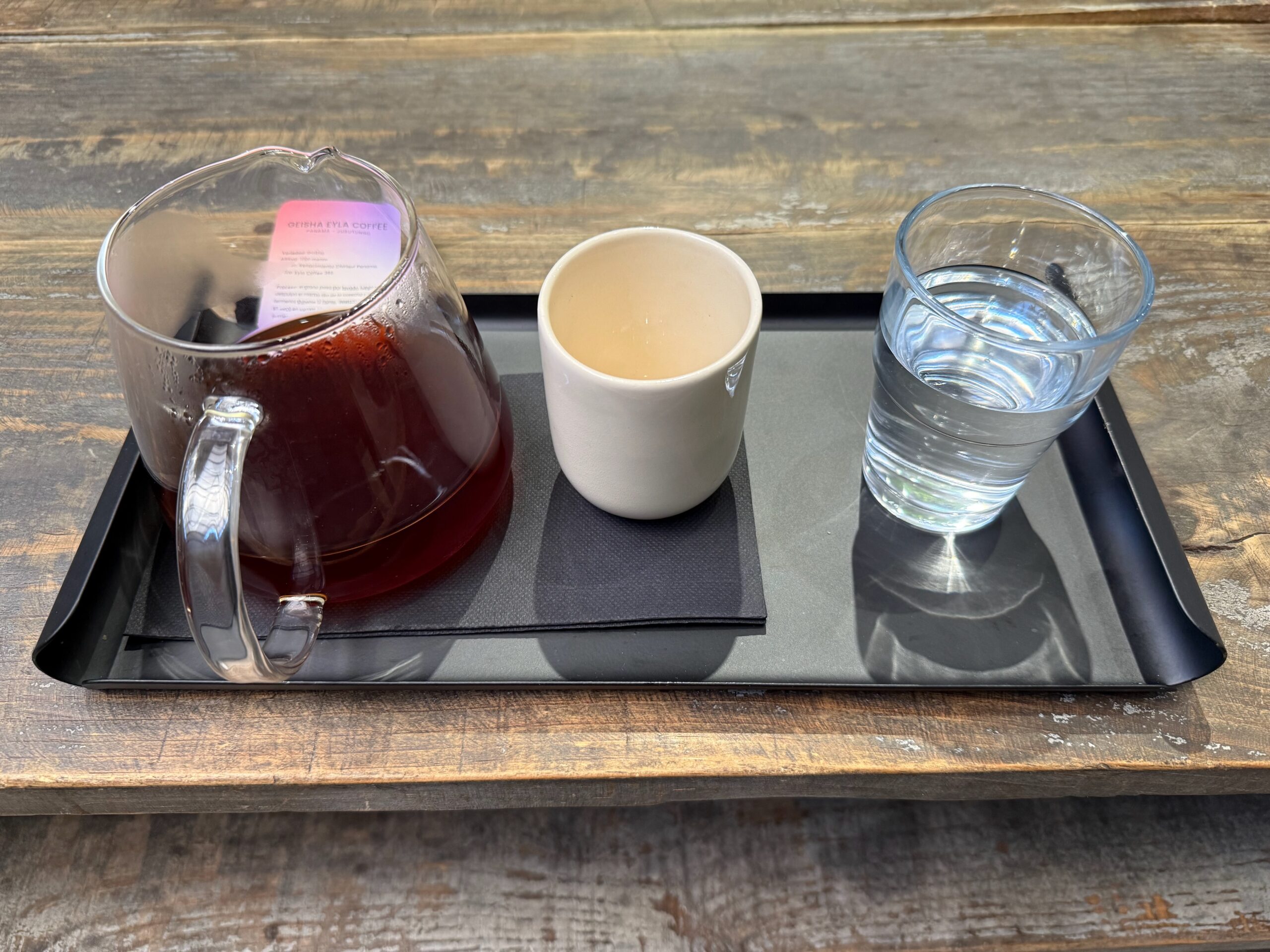
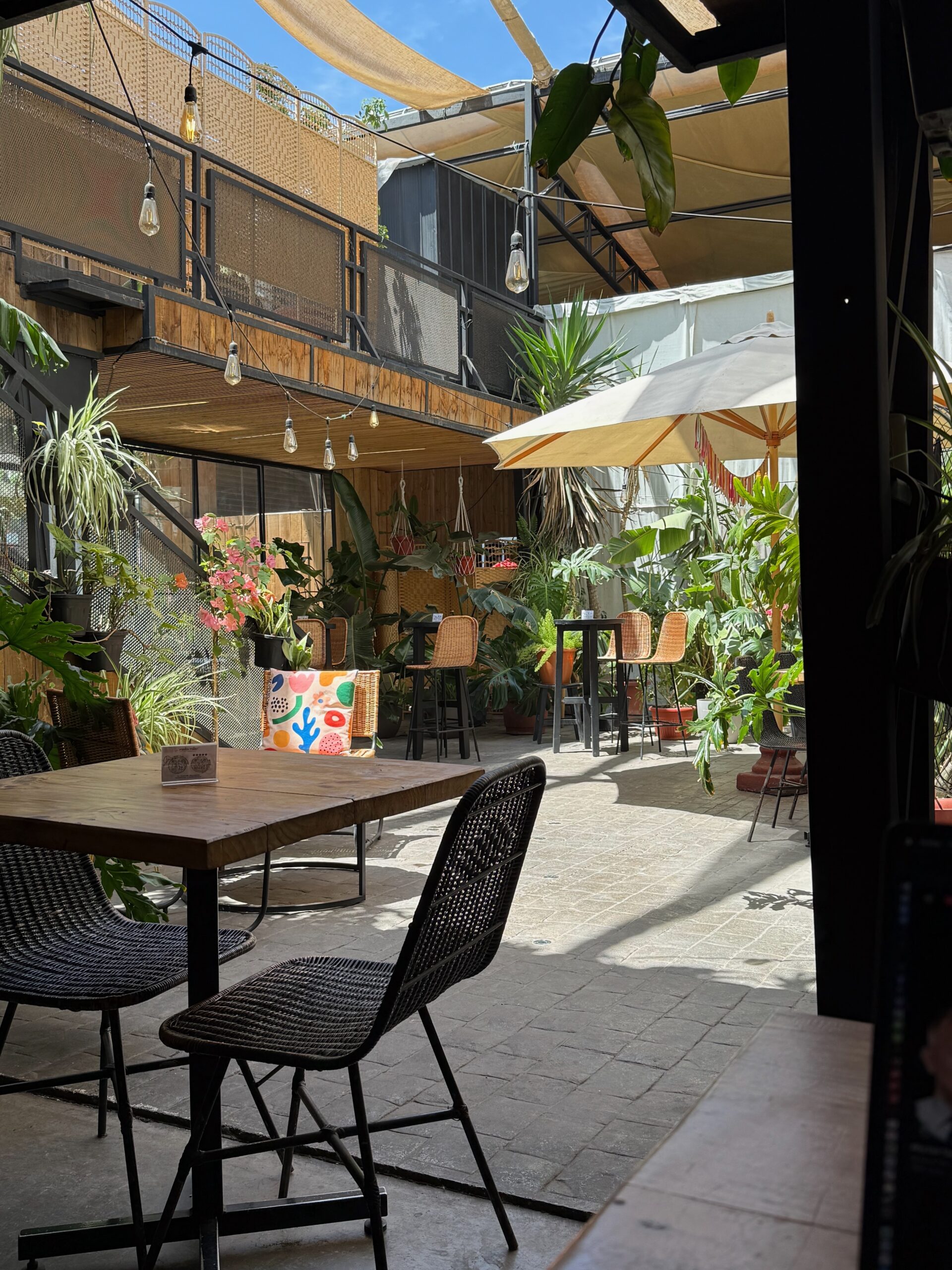
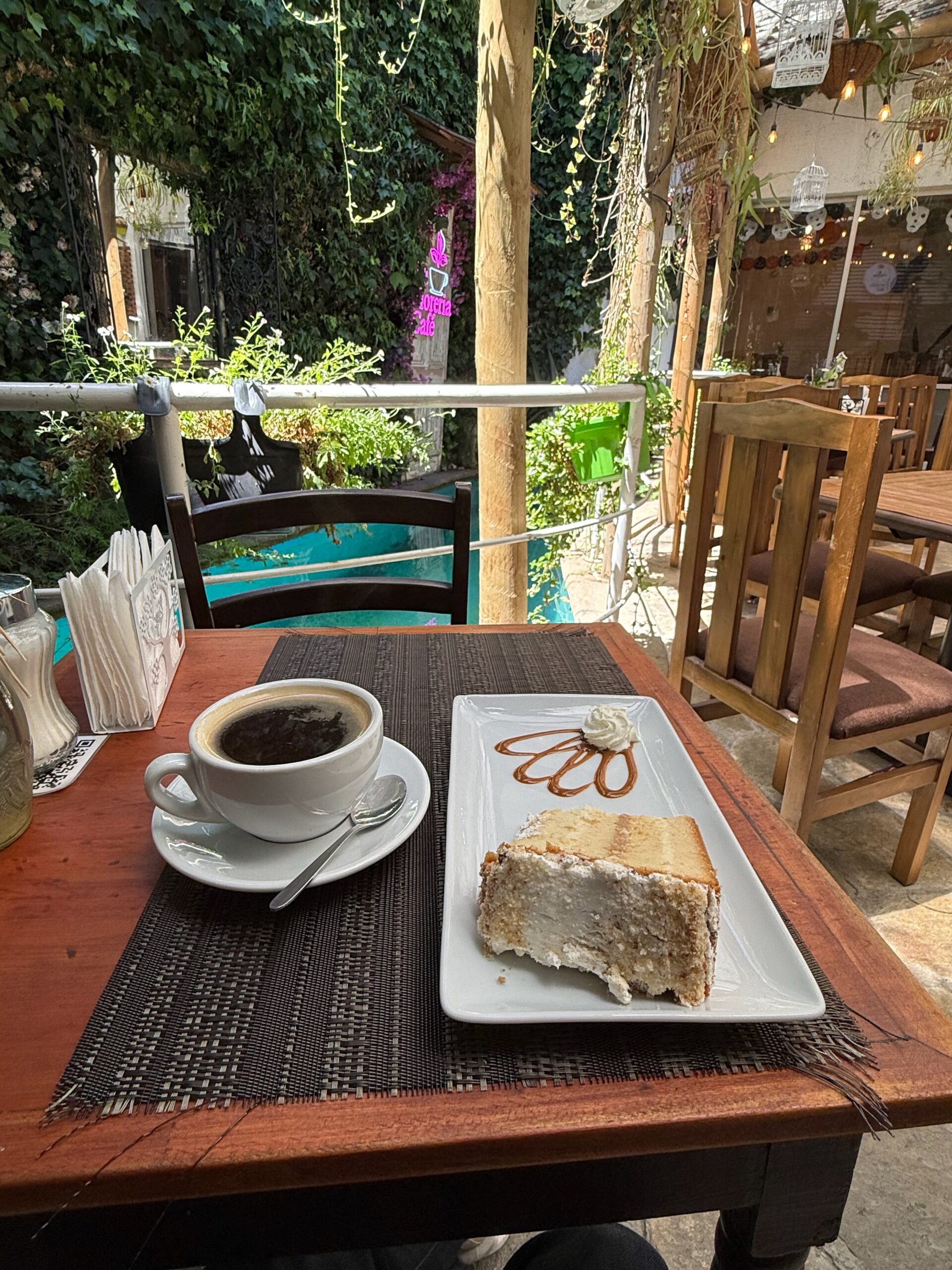
Following the conference, I had planned to explore Valparaíso and spend a few days in Santiago, but my arch nemesis, the conference bug, had other ideas. I quickly got caught up on the spanish needed to naviagate a farmacía, from pañuelos to vaporaciones (de Vick). Nonetheless I was able to seek out some cozy cafes and tasty food before my long flight back to the US.
Song of the day: Despacito (it’s the Mr. Brightside of Latin America)
MagAO-X at Spirit of Lyot 6: The Haunting of Baxter Hall

PASADENA, CALIFORNIA – Every few years, an eclectic group of scientists and engineers gathers in a scenic location to discuss the minutiae that come with taking pictures of really dim things next to really bright things. The Spirit of Lyot conference is named for one Bernard Lyot, a French astronomer known for inventing an instrument to observe the Sun’s corona without having to wait around for a solar eclipse. 

Early on in the conference, one of the organizers clarified that this gathering was about Lyot’s “spirit” meaning legacy, not his literal ghost. Now, we here at MagAO-X most certainly honor Lyot’s high-contrast legacy by observing binaries, disks, and planets. But, it’s also worth mentioning that if there’s one thing optical engineers are haunted by, it’s ghosts.

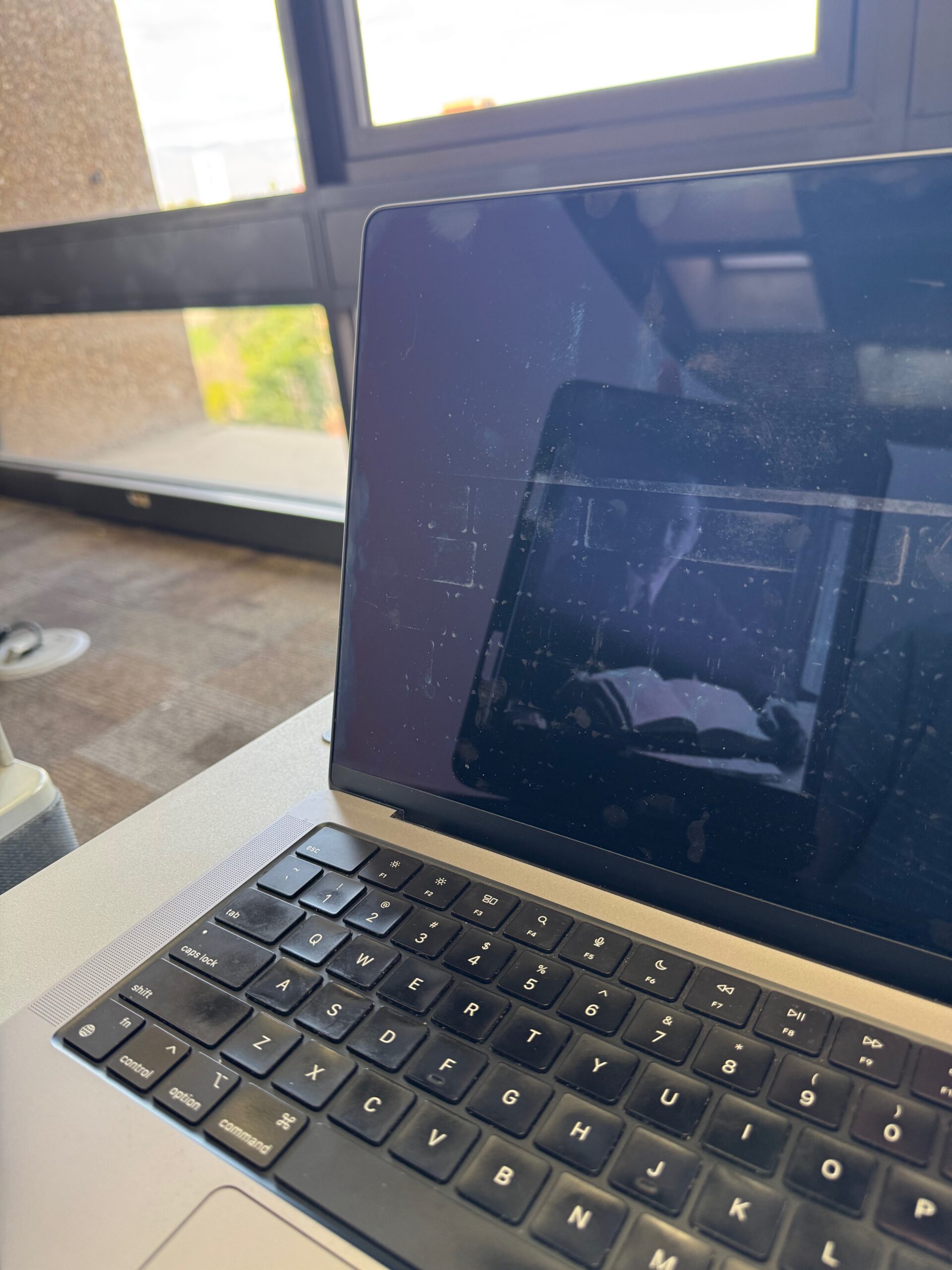
For those unfamiliar, a ghost is a technical term used in optics to describe an unwanted reflection. Put simply, this could be anything from seeing your own face reflected back at you when you’re trying to look out the window to having your laser bounce back off lenses it’s supposed to transmit through. Optical ghosts are pernicious little things; they can cause unwanted spots on your camera or even render your g-band filter practically useless. They’re difficult to get rid of, but pretty easy to introduce. So, in order to understand Dr. Bernard Lyot’s true opinion of MagAO-X’s contribution to his conference, I have taken it upon myself to summon his (optical) ghost this Friday the 13th and ask about his approval or disapproval on some things we did last week.

whether or not this is *technically* a ghost is up for debate, but I certainly consider seeing myself in my laptop screen as an “unwanted reflection”

APPROVED: A Plethora of Posters

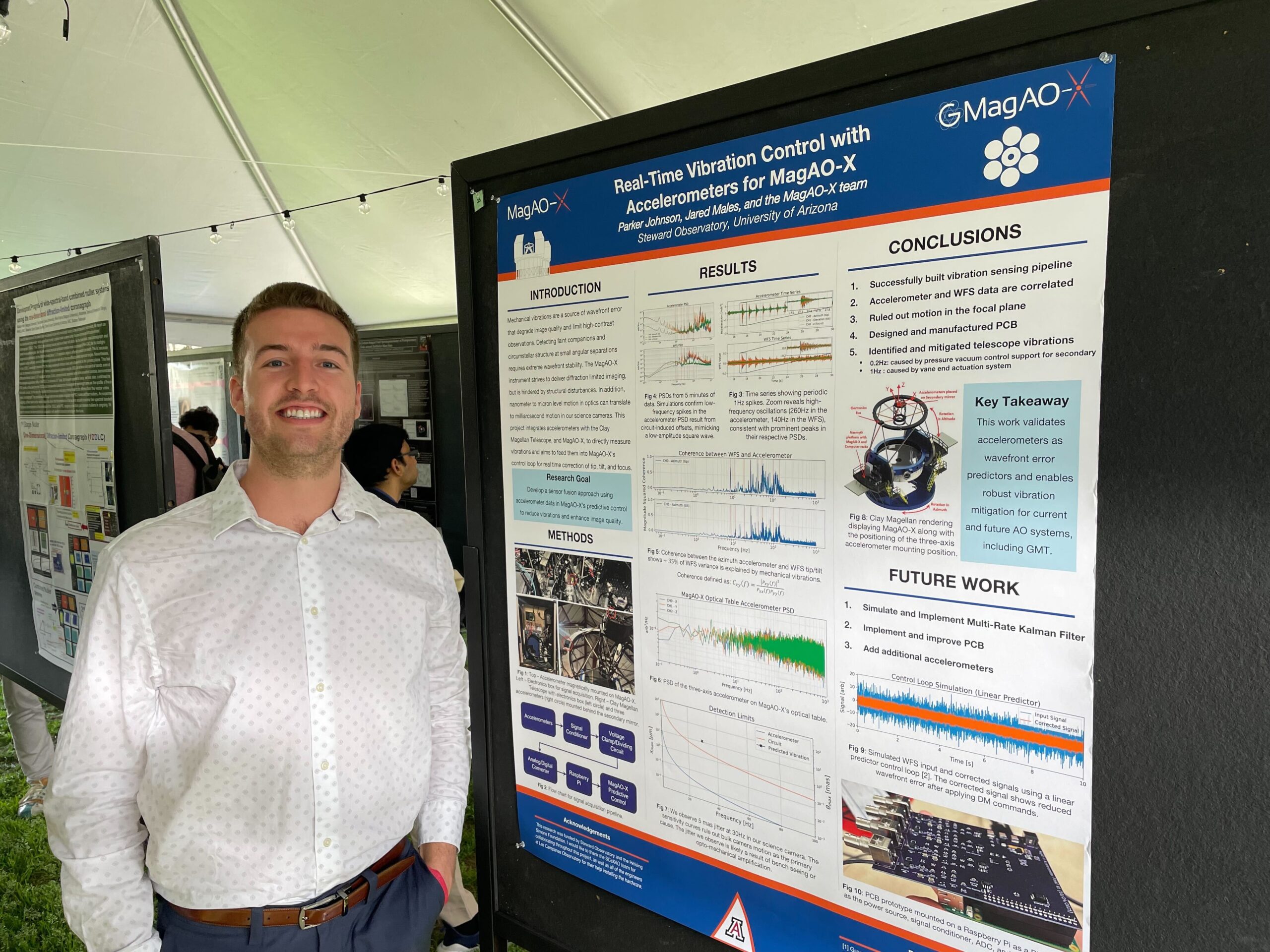
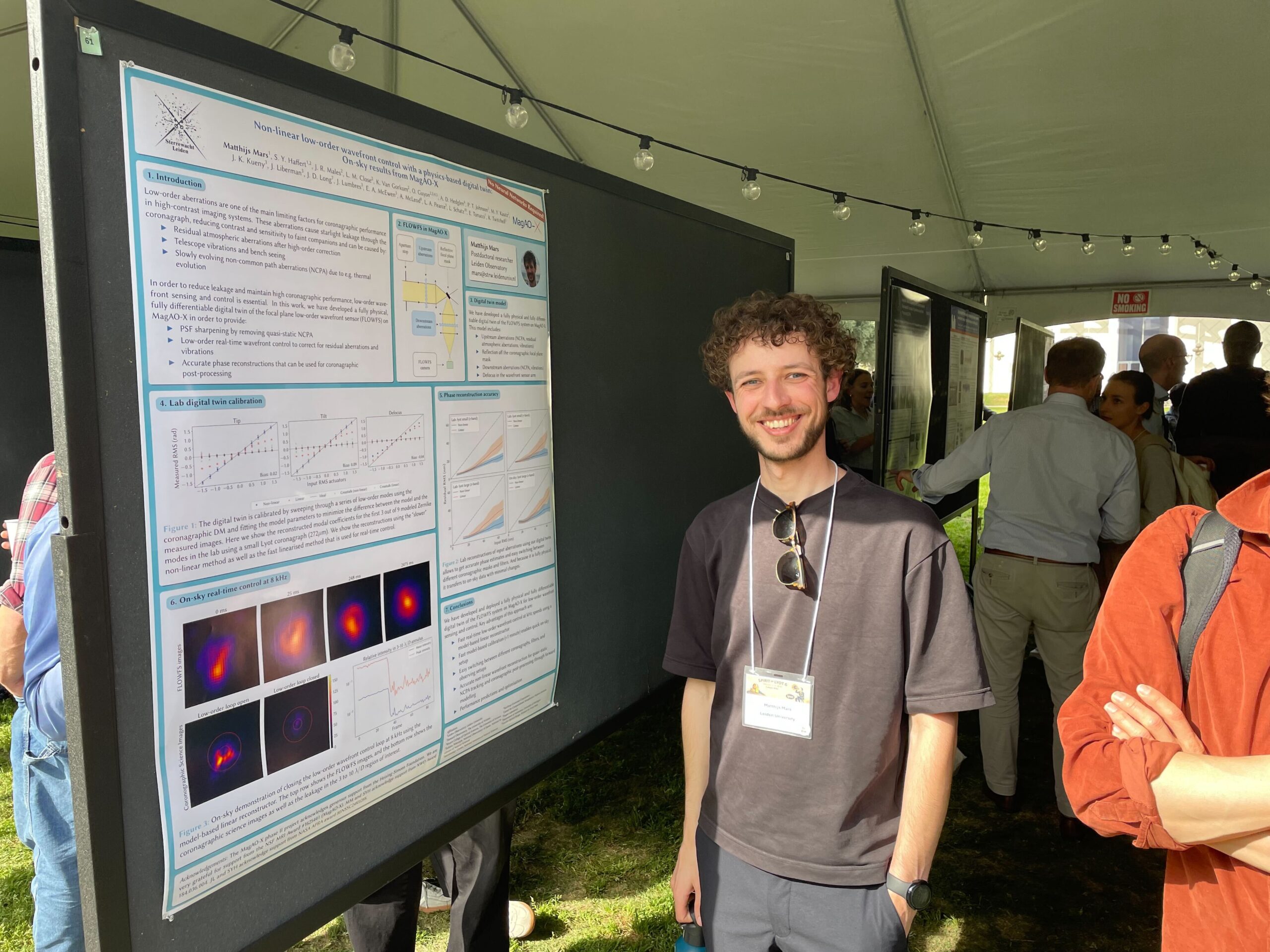
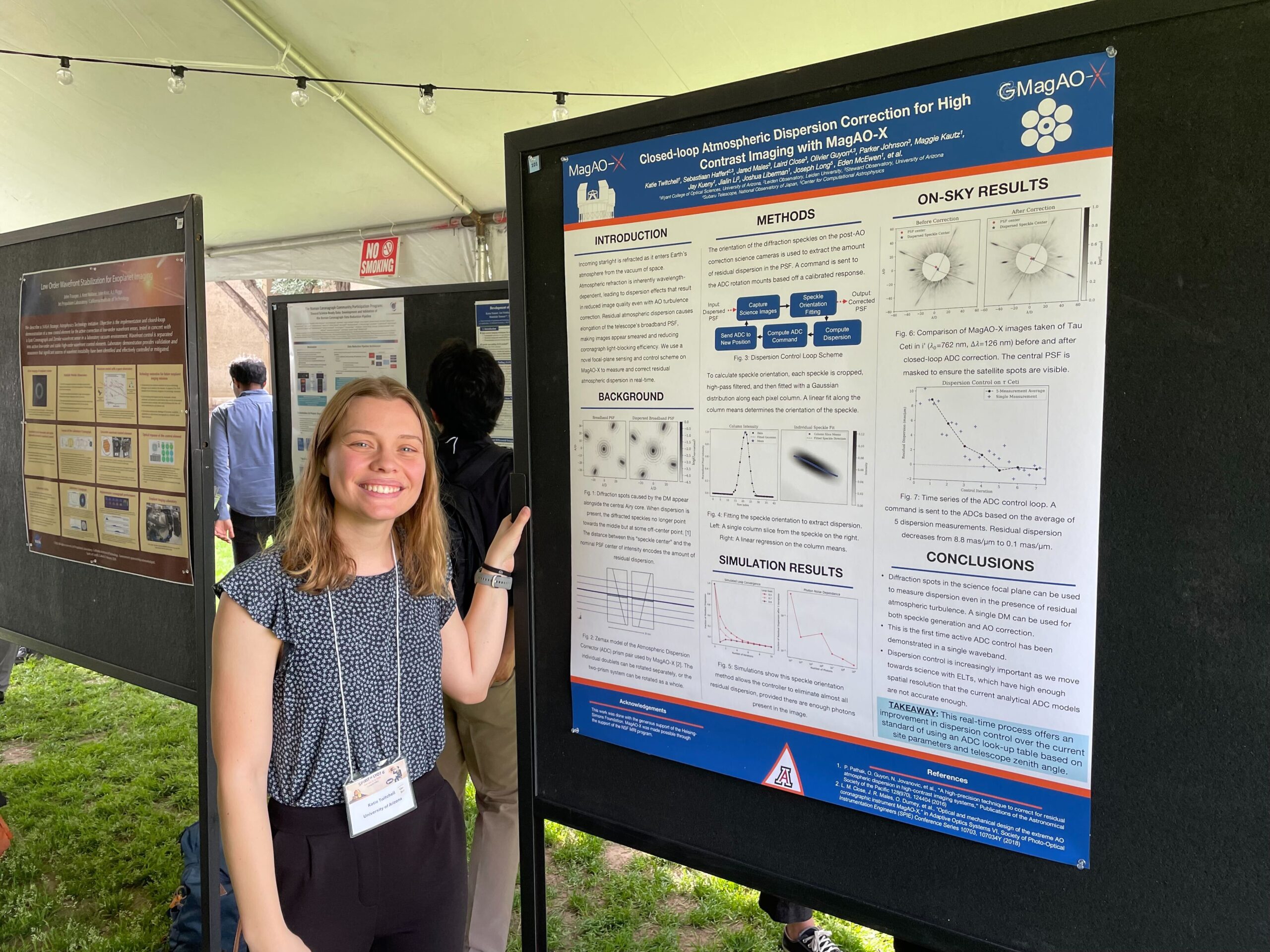
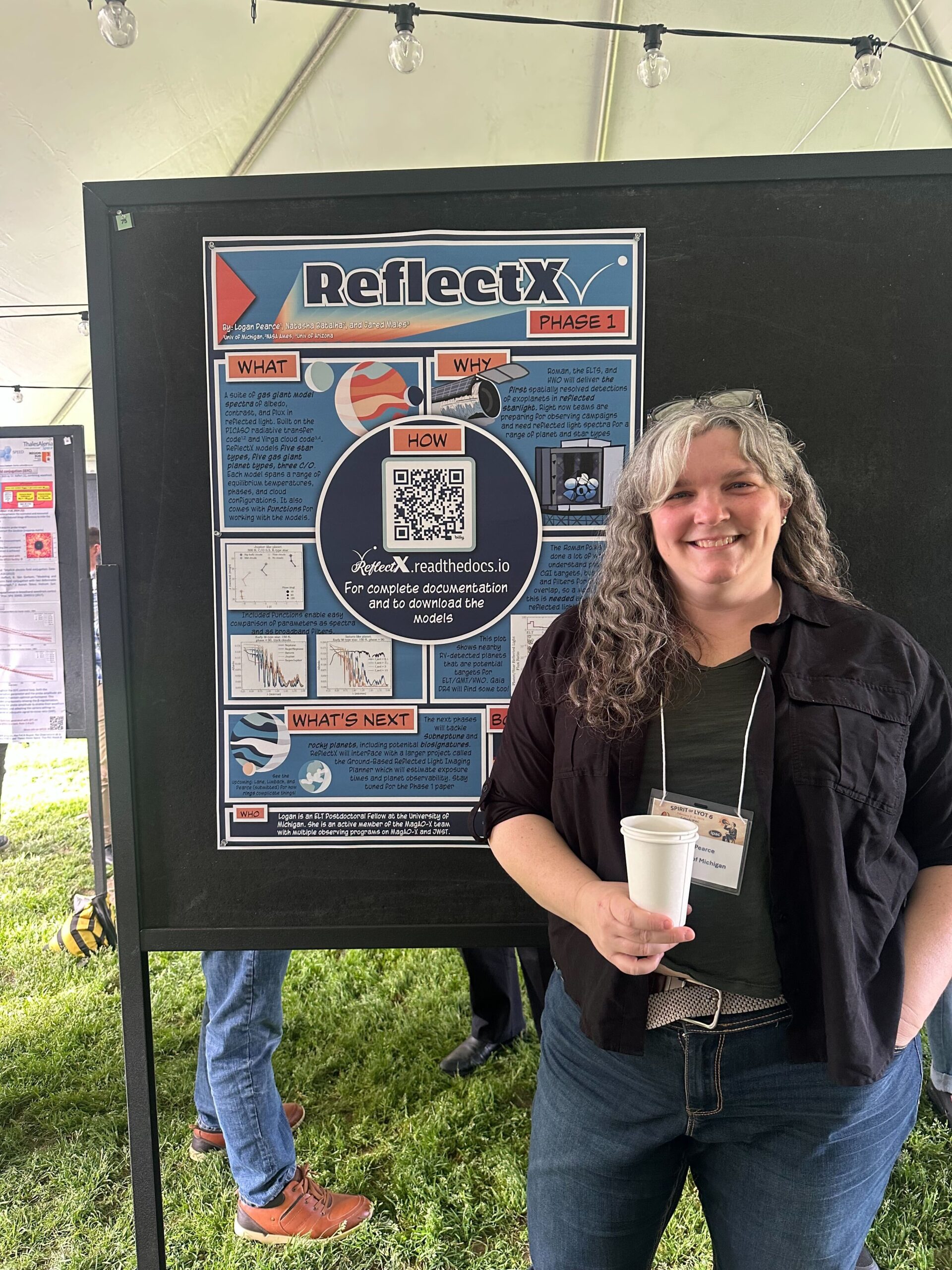
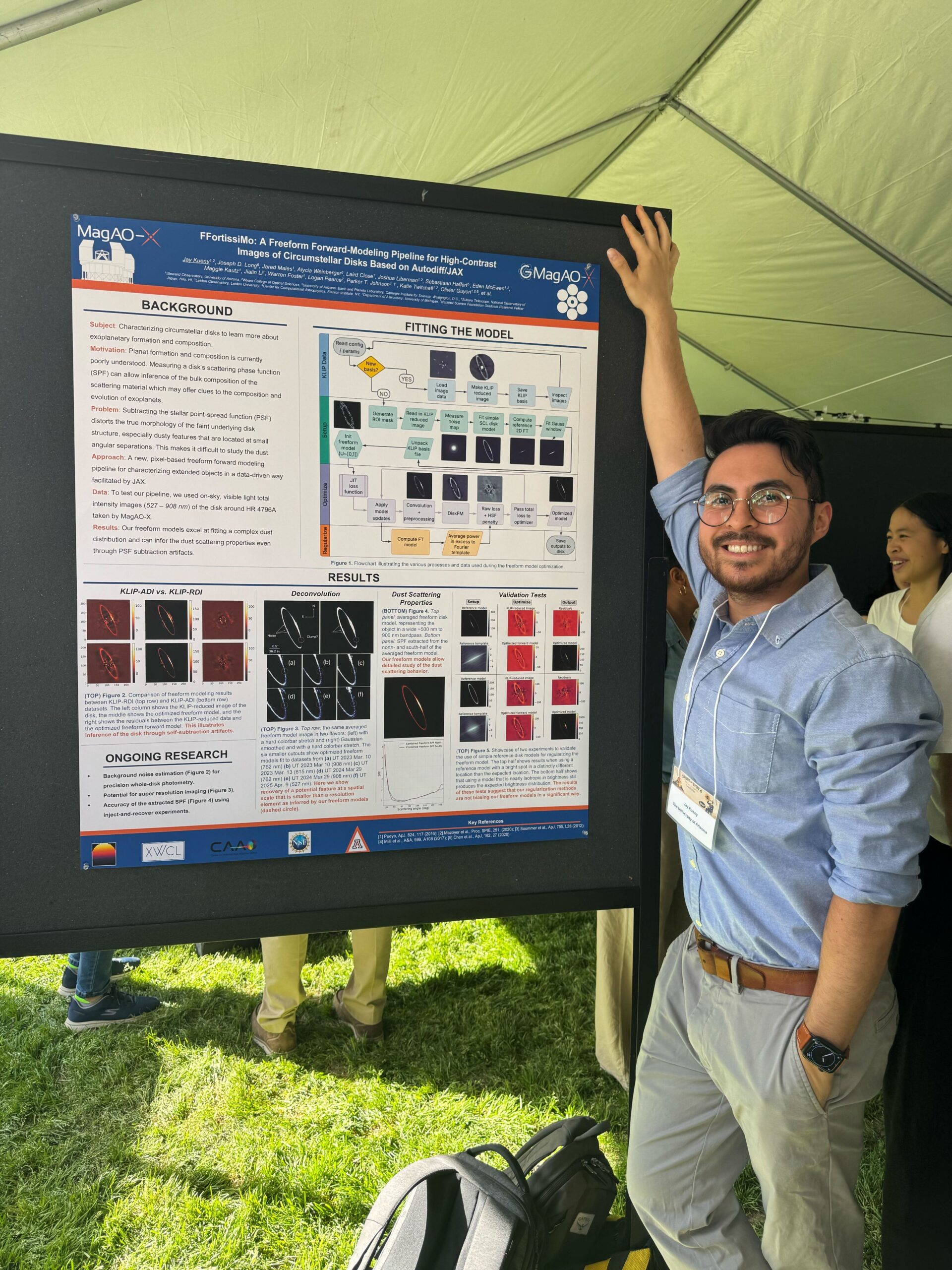
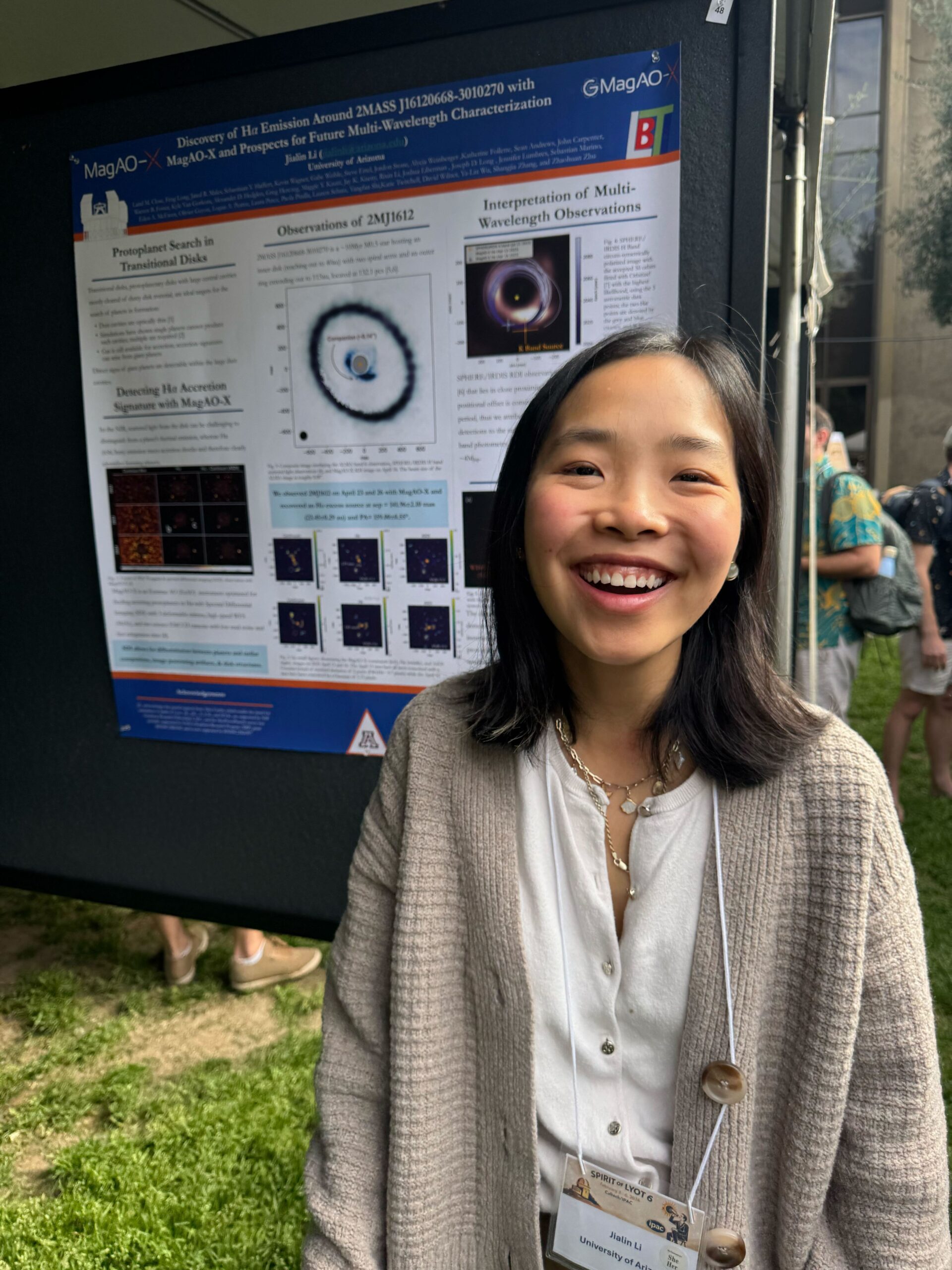
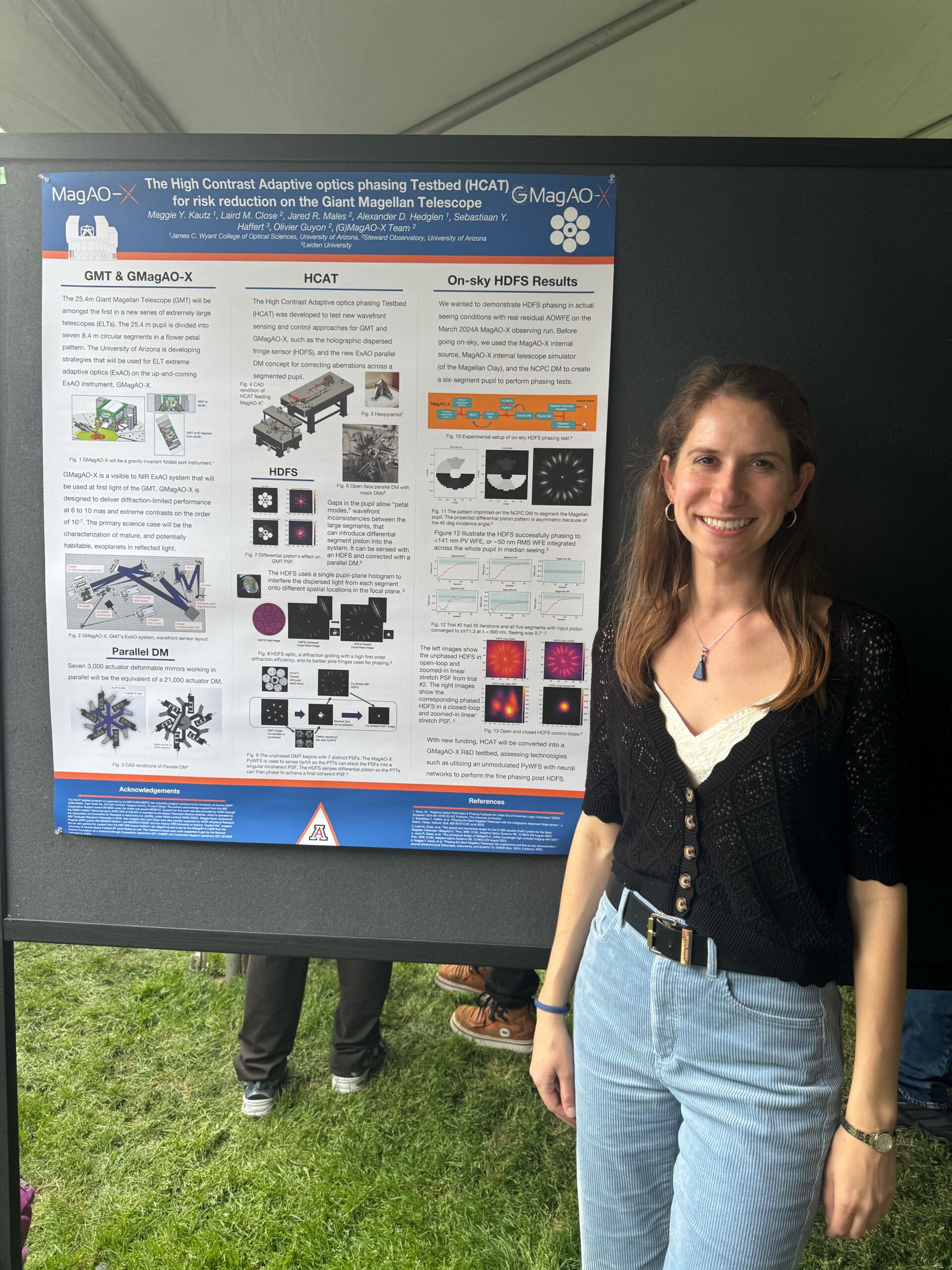
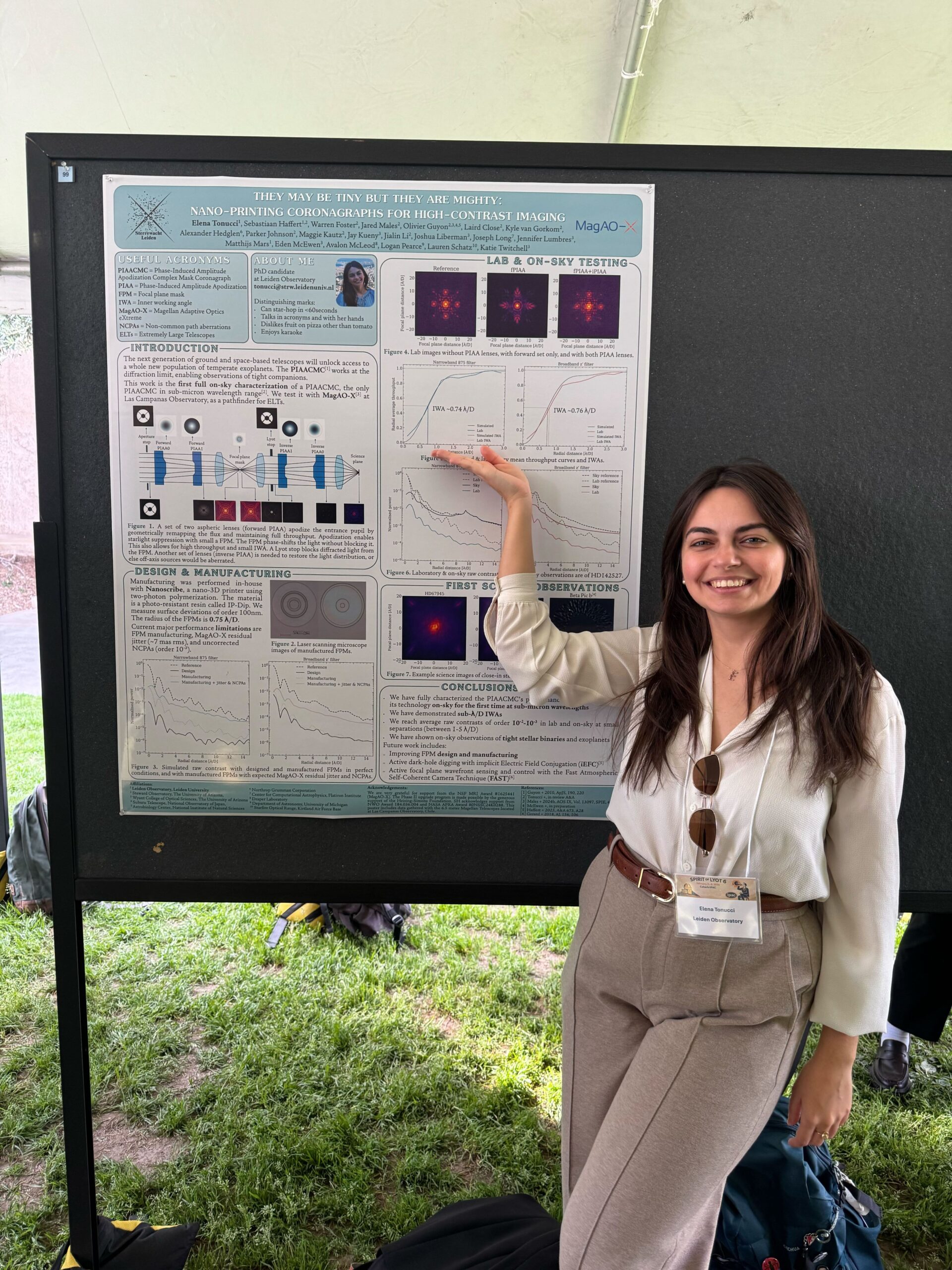
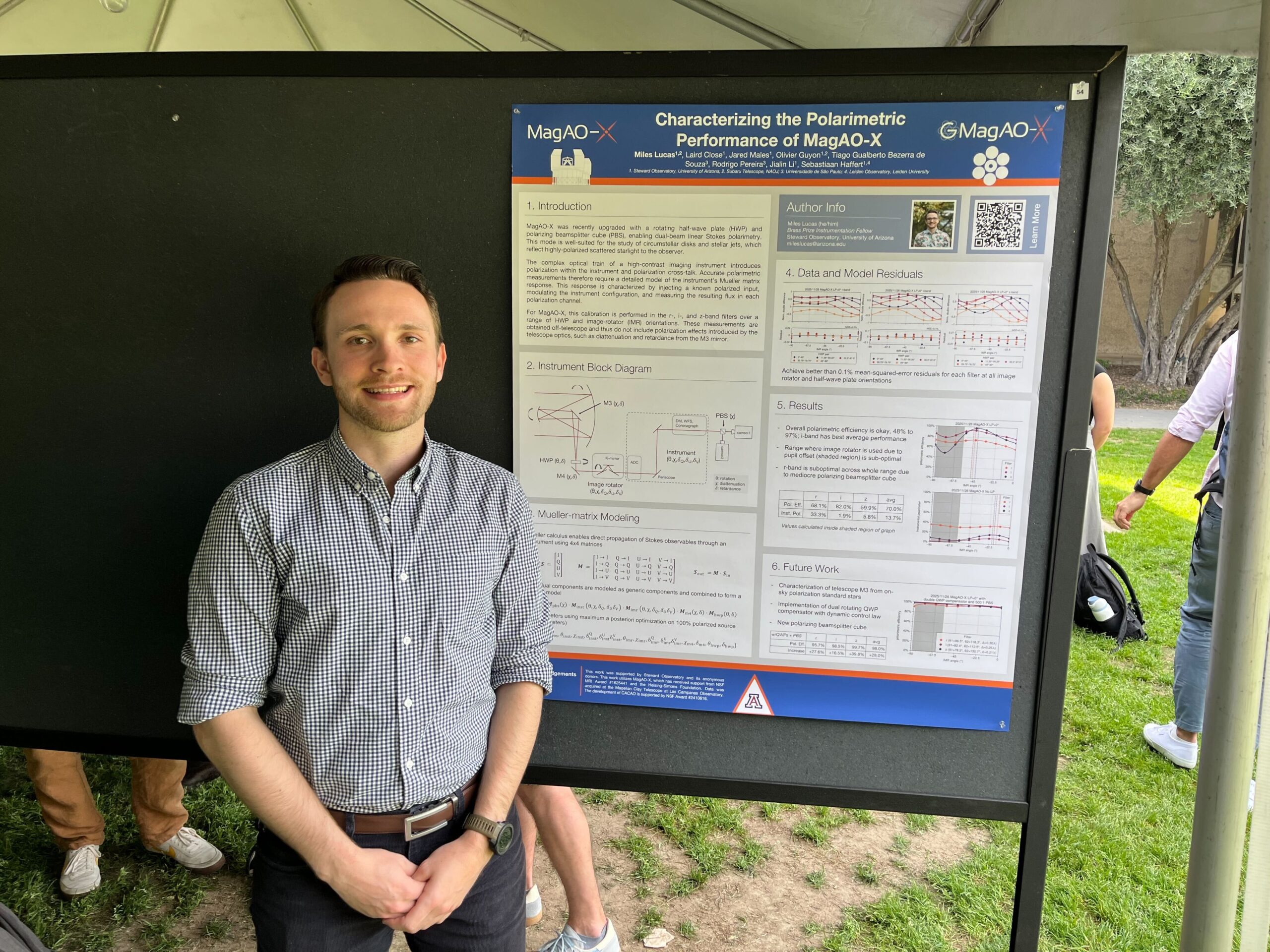
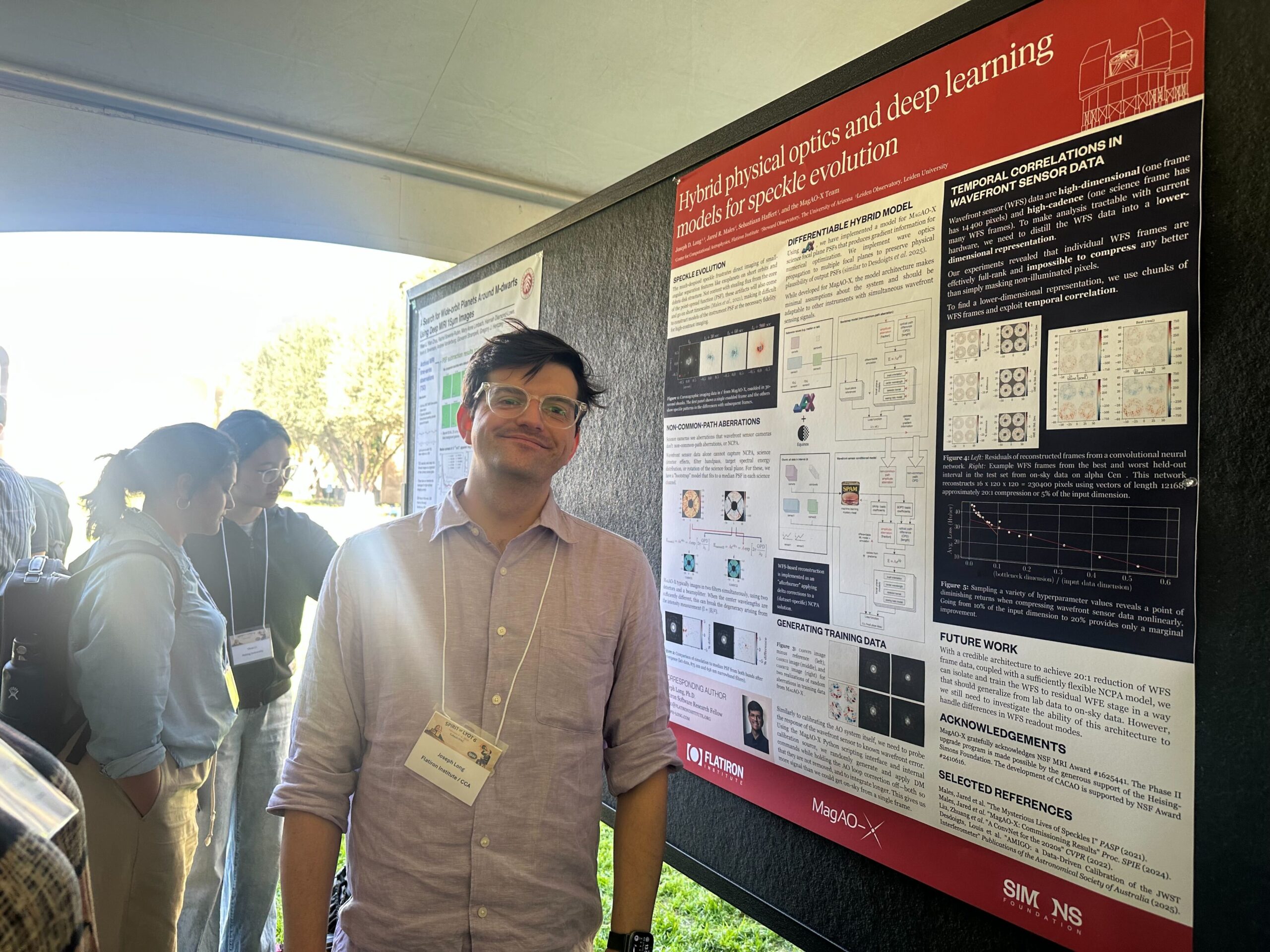
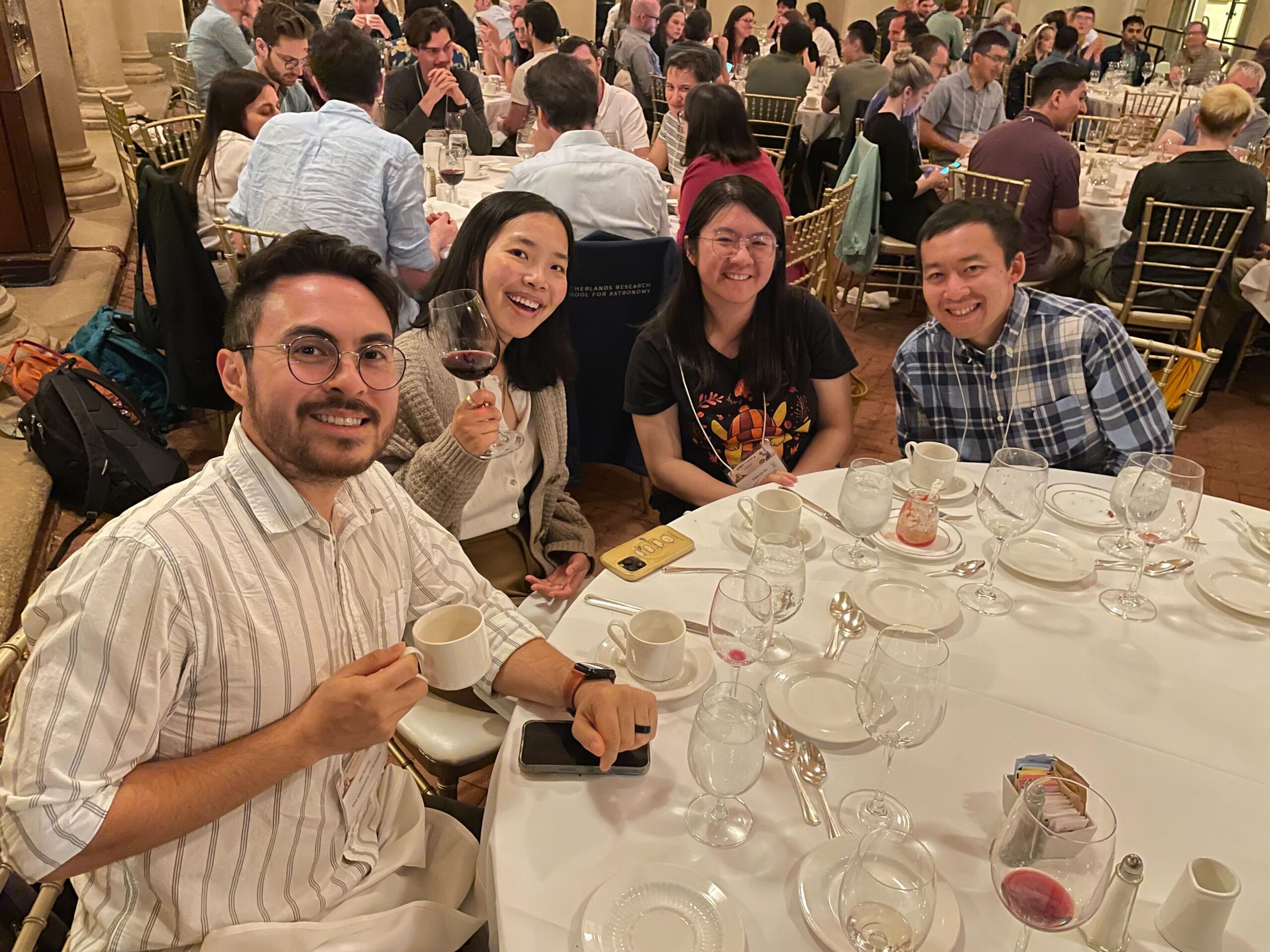
From graduate students to postdocs, Lyot agrees we kept MagAO-X well-represented at both poster sessions throughout the week. In no particular order:

And this isn’t even all of them!

DISAPPROVED: Yassification

“Mais c’est quoi ça??”

-the spirit of Lyot, upon being shown the AI-yassified versions of our poster presentation photos

Out of respect for him (and Hayao Miyazaki), I will not include them here.

APPROVED: Talks on Talks on Talks

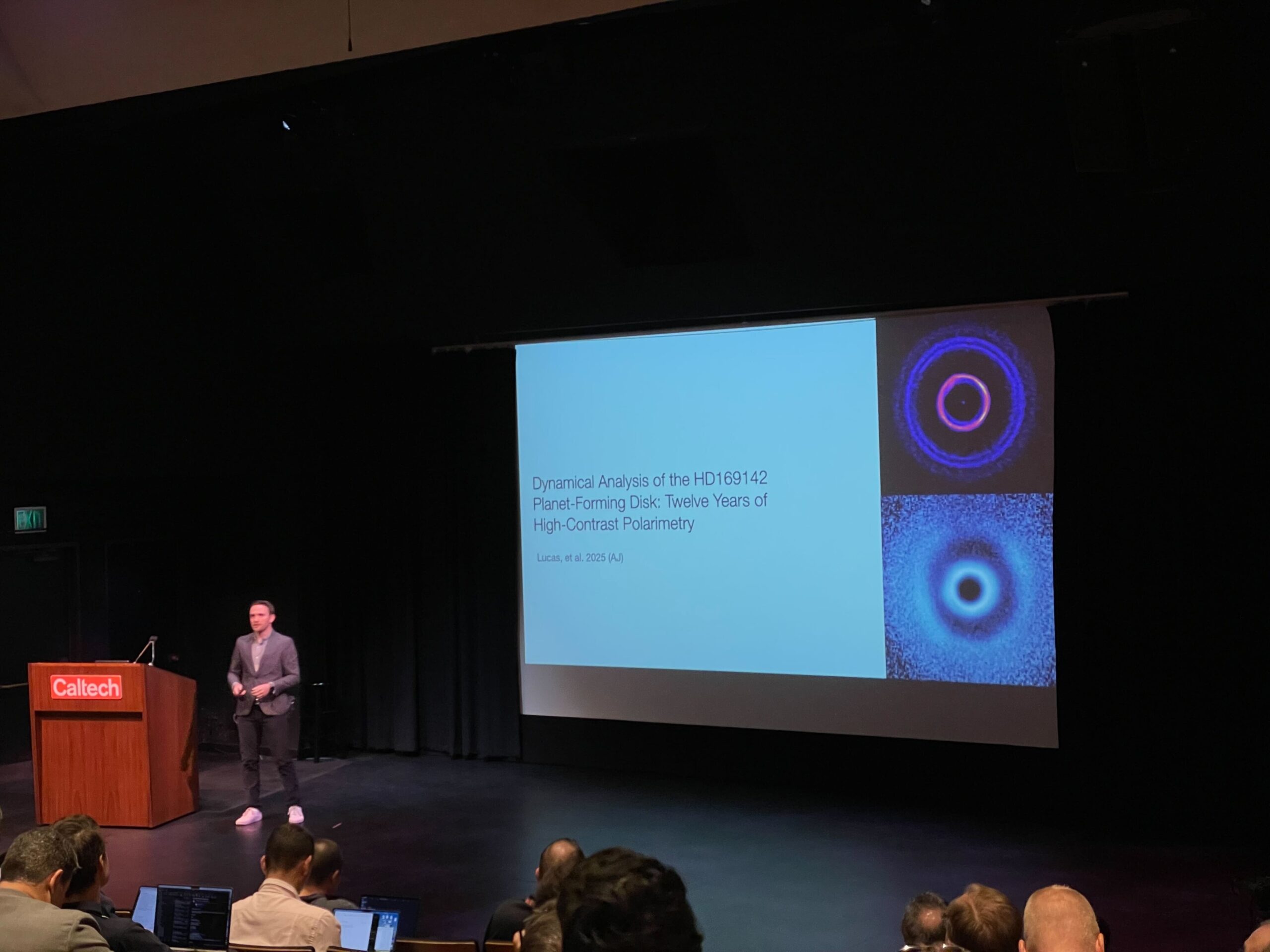
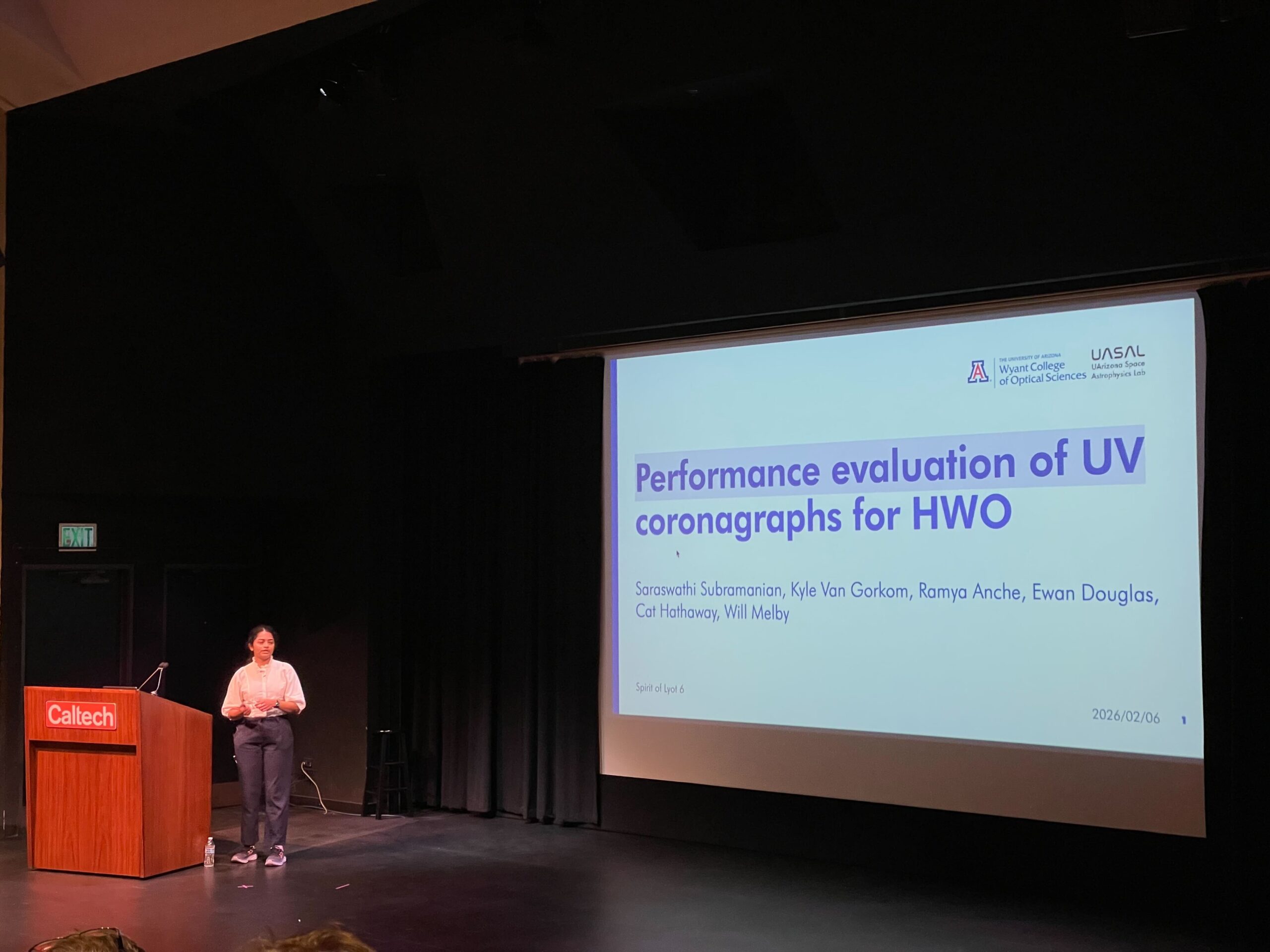
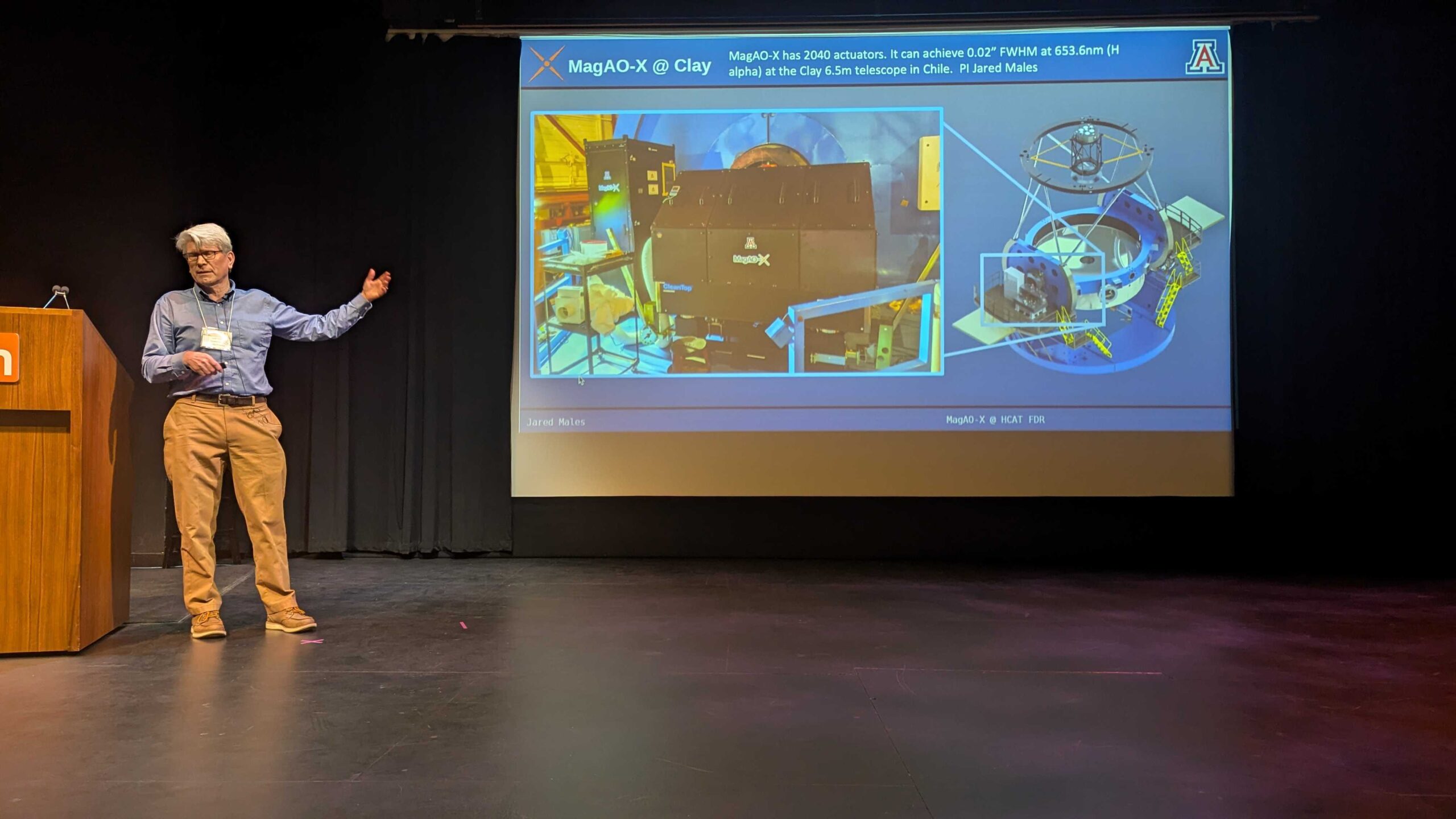
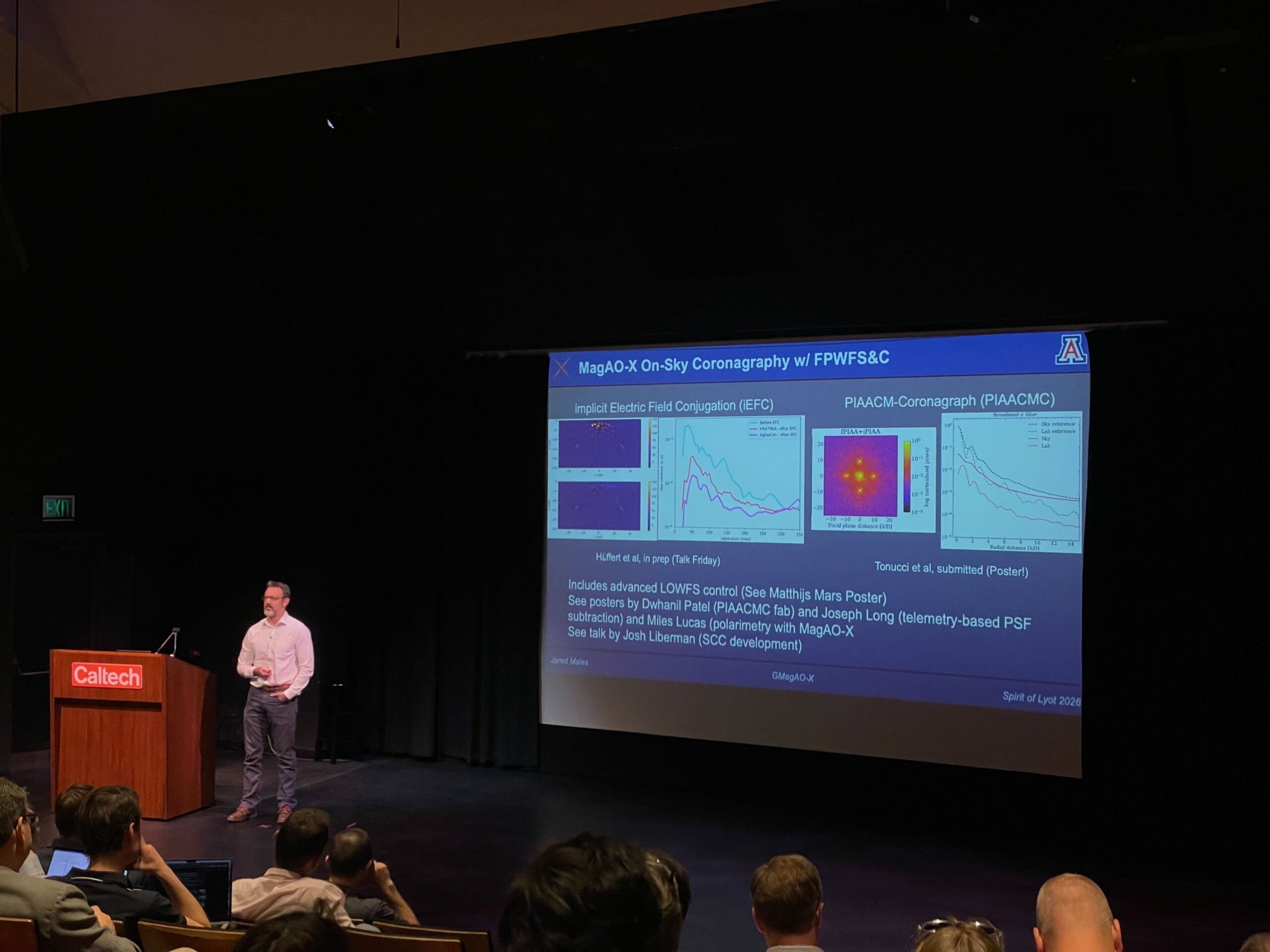
During the instrumentation sessions, we found ourselves well-represented. On Thursday, Jared talked about next-generation HCI with GMagAO-X, Laird got the chance to talk about WISPIT 2b, and Miles did some polarimetry show-and-tell about some disk observations. We also got to hear talks from Rico, Louis, and Adam, members of Sebastiaan’s group in Leiden, and Saraswathi, a postdoc from UASAL.

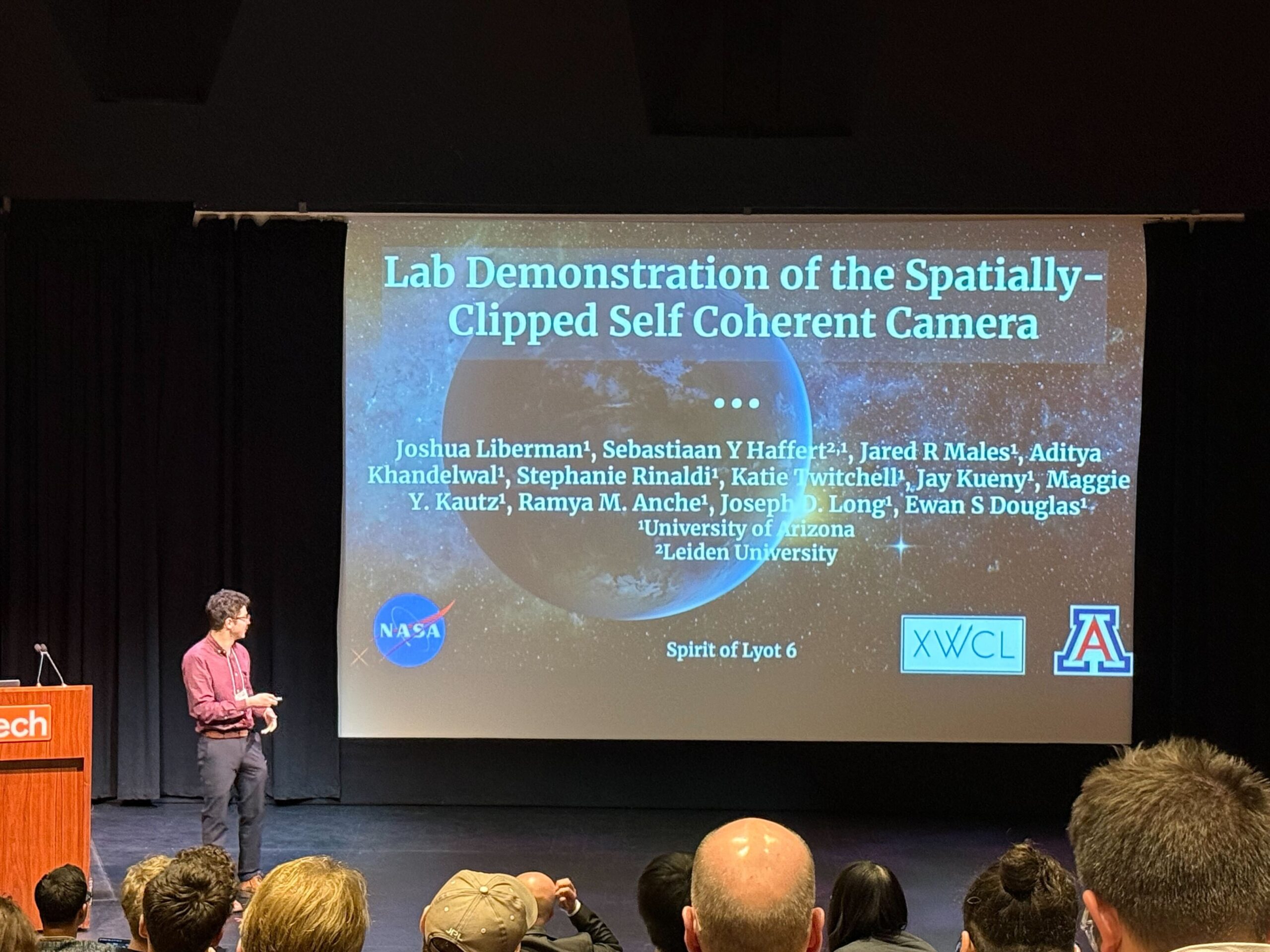
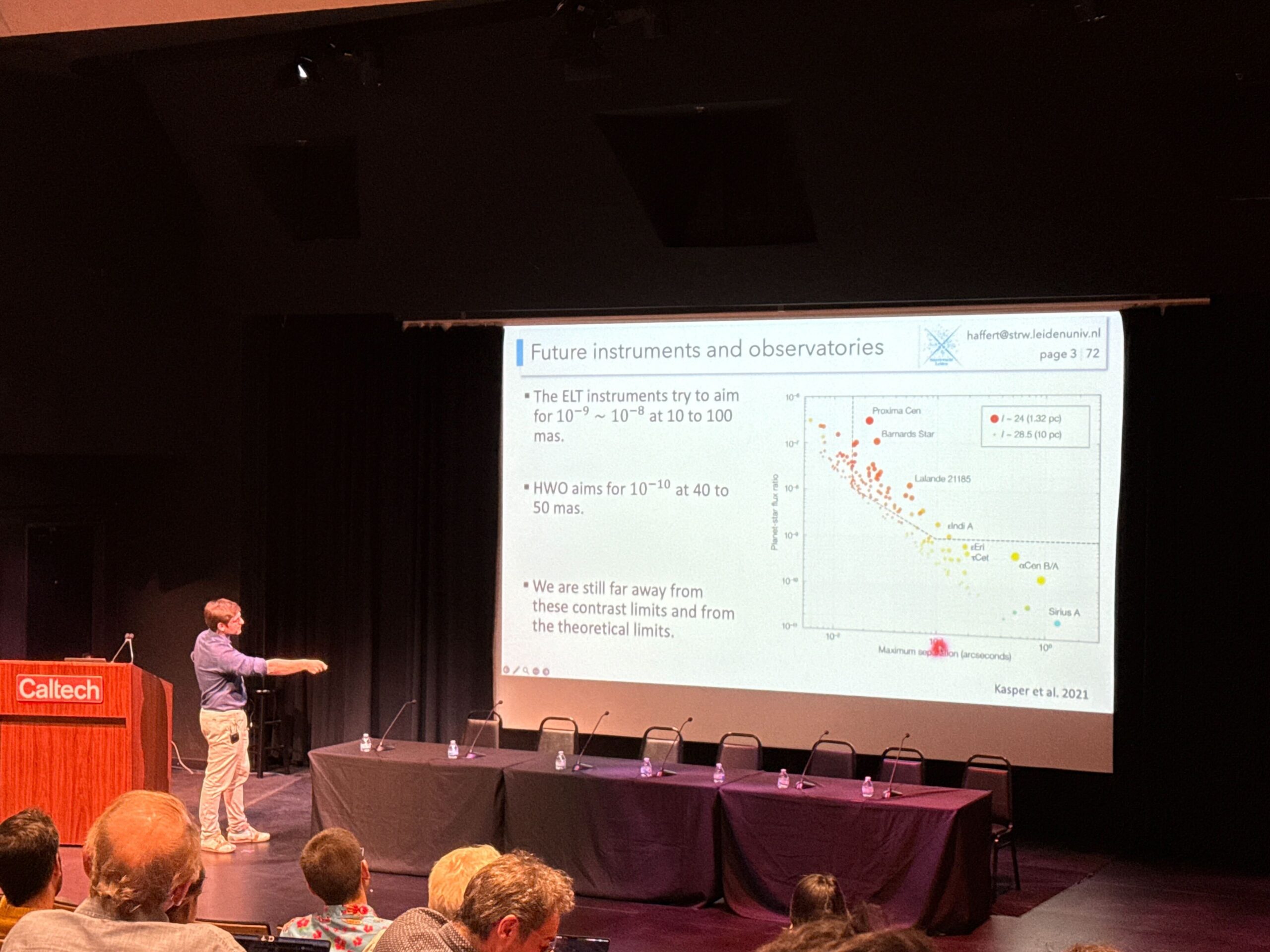
On Friday, Josh told us about the highs and lows of building the Self-Coherent Camera on the CACTI testbed, and Sebastiaan closed out the MagAO-X talks by giving an overview of the many, many emerging technologies in our field.

DISAPPROVED: Upside-down Glasses

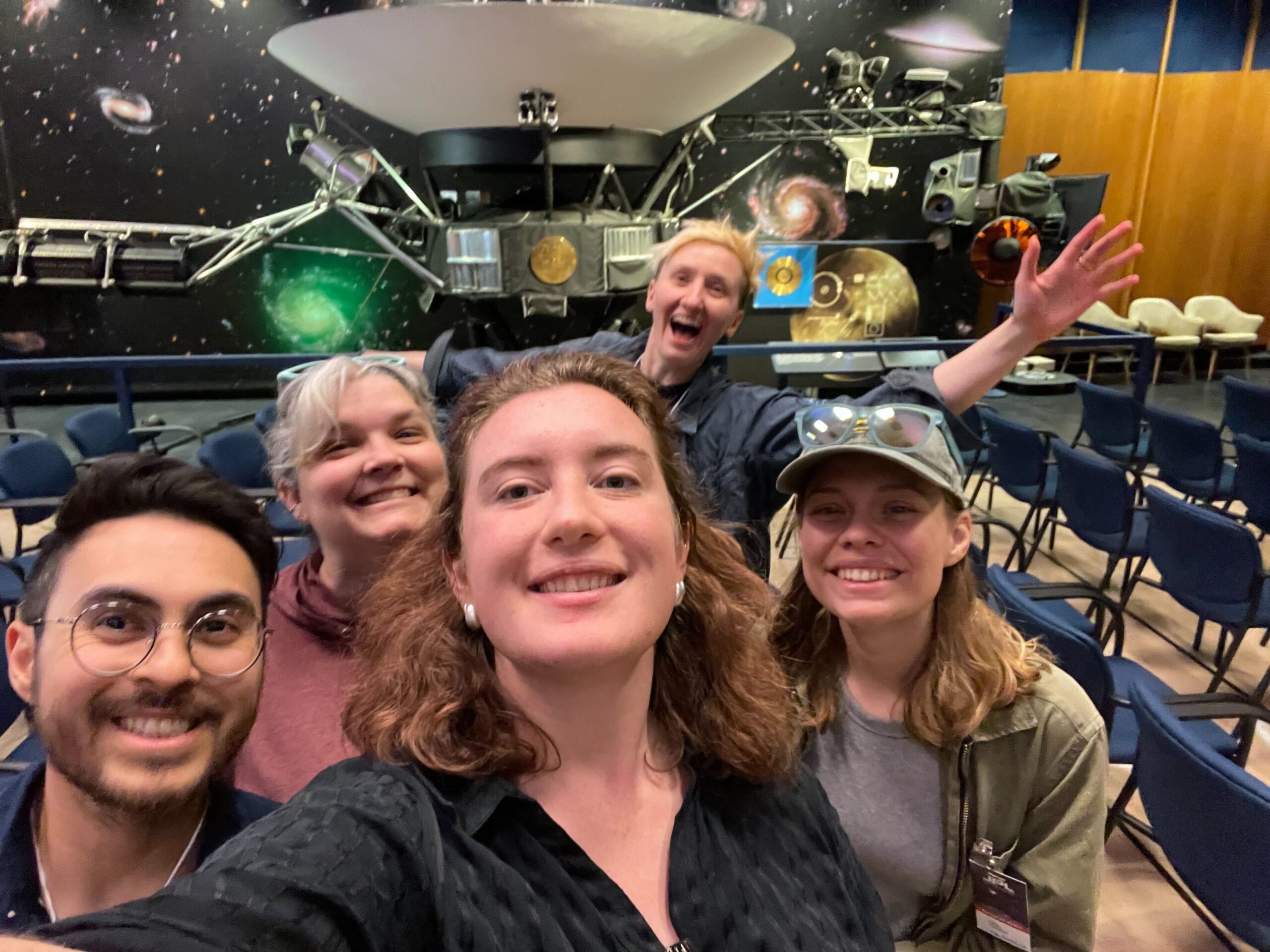
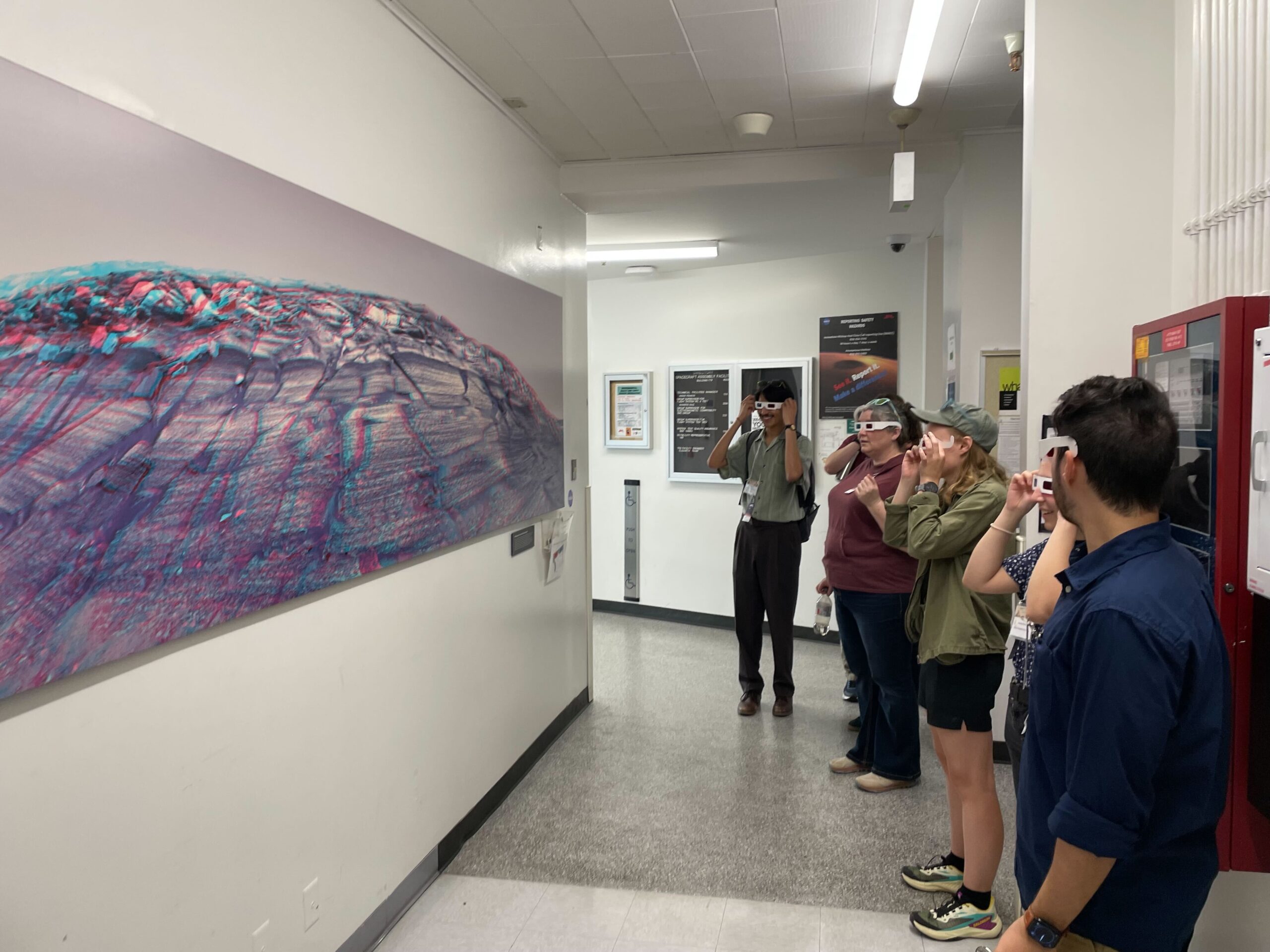
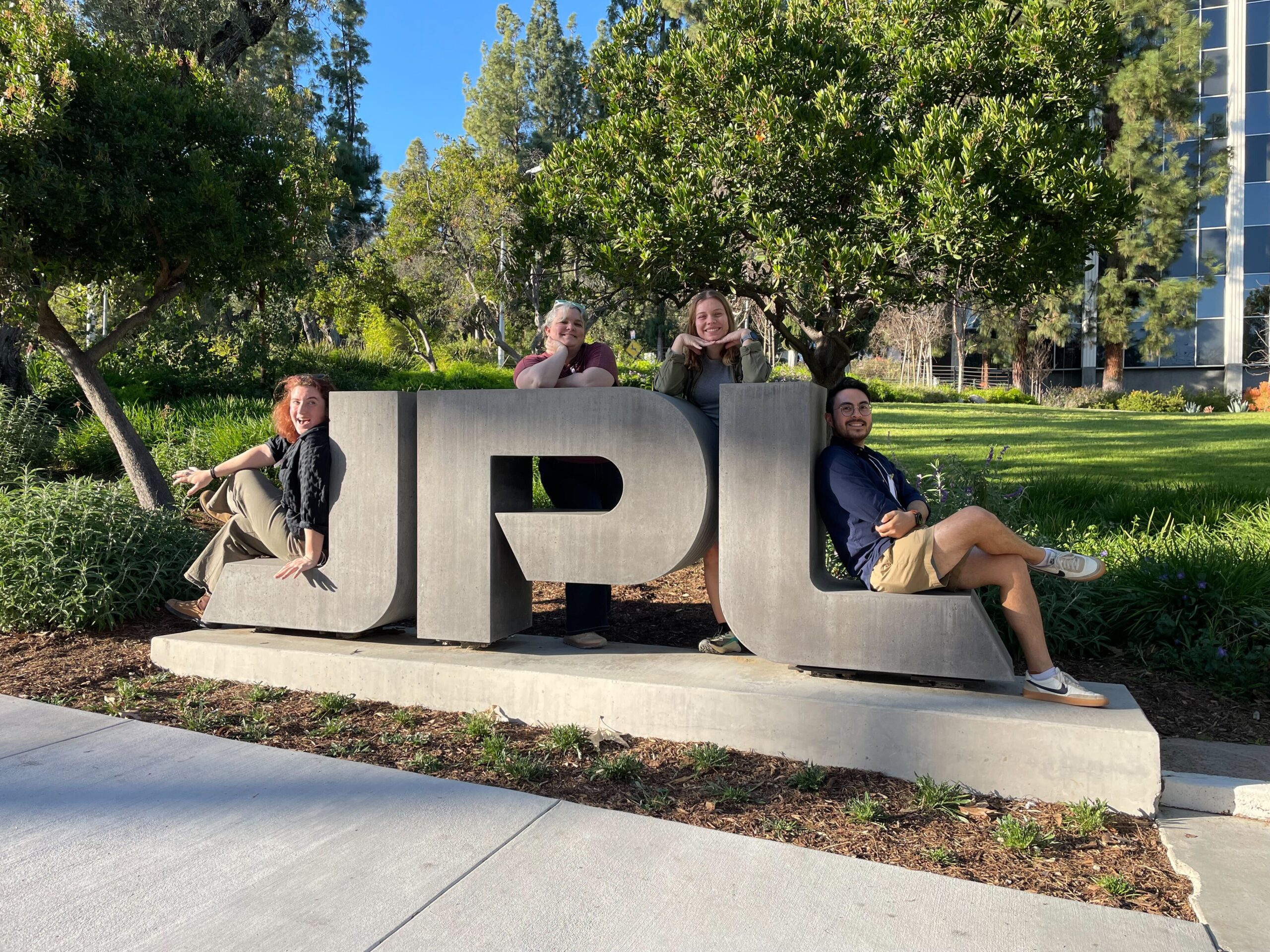
A couple of us took the chance to tour NASA JPL, which got a seal of approval from both the four of us and the Spirit of Lyot. However, he (rightfully) poked fun at the picture of my failure to understand how 3D glasses work.

APPROVED: Family Dinner

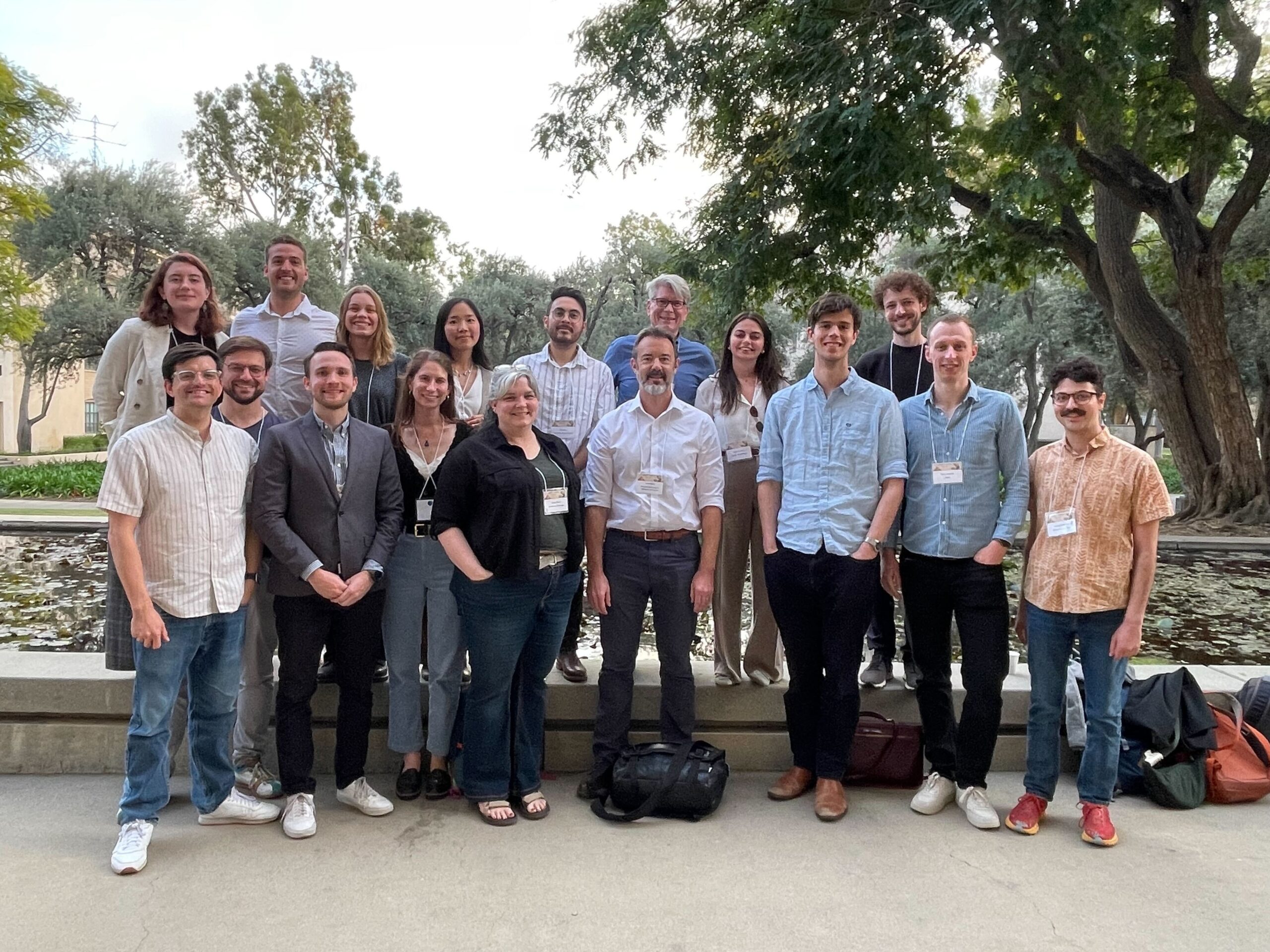
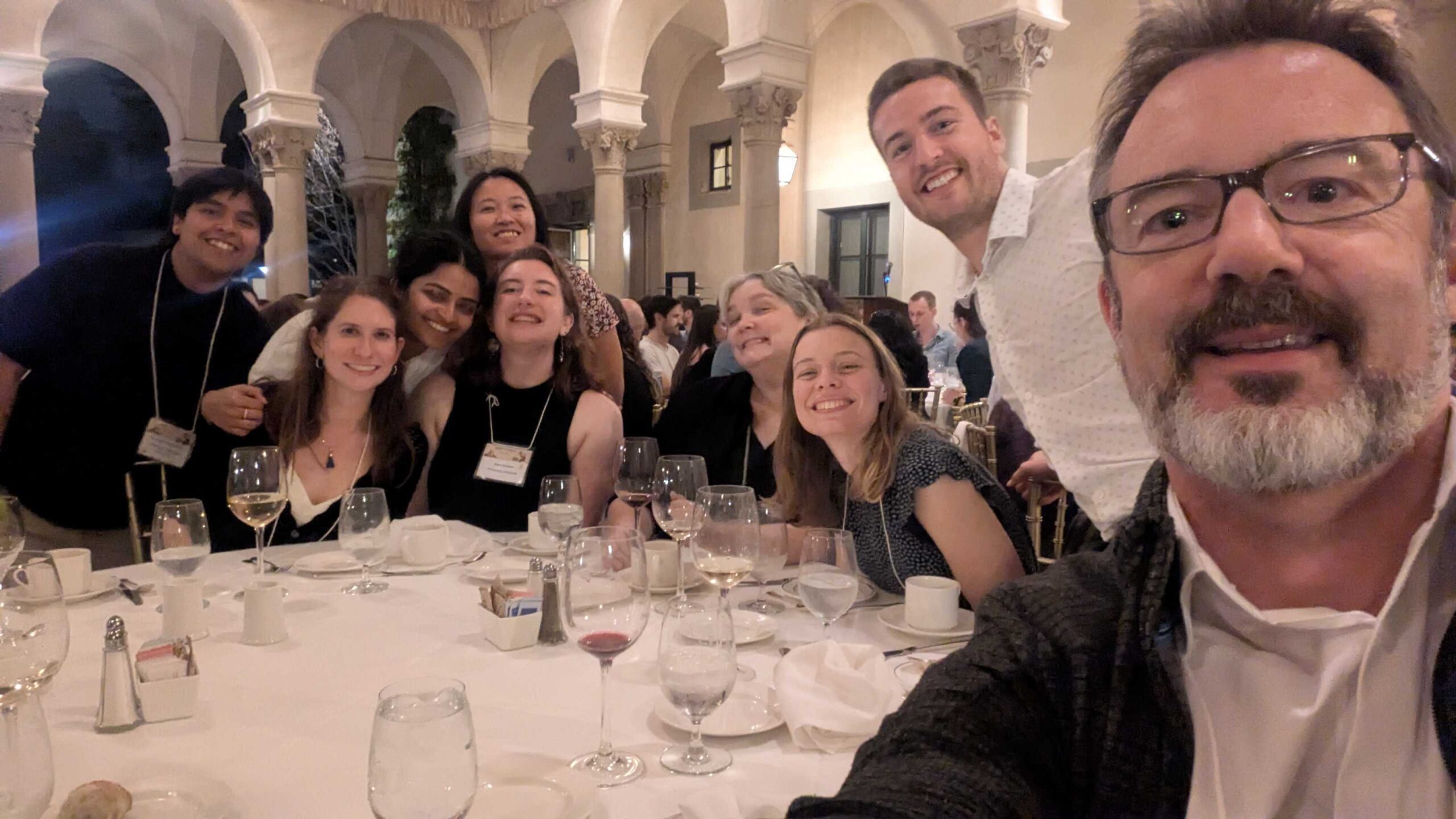
The conference dinner was held at Caltech’s Athenaeum. Not everyone could make it (places to be, e.g. Target), so we made sure to get a family photo beforehand.

DISAPPROVED: Etiquette Ignorance

I have no visual to illustrate this, but let’s just say Parker and I exchanged a very panicked glance when we saw the number of utensils we were expected to use at this dinner. Luckily we had a couple of former Navy Nukes to teach us the difference between a salad fork and a regular one.

APPROVED: Astro-tourism

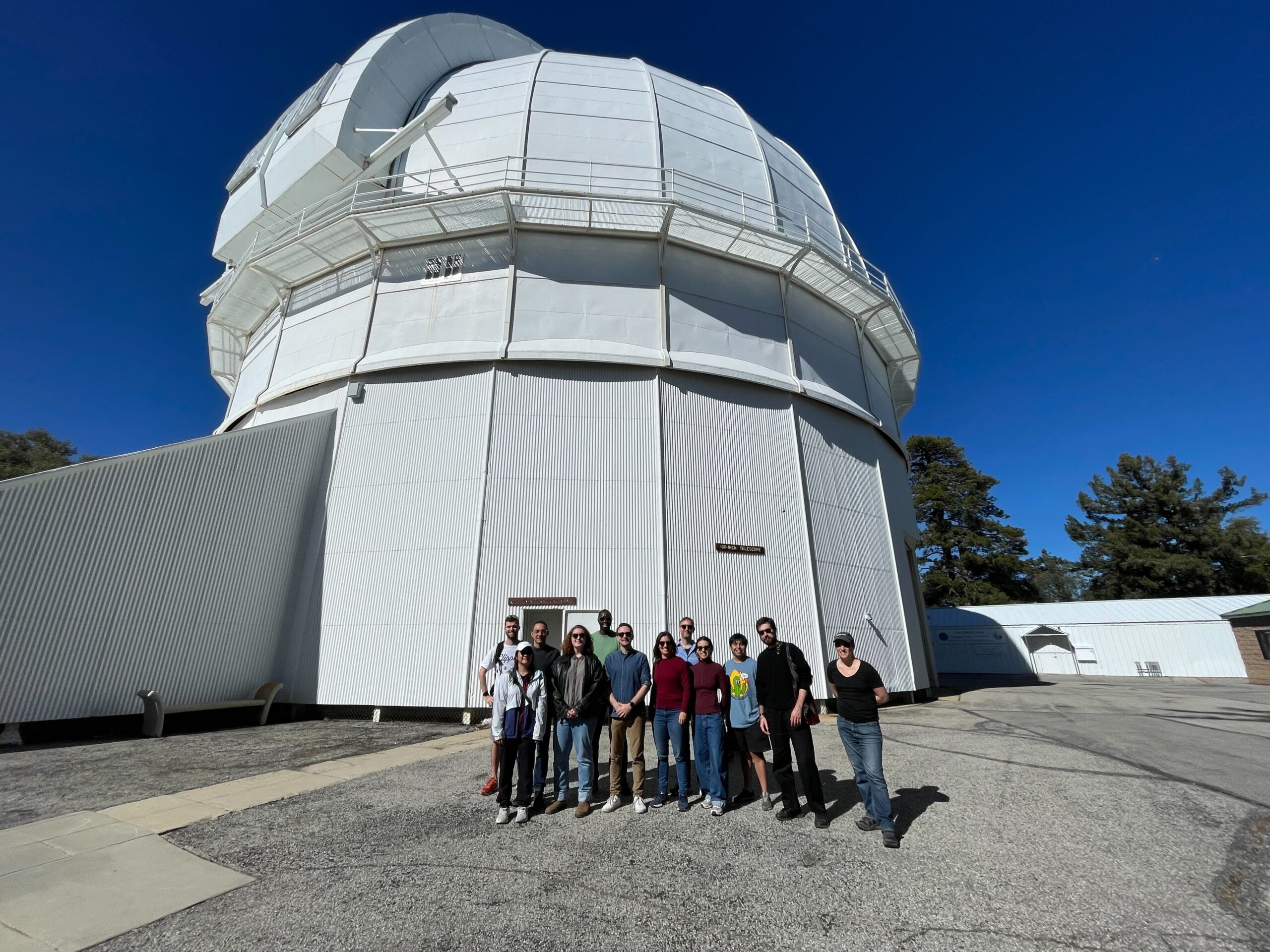
If you believe his Wikipedia page, Lyot was also an avid mountaineer and even trekked to the Pic du Midi observatory when it was only accessible by cross-country ski. Naturally, his spirit approved of the group that stayed a little bit longer to make the journey up Mount Wilson.

c = 3×10^8 m/s

DISAPPROVED: A Seat-cushion Mishap

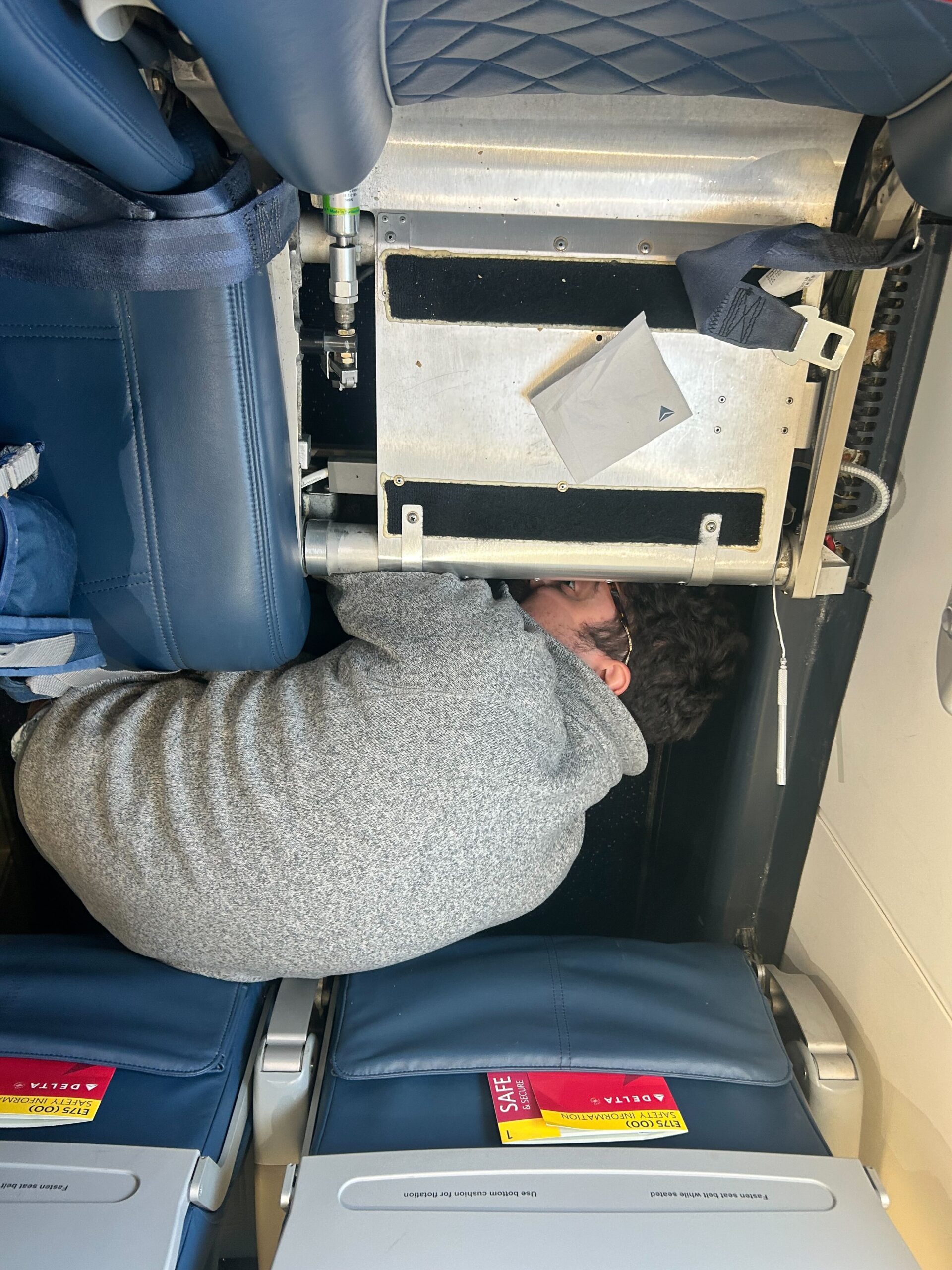
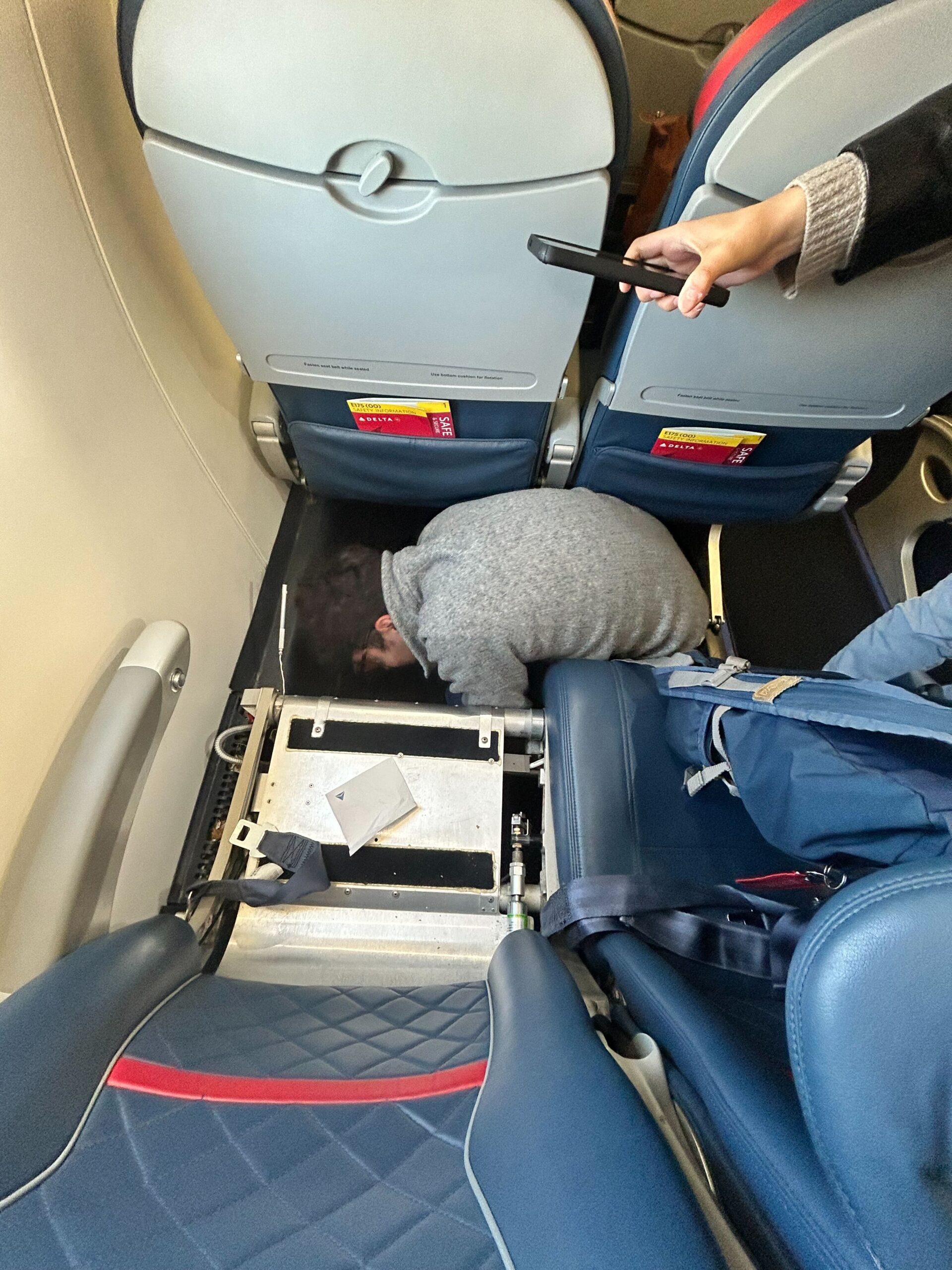
Ever wondered why, during the standard aircraft safety briefing, they tell you to ask for assistance if you lose an electronic device in your seat? Well, I no longer wonder that. Let’s just say the pilot himself came out to help at one point. The important part is that Josh and his earbud were reunited, safe and sound.

APPROVED: Song of the Day

In the spirit of Lyot: a French song that talks about both the Sun and finding something that exists, but was hiding:

Solarium – Radio Elvis