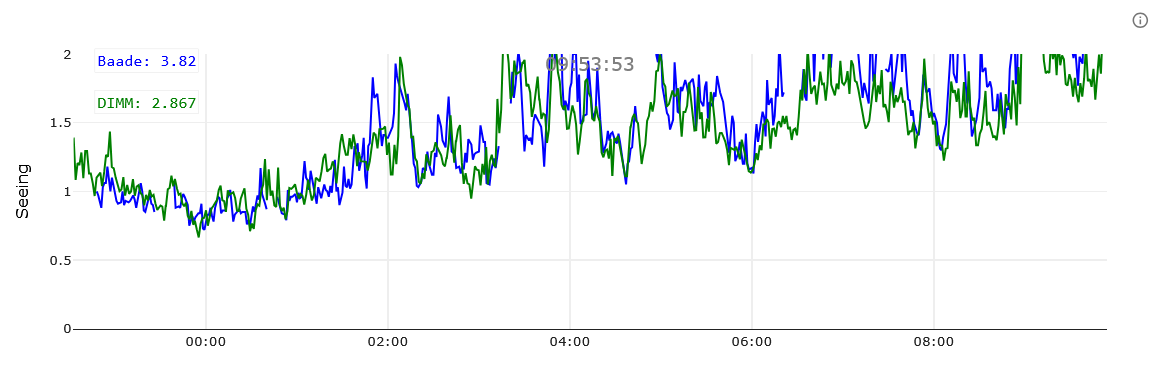
In this blog, we celebrate observing in good conditions! The astronomical seeing at Las Campanas was ~0.5″ or better for the whole night!
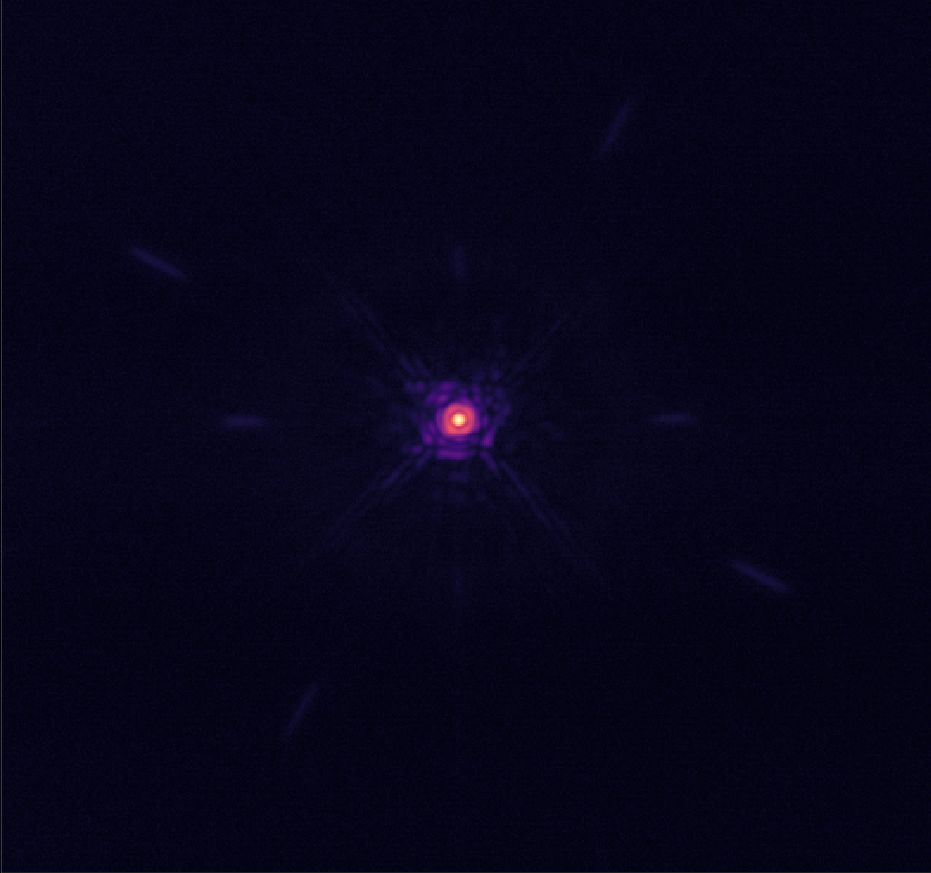
I-band 135-second equivalent coadded frame.
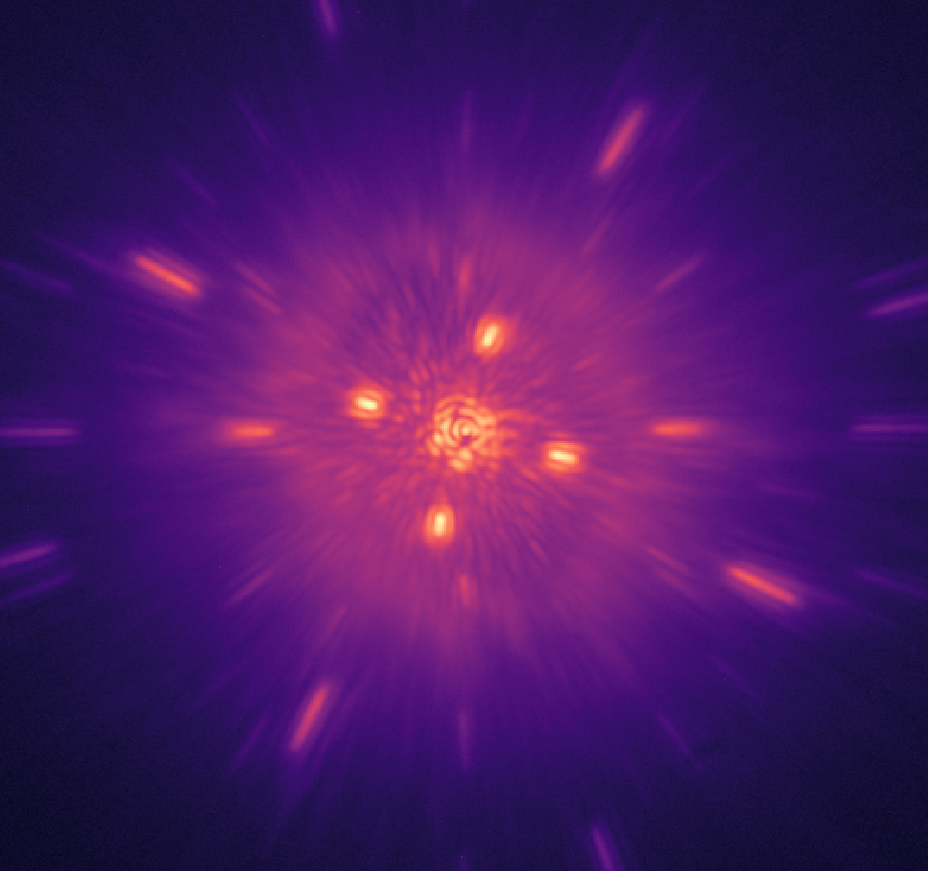
Using this time, I managed to get a very nice sequence of coronagraphic data on a circumstellar disk with the polarimeter.
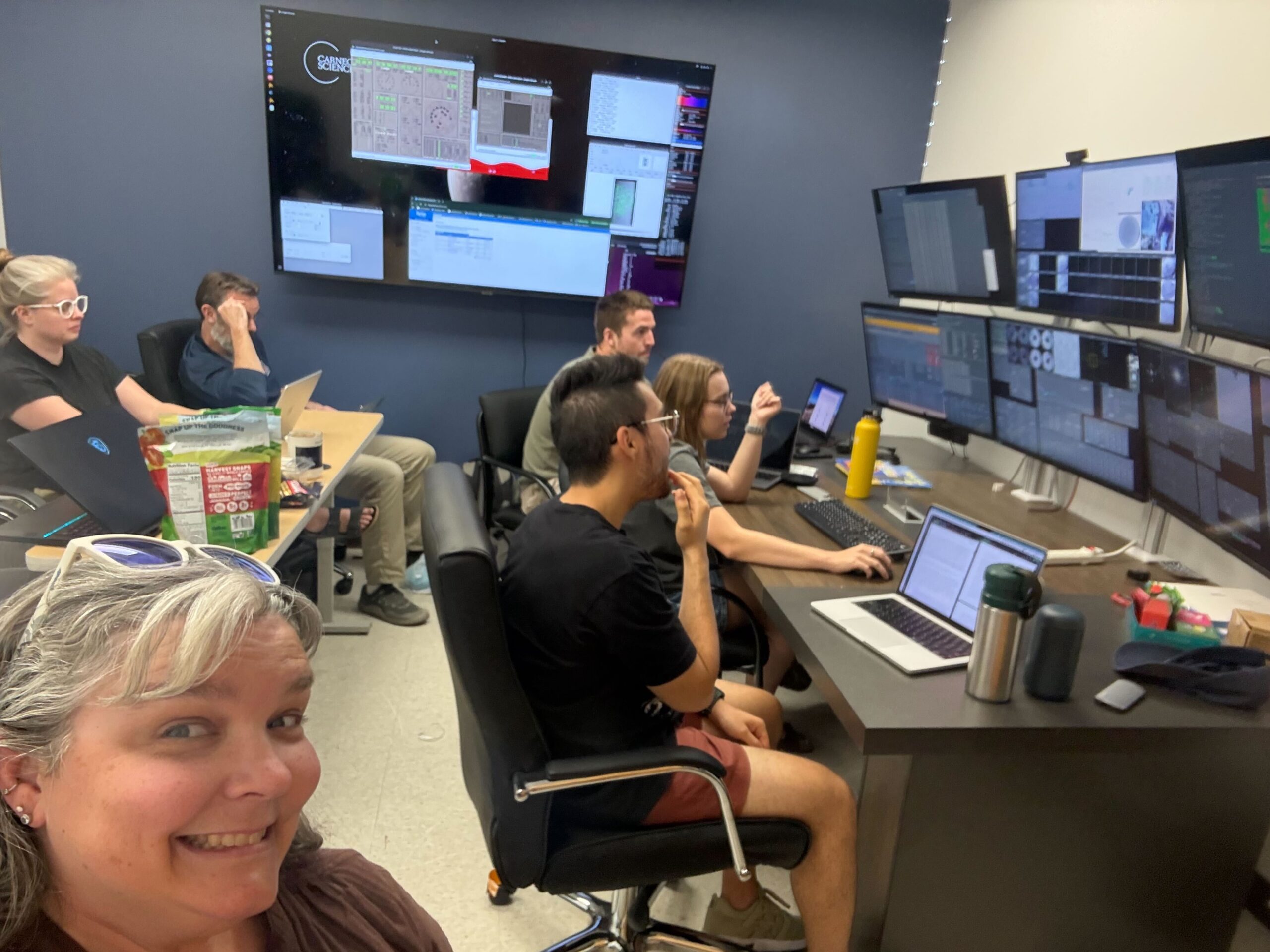
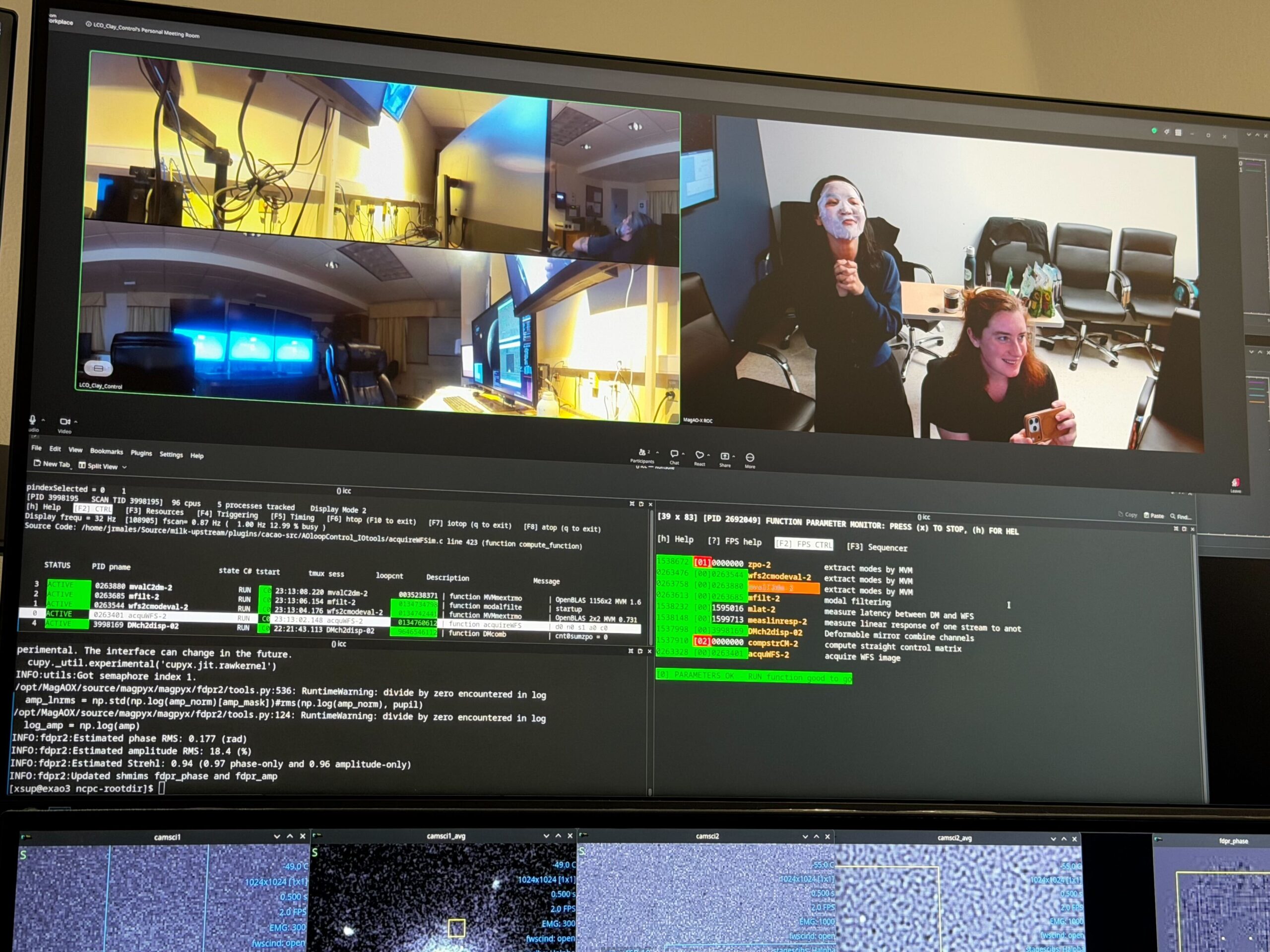
Can you see the disk?The squad operating for me while I observed from Taiwan.
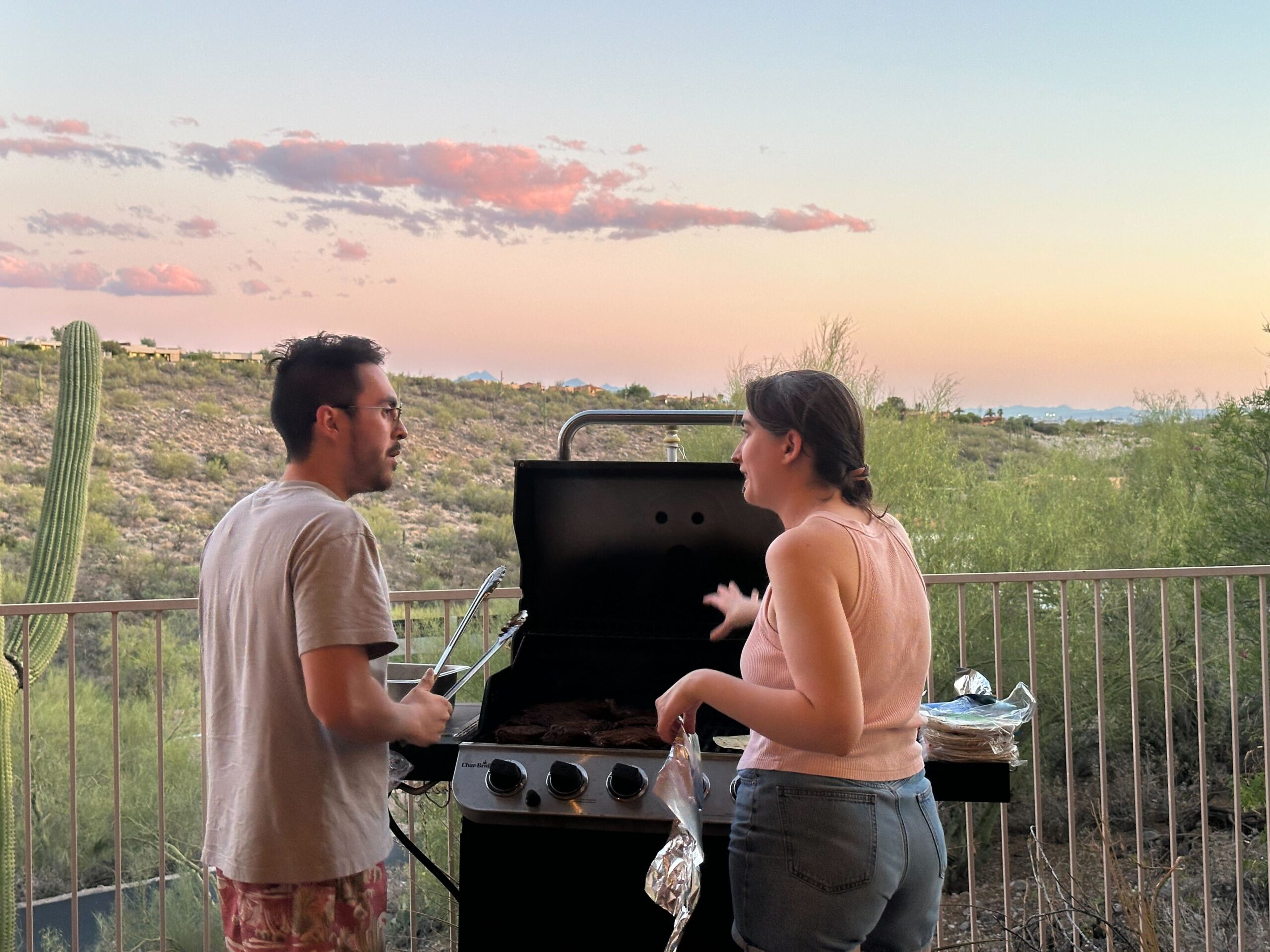
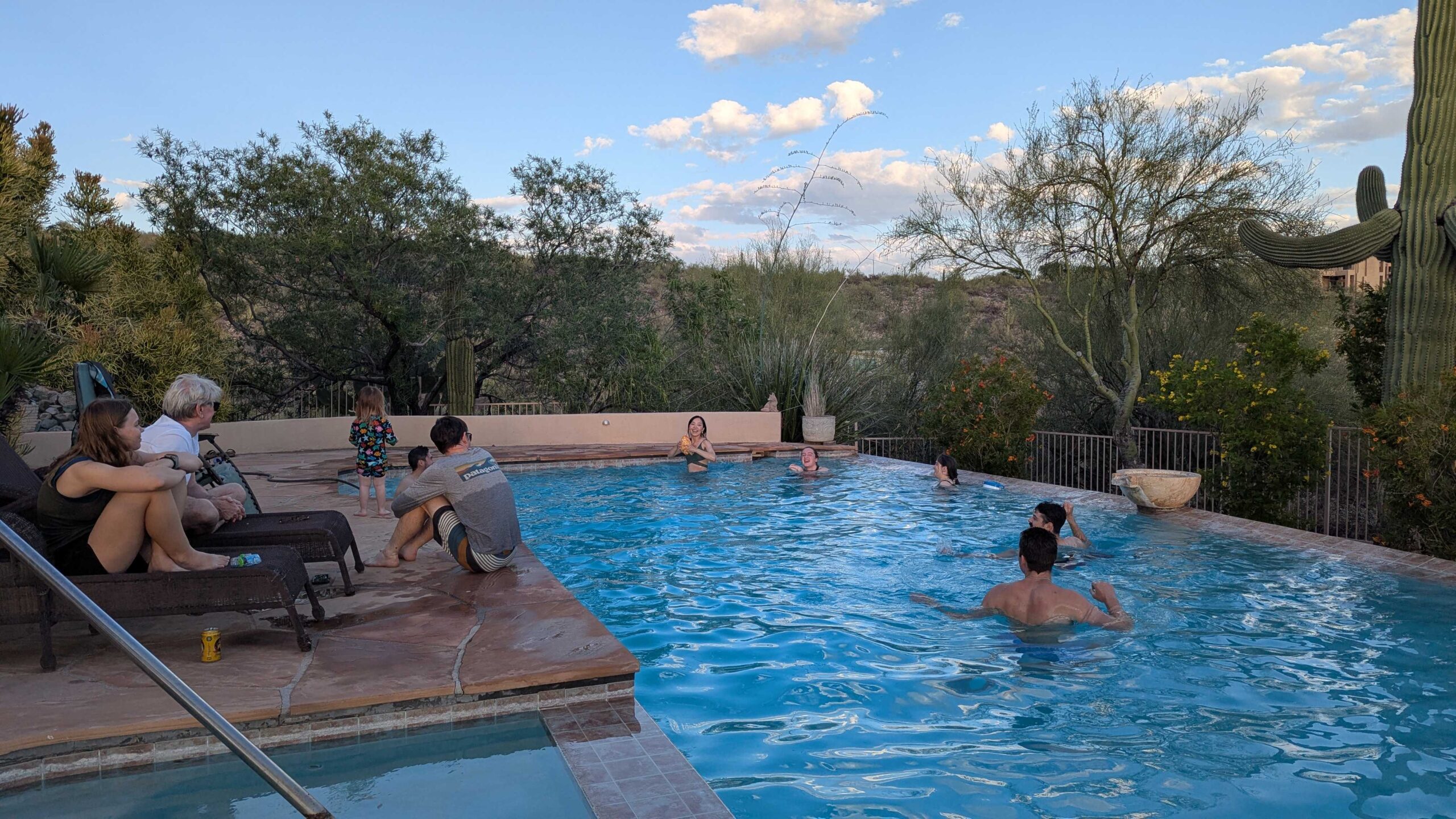
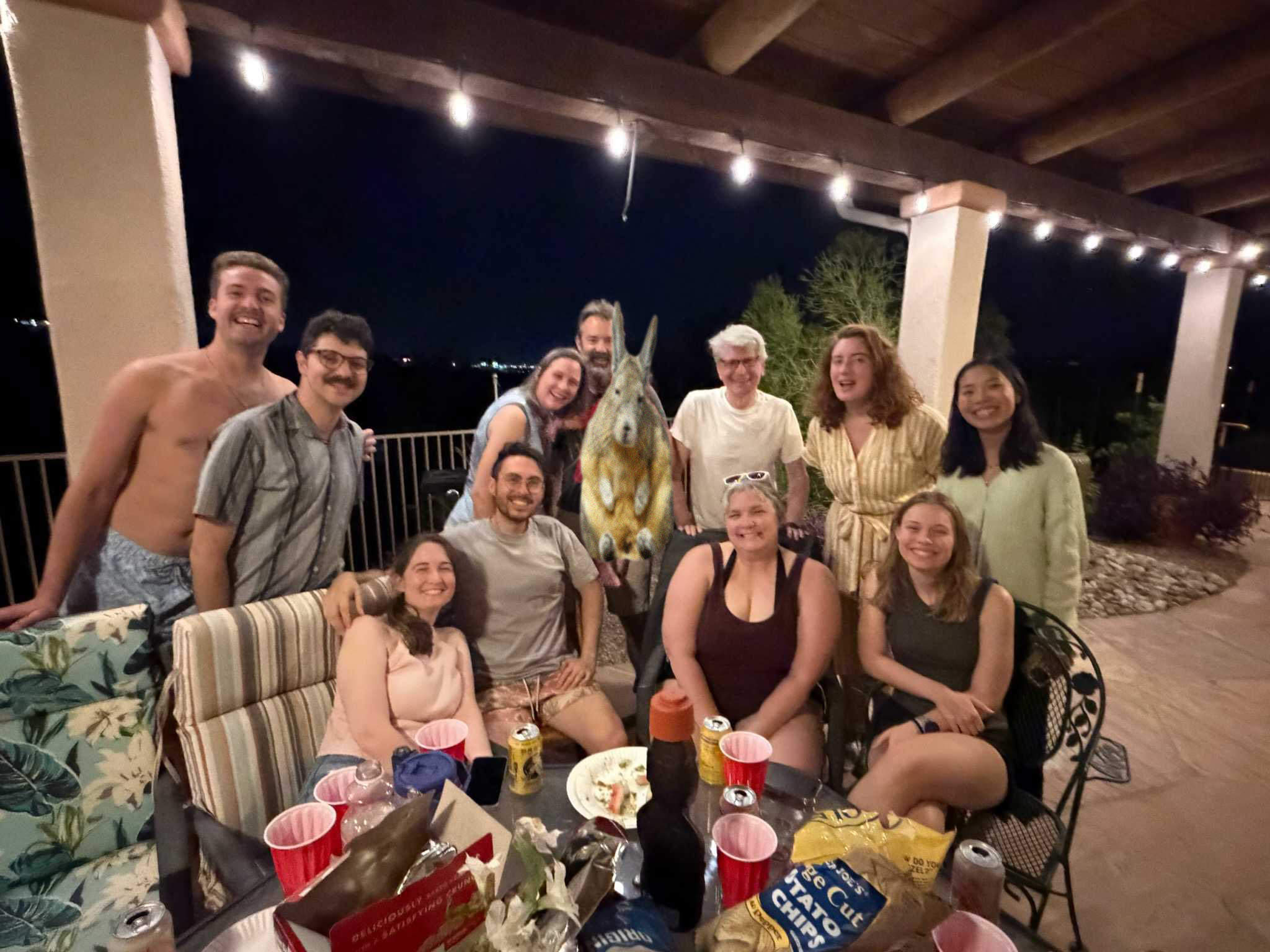
The crew celebrated such a good night of observing with a pool party!
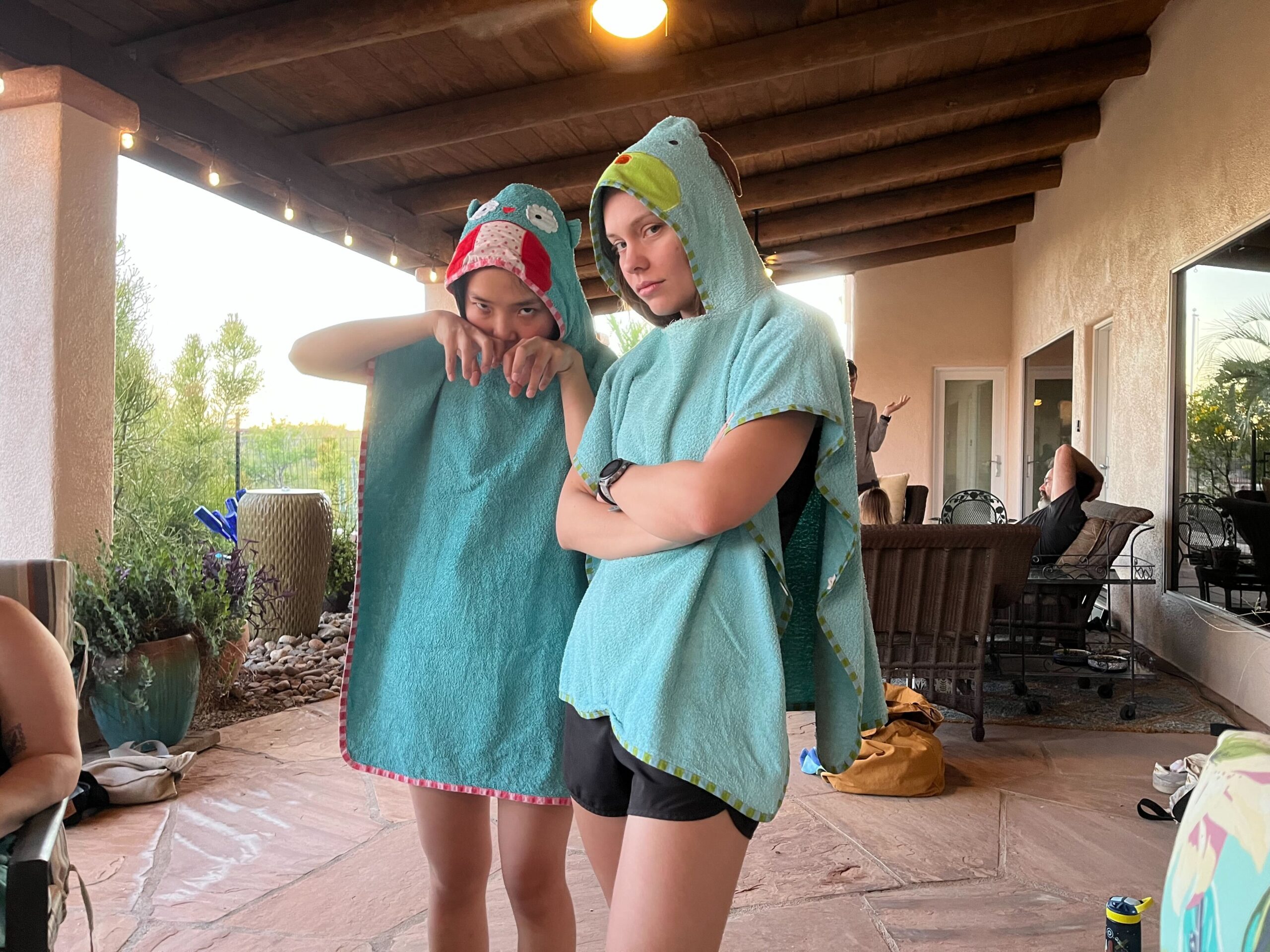
GrillmastersProof of PoolBeware of monsters
Color of the Day
As Logan is off to the Grand Canyon for her summer residency, I decided to pick a color reminiscent of the stratified canyon walls at sunset–if you’re in Northern Arizona this summer, be sure to stop by to say hi to her!
Song of the day
And a song (err, playlist) to match
August 10 – Khruangbin; Esperanza – Hermanos Gutierrez
You’ve tuned into a Laird Close takeover night! That’s right folks, only Laird, all night night long. If you know one thing about Laird, it’s that he’s our #1 H-alpha fan. Which is valid if you designed a whole instrument to make it happen.
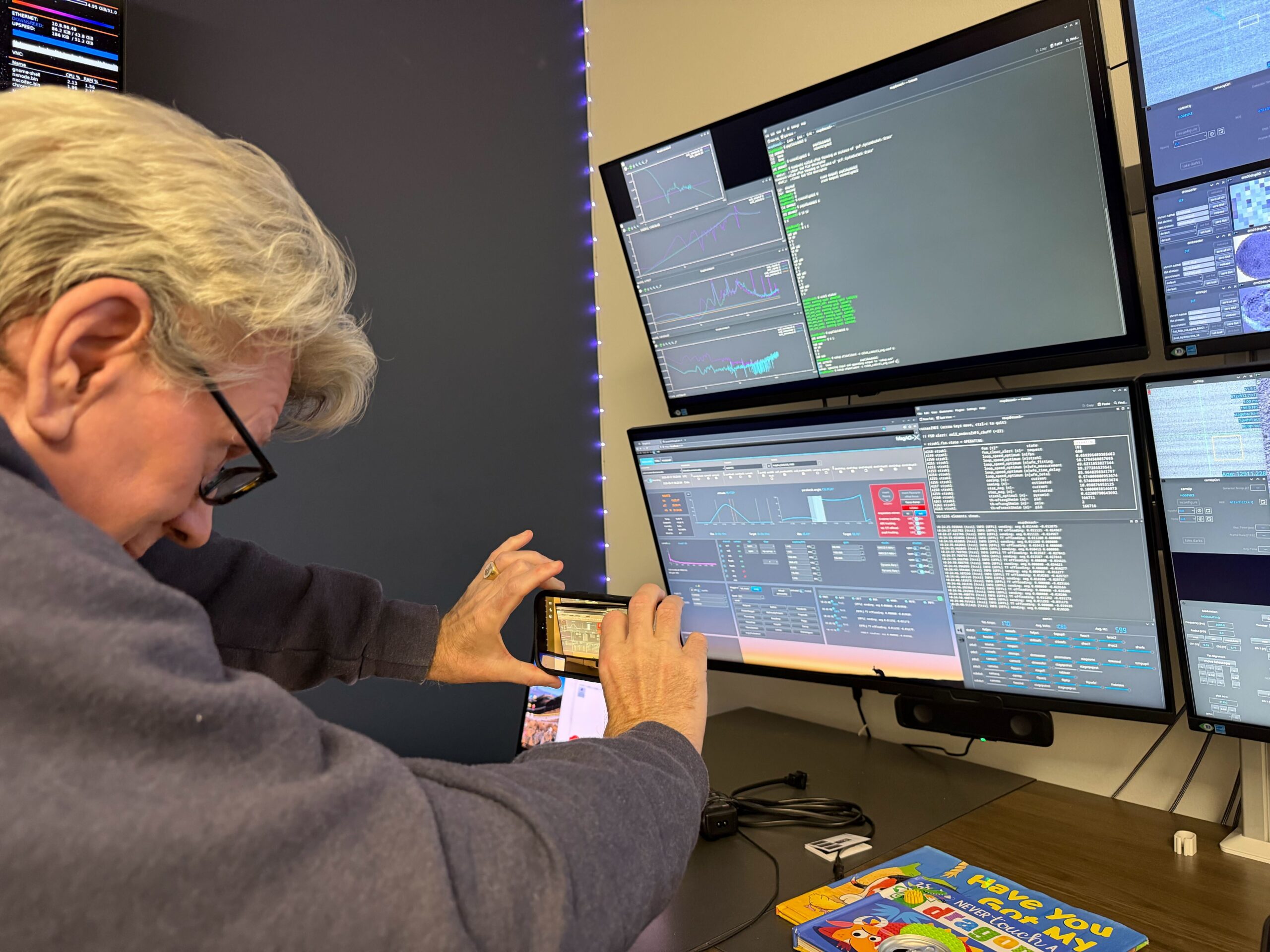
The Laird-approved documentation method.
Things went smoothly, happy skies and clean PSFs. So smoothly, in fact, we had to bring some of our own entertainment. It’s a real BYO affair in the control room these days.
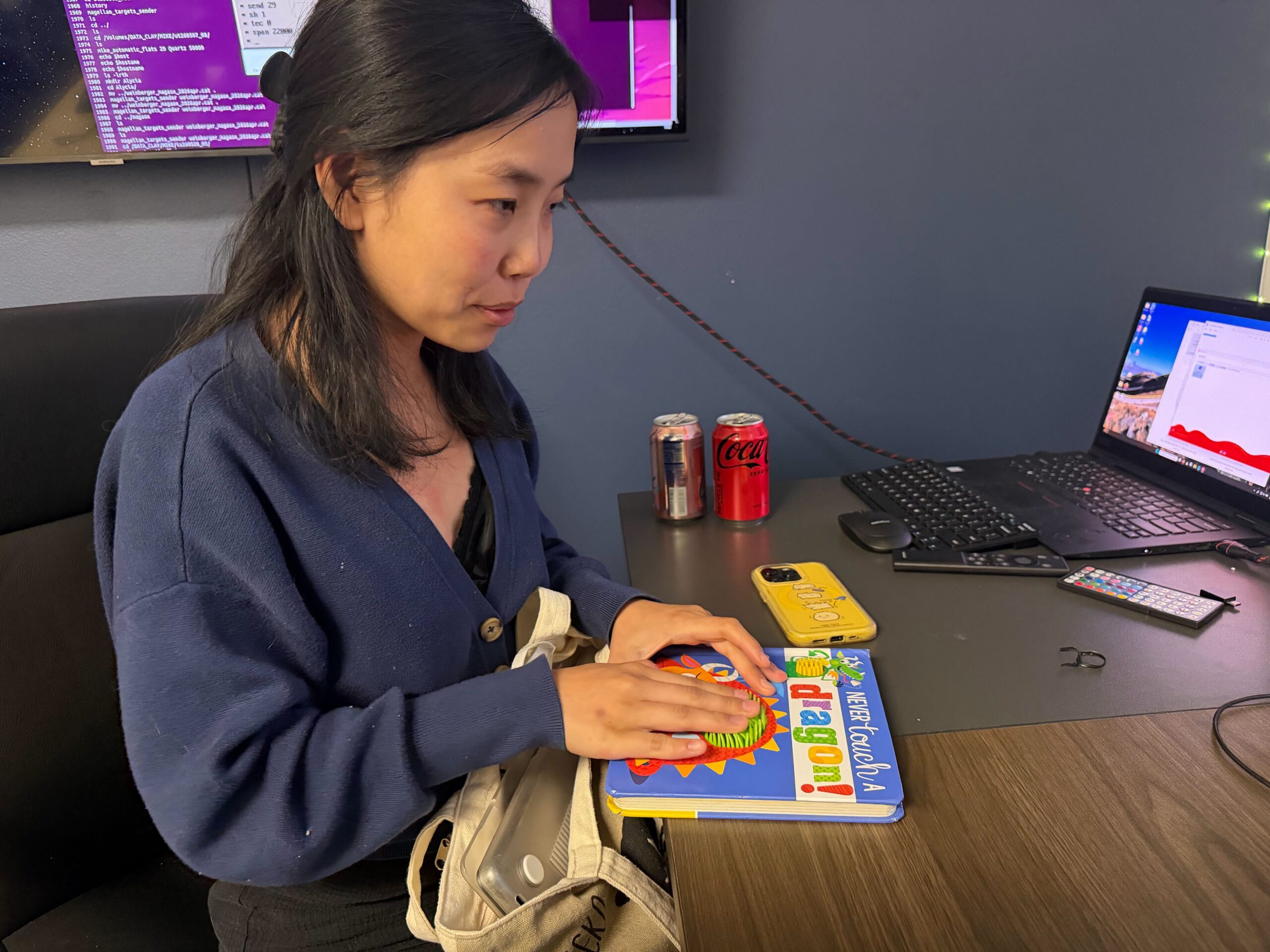
A textured read. Coronagraph Mask? Nah.
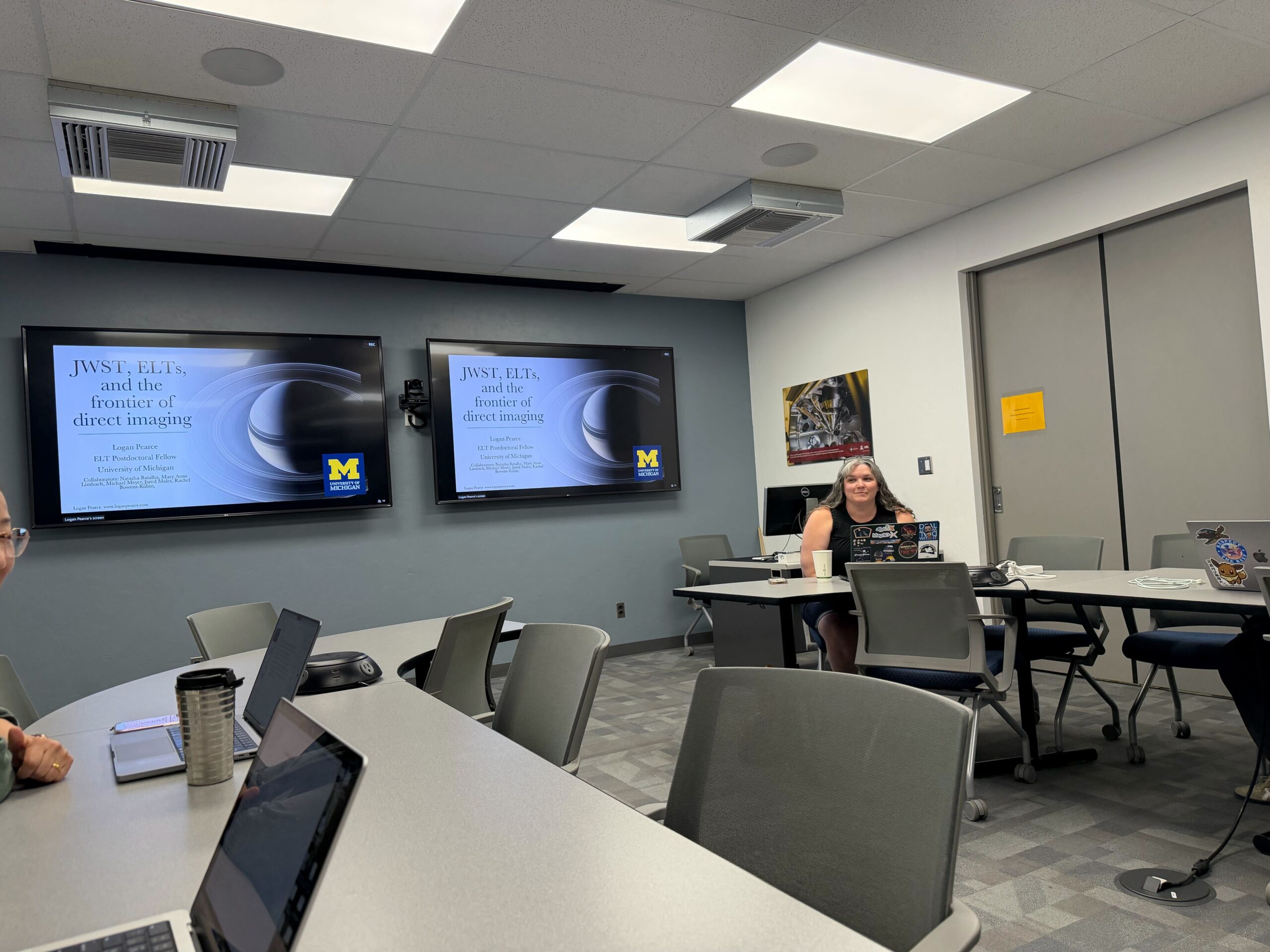
Also today, if you disrespect your sleep schedule enough, you made it to Logan’s origin’s seminar talk! She’s doing some cool things with future high contrast imaging and with JWST right now.
After a short break of three whole days, it’s time for another MagAO-X night. Within these 3 days, we have welcomed 2 special guests back to Tucson: our MagAO-X alumni Logan Pearce and Lauren Schatz. They have joined in on our weekly Friday group meetings and the happy hour pizza slice. While Logan is preparing for her talk on Monday, Lauren joined us in the control room tonight to pick up where she’s left off last time in April: GEO observations with MagAO-X.
Yay Logan and Lauren!!!!
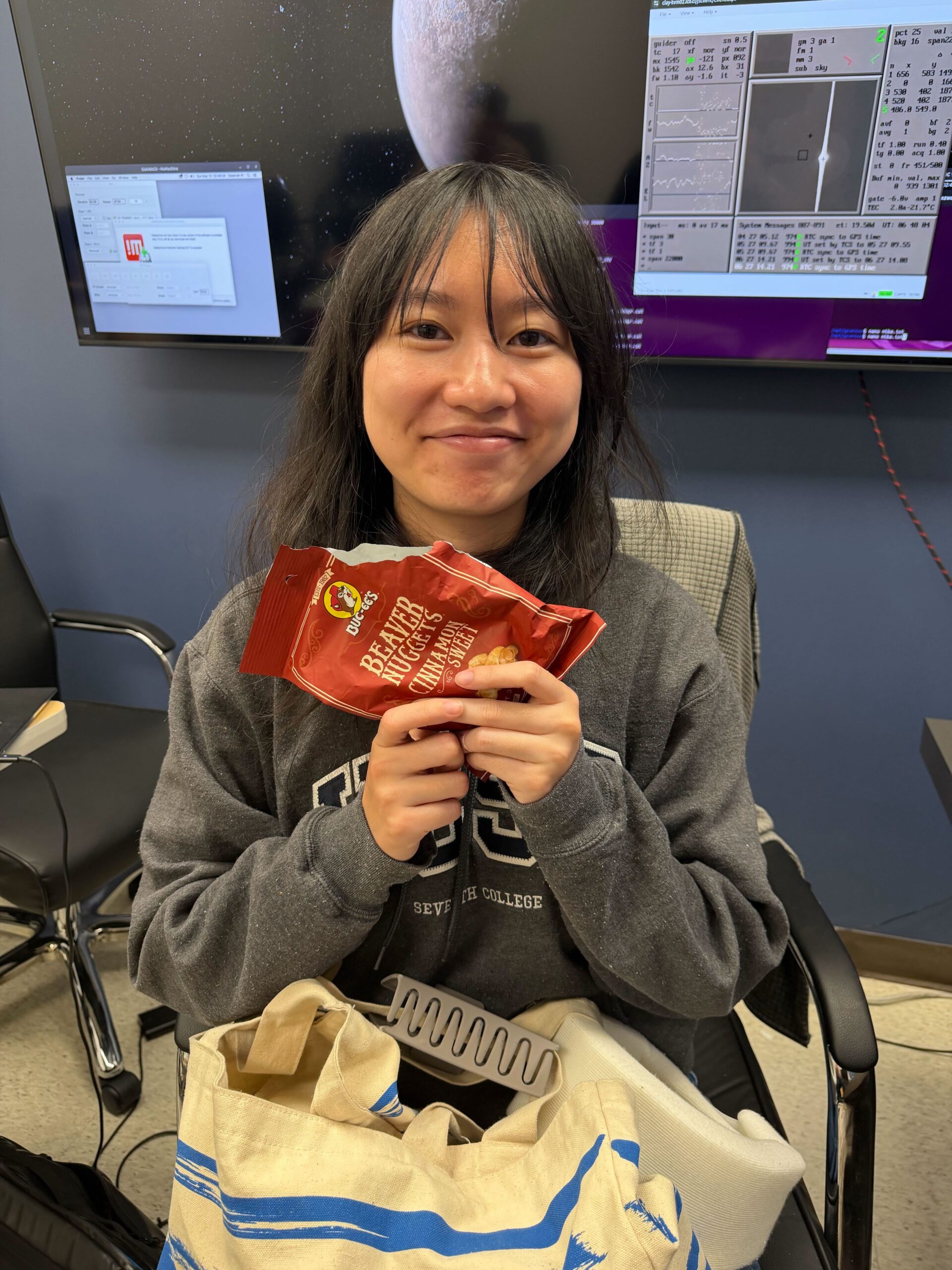
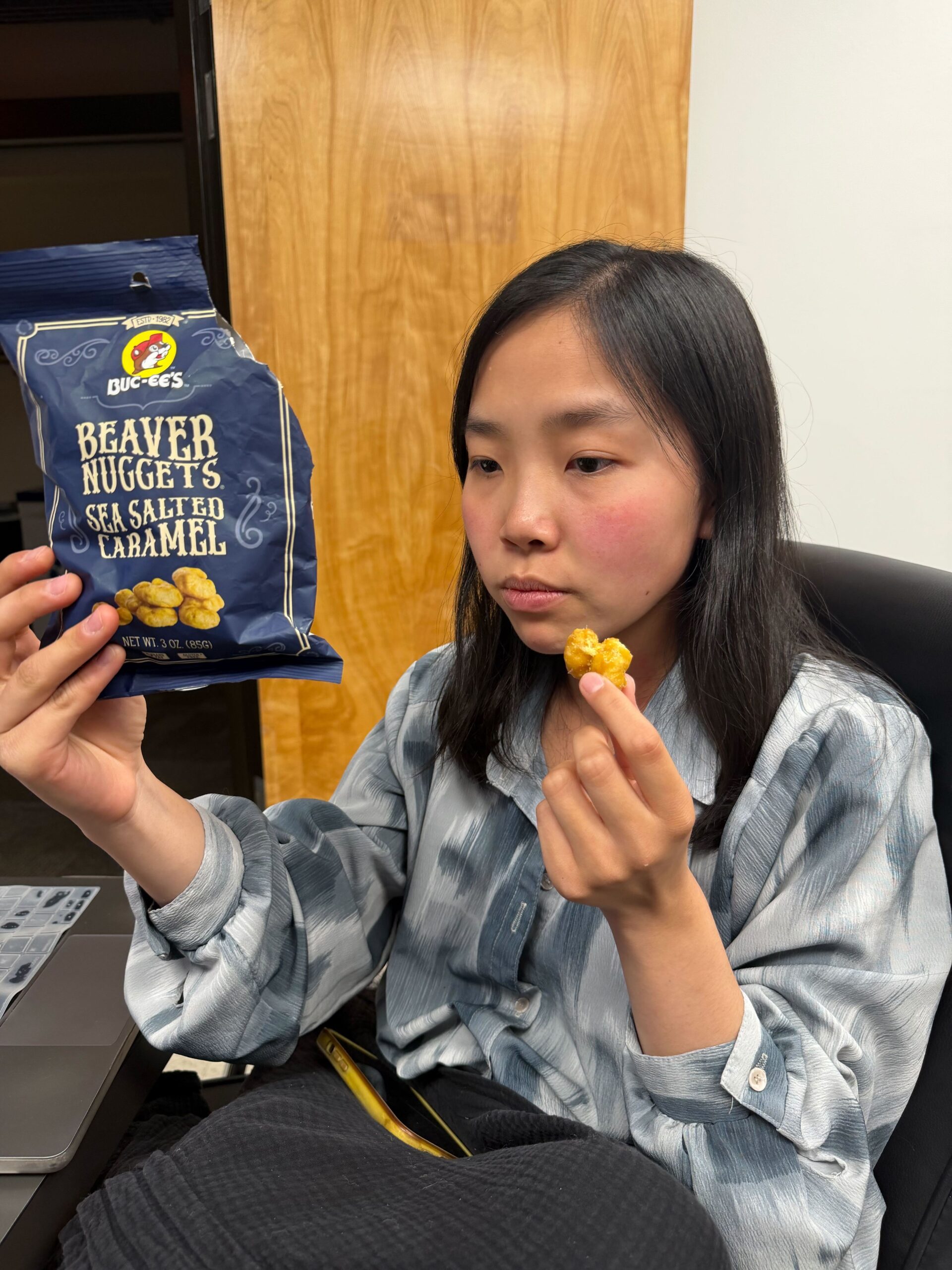
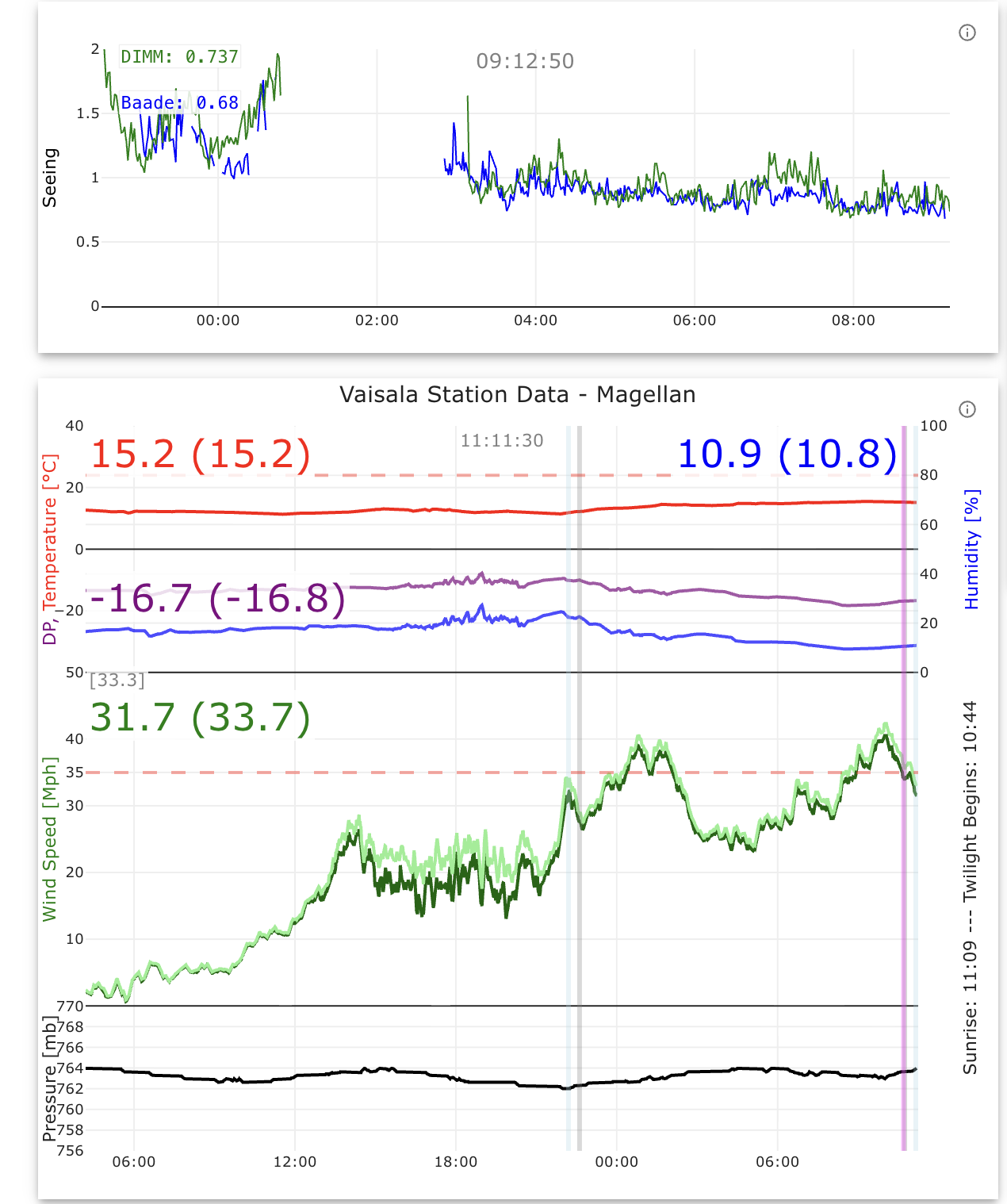
As anticipated, the seeing was relatively high in the beginning of the night. Before it had a chance to lower to enable fruitful science observations, the winds picked up a speed of 40 mph and the dome closed. Luckily, after 1 hour, the wind slowed and we went back to observing a few GEOs. As the second-shifters started to roll into the control room, we taste tested some beaver nuggets (disclaimer: does not contain beaver) brought by Logan.
Cinnamon Sugar?Or sea salt caramel?
The transition smoothly to non-sidereal tracking mode messed up the pointing of the telescope and wrapped up all the solar system objects of the night (GEOs are also within the solar system, so yes, I consider them solar system objects). Once the pointing issue is fixed, we immediately hopped onto a young star, hoping to find an accreting planet.
oh winds
Although the seeing kept below 1.25″ for the reminder of the night, our journey up (or down) tonight has not quite ended. The dome closed again due to high winds and as decided by the observer, we wrapped up the night of observing.
Remote observing feels weird. Not because of what goes on in the ROC, but rather because of what goes on outside the ROC. When we observe at LCO, Tucson starts to feel a little bit like a dream. When you’re on top of Cerro Manqui, the idea of grocery shopping or vacuuming or pulling up the weeds in the yard is so distant it’s almost ludicrous. There is only telescope. But, during these remote ops nights, those things aren’t far away. Dishes need to be done, cats need to be fed, the car runs out of gas, and your professors expect you to show up for class. The world doesn’t pause for observations in the way it sometimes feels like it does when we go down to Chile.
However, this means the good things in life also don’t get put on hold! These include, but are not limited to: the ability to replenish the snack pile mid-observing run, joyful toddler noises, and getting to sleep in your own bed at the end of a long night.
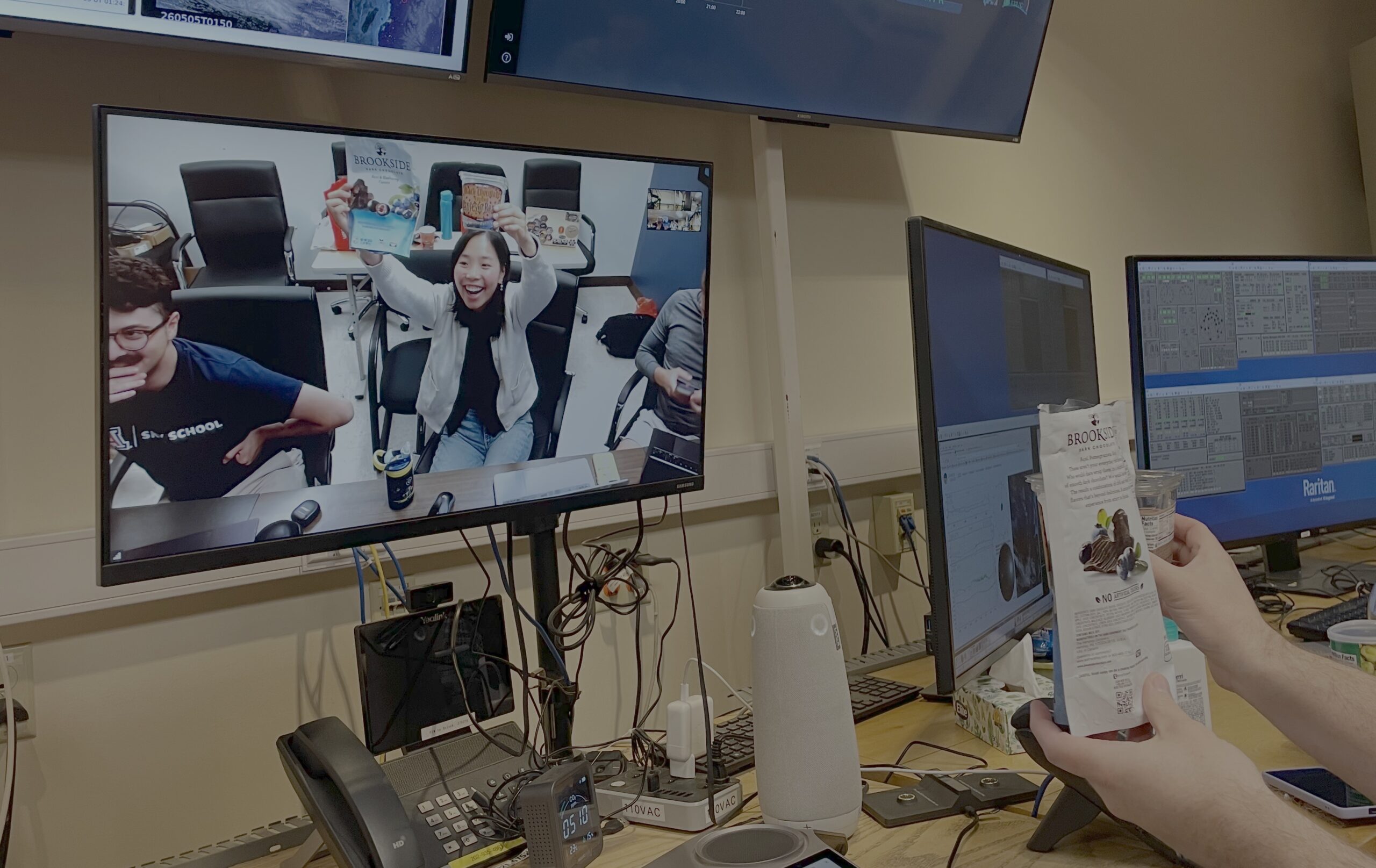
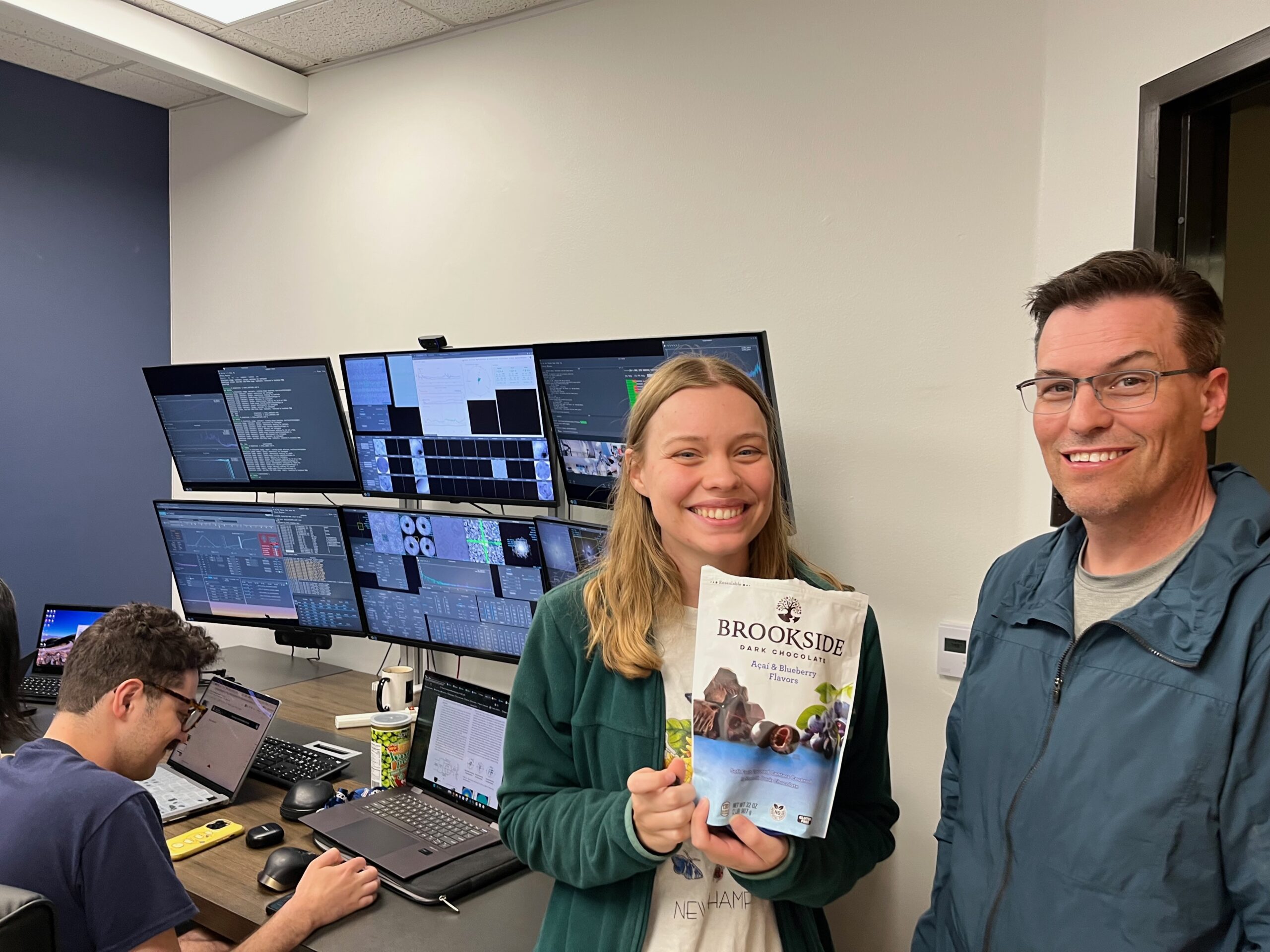
our love for brookside dark chocolate covered açai transcends all borders
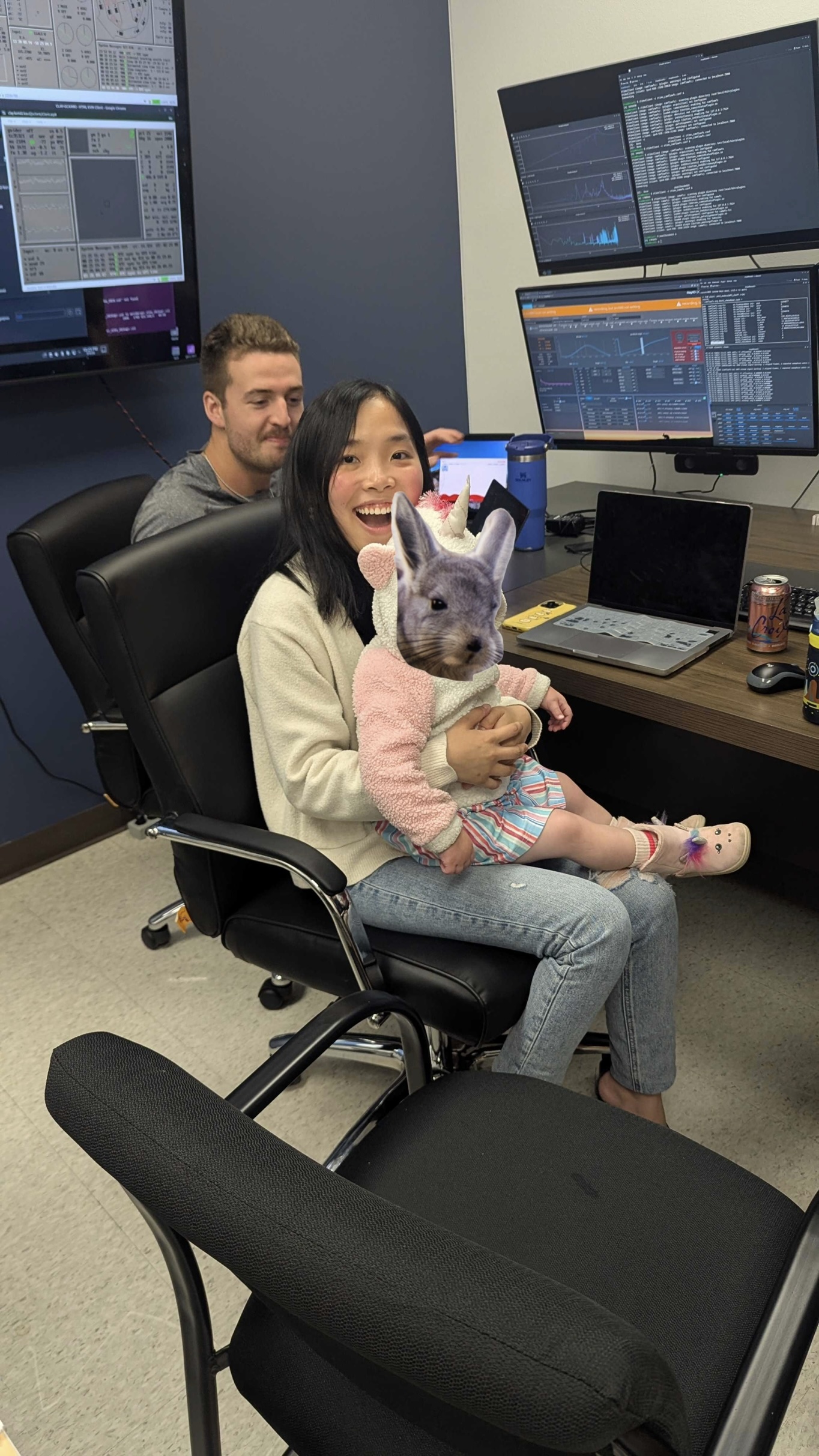
it’s a shame they don’t make hoodies like that for adults
And, if you’re lucky like me, you get to show off your work to your parents! It would be a little bit of a journey for them to come down to Chile, but they made the trek down to Tucson this week. Among other things, they got to witness MagAO-X doing some real science in really good seeing conditions.
again with the brookside
While we don’t have a dedicated kitchen staff making us empanadas in Tucson, being able to get a Sonoran dog and a churro right before observations is pretty sweet. So I’ll stand by what I said: remote observing feels weird–but it certainly comes with perks.